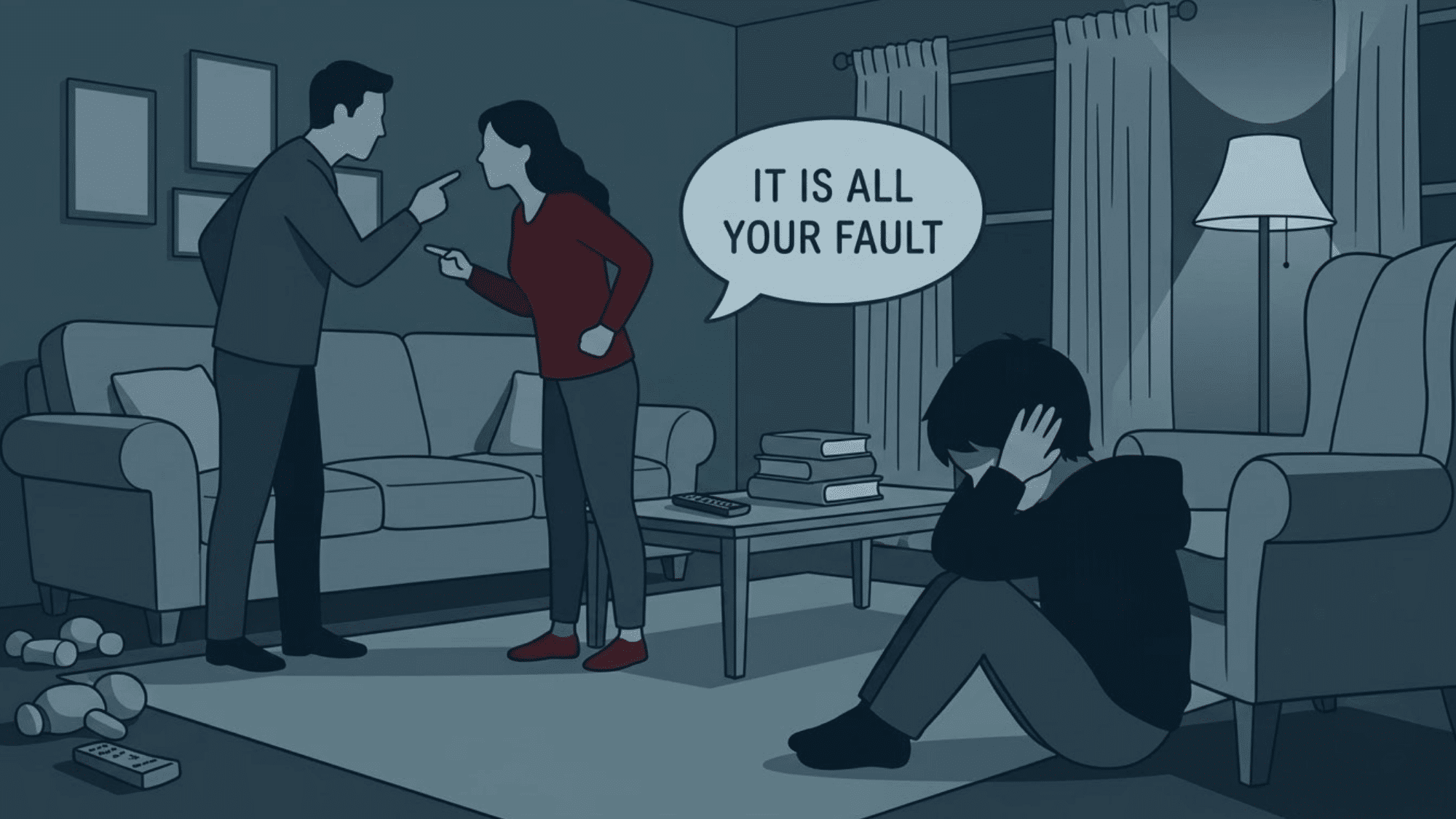
Some children learn to be responsible at a very young age. They may comfort a parent, manage household problems, or take care of siblings before they are ready for those roles.
From the outside, these children may appear mature and dependable. Inside, they may feel pressure, worry, or guilt because their own needs often come second.
Here I will explain what parentification means, why it can become harmful, common signs in children and adults, and ways people can begin healing from parentification with support and self-understanding.
Disclaimer: This blog is for educational purposes only and is not a substitute for professional mental health care, diagnosis, or individualized treatment.
What is Parentification Trauma?Parentification describes a situation where the usual roles between a child and caregiver become reversed. The child starts carrying emotional or practical responsibilities that belong to adults. A child may become the person who solves problems, provides emotional support, or manages daily tasks instead of receiving age-appropriate care and guidance. Research on family systems and childhood stress has also shown how role reversal within families may affect children’s emotional development and later adjustment. |
Know the Types of Parentification
Parentification can happen in different ways depending on what a child is expected to manage within the family. The types differ based on the role a child takes on.
| Types | What It Looks Like | Key Differences |
|---|---|---|
| Emotional | Comforting a parent or managing their emotions. | Centers on emotional support. |
| Instrumental | Cooking, cleaning, handling childcare, or completing adult tasks. | Centers on practical duties. |
| Parent-Focused | Regularly taking responsibility for a parent’s needs. | Care is directed toward a parent. |
| Sibling-Focused | Frequently caring for, supervising, or protecting siblings. | Care is directed toward siblings. |
| Spouse-Focused | Being treated as a partner, confidant, or equal instead of a child. | Places the child in a partner-like role. |
| Sexualized | Being exposed to sexual comments, adult intimacy, or inappropriate boundaries. | Involves sexualized boundary violations. |
Signs of Parentification in Children and How It Affects Development
A child’s early experiences can shape how they understand relationships, responsibility, and their own needs. When a child takes on a caregiving role too early, they may develop certain emotional patterns.
- Becoming Overly Independent: A child may avoid seeking help because they learn to solve problems without relying on caregivers.
- Taking on a Caregiver Role: They may focus on helping family members instead of spending time on play, learning, and their own development.
- Difficulty Expressing Emotions: A child may hide feelings or avoid sharing concerns because they worry about adding stress to the family.
- Higher Need for Control: They may try to manage situations carefully because uncertainty feels uncomfortable or unsafe.
According to the Centers for Disease Control and Prevention, prolonged toxic stress during childhood can disrupt brain development and affect attention, learning, and decision-making.
Signs of Parentification Trauma in Adults
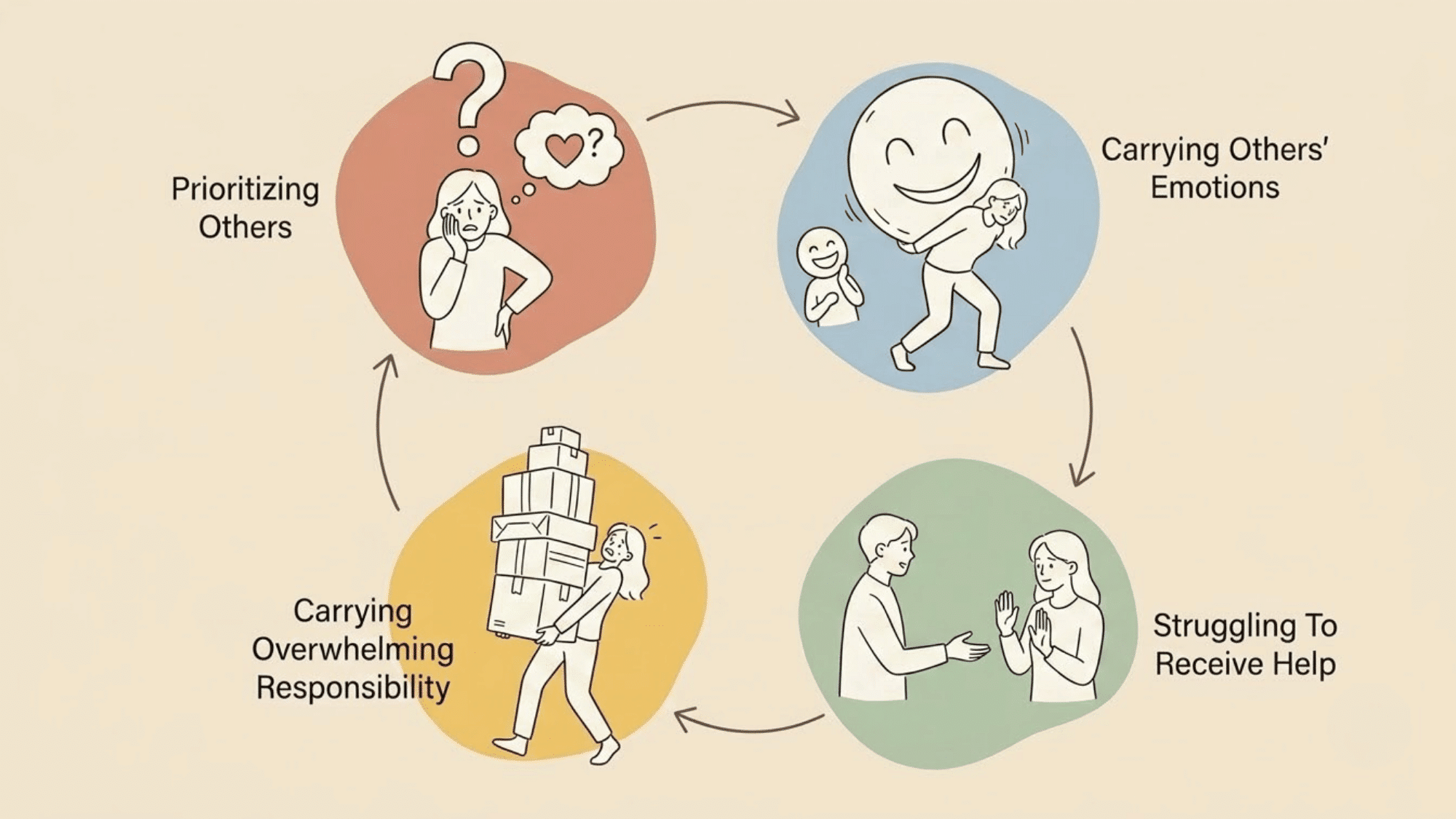
The roles children take on early in life can sometimes continue into adulthood. A person may become used to being the helper, problem-solver, or emotional support for others.
Difficulty Recognizing Personal Needs
Adults who grew up focusing on others may struggle to notice their own emotions, preferences, or limits. They may prioritize everyone else’s needs first and feel unsure about what they need for themselves.
Feeling Responsible for Other People’s Emotions
Some adults may believe they are responsible for keeping others happy. They may spend a lot of energy managing situations, preventing conflict, or trying to fix problems that are not theirs to carry.
Struggling With Trust and Receiving Support
People who learned to be the caregiver early in life may find it difficult to accept help from others. They may feel uncomfortable being vulnerable, depending on someone else, or allowing others to take care of them.
Taking on Too Much Responsibility
Adults with a history of parentification may feel pressure to handle everything themselves and prove they can manage difficult situations. They may feel guilty when they cannot solve every problem.
Why is Parentification Considered Traumatic?
Parentification can become harmful when a child repeatedly carries responsibilities without enough emotional support, protection, or freedom to simply be a child.
The experience is often less about helping the family and more about feeling that personal needs must always come after everyone else’s.
Research on family roles has found links between parentification experiences and emotional outcomes later in life. Parentification can relate to psychological functioning and family relationships.
Many adults who experiencedparentification trauma describe learning early that being useful, calm, or responsible was the safest way to maintain connection with others.
Long-Term Effects of Parentification
Early family roles can influence how adults handle emotions, relationships, and responsibilities later in life. These effects are different for everyone.
- Chronic Guilt: Feeling guilty for others not doing enough, even for things not under their control
- Fear of Failure: Worrying mistakes will disappoint others
- Emotional Exhaustion: Feeling tired from always supporting people
- Difficulty Identifying Feelings: Knowing what others need before noticing their own emotions
- Feel Uncomfortable Receiving Care: Believing they should always be the strong one
Ways to Heal from Parentification Trauma
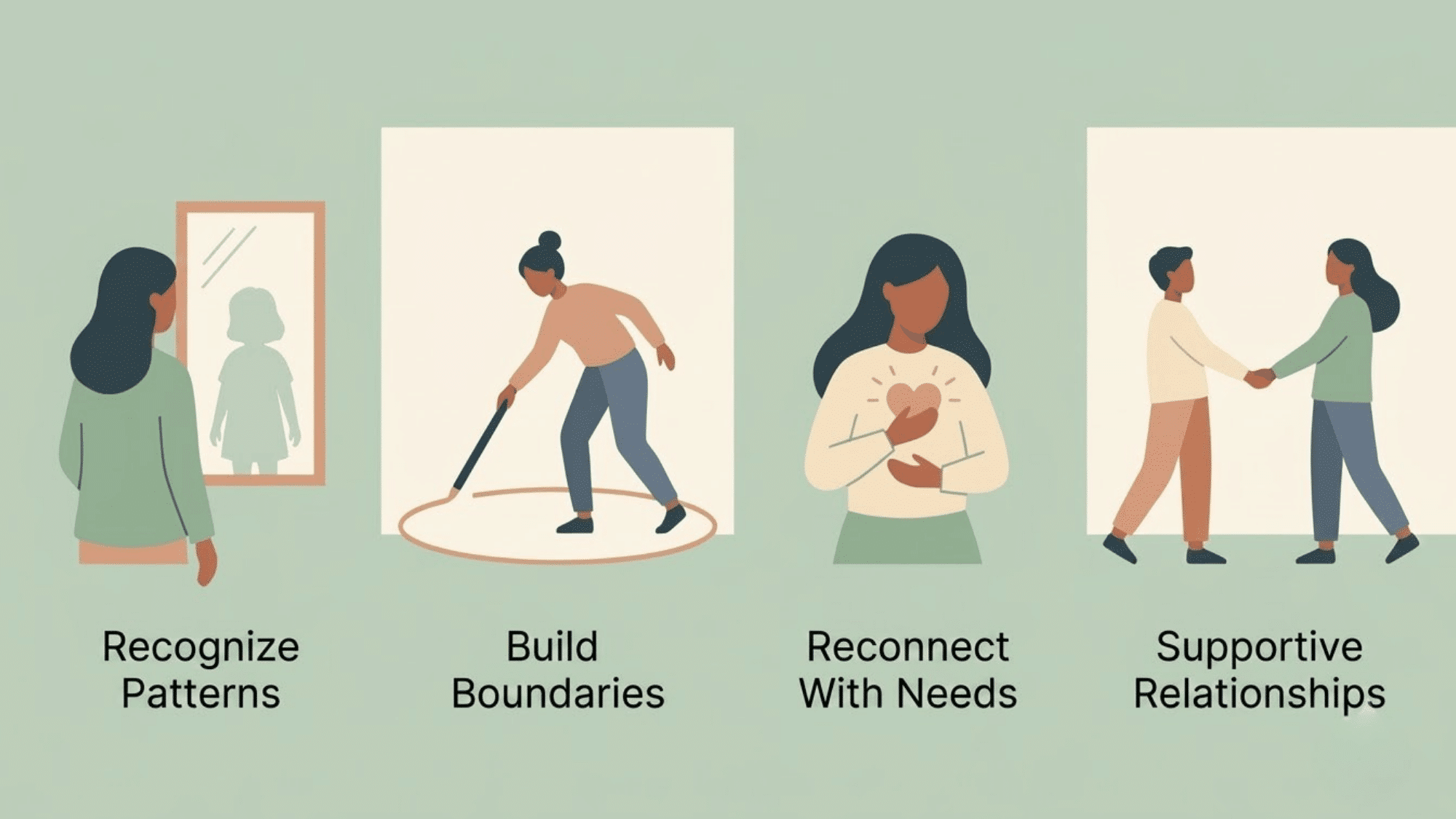
Changing long-standing emotional habits often begins with noticing where they came from. Many people working on healing from parentification start by understanding their childhood triggers.
1. Recognize Childhood Patterns
Looking at past family roles can help identify habits that still affect adult life. This may include noticing suppressed emotions and separating old responsibilities from present-day choices.
Over time, this can make self-care and independent decision-making feel more natural.
2. Build Healthier Boundaries
Boundaries can reduce the pressure to manage other people’s needs. This may include saying no without guilt, sharing responsibilities, and protecting personal time.
3. Reconnect With Your Own Needs
People who spent years caring for others may find it difficult to identify what they want or feel. Making personal choices, enjoying hobbies, and accepting care from others can help rebuild that connection.
It can also help to notice personal limits, preferences, and emotional reactions without immediately putting someone else first.
4. Develop Supportive Relationships
Healthy relationships involve mutual care rather than one person always taking responsibility. Building balanced connections can make it easier to give and receive support.
Clear boundaries, honest communication, and shared effort can prevent old caregiving roles from taking over.
It may feel unfamiliar at first, but allowing others to support you is an important part of building healthier relationships.
5. Make Space for Rest and Enjoyment
Growing up with adult responsibilities can make rest feel unproductive or uncomfortable. Setting aside time for relaxation, interests, and enjoyable activities can help reduce the habit of always being responsible for something.
| When Should You Seek Professional Support: You should consider speaking with a licensed mental health professional if childhood experiences continue affecting your emotions, relationships, or daily life. Support can help you understand patterns, build coping skills, and find appropriate resources through SAMHSA’s Treatment Locator. |
Wrapping It Up
Recognizing parentification trauma patterns can help people understand why certain habits developed and why responsibility may feel connected to their sense of worth.
A childhood spent caring for others can shape adult relationships and emotions, but it does not remove the ability to build healthier patterns.
With support, self-awareness, and patience, you can learn to care for yourself while still maintaining meaningful connections with others.
Frequently Asked Questions
Is Parentification Always Traumatic?
Not every childhood responsibility causes harm. Occasional helping is different from consistently carrying adult responsibilities without enough support.
Can Parentification Happen in Loving Families?
Yes. A family may care deeply about a child while still placing emotional or practical responsibilities on them during stressful periods.
Can Adults Recover from Parentification?
Yes. Healing from parentification may involve understanding past roles, building healthier boundaries, and developing more balanced relationships.