
I’ve learned that timely, caring support can make all the difference in how someone moves through a difficult chapter.
Mental health interventions are often discussed, yet they remain widely misunderstood.
They mean different things to different people, and there’s no single path that works for everyone. What matters is finding the kind of support that truly fits the person and the moment.
In this blog, I’ll take you through what these interventions really involve and why they matter so much
What are Mental Health Interventions?Simply, these are the ways a person gets help for a mental health condition. Tools, therapies, and approaches are mental health professionals use to help someone feel better and live a healthier life. A doctor treats a broken arm with specific methods. A mental health professional does the same with conditions like depression, anxiety, and PTSD. There’s also a second meaning, and it’s the one a lot of people are searching for: the process of helping a loved one who’s struggling but won’t seek help on their own. That’s the planned, caring conversation where family and close friends come together to encourage someone toward professional support. |
Types of Mental Health Interventions
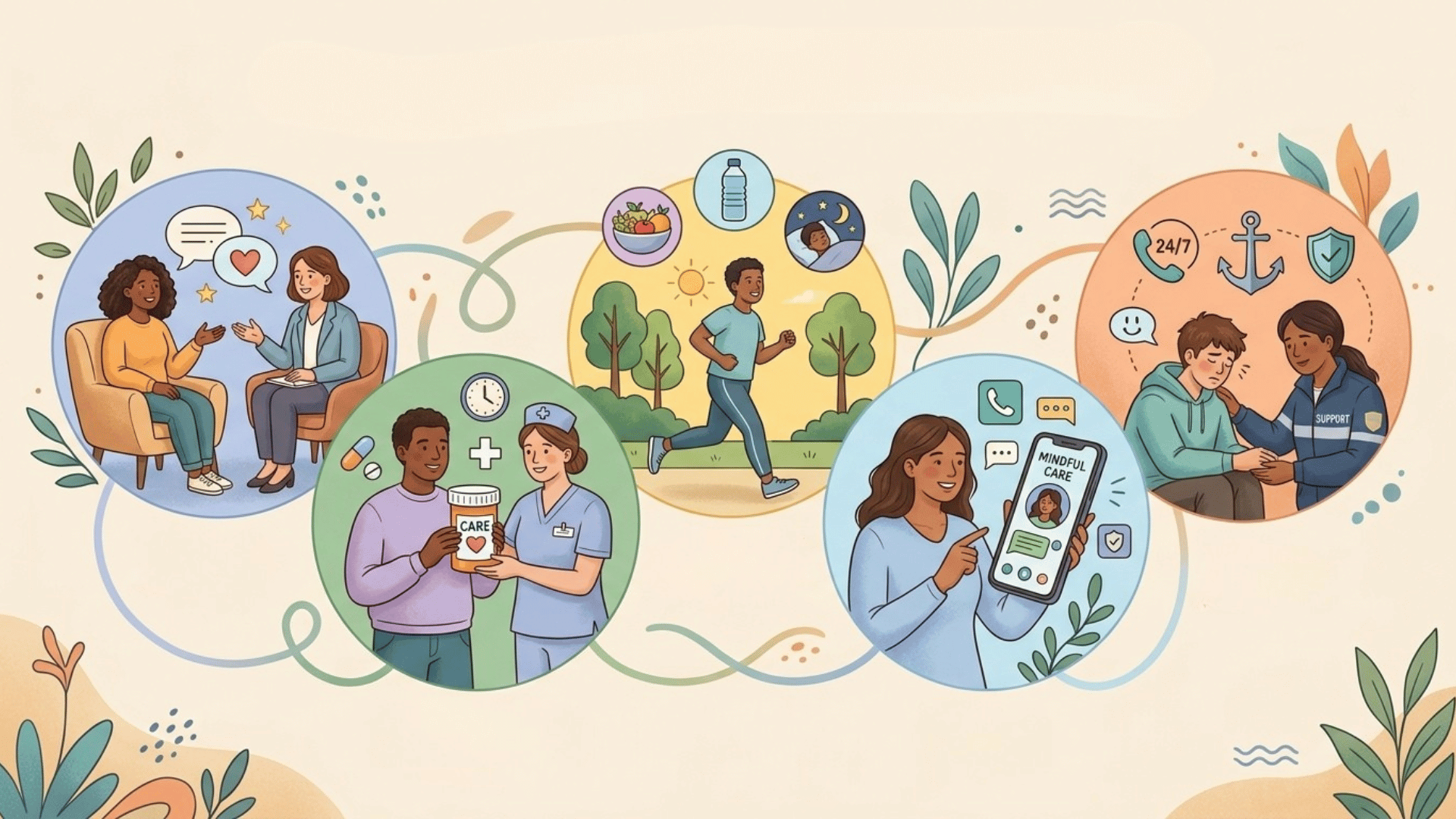
Understanding the different types is the first step in figuring out how to implement one. Each type serves a different purpose, and often more than one is used together for the best outcome.
1. Psychological Interventions
These are the most commonly used interventions and involve working with a licensed therapist to address thoughts, emotions, and behaviors.
General coping skills for anxiety often start here, guided by a professional rather than self-taught.
2. Pharmacological Interventions
Medication is rarely used alone; it is almost always combined with therapy for better results.
The type of medication depends entirely on the diagnosis and is determined by a qualified professional. Any changes, such as stopping a medication like Lamictal, should never occur without medical guidance.
3. Lifestyle and Wellness-Based Interventions
These are structured, evidence-backed changes to daily habits that support mental health alongside professional treatment.
This includes regular physical exercise, improving sleep patterns, building social connections, and nutrition. Research supports these as meaningful complements to clinical care, not replacements for it.
4. Digital and Technology-Based Interventions
These are app-based or online platforms that deliver evidence-based therapeutic techniques such as CBT and mindfulness.
It is important to distinguish these from general wellness apps, which lack clinical validation and should not be used as treatment tools.
5. Crisis Interventions
These are immediate, short-term responses designed to stabilize someone who is in acute mental distress or danger.
They are carried out by trained professionals, not family members. If someone is in crisis right now, call or text 988 immediately.
Evidence-Based Interventions Practices
These are not general wellness tips or popular trends. Evidence-based interventions are specific, structured practices that have been tested through clinical research and proven to work.
| Intervention | What it is | What is it used for |
|---|---|---|
| Cognitive Behavioral Therapy (CBT) | Helps identify and change negative thought patterns. | Depression, anxiety, PTSD, and eating disorders. |
| Dialectical Behavior Therapy (DBT) | Teaches skills for emotion regulation and distress tolerance. | Intense emotions, self-harm, borderline personality disorder |
| Eye Movement Desensitization and Reprocessing (EMDR) | Uses guided eye movements to process traumatic memories. | PTSD and trauma-related conditions |
| Acceptance and Commitment Therapy (ACT) | Focuses on accepting thoughts while acting on values. | Depression, anxiety, OCD, chronic pain |
| Mindfulness-Based Interventions (MBI) | Trains attention on present-moment awareness. | Stress, anxiety, and relapse prevention |
| Motivational Interviewing (MI) | Helps build internal motivation for change. | Substance use, behavior change, treatment resistance |
EMDR, in particular, is worth understanding if trauma is part of the picture; it’s one of the more effective paths for healing from childhood trauma as an adult.
How to Choose the Right Mental Health Intervention?
Not every intervention works the same way for every person. The right choice depends on the situation. Here is a simple way to think about it:
- Immediate Danger: Crisis intervention comes first because safety and stability must be handled before any other treatment.
- Mild Condition: Lifestyle changes like sleep, exercise, routines, and stress management can be a helpful starting point.
- Moderate Condition: Therapy, CBT, or counseling may help when symptoms begin to affect daily life.
- Severe Condition: Medication with therapy is often needed for serious conditions like bipolar disorder, schizophrenia, or severe depression.
- Not Ready for In-Person Therapy: Digital tools or online therapy can be a practical first step.
- No Improvement with One Approach: A combined plan may work better when a single intervention is not enough. Some people also don’t realize how deep the issue runs until they take something like a PTSD self-assessment and see the pattern laid out clearly.
How to Stage an Intervention?
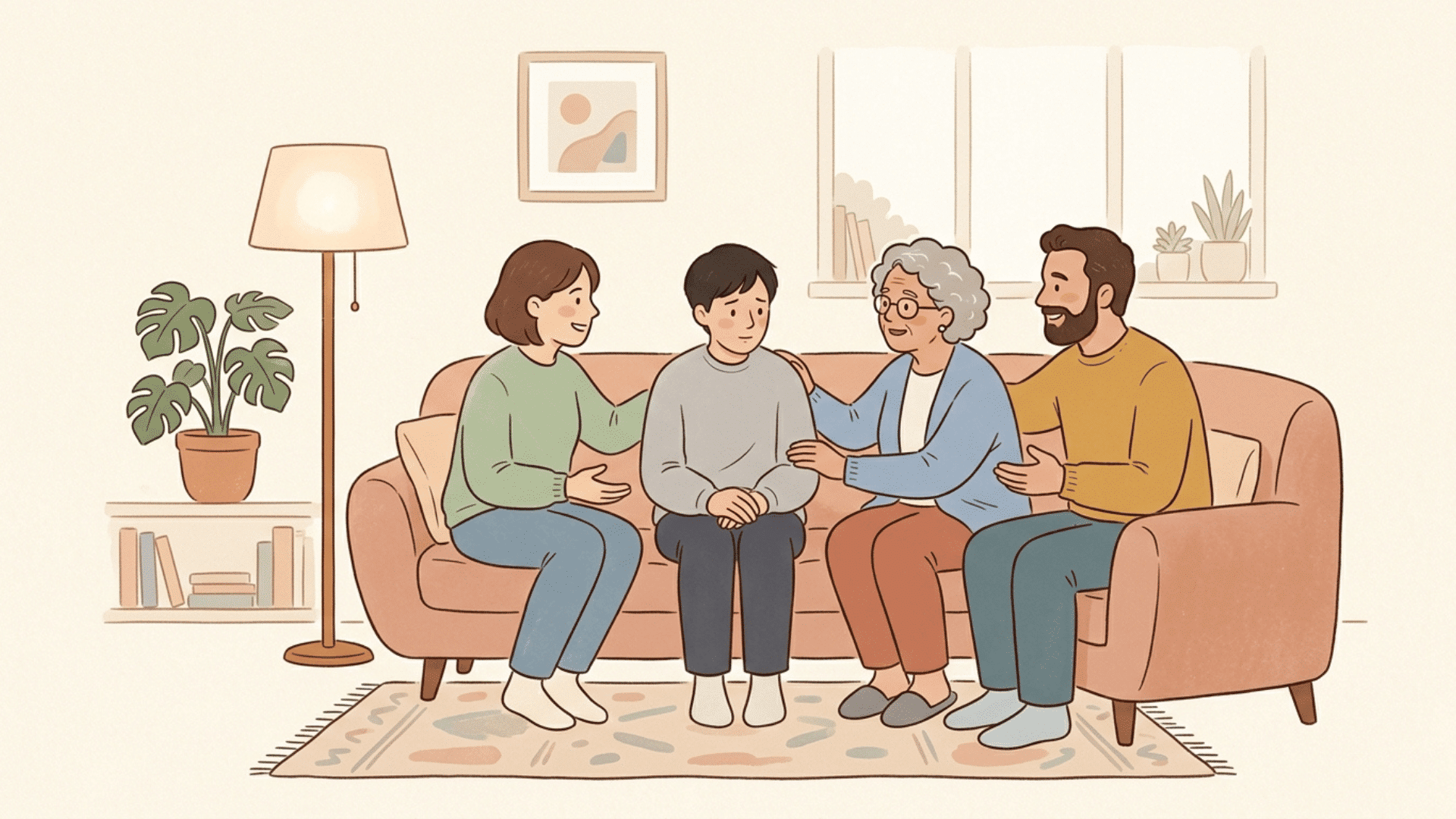
If you’re reading this part, you’re probably worried about someone specific. Here’s how to conduct a mental health intervention without it backfiring.
Step 1: Plan the Intervention
An intervention should always be planned in advance.
Decide who will be involved and ensure they are trusted, calm individuals who genuinely care about the person. Avoid large or unprepared group settings.
Step 2: Consider Professional Guidance
In many cases, involving a therapist or counselor can help guide the process. A professional can help structure the conversation and reduce the risk of conflict or misunderstanding.
A therapist can also help each person express their needs without blaming or shutting down. This support can make the conversation feel safer, calmer, and more focused on healing.
Step 3: Prepare What to Say
Each person should prepare short and clear statements. Focus on concern, care, and specific examples rather than blame, criticism, or emotional pressure.
Each person should prepare short, clear statements before the conversation
Step 4: Choose the Right Time and Setting
Pick a private, calm, and safe environment. The timing should be when the person is most receptive and not already distressed.
Avoid bringing up difficult concerns during arguments, stressful events, or when the person is under the influence of substances.
Step 5: Offer Support and Next Steps
The goal is to encourage help-seeking, not force a decision.
Be ready to suggest options such as therapy, counseling, or medical support, and offer to help them take the next step if they are open to it.
Step 6: Set Boundaries if Needed
If the person refuses help, boundaries may be necessary. These should be communicated calmly and respectfully, with a focus on care rather than punishment or pressure.
Personal Experiences with Mental Health Treatment
Personal stories can make anxiety and depression feel less isolating. Here are some real stories of people who have gone through this and overcome.
Talk therapy helped me with anxiety and depression
A person describes in detail which therapists and approaches did not work for them and which finally did. Their story shows that finding the right therapy can take time, and progress may depend on the therapist’s style, treatment method, and how safe the person feels. – Quora
Therapy helped me overcome social anxiety
A person reflects on not even realizing they had social anxiety until therapy, and how it shifted over years. They explain that treatment helped them notice old patterns, understand their fear more clearly, and slowly feel safer in social situations. – Quora
Therapy Helped Me Function Again
One Reddit user shared that therapy helped them stop spiraling so much in daily life. They said their anxiety and depression did not disappear completely, but therapy gave them a place to talk honestly and understand their patterns. – Reddit
Mental Health Intervention Resources
Mental health resources help individuals and families connect with trained professionals, support groups, and treatment services. Any one of them is a reasonable place to start.
You can find professionals through:
- SAMHSA Treatment Locator (FindTreatment.gov)
- Psychology Today Therapist Directory
- Primary care doctor for initial evaluation and referrals
- NAMI Family Support Group
Wrapping Up
Understanding how mental health interventions work makes it easier to recognize when support is needed and what’s actually available.
Each method I mentioned here plays a different role in helping individuals move toward stability and recovery.
Learning how to do an intervention for mental health was never about control or pressure. It’s about building a space where help feels possible instead of threatening.
If you or someone you love is struggling, reaching out to a licensed professional is one of the bravest first steps you can take.
Frequently Asked Questions
Can Mental Health Interventions Work without Medication?
Yes, many people benefit from therapy, lifestyle changes, and support systems without medication, depending on their condition.
How Do I Know if Someone Needs a Mental Health Intervention?
If their mood, behavior, safety, relationships, or daily functioning is clearly getting worse, it may be time to step in.
What Should You Not Say During an Intervention?
Avoid blame, threats, shame, or phrases that make the person feel judged or cornered.