

Have you ever met someone who speaks clearly but still struggles to keep a conversation going, understand jokes, or pick up on social cues?
These challenges may point to social communication disorder, a condition that affects how people use language in everyday interactions rather than their ability to speak or understand words.
In this blog, I’ll take you through what it is, its symptoms, causes, DSM-5 diagnostic criteria, how it differs from autism, how it is diagnosed, and why identifying it can sometimes be challenging.
What is Social Communication Disorder?Social (pragmatic) communication disorder is a lasting problem using language for social purposes. It does not involve the restricted or repetitive behaviors seen in autism. It affects social language use, not words or grammar, causing difficulties with conversations, social cues, and jokes. It sits under the neurodevelopmental disorders chapter of the DSM-5 alongside autism, ADHD, and learning disorders, a placement supported by a National Institutes of Health review of DSM-5 childhood diagnoses. |
What Causes Social Communication Disorder?
The exact cause of SCD or Pragmatic Language Disorder is not fully understood. Key factors include:
- Genetic Factors: A family history of communication, language, or neurodevelopmental disorders may increase the risk.
- Brain Development Differences: Differences in brain areas involved in language, social understanding, and communication may contribute to SCD.
- Language Processing Difficulties: Some children have trouble understanding and using spoken language effectively in social situations.
- Neurodevelopmental Factors: SCD may be linked to differences in how the brain develops, affecting social communication skills from an early age.
- Environmental Influences: Limited opportunities for social interaction or communication challenges in early childhood may worsen existing difficulties, but they are not considered the primary cause.
- Unknown Causes: In many cases, no single cause can be identified, and SCD is likely the result of multiple interacting factors.
According to the NICHD, experts believe SCD develops from a mix of genetic, brain, and environmental factors, similar to other intellectual and developmental disabilities.
Who Can Develop Social Communication Disorder?
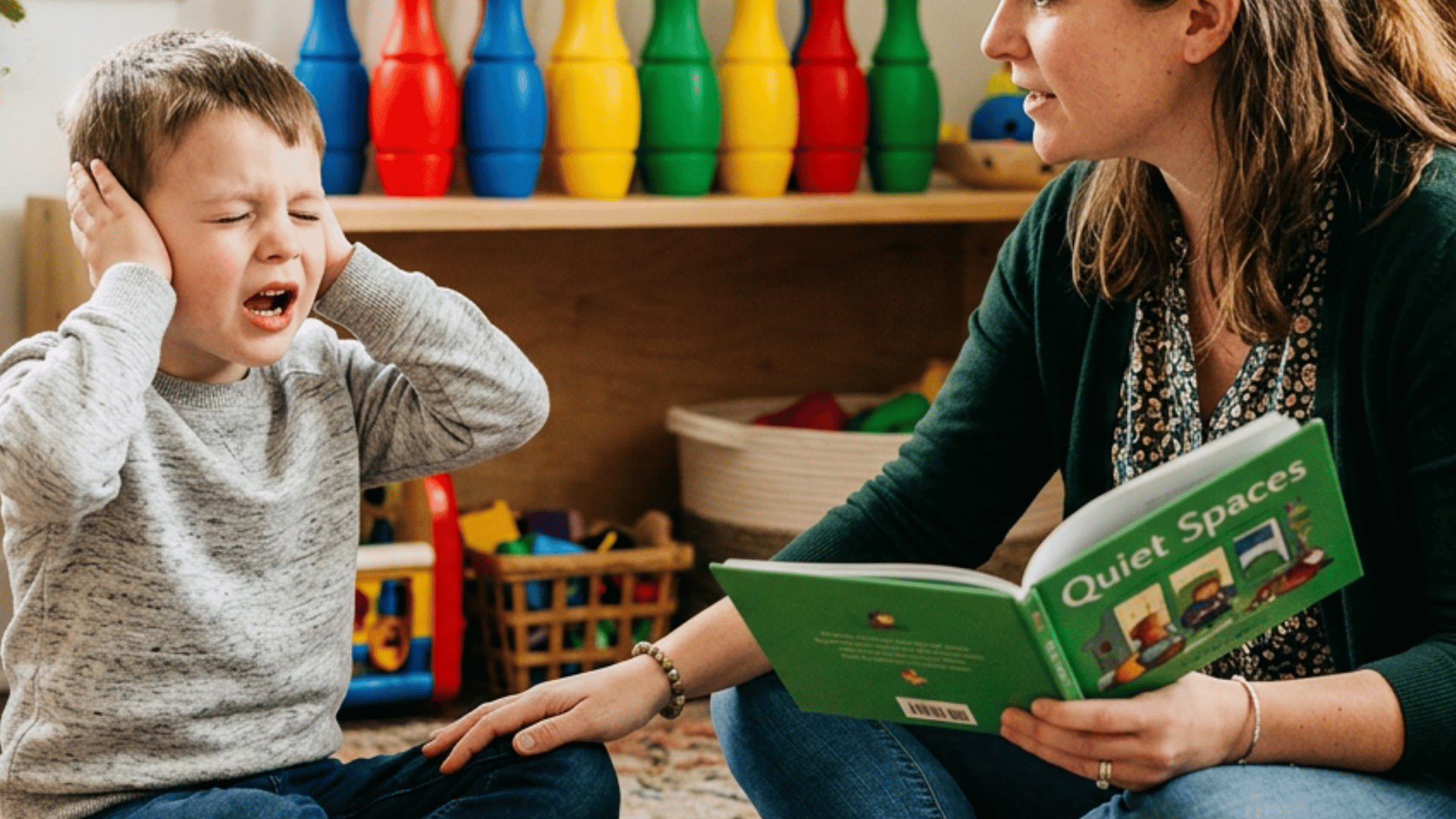
SCD can affect people of different ages, although signs often appear during childhood as communication and social demands increase.
|
Age Group |
How SCD May Appear |
|---|---|
| Young Children | Signs may become noticeable as social communication demands increase, including difficulty with conversations, social cues, and everyday interactions. |
| School-Age Children | May struggle with staying on topic, following social rules, adjusting communication to different situations, and building friendships. |
| Teenagers | Social challenges may appear in complex peer relationships, including difficulty understanding sarcasm, implied meanings, or age-appropriate interactions. |
| Adults | Some adults may receive a later diagnosis if childhood signs were overlooked, with challenges often appearing in social communication situations. |
Signs and Symptoms of Social Communication Disorder
The signs and symptoms of SCD mainly affect how a person uses language in everyday social situations. Common signs include:
- Challenges Making Friends: Social communication difficulties can make it harder to build and maintain relationships.
- Difficulty Starting Conversations: May struggle to begin, maintain, or end conversations appropriately.
- Literal Interpretation: Often misunderstands jokes, sarcasm, idioms, or figurative language.
- Poor Storytelling Skills: May have trouble organizing thoughts, giving enough context, or staying on topic.
- Trouble Taking Turns: May interrupt others or have difficulty following the natural flow of conversation.
- Problems Understanding Social Cues: Finds it hard to interpret facial expressions and body language
- Misunderstanding Social Rules: May not recognize unspoken social expectations, such as how to greet others or when to speak.
DSM-5 Diagnostic Criteria for Social Communication Disorder
The DSM-5 outlines specific criteria that healthcare professionals use to diagnose SCD.
1. Criterion A: Persistent Difficulties Using Communication for Social Purposes
A diagnosis requires persistent difficulties in at least three areas of social communication, including using communication appropriately, adapting it to different situations, following conversation rules, and understanding implied language.
These challenges occur across everyday settings. A person may struggle to start conversations, adjust communication, or understand humor, sarcasm, and indirect language.
2. Criterion B: Functional Limitations in Daily Life
The communication difficulties must cause meaningful challenges in everyday life. They can affect social interactions, relationships, school performance, workplace communication, and other important daily activities.
Having an unusual communication style alone is not enough for a diagnosis.
The symptoms must clearly interfere with daily activities, making it difficult to build relationships, participate in school, or succeed at work.
3. Criterion C: Symptoms Begin in Early Development
The symptoms must begin during early childhood, even if they are not recognized until later.
In some cases, the difficulties become more noticeable only when social communication demands increase with age.
For example, a child may appear to communicate well in simple situations but struggle once school, team activities, or larger social groups require more advanced conversation and social skills.
4. Criterion D: Symptoms Are Not Better Explained by Another Condition
The communication difficulties cannot be better explained by autism, a developmental delay, an intellectual disability, or limited language skills.
These conditions must be ruled out before diagnosing SCD.
This step is essential because several conditions can share similar communication challenges. A careful evaluation helps ensure the diagnosis accurately reflects the person’s needs and guides the most appropriate treatment.
A person must meet all four criteria for an SCD diagnosis, and the symptoms must significantly affect everyday functioning.
Social Communication Disorder Vs Autism Spectrum Disorder
As per the NIH-hosted DSM-5 report, the dividing line is restricted and repetitive behaviors, or RRBs.
Autism spectrum disorder requires both social communication deficits and RRBs. SCD is diagnosed only when RRBs are now absent and have never appeared in the past.
| Aspect | Social Communication Disorder (SCD) | Autism Spectrum Disorder (ASD) |
|---|---|---|
| Main Challenges | Affects the social use of language and communication. | Affects social communication, behavior, and interaction patterns. |
| Communication Difficulties | Difficulty with conversations, social cues, jokes, and figurative language. | Similar social communication challenges, along with other behavioral differences. |
| Restricted Behaviors | Does not include restricted or repetitive behaviors or intense interests. | Includes restricted or repetitive behaviors, routines, or focused interests. |
| Sensory Differences | Does not typically involve repetitive movements or sensory differences. | May include repetitive movements, sensory sensitivities, and a strong need for routines. |
| Diagnosis Basis | Diagnosis is based solely on communication difficulties. | Diagnosis requires both social communication challenges and restricted or repetitive behaviors. |
How is Social Communication Disorder Diagnosed?
Diagnosing SCD requires a comprehensive evaluation. Since there is no single medical test, clinicians assess communication skills and developmental history and rule out other conditions.
-
Review Developmental History:Clinicians gather information about early language development, social milestones, family history, and the timing of the first appearance of communication difficulties.
-
Assess Social Communication Skills:Evaluate conversation skills, turn-taking, use of social language, understanding of social cues, and communication across different situations.
-
Collect Information From Others:Parents, teachers, and caregivers share observations about how communication challenges affect the person’s daily life across settings.
-
Conduct Standardized Testing:Speech-language assessments measure language abilities, pragmatic communication skills, and other areas related to social communication.
-
Rule Out Similar Conditions:The evaluation excludes autism, hearing loss, intellectual disability, language disorders, and other conditions with overlapping symptoms.
-
Apply DSM-5 Diagnostic Criteria:A diagnosis is confirmed only when the individual meets DSM-5 criteria, and no other condition better explains the symptoms.
What Research Says About Social Communication Disorder Prevalence?

SCD is considered relatively uncommon, but its exact prevalence is difficult to determine.
The condition was introduced as a separate diagnosis in the DSM-5 in 2013; research is still evolving, and many cases may be misdiagnosed or overlooked.
For context, broader voice, speech, and language disorders combined affect about 7.2 percent of U.S. children ages 3 to 17. That is roughly 1 in 14 kids, per NIDCD’s national statistics.
Studies tracking how children shift from a DSM-IV pervasive developmental disorder diagnosis to DSM-5 categories found reclassification rates from 1.5 percent to over 40 percent.
Why is Social Communication Disorder Difficult to Diagnose?
SCD or Pragmatic Language Disorder can be difficult to diagnose because its symptoms overlap with other developmental conditions, and there is no single medical test to confirm it.
- Symptoms Overlap: SCD shares features with autism, ADHD stimming behavior, and language disorders, making it difficult to distinguish from other conditions.
- No Medical Test: There is no single test for SCD, so diagnosis depends on clinical evaluations, observations, and developmental history.
- Symptoms Evolve: Social communication difficulties often become more noticeable as social expectations increase with age.
- Varied Presentation: Symptoms differ from person to person, with varying types and levels of communication challenges.
- Multiple Assessments: Clinicians collect information from parents, teachers, caregivers, and standardized assessments to build a complete picture.
- Rule Out Other Conditions: Other conditions, such as autism, intellectual disability, hearing loss, and language disorders, must be excluded first.
The Bottom Line
Learning about social communication disorder is the first step toward recognizing communication challenges that often go unnoticed.
While receiving a diagnosis can take time, the right evaluation can help individuals access support that improves communication, relationships, and daily life.
Have you or someone you know experienced challenges with social communication? Share your thoughts or experiences in the comments.
Frequently Asked Questions
Can Adults Be Diagnosed with Pragmatic Language Disorder?
Yes, if symptoms trace back to early childhood. A clinician relies on developmental history, since direct observation of childhood is usually unavailable for adults.
What Professional Diagnoses Social Communication Disorder?
Usually, a psychologist, psychiatrist, or developmental pediatrician works with a speech-language pathologist to confirm pragmatic deficits and rule out autism.
Is SCD Covered Under Special Education Law?
Yes. It generally falls under IDEA’s “speech or language impairment” category, which covers any communication disorder that hurts a child’s school performance.