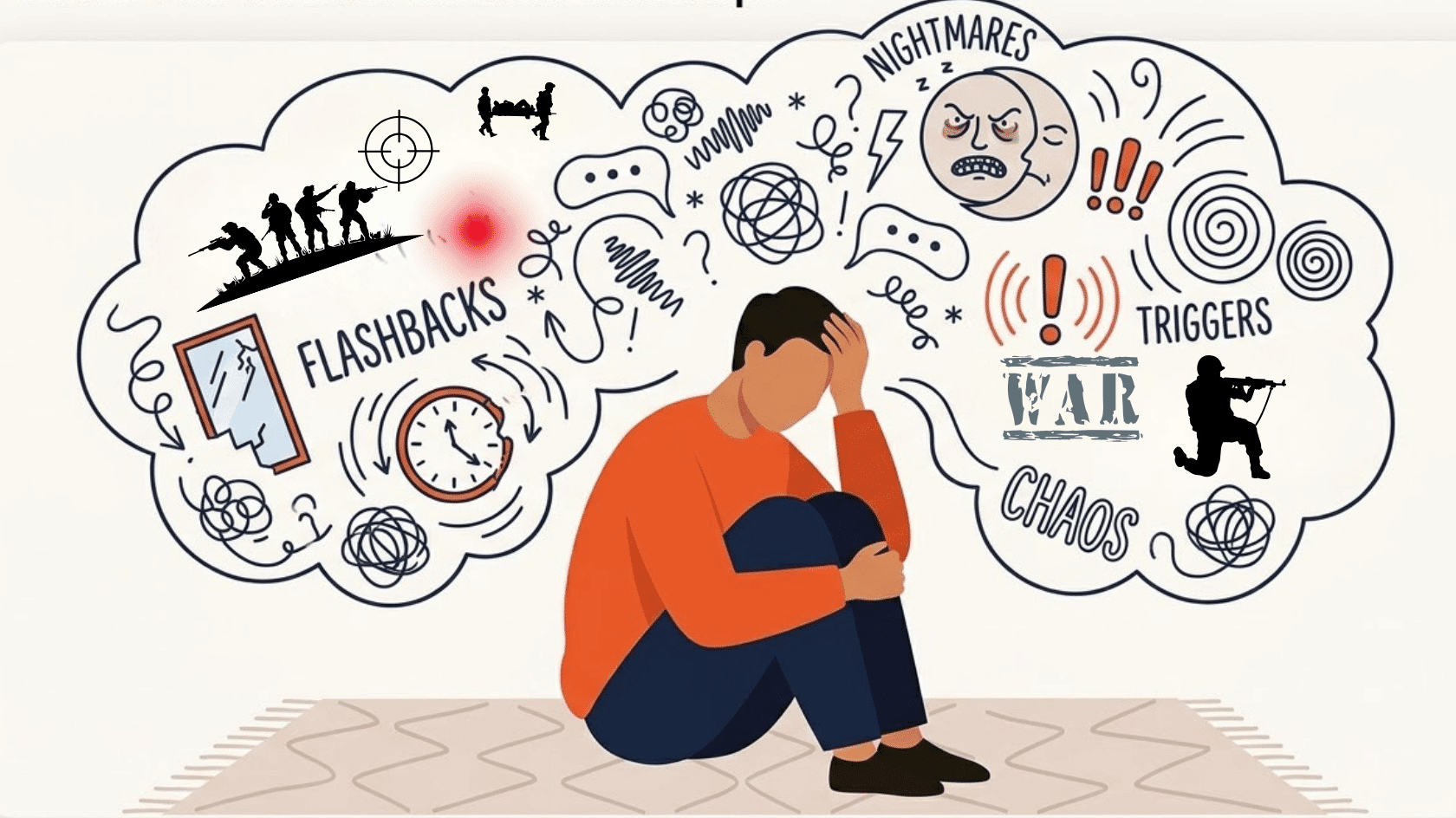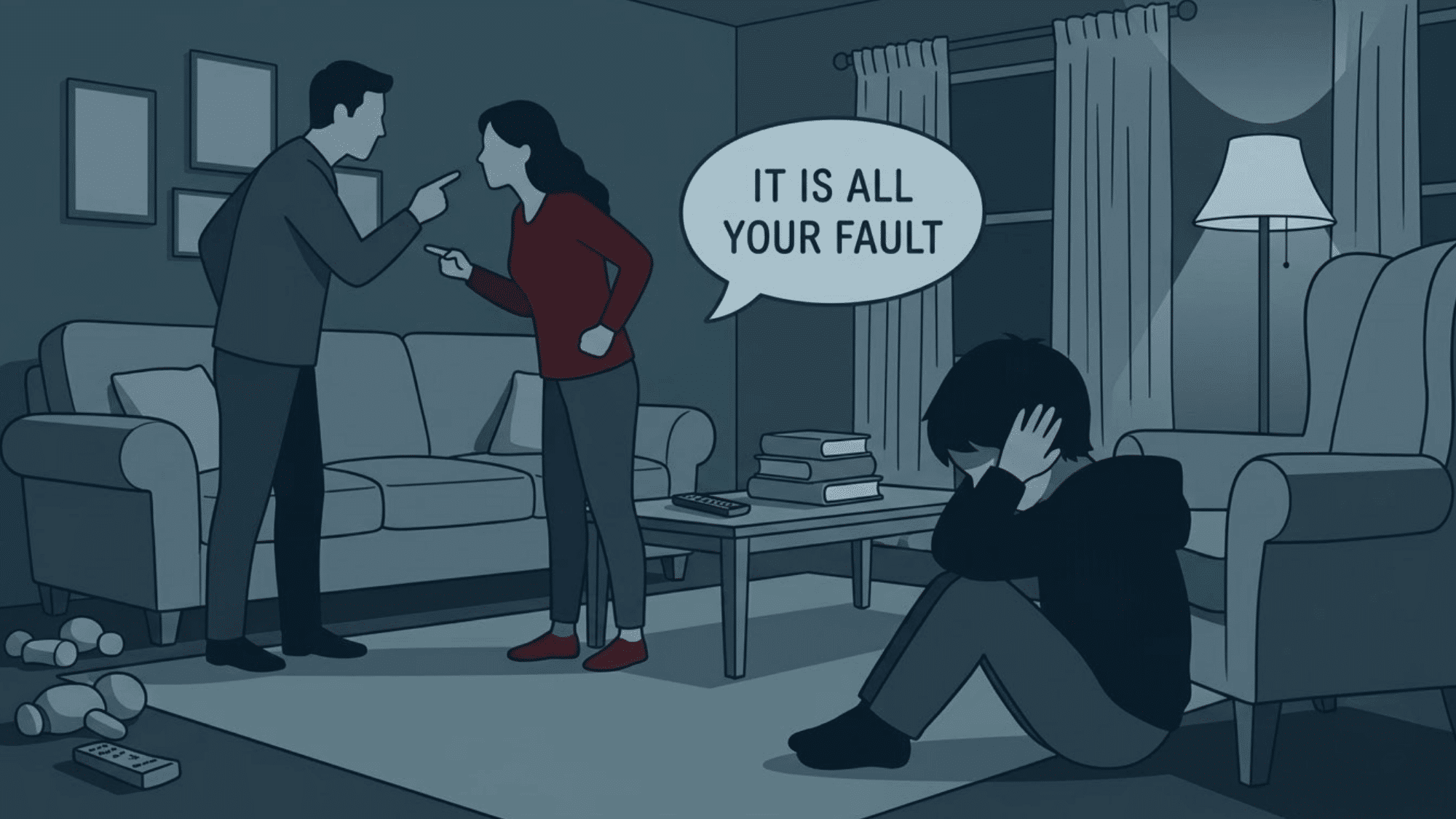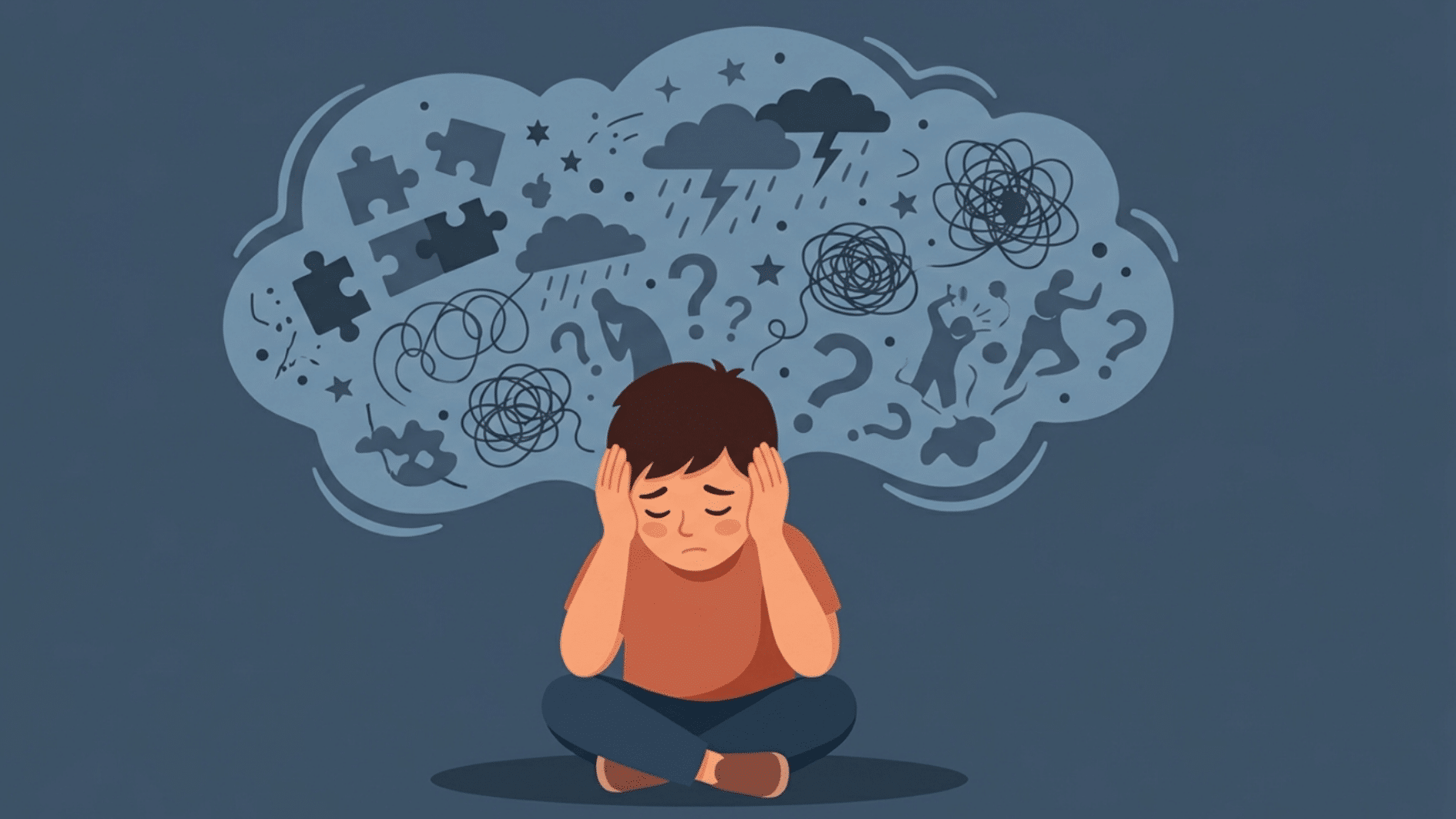

Have you ever opened up to someone and then felt like you may have shared too much?
Trauma dumping can happen when painful thoughts come out all at once, often without checking if the other person is ready to hear them.
You may only be trying to feel understood or less alone. But when a conversation becomes very heavy, the other person may feel stuck, tired, or unsure how to respond.
That can leave both people feeling uncomfortable afterward.
Sharing hard feelings is normal, but saying everything in the moment doesn’t always bring the relief or connection you hoped for.
What is Trauma Dumping?
Trauma dumping is the act of sharing intense or traumatic details with someone who has not agreed to hear them, often in a setting not built for that level of disclosure.
The listener absorbs heavy emotional content with no warning and no easy way to step back from it. They rarely get a pause to respond or add their own thoughts.
It happens on impulse; the urge is to release distress, not to connect with the other person. It can occur in person, over text, or on social media.
The term describes a pattern, not a diagnosis.
What are the Common Signs of Trauma Dumping?
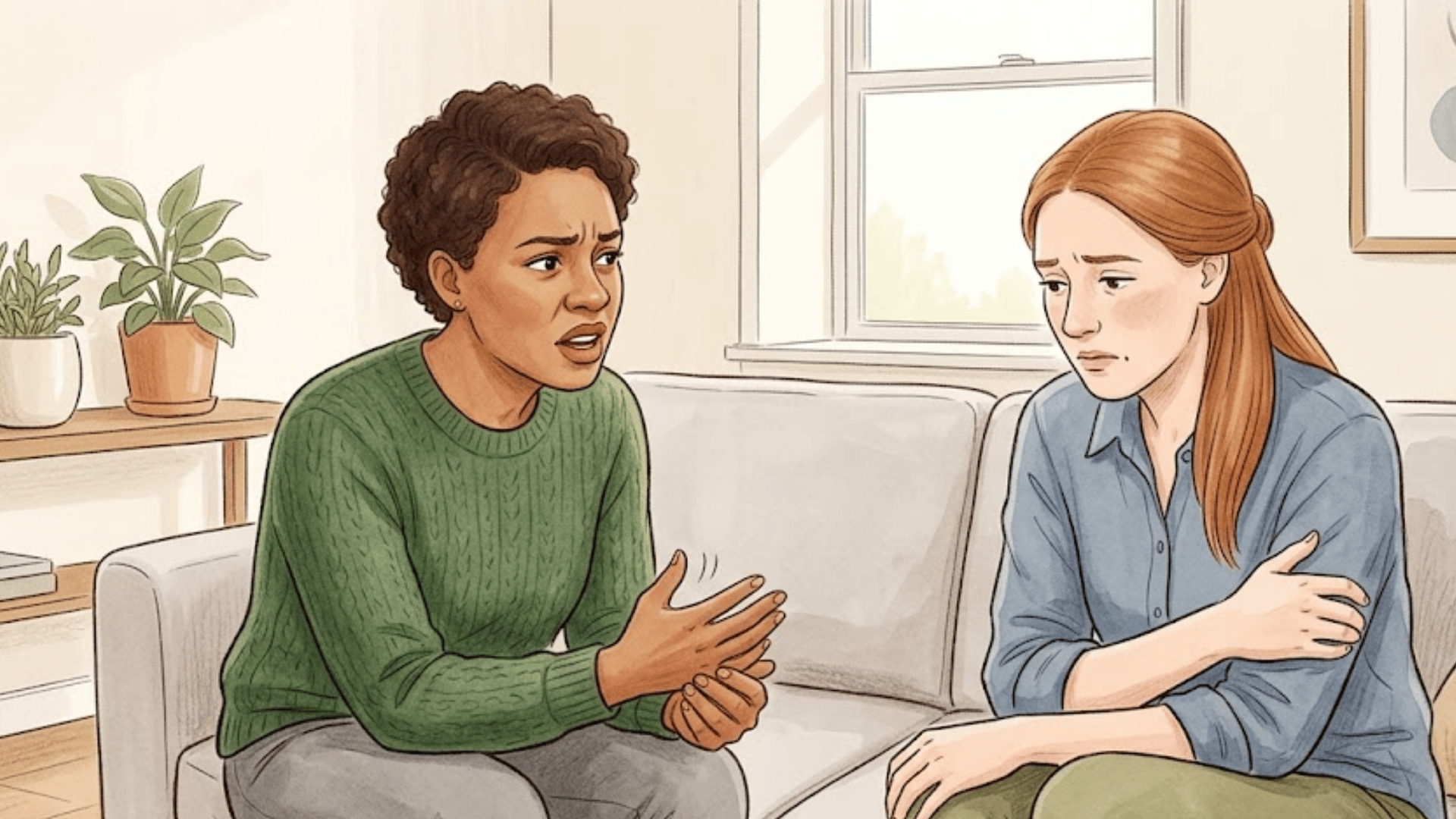
Some signs can be easy to miss at first, especially when sharing feels normal. The pattern usually becomes clearer over time.
1. Sharing Very Personal Details Without Checking First
This can happen when someone starts sharing painful or private experiences without asking if the other person has the time or emotional space to listen.
The topic may become heavy very quickly. The listener may feel caught off guard, especially if the details are intense or come up in an unexpected setting.
2. Turning Most Conversations Toward Painful Experiences
A conversation may start on a normal topic but keep returning to past pain, conflict, or difficult memories. Over time, this can make interactions feel emotionally heavy.
The other person may feel there is little room for lighter topics, shared interests, or their own experiences because the same painful themes keep taking over.
3. Repeating the Same Story Without Considering the Listener
Talking about the same event more than once is not always a problem.
It can become difficult when the same story is repeated often without noticing how the listener is reacting.
The listener may feel tired, helpless, or unsure what else to say, especially when support or advice has already been given.
4. Sharing Intense Details in Unsuitable Settings
Very personal stories may come up at work, during casual group chats, at social events, or around people who are not close to the speaker.
The details may feel too private for the setting. This can make others uncomfortable because they were not prepared for such a serious conversation in that moment.
5. Expecting One Person to Provide Constant Emotional Support
One person may slowly become the main place for every difficult feeling, upsetting event, or painful memory. This can put a lot of pressure on the relationship.
The listener may feel responsible for calming, reassuring, or solving problems again and again, even when they do not have the energy to keep doing so.
6. Ignoring Signs That the Other Person Feels Uncomfortable
The listener may become quiet, change the subject, give shorter replies, or say they are tired or busy.
If you miss or brush aside these signs, the conversation may continue anyway.
This can make the other person feel trapped or unheard, especially when their limits go unnoticed or are not respected.
How is Trauma Dumping Different From Venting and Normal Sharing?
These all can look similar at first, but the difference often comes down to consent, balance, timing, and how the conversation affects both people.
|
Basis |
Trauma Dumping |
Venting |
Healthy Sharing |
|---|---|---|---|
|
Purpose |
Releases intense emotions quickly |
Lets out frustration or stress |
Builds connection and seeks support |
|
Listener consent |
Often not checked first |
May be assumed or briefly checked |
Usually checked before sharing |
|
Amount of detail |
Can include very personal or heavy details |
Usually focuses on one problem or event |
Shares enough detail for the situation |
|
Emotional balance |
Mostly centered on one person |
Can be one-sided for a short time |
Leaves room for both people |
|
Frequency |
May happen often or repeatedly |
Usually happens when stress builds up |
Happens when support feels needed |
|
Boundaries |
Limits may be missed or ignored |
Some limits may still be respected |
Personal and emotional limits are respected |
Recognizing the Emotional Load of Supporting Someone
Heavy emotional sharing can affect both people in a relationship, especially when one person regularly carries more of the emotional weight.
- Emotional overload: Hearing painful stories often can become exhausting, especially when the listener has their own stress, worries, or personal problems to handle.
- Pressure to act like a therapist: The listener may feel expected to give advice, calm strong emotions, or solve problems they are not trained to handle.
- Unequal emotional support: A relationship can start feeling one-sided when one person regularly shares difficult feelings while the other rarely gets the same space.
- Stress, guilt, or helplessness: The listener may feel guilty for needing distance or helpless because they cannot change the painful situation being shared with them.
- Unclear personal boundaries: Frequent heavy conversations can make it difficult to know where emotional support ends and personal responsibility for another person begins.
- Resentment over time: When the same emotional pressure continues for a long period, frustration can build and slowly affect trust in the relationship, comfort, and closeness.
Can Trauma Dumping Affect Relationships?
Trauma dumping can affect different relationships when emotional sharing becomes frequent or one-sided.
In friendships, one person may start feeling more like a support system than a friend, a dynamic that can start to resemble a toxic relationship if it continues unchecked.
Romantic partners may struggle to hold onto emotional intimacy when difficult conversations leave little room for each other’s feelings.
Within families, repeated heavy sharing can create tension or place emotional pressure on certain relatives.
Coworkers may feel uncomfortable when deeply personal topics enter a professional setting.
Online friendships and group chats can be affected too, since people may receive upsetting details without warning or feel unsure about setting limits.
Some Trauma Dumping Examples
The setting changes. The pattern doesn’t: heavy disclosure, no consent, and no real space for the listener to respond.
- First dates: Sharing details of a past abusive relationship before the other person has any context or rapport to hold it.
- Workplace lunches: Recounting a divorce or family crisis in full detail during a casual break with coworkers.
- Friend groups: Redirecting a friend’s story about their own struggle into a longer, more extreme account of your own.
- Social media posts: Publishing graphic or highly personal details to a broad audience that never agreed to receive them, sometimes called stress posting or sad phishing when it becomes a repeated pattern.
- Text threads: Sending long, unprompted messages about a traumatic event with no check-in on whether the timing works for the other person.
Setting Healthy Boundaries While Still Being Supportive
Responding with care doesn’t mean taking on every difficult emotion or not setting boundaries. A calm response can support the person while keeping personal limits clear.
Acknowledge their Feelings
Listen without judging or rushing to give advice. A simple response can show you’ve heard them without taking responsibility for fixing it.
Set a Kind Boundary
Explain clearly when a conversation feels too heavy or when there is not enough emotional space to continue listening at that particular moment.
Be Clear About Your Capacity
Let the person know how much time or attention you have, rather than continuing a difficult conversation when you feel tired or overwhelmed.
Avoid Trying to Fix Everything
Support does not require having answers for every problem. Listening briefly and honestly can be more helpful than taking responsibility for finding solutions.
Mention Other Sources of Support
When the same painful issues keep coming up, gently suggest speaking with a therapist, counselor, trusted person, or another suitable support source.
Step Away when Needed
If personal limits are repeatedly ignored, ending or pausing the conversation may be reasonable. Boundaries can protect the relationship without dismissing someone’s feelings.
How to Stop Trauma Dumping in Relationships
Stopping trauma dumping starts with being more aware of how and when difficult feelings are shared. Ask before bringing up something heavy, and check if the other person has the emotional space to listen.
Pay attention to how often the same issue comes up, and avoid graphic details unless they are truly needed.
It also helps to rely on more than one source of support instead of placing everything on one person. Journaling or private reflection can help sort through thoughts first.
If emotions still feel hard to manage, therapy or other professional support may help.
Frequently Asked Questions
Is Trauma Dumping Always Intentional?
No. Someone may not realize that the amount or intensity of what they are sharing feels overwhelming to another person. It can happen without any intention to cause discomfort.
Can Trauma Dumping Happen over Text Messages?
Yes. Long or repeated messages containing distressing personal details can feel overwhelming, especially when they arrive unexpectedly or require an immediate emotional response.
Is Oversharing the Same as Trauma Dumping?
Not exactly. Oversharing can involve any personal information that may be unsuitable for the situation. Trauma dumping specifically involves sharing painful or distressing experiences in an emotionally intense way.