

Living with a constant feeling of not being good enough can make everyday interactions feel overwhelming. I’ve noticed these experiences can appear as avoidance, self-doubt, and difficulty connecting with others.
Personality-related struggles are often misunderstood because they can appear as simple quietness or a lack of confidence from the outside.
In this blog, I’ll cover avoidant personality disorder symptoms, possible causes, diagnosis, and available support options.
|
Avoidant personality disorder symptoms include a strong fear of criticism or rejection, persistent feelings of inadequacy, and difficulty building close relationships despite wanting them. |
What is Avoidant Personality Disorder?
Avoidant personality disorder is a mental health condition marked by long-term patterns of social inhibition, feelings of inadequacy, and strong sensitivity to criticism or rejection.
It falls under the DSM-5-TR’s Cluster C category, which groups personality disorders involving patterns of anxiety and fearfulness.
A person may want friendships, relationships, or new opportunities but avoid them because the fear of embarrassment or judgment feels overwhelming.
Personality disorders, more broadly, involve lasting patterns of thoughts, emotions, and behaviors that differ from cultural expectations and create difficulties in daily life, according to the American Psychiatric Association.
Some Common Avoidant Personality Disorder Symptoms
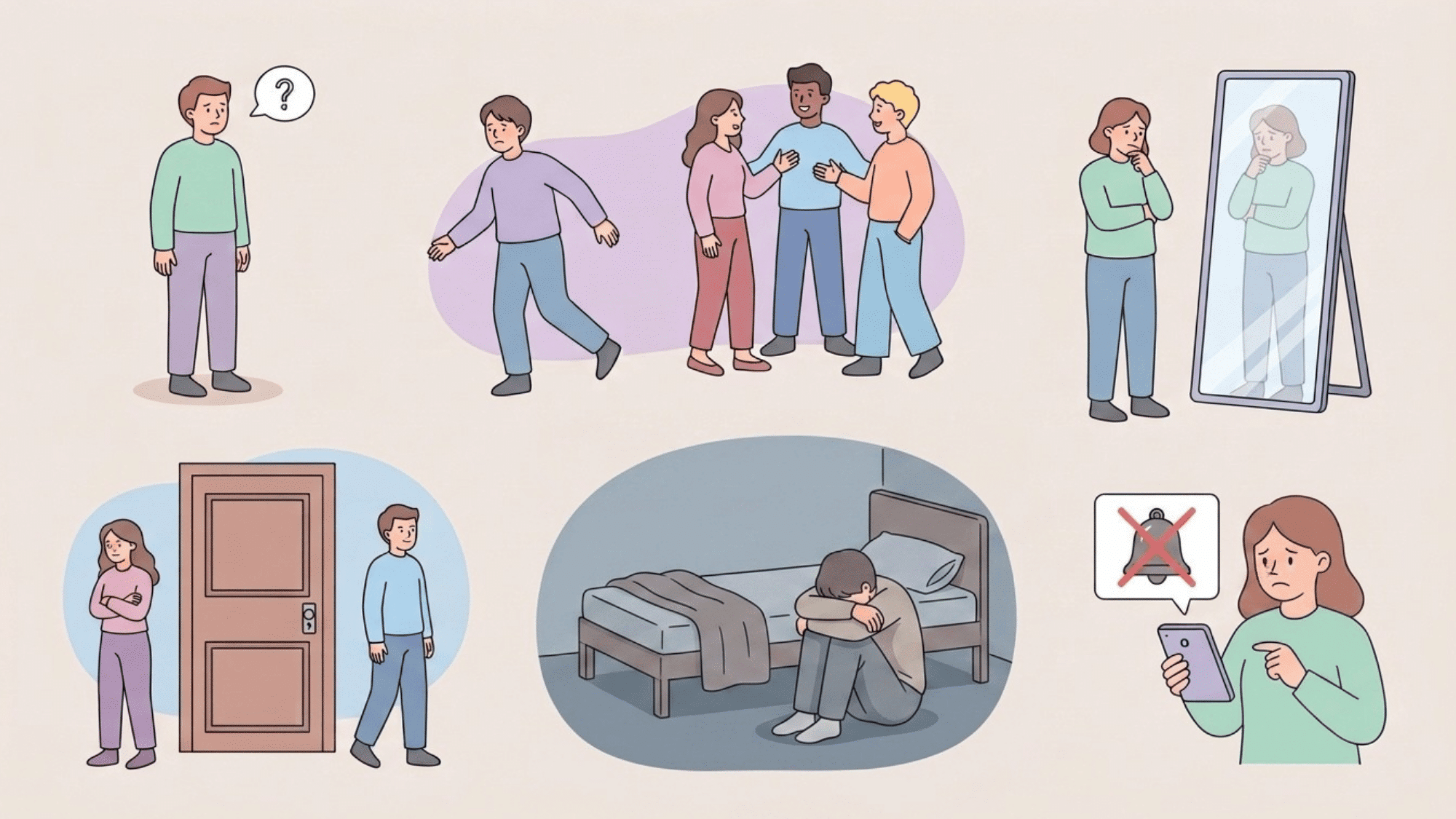
The experiences connected with this condition can affect emotions, relationships, and decision-making. Not everyone experiences every symptom, and the intensity can vary from person to person.
1. Fear of Criticism or Rejection
A person may spend a lot of time worrying about how others perceive them. Even small comments or disagreements can feel deeply personal.
This fear may lead someone to avoid conversations, activities, or situations where they believe they could be criticized.
A Day-to-Day Example: Turning down a friend’s invitation to a group dinner because a joking comment last time still replays in your head weeks later.
2. Feelings of Inadequacy
Many people struggle with persistent thoughts that they are not good enough, capable enough, or interesting enough compared with others.
These beliefs can influence how they approach relationships.
They may underestimate their abilities, dismiss positive feedback, or assume others are more confident and successful. Over time, this negative self-image can reinforce avoidance.
A Day-to-Day Example: Getting a strong performance review at work but assuming your manager was just being polite, not sincere.
3. Difficulty Building Close Relationships
People with this condition may desire emotional closeness while also fearing vulnerability or rejection. They may hold back from relationships until they feel completely accepted.
Even when they want meaningful connections, worries about being disliked or judged can make it difficult to open up.
A Day-to-Day Example: Liking a coworker and wanting to be friends, but never suggesting plans outside work in case they’d say no.
4. Avoiding New Experiences
Trying something unfamiliar may feel risky because mistakes or failure can trigger intense embarrassment or self-criticism.
This may affect hobbies, career opportunities, or personal goals.
A person may avoid taking chances, speaking up, or trying activities where their abilities could be evaluated. While avoidance may reduce anxiety in the moment, it can also limit confidence-building experiences.
A Day-to-Day Example: Skipping a promotion opportunity that means presenting to a team, even though you’re qualified, because the thought of being watched and judged feels unbearable.
5. Strong Sensitivity to Negative Feedback
Feedback that others view as minor may feel extremely painful or discouraging. A person may replay conversations repeatedly, questioning if they said or did something wrong.
This heightened sensitivity can make criticism feel like a reflection of their entire self-worth rather than a specific behavior or situation.
A Day-to-Day Example: Replaying a roommate’s offhand comment about dishes for days, convinced it means they secretly think you’re a bad roommate.
Causes of Avoidant Personality Disorder
There is no single reason why someone develops avoidant personality disorder. According to the NIH’s National Library of Medicine, several factors are believed to contribute to its development, including genetic predisposition, childhood experiences, and environmental influences
| Factor | How It May Contribute |
|---|---|
| Genetics and temperament | A naturally sensitive temperament may increase emotional responses to stress, criticism, or rejection. |
| Childhood experiences | Rejection, neglect, harsh criticism, or unstable relationships may affect self-esteem and trust. |
| Social experiences | Bullying, exclusion, or repeated negative interactions may increase fear of judgment over time. |
How is Avoidant Personality Disorder Diagnosed?
Diagnosis involves a detailed evaluation by a qualified mental health professional. There is no single test that can confirm the condition. Professionals may assess the following:
- Emotional reactions to criticism or rejection
- Patterns of avoiding social situations
- Confidence and self-image
- Relationship difficulties
- Impact on work, education, or daily responsibilities
Note: The DSM-5-TR provides diagnostic criteria that mental health professionals use to assess avoidant personality disorder symptoms and their impact on daily functioning.
Treatment Options for Avoidant Personality Disorder

Treatment often works best when it’s personalized to the individual. A mental health professional may recommend a combination of therapy, coping strategies, and support based on a person’s experiences and goals.
- Cognitive Behavioral Therapy (CBT): CBT can help identify unhelpful beliefs and develop more balanced responses to social fears.
- Schema Therapy: This approach focuses on deeply rooted beliefs about self-worth, rejection, and relationships.
- Exposure-Based Approaches: Gradual exposure can help someone practice facing feared situations in manageable steps.
- Medication Support: There is no medication specifically approved for avoidant personality disorder, but a professional may prescribe medication to manage related concerns such as anxiety or depression.
- Social Skills Training: Supports the development of communication skills, confidence in interactions, and comfort in social situations.
When Should You Seek Professional Support?
Seeking support may be helpful when fear of rejection, criticism, or judgment begins to affect important areas of life, such as relationships, career choices, or personal goals.
Professional help may be worth considering if someone feels isolated despite wanting connections, avoids social situations, or struggles to accept feedback from others.
Support can also help when low self-worth, fear of failure, or avoidance of important opportunities begin to limit everyday choices and future plans.
Let Me Tell You Daily Strategies that May Genuinely Help
I’ve compiled these strategies to help people understand the fears and beliefs underlying avoidance and develop healthier ways to handle social situations, relationships, and self-doubt.
- Take Gradual Social Steps: Small, manageable interactions can feel more achievable than forcing major changes quickly.
- Challenge Negative Self-Talk: Questioning harsh assumptions can help create a more balanced view of oneself.
- Track Emotional Patterns: Writing down triggers and reactions may help identify recurring fears.
- Strengthen Supportive Relationships: Healthy connections can provide encouragement and reduce the fear of rejection or judgment.
Wrapping it Up
Avoidant personality disorder can influence the way a person views themselves, approaches relationships, and responds to everyday challenges.
With the right support, many people can develop stronger coping skills, improve self-confidence, and create more comfortable social connections.
I believe recognizing these patterns can be the first step toward developing healthier ways of responding when fear arises and receiving support that aligns with someone’s experiences.
Frequently Asked Questions
Can Avoidant Personality Disorder Improve with Therapy?
Yes. Therapy can help people understand emotional patterns, develop coping skills, and improve relationships over time.
Is Avoidant Personality Disorder the Same as Social Anxiety?
No. Both involve fear of social situations, but avoidant personality disorder includes broader patterns involving self-image, relationships, and long-term personality traits.
Is Avoidant Personality Disorder Common?
Personality disorders affect a portion of the population, though exact rates vary depending on research methods and diagnostic criteria.