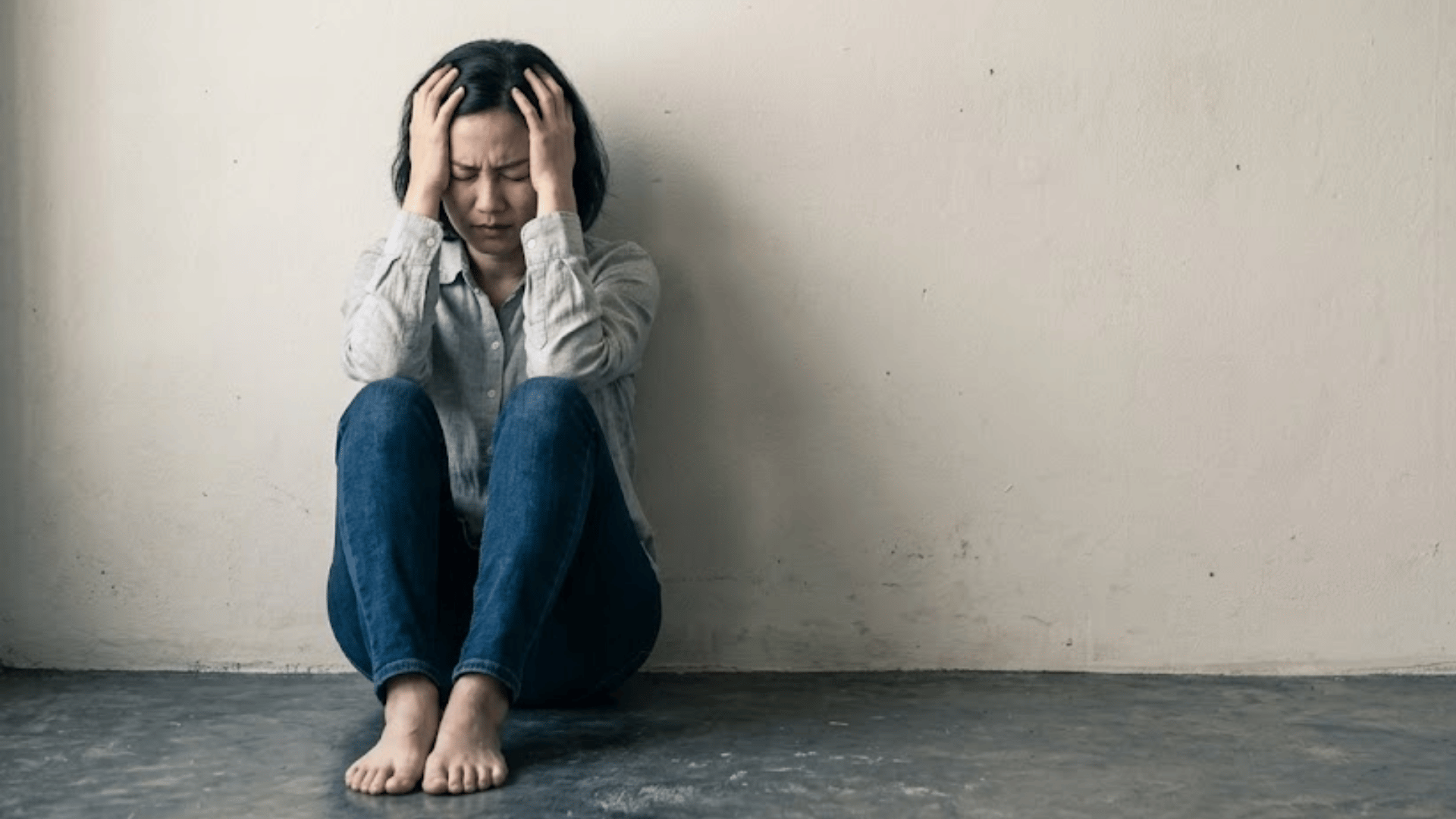

You get through a full day at work, answer every email, and somehow can’t remember a single conversation you had.
A small thing, a text that takes too long to get a reply, sets off a reaction that feels bigger than the moment calls for.
Some days you’re just tired. Other days you’re running on autopilot, doing what needs to get done without actually feeling present for any of it.
These moments come up in different ways for different people, at work, in relationships, after a hard year, or during an ordinary week that somehow still feels like too much.
In this blog, I’ll explain what survival mode means and why the body and mind fall into it in the first place.
What Happens When Your Mind Enters Survival Mode?
Survival mode occurs when the mind stays focused on getting through stress instead of feeling calm and secure. The National Institute of Mental Health explains that fear activates the body’s fight-or-flight response.
The brain becomes highly alert and starts watching closely for possible danger. Thoughts may feel rushed, repetitive, scattered, or difficult to control.
Planning, concentrating, sleeping, and managing emotions can require more effort. Professional support may help when these feelings persist or interfere with daily life.
“Survival mode” is an informal term for feeling mentally and physically stuck in a prolonged stress response. When the brain senses danger, it activates the body’s fight-or-flight system to prepare for immediate action.
What Causes Survival Mode?
Survival mode develops when the body faces stress it cannot resolve or escape, keeping the nervous system activated long after the original trigger.
- Chronic work pressure: Ongoing deadlines or financial strain that leave no real time to recover.
- Unresolved grief: Loss that has not been processed fully still weighs on the mind, sometimes tangled up with the kind of burnout and emotional emptiness that gets missed because it doesn’t look like exhaustion.
- Childhood trauma: Early experiences of neglect or instability that shape long-term stress responses.
- Burnout: Extended periods of overworking without adequate rest.
- Unsafe environments: Living or working in conditions that feel unpredictable or threatening.
- Relationship conflict: Ongoing tension at home or with people close to you.
Some Symptoms of Survival Mode

Survival mode symptoms appear in four areas: the body, emotions, thoughts, and behavior, often building gradually and going unnoticed at first.
1. Physical Symptoms
The body often carries constant tension, especially in the shoulders, jaw, or stomach. Sleep may become light or disrupted, and fatigue can persist even after rest.
Headaches, digestive issues, and a racing heart are also common, as the body stays prepared for a threat that never fully passes.
2. Emotional Symptoms
Irritability and a short temper often surface, even over minor issues. Some people feel emotionally numb or distant, while others feel constantly on edge.
Sadness, anxiety, or a sense of hopelessness can also build quietly, making it harder to feel settled or at ease.
3. Behavioral Symptoms
Isolation becomes common, as socializing feels like more effort than it is worth. Procrastination or overworking often increases, depending on how a person copes with pressure.
Some also notice trouble making decisions or a growing reliance on habits that offer short-term relief, like overeating or excess screen time.
4. Cognitive Symptoms
Concentration often becomes difficult, with thoughts feeling scattered or hard to organize.
Memory lapses are common, along with a persistent mental fog that makes simple tasks feel demanding, a pattern that overlaps with how irrational thoughts and stress tend to feed off each other.
Decision-making can feel overwhelming, as the mind stays focused on immediate concerns rather than clear, longer-term thinking.
5. Social Symptoms
Trust in others may weaken, making it harder to open up or rely on support. Conversations can feel draining, leading many to withdraw from friends or family.
Small conflicts may feel larger than they are, straining relationships that once felt steady and easy.
Is Survival Mode the Same as Anxiety or Depression?
Survival mode shares traits with anxiety and depression, but it is a stress response rather than a diagnosable condition, with its own distinct pattern.
|
Aspect |
Survival Mode |
Anxiety |
Depression |
|---|---|---|---|
|
Nature |
Stress response to prolonged pressure |
Recognized anxiety disorder |
Recognized mood disorder |
|
Trigger |
Ongoing or unresolved stress |
Often unclear or unpredictable |
May develop without any clear cause |
|
Core feeling |
Alertness and urgency |
Worry and fear |
Persistent sadness and low energy |
|
Duration |
Often improves once stress eases |
Can linger regardless of stress levels |
Can continue for weeks or months |
|
Treatment |
Self-regulation and lifestyle changes |
Therapy, medication, or coping strategies |
Therapy, medication, or long-term support |
How to Get Out of Survival Mode
Getting out of survival mode starts with calming the nervous system and rebuilding habits that support safety, rest, and steady thinking, rather than gradually shifting the body away from constant alertness.
1. Regulate Your Nervous System
Slow, deep breathing signals safety to the brain and helps lower cortisol levels, easing the body out of a heightened state.
Grounding techniques, like noticing five things around you or pressing your feet firmly into the floor, can also ease physical tension in the moment.
Note: Even a few minutes of intentional stillness each day, practiced consistently, can gradually shift the body away from gradually shift the body away from constant alertness and toward a calmer baseline over time.
2. Practice Self-Compassion
Speaking to yourself with patience, rather than criticism, helps ease the internal pressure that keeps stress active long after the original trigger has passed.
Acknowledging difficulty without judgment allows the mind to relax slightly, rather than adding self-blame to an already heavy load.
Small acts of kindness toward yourself, especially during hard moments, can slowly rebuild a sense of safety, making it easier to respond to challenges without added strain.
3. Rebuild Basic Self-Care
Consistent sleep, regular meals, and gentle movement help restore the body’s natural rhythm, which often becomes disrupted during prolonged stress.
These habits are usually the first to slip when energy is limited, yet they play a central role in how the nervous system regulates itself.
Reintroducing them gradually, rather than all at once, gives the body steady, repeated signals that it is safe to rest, digest, and recover fully.
4. Set Small Boundaries
Saying no to extra demands, even briefly, reduces the load placed on a system that is already working harder than it should.
Boundaries don’t need to be dramatic or confrontational to be effective; small, clear limits often have the most lasting impact.
5. Reduce Overstimulation
Constant noise, screens, or multitasking keep the brain in a heightened state longer than necessary. Cutting back on unnecessary input, even for short stretches, gives the nervous system a chance to settle.
Quiet, low-stimulation breaks throughout the day help the mind shift out of alert mode more easily.
When Should You See a Professional?
Professional support is worth considering when survival mode symptoms persist for weeks, disrupt daily functioning, or fail to ease with self-directed steps.
- Symptoms last several weeks without improvement, even after rest or lifestyle changes
- Daily functioning suffers, including work performance, relationships, or basic routines
- Physical health declines, with ongoing sleep, digestive, or cardiovascular issues
- Emotional numbness or hopelessness sets in and does not lift
- Coping relies on unhealthy habits, such as substance use or extreme avoidance
- Past trauma resurfaces, making self-management alone difficult
|
Where to seek help: Start by speaking with a licensed mental health professional. The NIMH stress and anxiety fact sheet recommends professional help when symptoms persist or become difficult to manage. If you’re in crisis or need immediate emotional support, you can find your local crisis service through Find A Helpline. |
The Bottom Line
Living with the reality behind survival mode means prolonged stress takes a toll that builds quietly over time.
Noticing survival mode symptoms early and knowing how to get out of survival mode does not require dramatic change, only small, steady steps taken consistently.
Give yourself the same patience you would offer someone else facing this. If it feels too heavy to manage alone, reaching out for support remains a reasonable and worthwhile step.
Frequently Asked Questions
How Long Does Survival Mode Last?
Duration varies by person and depends on how long the underlying stress continues without relief. It can last weeks or extend for years if the root cause remains unaddressed.
Can Survival Mode Affect Relationships?
Yes, it often does. Shifting constant alertness can make a person more irritable, withdrawn, or less patient, which can strain connections with partners, family, or friends.
Can Children Experience Survival Mode?
Yes, children can enter this state, particularly after neglect, instability, or repeated exposure to stressful environments during early development.