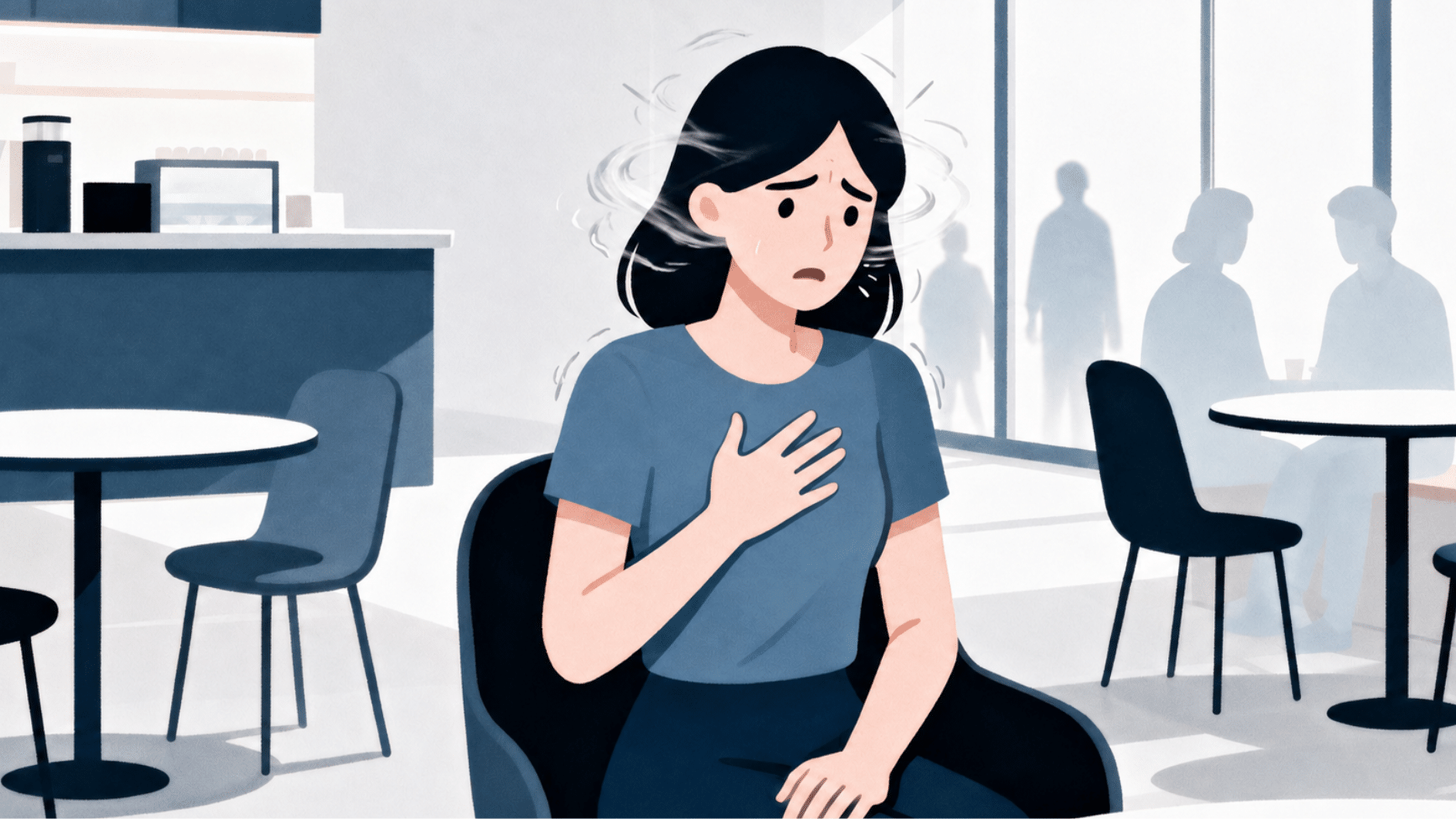

A quiet teen in your therapy circle isn’t being difficult. She’s waiting for a question that actually feels safe to answer.
I’ve run enough teen groups to know the difference between a session that falls flat and one where kids actually open up usually comes down to one thing: the questions you ask.
The right therapy questions for teens turn silence into real conversation, and they work just as well as everyday conversation starters for kids at home or in the classroom.
Why Group Therapy Questions Work Differently for Teens?
Teens process trust differently than adults do, and a question that feels safe to a forty-year-old can feel like an interrogation to a fifteen-year-old, especially in front of peers.
Group therapy questions for teens work when they respect that gap: open-ended enough to invite honesty, specific enough to avoid a one-word answer.
Adolescents are also more aware of judgment from the group than from the therapist. A question that lets them choose how much to share, rather than demanding a full answer, usually goes further.
That small shift in wording often decides whether a teen opens up or shuts down.
These questions work best for teens ages 13 to 17, the developmental range most clinical literature treats as a single stage, distinct from younger children and adults.
Therapy Questions for Teens (by Theme)
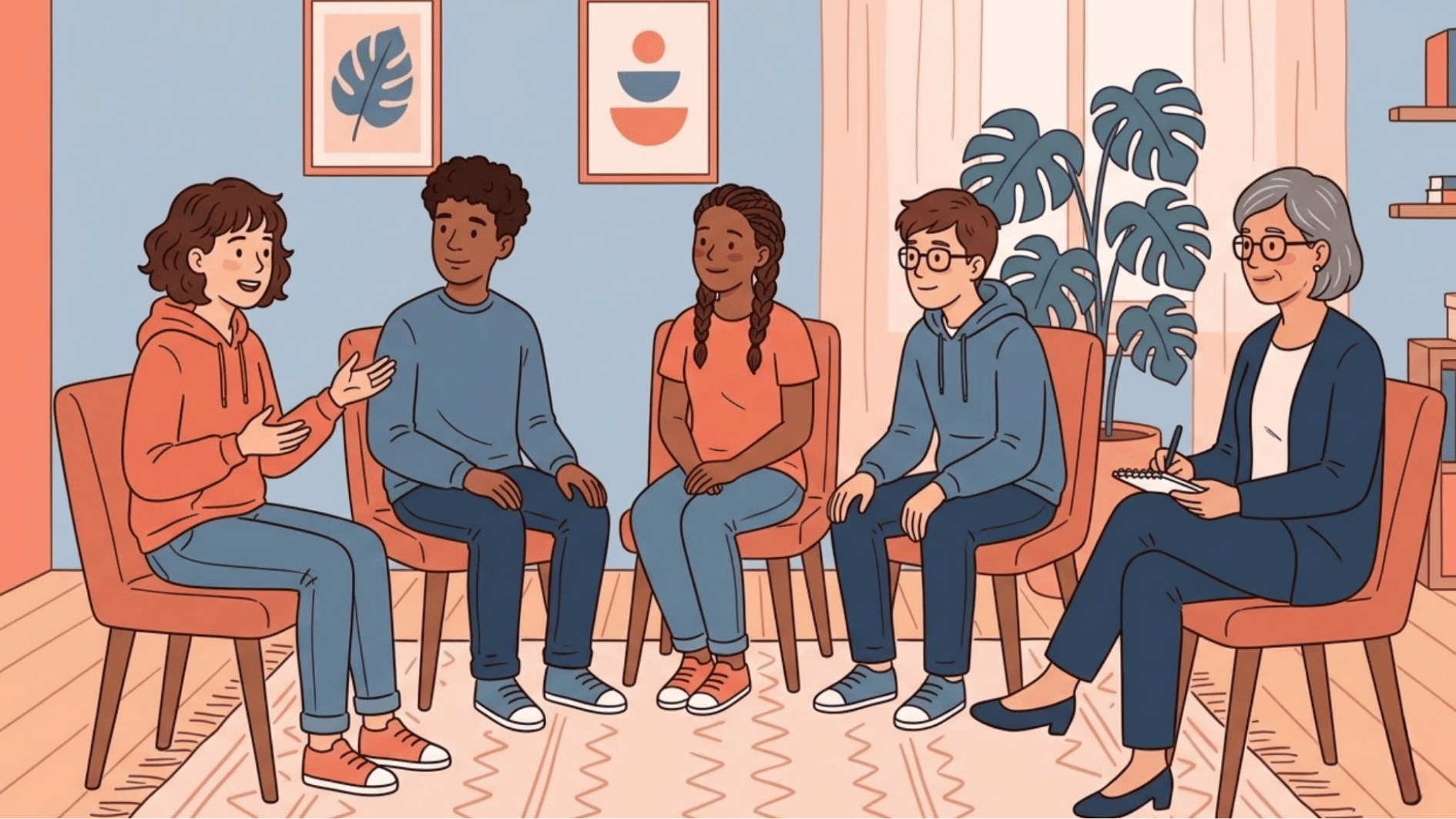
Every group session works better with a mix of easy and hard questions. These themes move from light to deep, so you can shape the conversation as trust builds.
Icebreakers and Getting to Know Each Other
- What’s something people usually get wrong about you at first?
- If you had a free Saturday with no plans, what would you do?
- What’s a small thing that made you smile this week?
- Who’s someone you trust, and what makes them easy to talk to?
- What’s your favorite way to spend time alone?
- If you could skip one class forever, which one and why?
- What’s something you’re better at than most people realize?
- What’s a rule at home you actually agree with?
- What’s one thing you’d want the group to know about you today?
- If you could trade lives with anyone for a day, who would it be?
Identifying and Naming Emotions
- What does anger feel like in your body before you even notice you’re angry?
- When was the last time you felt really proud of yourself?
- What’s a feeling you have a hard time putting into words?
- How do you know when you’re actually sad versus just tired?
- What helps you calm down when your emotions feel too big?
- Is there a feeling you try to hide from other people?
- What’s something that made you feel embarrassed recently, and how did you handle it?
- When do you feel most like yourself?
- What’s the difference between how you feel and how you act on it?
- If your mood had a weather forecast today, what would it be?
Stress, Anxiety and Overwhelm
- What’s something that’s been weighing on you lately?
- How do you know when stress is starting to build up?
- What’s the hardest part of your day, most days?
- Do you ever feel anxious for no clear reason? What’s that like?
- What’s one thing that helps, even a little, when you’re overwhelmed?
- How do you tell the difference between normal nerves and something bigger?
- What’s something you worry about that you think people would be surprised by?
- When do you feel most in control of a stressful situation?
- What’s a thought that keeps showing up when you’re anxious?
- How do you know when it’s time to ask someone for help?
Self-Esteem and Identity
- What’s something about yourself you’re still figuring out?
- When do you feel most confident?
- What’s a compliment you’ve gotten that actually stuck with you?
- Is there a part of your identity you feel like you have to explain to people?
- What’s something you used to believe about yourself that isn’t true anymore?
- How do you talk to yourself when you make a mistake?
- What’s one thing you’d change about how you see yourself, if you could?
- Who influences how you see yourself the most?
- What’s something you’re proud of that has nothing to do with grades or achievements?
- If you described yourself in three words, what would they be?
Friendships and Peer Relationships
- What makes a friendship feel real to you?
- Have you ever had to walk away from a friendship? What led to that?
- What’s something you wish your friends understood about you?
- How do you handle it when a friend lets you down?
- What’s the difference between fitting in and actually belonging?
- Do you find it easy or hard to say no to friends?
- What’s a friendship you’re grateful for right now?
- How do you know when someone actually has your back?
Family Dynamics and Communication
- What’s something you wish you could tell your parents but haven’t?
- How does your family usually handle disagreements?
- Who in your family do you feel most understood by?
- What’s a family rule that feels unfair to you right now?
- How has your relationship with your parents changed as you’ve gotten older?
- What’s something your family does that you’d want to keep doing when you’re older?
- Do you feel like you can be honest at home? Why or why not?
- What’s one thing you wish your family asked you more often?
Social Media, Screens and Comparison
- How do you feel after scrolling for a while, most of the time?
- Have you ever compared your life to someone else’s online? What happened after?
- What’s something you’ve seen online that made you feel worse about yourself?
- How do you decide what’s worth posting versus keeping private?
- Do you feel like you can be yourself online, or do you act differently?
- What would change if you took a week off social media?
- Has anything you’ve seen online ever caused a conflict with a friend?
- What’s one account or space online that actually makes you feel good?
Coping Skills and Inner Strength Building
- What’s something hard you’ve gotten through that you’re proud of?
- What do you usually do first when things start to feel like too much?
- Who do you turn to when you need support?
- What’s a coping strategy you’ve tried that didn’t work for you?
- What’s something small you can do today that future-you would thank you for?
- How do you bounce back after a bad day?
- What’s the difference between avoiding a problem and actually coping with it?
- What helps you feel grounded when everything feels chaotic?
- What’s one thing you’ve learned about yourself from a hard time?
- Who taught you the coping skills you use now, if anyone?
Processing Difficult Experiences
- Is there something from your past that still affects how you feel today?
- What helps you feel safe when a hard memory comes up?
- How do you usually respond when something reminds you of a difficult time?
- What’s something you needed to hear during a hard period that you didn’t get?
- What strengths have carried you through your hardest moments?
- Who has helped you feel supported through something difficult?
- What does healing look like to you, even in small steps?
- Is there a memory you’re still working through in your own time?
Looking Forward: Goals, Hopes and Motivation
- What’s something you’re looking forward to, even something small?
- Where do you see yourself a year from now?
- What’s a goal you haven’t told anyone about?
- What would it take for you to feel proud of this year?
- What’s one habit you’d like to build?
- What does a good future look like to you right now?
School and Academic Pressure Related Questions
- What’s the part of school that drains you the most, even if your grades look fine?
- Do you feel like your worth is tied to your grades? Where do you think that came from?
- What happens in your head right before a test you’re worried about?
- Is there a subject or teacher that makes school harder than it needs to be? What’s going on there?
- How do you talk to yourself after you get a grade you didn’t want?
- Do your parents’ expectations about school match what you actually want for yourself?
- What would change about school if no one was keeping score?
- Have you ever felt like you were falling behind everyone else? What did that feel like?
- What’s one thing about how school is set up that you’d change if you could?
- Who notices when you’re struggling with school before you say anything?
Lighter / Fun Closing Questions
- If you could have any superpower for a day, what would you pick?
- What’s the most useless talent you have?
- What’s a song that instantly puts you in a good mood?
- If your life had a theme song, what would it be?
- What’s the best meal you’ve ever had?
- Would you rather read minds or predict the future?
- What’s something that always makes you laugh?
- If you could teleport anywhere right now, where would you go?
How to Facilitate These Questions the Right Way
These questions work best with a little structure. A few small facilitation habits make the difference between a flat session and one where teens actually talk.
- Set Group Norms First: Agree on confidentiality and respect before asking any questions.
- Start Light, Then Go Deeper: Ease into harder topics only once trust has had a chance to build.
- Let Teens Choose How Much to Share: Never push for a full answer if they’re hesitant.
- Sit with Silence: Give a few quiet seconds before rephrasing or moving on.
- Adjust Wording to The Group: Match the language to their age and comfort level, not just the topic.
- Watch Body Language: Notice how a question lands, not just what’s said in response.
- Close on a Lighter Note: End the session so no one leaves carrying a heavy feeling.
Keeping the Group Safe (Consent, Confidentiality and Care)
Running a teen group comes with real responsibility, and a few practices keep it safe for everyone involved. Consent matters as much as attendance.
Teens should know they can pass on any question without explaining why, and you should restate confidentiality at the start of every session, not just the first.
Watch for signs of distress during heavier topics.
A teen going quiet or tearing up needs a pause, not another question, and any disclosure should be met with a plan you already know, not one you figure out mid-session.
Keep airtime balanced across the group, and check in with anyone who seemed shaken before they leave the room.
The Bottom Line
A good group session rarely comes down to luck. It comes down to preparation, and the right questions are part of that preparation.
If you’re using therapy questions for teens in a clinical group or borrowing simpler conversation starters for kids in a classroom, the same principle holds: ask with curiosity, leave room for silence, and let the teen decide how much to share.
Keep this list nearby, adjust it to your group, and trust that the right question at the right moment can open a door that structure alone never could.