Feeling low for a few days is normal, but feeling low for weeks with no clear reason and no sign of lifting is clearly something else.
Anyone who turns to the internet for answers will likely come across the term “unipolar depression”.
The label appears often, but rarely with a simple and clear explanation. Is it the same as ordinary depression? Does it have anything to do with bipolar? And why does the label matter at all?
Here’s what unipolar depression actually means, and how it differs from similar conditions.
Disclaimer: This blog is for informational purposes only and is not a substitute for professional medical advice, diagnosis, or treatment.
What is Unipolar Depression?
It is a mental health condition marked by periods of persistent low mood, sadness, or loss of interest in once enjoyable activities.
The term is commonly used to describe major depressive disorder (MDD), also known as clinical depression.
The word “unipolar” refers to a single direction of mood: low.
The condition can occur as a single depressive episode or return at different points in a person’s life.
How is Unipolar Depression Different From Bipolar Depression?
Both conditions involve depressive episodes but differ in several ways. The main distinction is whether a person has experienced mania or hypomania, which are periods of unusually elevated or irritable mood and increased energy
|
Features |
Unipolar Depression |
Bipolar Depression |
|---|---|---|
|
Mood episodes |
Depressive episodes only. |
Depressive episodes with mania or hypomania. |
|
Energy and activity |
Low energy and motivation. |
Low during depression, unusually high during mania or hypomania. |
|
Diagnosis |
Based on depressive symptoms and history. |
Made as part of a bipolar disorder diagnosis, based on a history of depressive and manic or hypomanic episodes. |
|
Treatment |
Often involves therapy and antidepressants. |
Often involves mood stabilizers and certain antipsychotics. |
The NIMH bipolar disorder guide notes that antidepressants taken without a mood stabilizer can set off a manic episode, so telling a doctor about any period of unusually high energy or little need for sleep, even a brief one, helps guide safer treatment.
|
Want to understand bipolar better? See how a person with bipolar thinks |
|---|
Causes and Risk Factors of Unipolar Depression
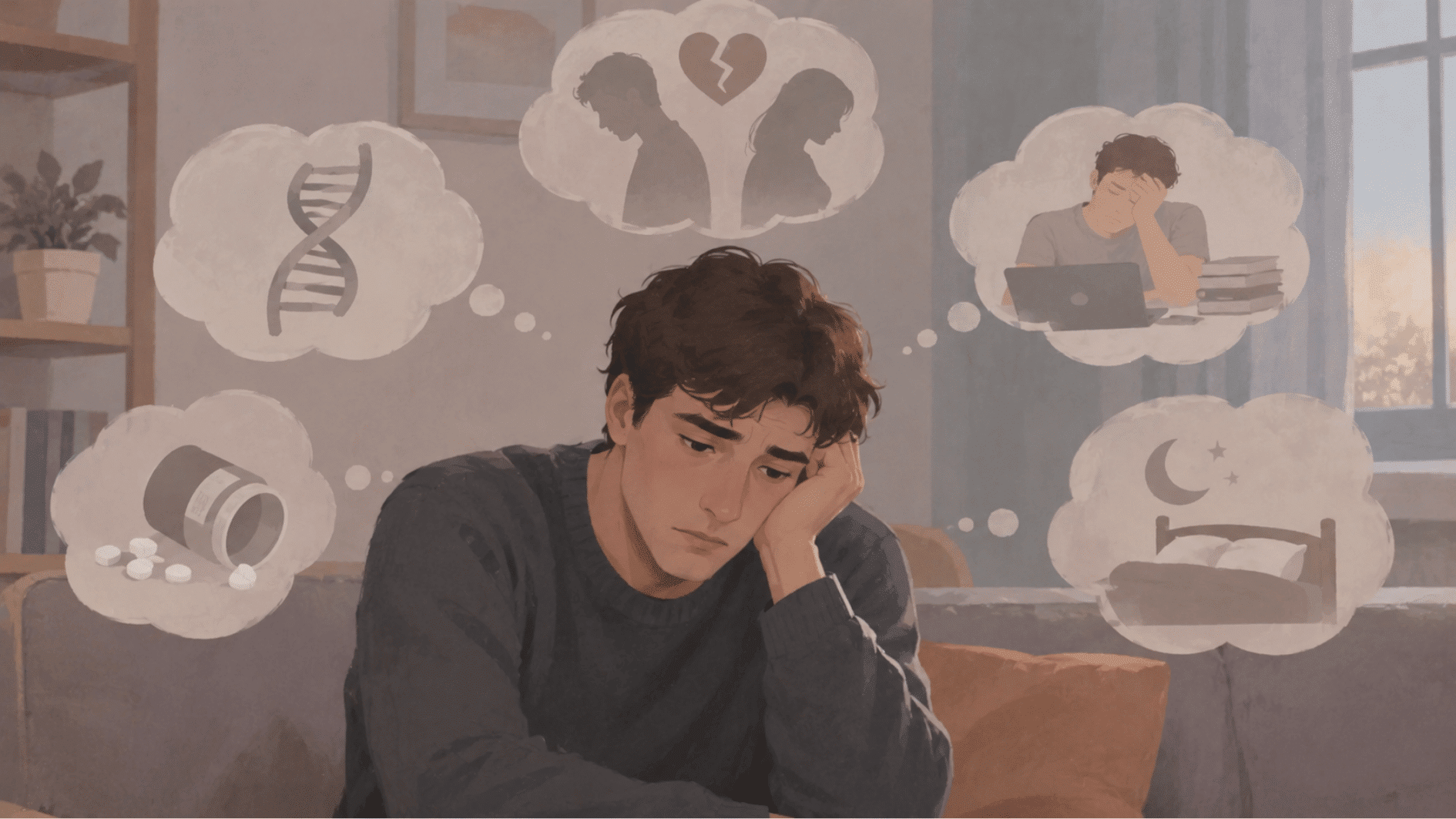
It can develop due to a combination of biological, genetic, psychological, and environmental factors.
-
Genetic Factors: A family history of depression raises a person’s risk of developing unipolar depression. Inherited traits may shape how the brain responds to stress and regulates mood.
-
Brain Chemistry and Function: Chemicals that help regulate mood, such as serotonin, norepinephrine, and dopamine, may play a role in depression.
-
Hormonal Changes: Shifts during pregnancy, after childbirth, and around menopause can bring on a depressive episode in some people. Thyroid problems can cause similar symptoms, which is why doctors check for them.
-
Stressful Life Events: Losing a loved one, divorce, financial difficulties, unemployment, or relationship problems can contribute to depression.
-
Childhood Trauma and Adverse Experiences: Abuse, bullying, or family conflict in childhood may increase the risk of depression later in life. These experiences can affect emotional development, self-esteem, and how a person responds to stress.
-
Chronic Medical Conditions: Diabetes, cancer, heart disease, and chronic pain are linked with depression, and each can make the other worse. The physical discomfort, emotional strain, and lifestyle changes that come with these conditions may affect mental well-being.
Common Symptoms of Unipolar Depression
It can affect mood, sleep, appetite, energy, and concentration. Symptoms may develop gradually and interfere with work, relationships, and daily routines.
Persistent Sadness or Emptiness
A low mood may last most of the day, nearly every day. It can come with hopelessness, irritability, or a feeling of emptiness inside, and may continue even when things are going well.
Loss of Interest in Daily Activities
Hobbies and time with friends or family may no longer feel enjoyable. This loss of interest or pleasure is called anhedonia, a core symptom of depression.
Constant Fatigue and Low Energy
Simple tasks like cooking, showering, or finishing work may take extra effort. The tiredness can last all day.
Changes in Sleep and Appetite
Depression can cause trouble falling asleep, waking often or too early, or sleeping more than usual. Appetite may also drop or increase, leading to unintended weight loss or gain.
Feelings of Worthlessness or Guilt
Some people feel worthless or guilty, often over small mistakes or things outside their control.
Difficulty Concentrating or Making Decisions
Focusing, remembering details, and making even small decisions may feel harder than usual.
Thoughts of Death or Suicide
Some people have thoughts about death, suicide, or self-harm. These need prompt professional attention, even without other symptoms.
Call or text 988 for immediate support. If there is immediate danger, call 911 or go to the nearest emergency room.
How is Unipolar Depression Diagnosed?
It is diagnosed through a clinical evaluation by a qualified healthcare professional.
1. Clinical Interview and Medical History
The doctor asks about current symptoms, when they started, how often they occur, and how they affect daily life.
They may also review previous depressive episodes, family medical history, current medications, alcohol use, and existing health conditions.
Questions about past mood changes help check for possible signs of bipolar disorder.
2. Assessment of Diagnostic Criteria
Doctors use established diagnostic criteria to check whether symptoms meet the requirements for major depressive disorder (MDD).
They assess the number of symptoms, how long they have lasted (usually at least two weeks), and whether they affect work, relationships, or daily activities.
3. Mental Health Screening
Doctors may use screening tools, such as the Patient Health Questionnaire-9 (PHQ-9), to assess depressive symptoms and their severity.
The questionnaire covers mood, sleep, appetite, energy, and concentration. Its results help guide further assessment but cannot confirm a diagnosis on their own.
4. Physical Examination and Laboratory Tests
A physical examination or blood tests may be recommended to rule out medical conditions that cause similar symptoms.
For example, thyroid disorders can affect mood, energy, and concentration. These tests do not diagnose unipolar depression but help identify other possible causes of the symptoms.
Now, How is Unipolar Depression Treated?

Treatment plans may need adjustments over time. Regular follow-up appointments help doctors assess progress, manage side effects, and determine whether changes are necessary.
-
Psychotherapy: A common approach, cognitive behavioral therapy (CBT) helps identify negative thinking patterns and develop healthier coping strategies. Interpersonal therapy (IPT) focuses on relationship difficulties and emotional challenges.
-
Antidepressant Medications: Doctors may prescribe medications such as SSRIs or SNRIs to manage depressive symptoms. These medicines usually take 4-8 weeks to show noticeable benefits and require medical supervision.
-
Combination Treatment: Psychotherapy and antidepressants may be used together, particularly for moderate to severe depression. This approach can be helpful when one treatment alone does not provide sufficient improvement.
-
Brain Stimulation Therapies: Treatments such as transcranial magnetic stimulation (TMS) and electroconvulsive therapy (ECT) may be considered for severe or treatment-resistant depression under specialist supervision.
-
Lifestyle and Supportive Care: Regular exercise, consistent sleep habits, balanced nutrition, and social support can complement medical treatment. These measures help support general well-being but should not replace prescribed care.
Final Thoughts
Getting the right support can make a real difference when dealing with unipolar depression. There is no need to wait until things become unbearable before asking for help.
Open conversations about mental health can also make it easier to seek support without feeling judged.
Anyone concerned about their own mental health or someone else’s should reach out to a qualified mental health professional to discuss next steps.
Frequently Asked Questions
Why Do People With Bipolar Disorder Push People Away?
During depressive episodes, a person may withdraw because of low energy or feelings of worthlessness. During manic episodes, irritability, impulsive behavior, or difficulty managing emotions may create distance from others.
What is a More Serious Condition, Bipolar or Unipolar Depression?
Neither condition is always more serious than the other. Both can cause significant distress and affect daily life. Their severity depends on symptoms, episode frequency, suicidal thoughts, and how well treatment works.
Should You Leave a Person With Bipolar Disorder Alone?
Not necessarily. Giving someone space can help when they feel overwhelmed, but complete isolation may make things harder. Staying supportive, respecting boundaries, and encouraging professional help when needed usually works better than complete isolation.