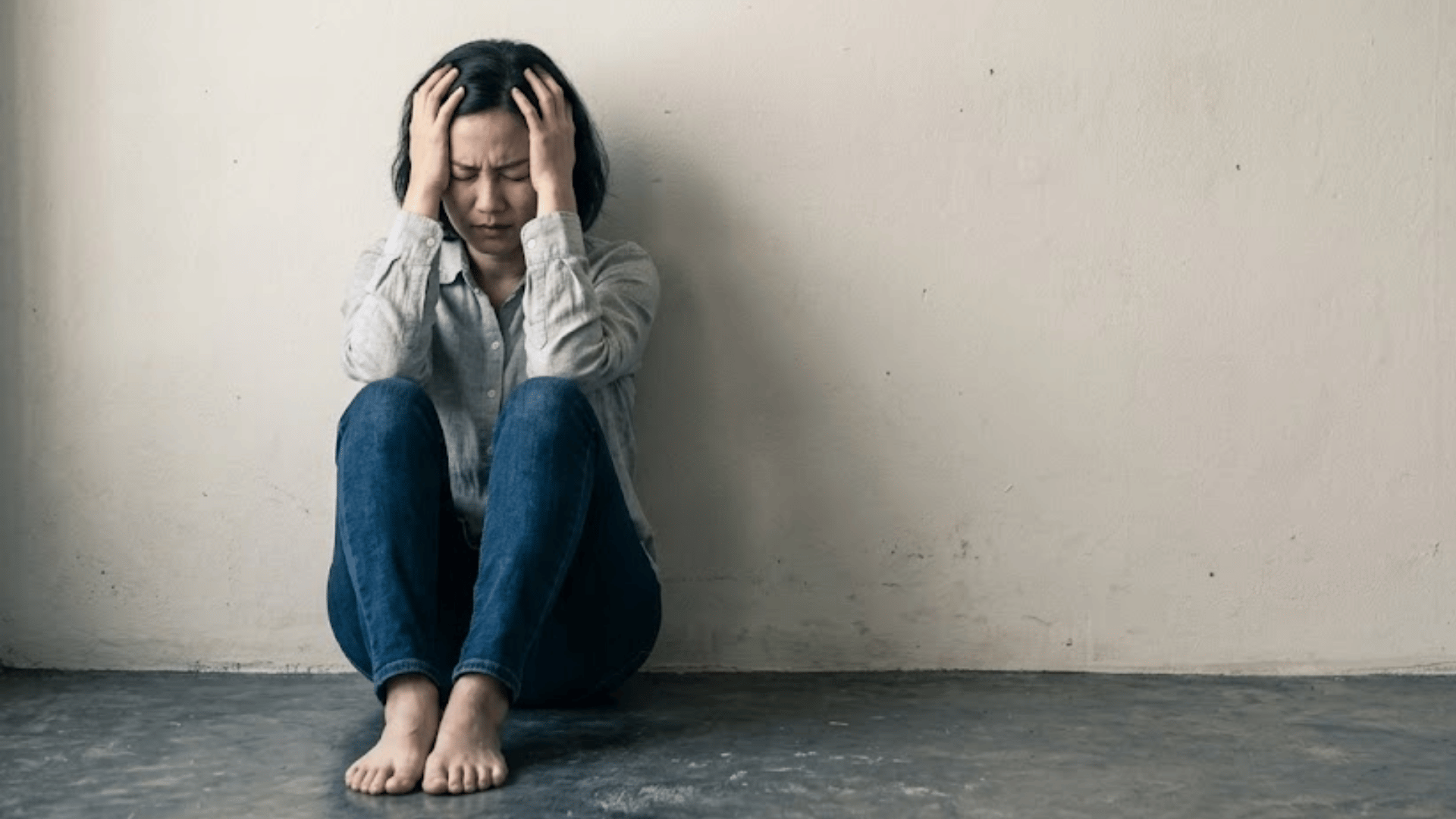
If there is one thing I have learned from years of sitting with people through their anxiety, it is this: it is not a flaw in you.
It is your brain trying to keep you safe, just a little too loudly. Many people quietly carry this weight for years without realizing help is within reach.
But there are coping skills for anxiety that can be learned and practiced.
This is not about “fixing” yourself. It is about giving your nervous system gentler ways to settle.
“You don’t have to control your thoughts. You just have to stop letting them control you.”— Dan Millman
How Do Coping Skills Help with Anxiety?
The pace of daily life can make it hard to feel truly calm. Phones buzz, news scrolls endlessly, and the pressure to keep up never quite stops.
For many people, anxiety has become a steady background rather than an occasional visitor.
That is exactly why coping mechanisms matter so much today. When your body senses a threat, real or imagined, it floods you with stress hormones like cortisol and adrenaline.
Your heart races, your breath shortens, and your thoughts spiral. You cannot simply think your way out of that state. This is exactly where coping skills do their quiet work.
They send a clear signal to your nervous system that you are safe. Best of all, these tools are free, always with you, and need no perfect routine.
Coping Skills to Reduce Stress and Anxiety
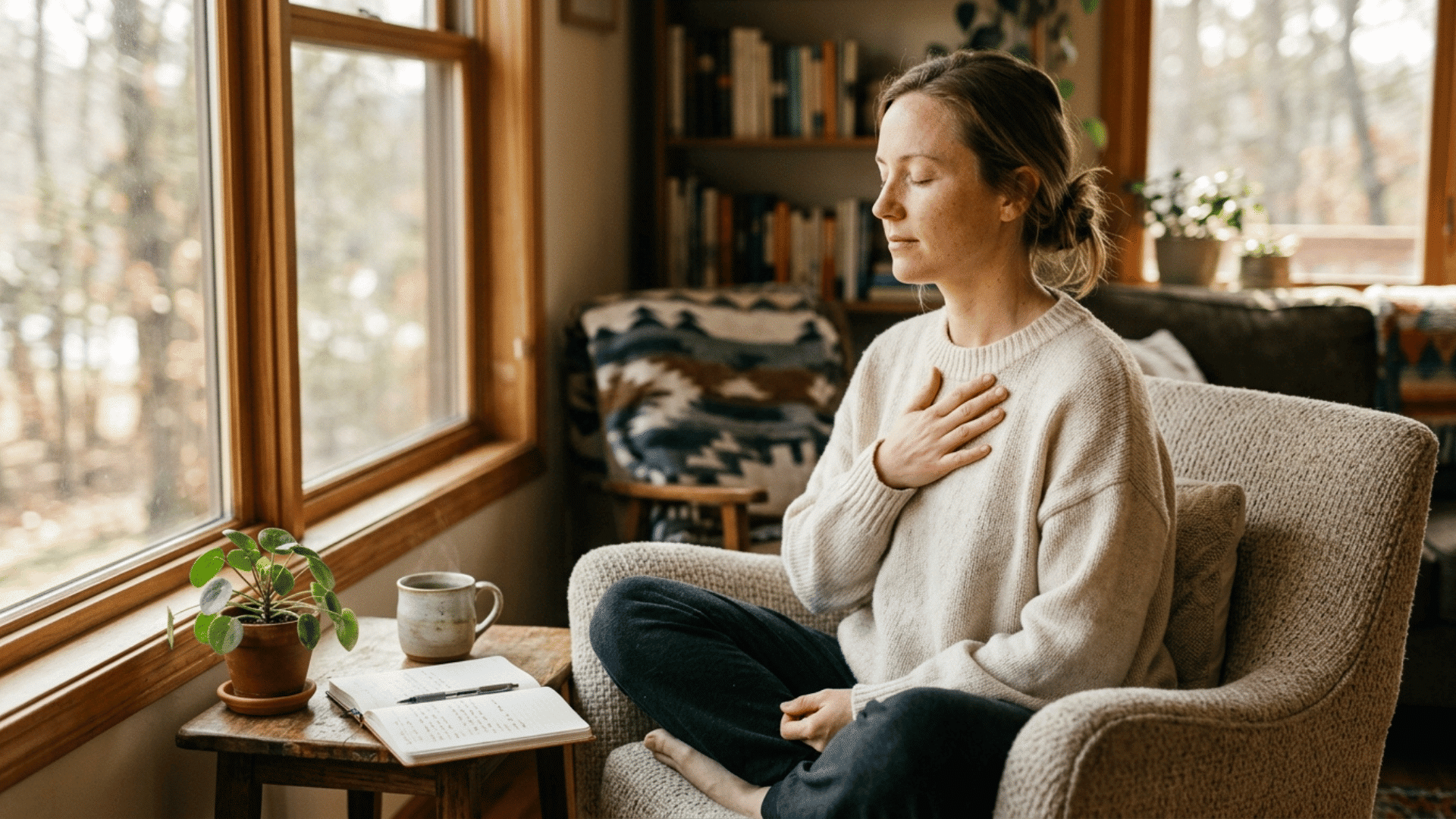
When anxiety spikes, these anxiety coping mechanisms work quickly because they speak to the body, not just the mind. Some calm you in seconds. Others build steadiness over weeks.
1. Box Breathing
Breathe in for 4 counts, hold for 4, breathe out for 4, hold for 4, then repeat for a minute or two.
Picturing the four sides of a square as you go keeps your focus on the rhythm instead of the worry. This steady pattern slows your heart rate and tells your brain the danger has passed.
2. The 4-7-8 Breath
Inhale quietly through your nose for 4, hold for 7, then exhale slowly through your mouth for 8.
The magic is in that long, drawn-out exhale, which activates the part of your nervous system responsible for rest and calm. Try it sitting or lying down.
3. The 5-4-3-2-1 Grounding Method
Slowly name 5 things you can see, 4 you can touch, 3 you can hear, 2 you can smell, and 1 you can taste. By making your senses do the work, you gently pull your attention back.
It is one of the simplest methods to interrupt a thought loop before it gathers speed.
4. Cold Water Reset
Splash cold water on your face, hold an ice cube, or press a chilled object to your wrists.
This taps into what is called the dive reflex, a built-in response that naturally lowers your heart rate when your face meets cold water.
It is a small trick with a surprisingly strong effect.
5. Move Your Body
Shake out your hands, roll your shoulders, stretch tall, or take a brisk two-minute walk.
Anxiety floods your body with energy meant for fight or flight, and gentle movement gives that energy somewhere to go.
6. Protect Your Sleep
Tired brains worry more because poor rest leaves your emotional control center running on empty. Aim for a steady bedtime since the blue light from phones keeps your mind alert.
A dark, cool room and a simple pre-sleep ritual signal to your body that the day is done.
7. Move Most Days
A daily walk, a bike ride, or a dance break in your kitchen all count. Regular movement burns off stress hormones and releases endorphins.
The body’s natural mood lifters. You do not need long sessions, just consistency, even 20 minutes most days. Choosing what you enjoy makes it easier to stick with.
8. Watch Caffeine and Alcohol
Caffeine speeds up your heart and can trigger the anxiety. While alcohol may feel soothing at first, it often worsens it.
Notice how your body responds to that second coffee or evening drink. Cutting back, even a little, frequently brings relief. Swapping in water or herbal tea is a gentle place to start.
9. Eat to Steady Your Mood
Whole grains, vegetables, fruit, fish, and nuts help keep your blood sugar, energy, and mood steady.
Skipping meals, on the other hand, can leave you shaky and on edge in a way that feels a lot like anxiety. You do not need a perfect diet or strict rules, just regular, nourishing fuel.
10. Set Limits on Doomscrolling
Endless streams of bad news and social comparison keep your threat system switched on long after you have put the phone down.
Try setting a daily time limit or keeping your phone out of reach during meals and the first hour of your day. Your mind needs quiet just as much as your body needs rest.
11. Journal Your Worries
Writing down what scares you takes it out of your head and onto paper, where it often looks smaller and more manageable.
The simple act of putting feelings into words helps your brain process them. There is no right way to do it, so even a few honest lines before bed can lighten the load.
12. Name and Reframe Anxious Thoughts
When you catch a thought like “everything will go wrong,” gently ask, “Is this a fact, or a fear?” Anxiety tends to exaggerate and predict the worst.
Simply naming a thought as a worry rather than a truth loosens its grip. This skill takes practice, but over time it reshapes how you talk to yourself.
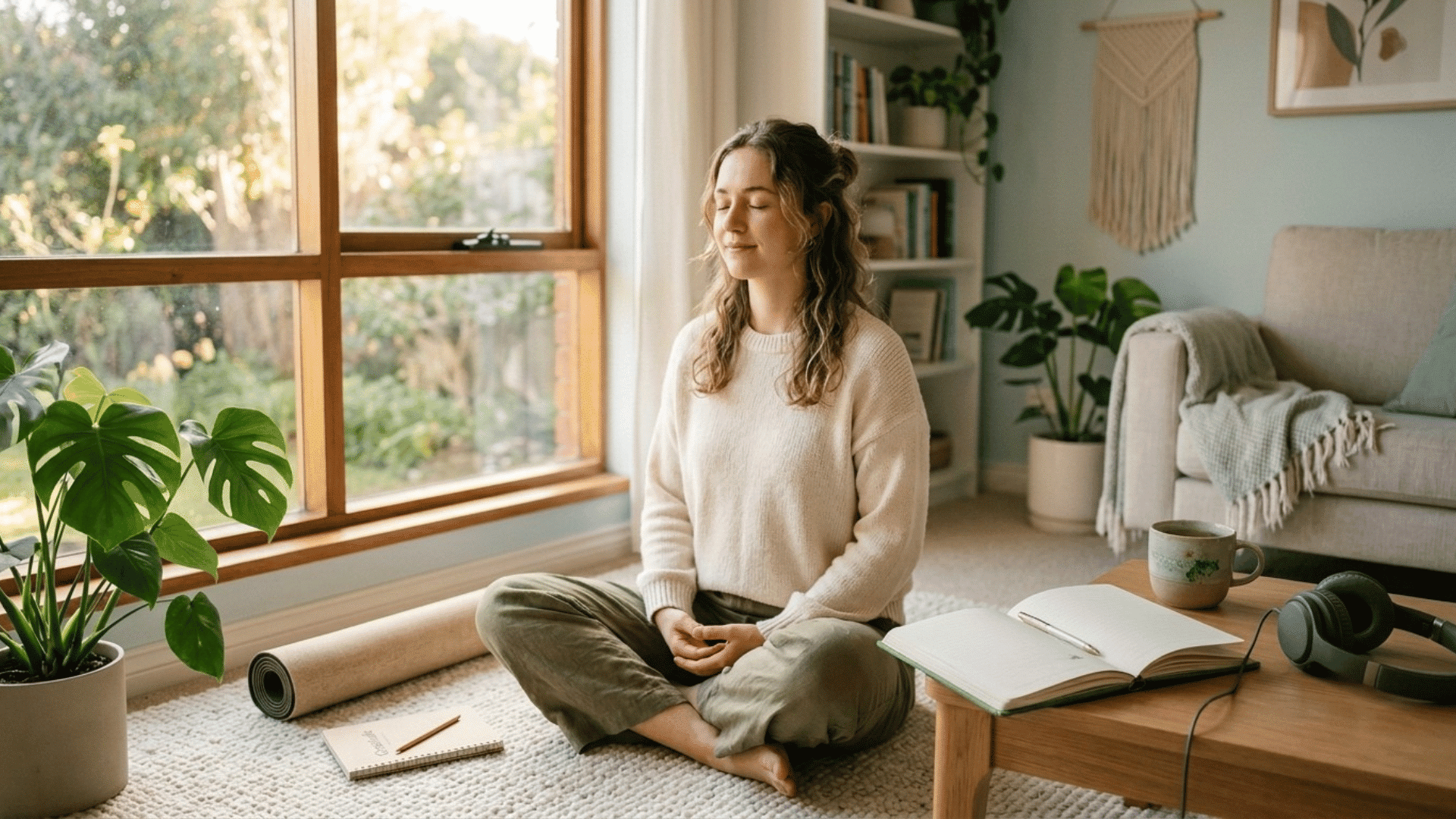
13. Practice Mindfulness
Even five minutes of sitting quietly and noticing your breath can train your mind to return to the present rather than racing ahead into worry.
Mindfulness is not about emptying your head, which is impossible, but about gently bringing your attention back each time it wanders.
14. Lean on Your People
Telling a trusted friend “I’m overwhelmed” reminds you that you are not carrying this alone. Being heard can take the edge off a hard day.
You do not have to explain everything or have it figured out, since presence matters more than perfect words. If reaching out feels hard, a short text or a shared walk is enough to start.
15. Allow Rest without Guilt
Sometimes the bravest coping skill is to stop, breathe, and let yourself simply be for a while. Constant busyness keeps your stress response running, and rest is not a reward you earn but a basic need.
Give yourself permission to pause, whether that means a quiet cup of tea, a nap, or an evening with nothing planned.
When to Seek Professional Help?
Coping skills are powerful, but they are not a replacement for real care. Please reach out for professional support if your anxiety:
- Interferes with daily life, making it difficult to work, study, or manage responsibilities.
- Disrupts your sleep regularly, leaving you exhausted or unable to rest.
- Affects your relationships, causing conflict, withdrawal, or communication challenges.
- Persists for weeks or months without showing signs of improvement.
- Feels overwhelming or unmanageable, even when using coping strategies.
- Triggers frequent panic attacks or intense physical symptoms such as chest tightness or dizziness.
- Leads to feelings of hopelessness or isolation, making it hard to cope on your own.
Free, confidential support is available if you need it. Call or text 988 for 24/7 emotional support, and call 911 if you are in immediate danger. A doctor or licensed therapist can help you understand what you are experiencing and find the right path forward.
Real Experiences of People Who Overcame Anxiety
When I read what people share about their own anxiety, the same gentle truths keep surfacing. These are real reflections people have posted online about living with anxiety.
|
Don’t Surrender to It One writer described anxiety as a slow, lonely battle, but insisted that surrender is not the answer, and that getting through each anxious moment is itself a kind of win. – Quora |
|
Cold Water Reset A Reddit user in r/Anxiety shared that splashing cold water on their face, neck, and arms helped during a panic attack at work, calling it an “incredible trick.” Another user said they keep ice-cold water nearby because it helps them calm down in the moment. – Reddit |
|
Warm Shower at Night In a Reddit discussion about nighttime anxiety, one user said a warm shower helps when they feel especially anxious because focusing on washing, dressing, and the routine itself distracts them until the anxiety passes. – Reddit |
The Bottom Line
Anxiety can feel overwhelming, but small coping skills can make a meaningful difference over time.
Simple practices like grounding exercises, mindful breathing, healthy routines, and reaching out for support can help you cope with difficult moments with greater confidence.
Progress does not require perfection. Each small step toward caring for your mental well-being matters.
If anxiety continues to interfere with your daily life, seeking professional support can provide the guidance and tools needed to move forward.
Frequently Asked Questions
How Long Does it Take for Coping Skills to Work?
Breathing and grounding can calm you in minutes, while habits like better sleep and exercise build up over a few weeks.
Can I Manage Anxiety without Medication?
Often, yes, with lifestyle changes and coping skills, but a professional can advise if your anxiety is severe or constant.
Are Anxiety Coping Mechanisms the Same for Everyone?
No. What soothes one person may not work for another, so keep the tools that genuinely help you.