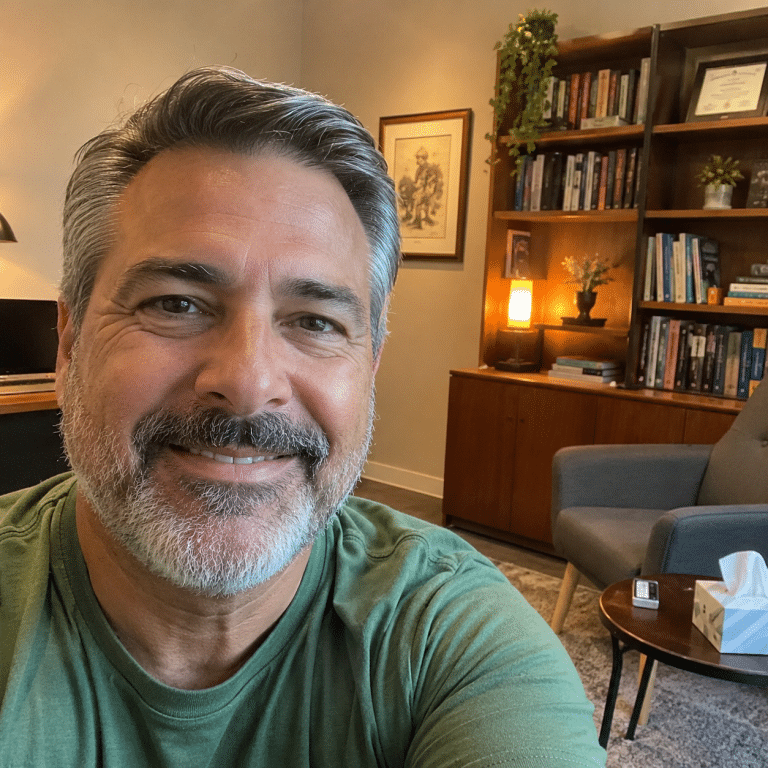

I’ve spent years studying cognition and emotional regulation, but I’ll be honest with you upfront. Understanding the brain on paper is one thing.
Watching someone you care about get stuck in a loop of intrusive thoughts is another. People come to me asking the same quiet question: is there a way through this that doesn’t start with a prescription?
The short answer is yes, often. So let me walk you through how to stop OCD thoughts naturally, using exercises and self-care methods grounded in behavioral science.
Disclaimer: This blog is for informational purposes only and is not a substitute for professional medical advice, diagnosis, or treatment for OCD.
Why “Stopping” Thoughts is the Wrong Goal?
Here’s the fact nobody tells you early enough: you cannot delete a thought by force.
In a classic 1987 experiment, people told not to think of a white bear ended up thinking about it more once the suppression ended, a pattern researchers call the “rebound effect”. OCD feeds on that struggle.
So when people ask me about natural remedies for OCD, I tell them the first remedy is a shift in aim. We’re not trying to stop the thought but to change your relationship with it, so it stops running the show.
You’re not broken for having the thought. Around 2.3% of U.S. adults experience OCD at some point, and nearly everyone has intrusive thoughts sometimes.
Exercises to Calm OCD Thoughts Naturally

These are the exercises I come back to most with the people I work with. None of them need special equipment.
They just need you to practice them when you’re calm, so they’re ready when a thought hits hard. Think of this as your toolkit for naturally stopping OCD thoughts.
1. Label and Let Go
When an intrusive thought shows up, name it out loud or in your head: “That’s an OCD thought.” Then gently move your attention back to whatever your hands are doing.
You’re not fighting the thought, just refusing to give it a seat at the table.
2. The 5-4-3-2-1 Grounding Scan
Name five things you can see, four you can touch, three you can hear, two you can smell, and one you can taste. This pulls your mind out of the spiral and back into the room.
It’s one of several grounding techniques for panic attacks that work just as well here.
It works as an absorbing distractor.
3. Slow Exhale Breathing
Breathe in for four counts, then out for six. A longer exhale signals to your body that it’s safe and eases the fight-or-flight response.
The thought may still be there, and that’s okay. You’re calming the body, not the thought.
As far as natural remedies for OCD go, this one is always with you.
4. The Leaves on a Stream Practice
Close your eyes and picture a slow stream. Each time a thought comes, place it on a leaf and watch it drift away. You don’t chase it or push it.
This trains your brain to see thoughts as passing events, not commands you have to obey.
5. Mini Home Exposure (Gentle ERP)
Pick a small trigger, touch a doorknob, then wait before washing. Sit with the discomfort and notice it rise, peak, and fall on its own.
This is a soft version of exposure and response prevention, widely seen as the gold standard among OCD alternative treatments. Start small, and never push into panic.
Self-Care Methods to Support Your Recovery
Among the OCD alternative treatments people overlook most, these basics top my list. They’re unglamorous, but they work. The table below breaks down each one and shows you exactly how to start.
| Method | Key Benefit | Start Here |
|---|---|---|
| Move your body | Lowers anxiety and may reduce OCD symptoms. | Walk 10–30 minutes most days. |
| Protect your sleep | Poor sleep can worsen OCD symptoms. | Keep a steady bedtime and limit screen time and caffeine. |
| Name the bully | Separates you from OCD and reduces shame. | Say, “That’s just Ellis (the name) again.” |
| Practice self-compassion | Kindness can reduce anxiety’s grip. | Talk to yourself like a scared friend. |
| Track your triggers | Helps spot patterns behind flare-ups. | Note sleep, mood, caffeine, and symptoms for 2 weeks. |
| Lean on support | Reduces isolation and builds connection. | Tell one trusted person what helps. |
Recommended: If you want a deeper look at building these habits, I've written more broadly about everyday self-care practices and how treating yourself with more kindness supports recovery from anxiety-driven patterns like this one.
Extra Tips that Help OCD Thoughts Fade Naturally
Beyond the exercises and daily habits, a few small mindset and lifestyle shifts can quietly change how often intrusive thoughts grab you.
- Stop Seeking Reassurance: Asking “Am I sure?” over and over feels safe but teaches your brain the doubt is worth chasing. Let the question sit unanswered.
- Delay the Compulsion: Tell yourself you’ll wait ten minutes before acting. Often the urge shrinks on its own, and waiting builds tolerance.
- Schedule a Daily Worry Window: Give your worries fifteen set minutes. When a thought pops up outside that time, gently postpone it to the window, a technique borrowed from how to stop worrying more generally.
- Cut Back on Checking Your Symptoms Online: Constant searching for certainty feeds the loop. Pick trusted sources and step away from the rabbit hole.
- Watch Your Caffeine and Alcohol: Both can spike anxiety and disrupt sleep, which makes intrusive thoughts louder the next day.
- Add Small Wins to Your Day: Finish one tiny task, make the bed, water a plant. Momentum on real things crowds out rumination.
- Treat Setbacks as Data, Not Failure: A bad day doesn’t erase progress. Notice what triggered it, adjust, and keep going.
When to Seek Professional Help?
Natural approaches can carry you a long way, but they aren’t meant to replace professional care, and there’s real strength in knowing when to ask for more.
A therapist trained specifically in OCD makes a real difference, so it’s worth asking about their experience with the condition. The International OCD Foundation keeps a directory to help you find one.
Consider reaching out to a doctor or an OCD-trained therapist if:
- Your thoughts or compulsions take up an hour or more each day, or get in the way of work, school, or relationships.
- The distress feels unmanageable despite your best efforts with self-help tools.
- You’re avoiding more and more places, people, or activities to feel safe.
- Family conflict, exhaustion, or hopelessness is building up around the symptoms.
And please hear this clearly: If intrusive thoughts ever turn to thoughts of harming yourself, reach out right away. In the US, you can call or text the 988 any time, day or night, for free and confidential support.
The Bottom Line
If you take one thing from me, let it be this: the goal was never a silent mind. It’s a mind whose noise no longer controls your choices.
Learning how to stop OCD thoughts naturally isn’t about silencing them; it’s about taking away their power over your day.
Every exercise and self-care habit here works by loosening OCD’s grip rather than wrestling it. Start with one. Today, not “someday.” Pick the smallest practice on this page and do it once.
Then, if you can, reach out to an OCD-trained therapist to build a plan around it. You deserve support that meets you where you are, and your brain is far more capable of change than the thoughts would have you believe.
Frequently Asked Questions
Can Certain Foods or Supplements Help with Ocd?
Possibly. Cutting caffeine may ease anxiety, and some people try omega-3s or magnesium. Evidence is thin, so check with a doctor first.
Is It Possible to Recover from Ocd without Medication at All?
Yes, for many. Mild to moderate OCD often improves with therapy and lifestyle changes alone. Severe cases may still need medication.
How Long Before Natural Approaches Show Results?
Often a few weeks. Mindfulness programs studied in OCD usually run for about eight weeks.