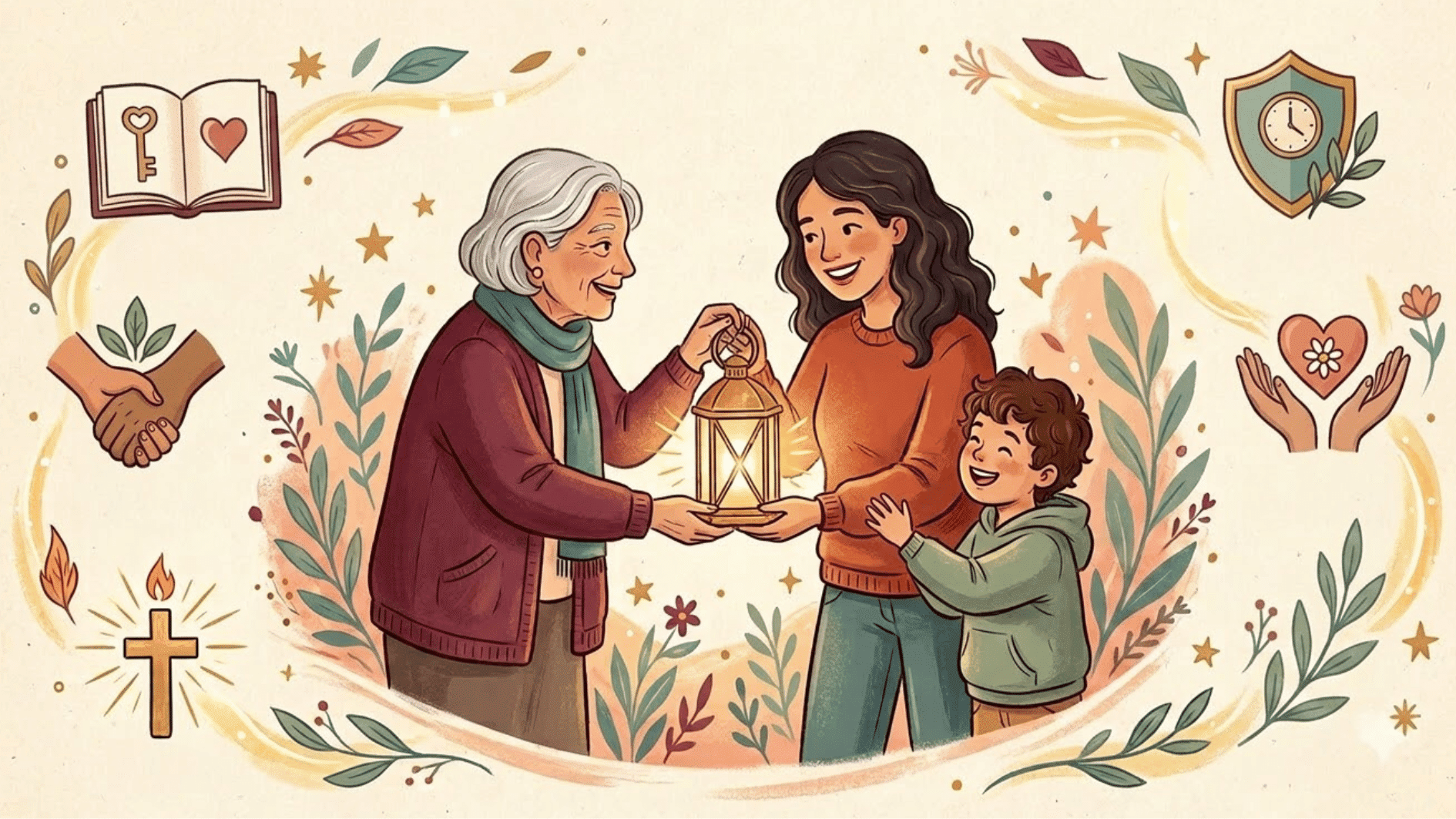
Every person carries a different set of values and beliefs, shaped by their own path through life.
These invisible threads run through our thoughts, actions, and relationships, often without us even realizing it.
They sit quietly behind every choice we make and every opinion we hold. No two people see the world in exactly the same way, and that difference often traces back to what they value and believe in.
In this blog, I will explain these unseen forces in depth, uncovering the quiet influences that shape who we are and how we move through the world.
How Values and Beliefs Shape Daily Life?
Values and beliefs shape daily life by influencing choices, priorities, relationships, and goals. They affect what feels right or wrong, which behaviors are accepted, and how people respond to difficult situations.
A person who values honesty may speak truthfully even when it feels uncomfortable, while someone who believes effort leads to growth may continue working after a setback.
Over time, these repeated choices shape personal identity, build habits, set boundaries, and influence the direction a person’s life takes.
The difference between values and beliefs comes down to this: one you live by, the other you argue for. A value shows up in what you do; a belief shows up in what you defend.
Types of Personal Core Values
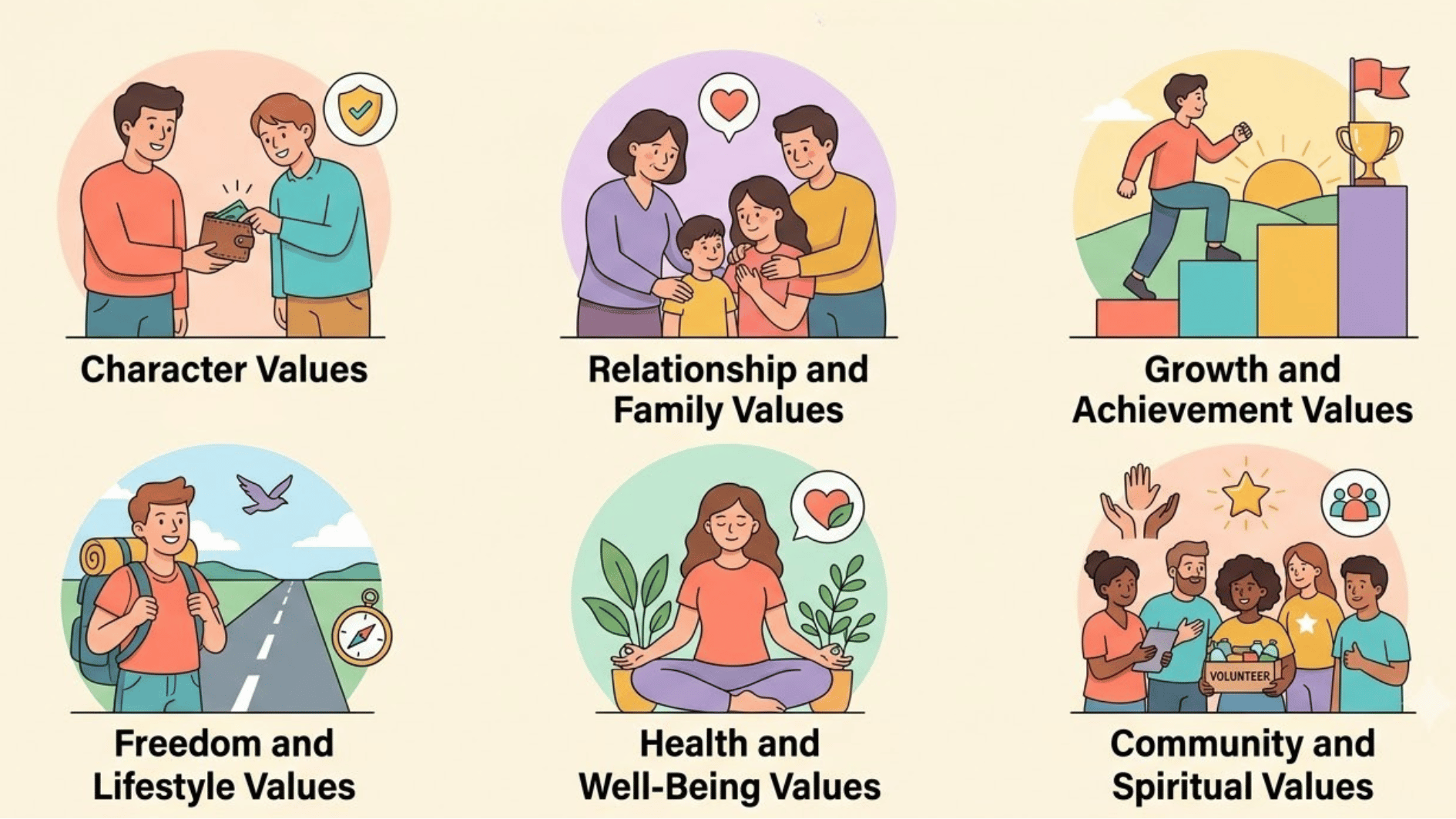
Core values fall into a few groups. This makes it easier to spot which ones show up in your life. Most people pull from more than one group, since a single value rarely covers everything that matters to them.
1. Character Values
These shape how someone treats people when no one is checking, through honesty, integrity, accountability, and respect.
They show up most under pressure, when the easy option and the right option split.
Example: An employee spots a billing error that would work in their favor. They flag it anyway, even though no one would have noticed.
2. Relationship and Family Values
These decide how someone shows up for the people close to them, through loyalty, connection, trust, and generosity. They tend to matter most during hard stretches, not easy ones.
Example: A friend cancels weekend plans to sit with someone going through a divorce, even though it means missing an event they had looked forward to.
3. Growth and Achievement Values
These push someone toward a bigger version of their life, through ambition, curiosity, discipline, and mastery. They build slowly, through habits repeated over months, not one big leap.
The pull toward growth usually shows up as restlessness first, long before it turns into an actual plan.
Example: Someone studies for an hour every night for a year to change careers, long before any job offer makes the effort feel worth it.
4. Freedom and Lifestyle Values
These shape how much someone wants to control their own schedule, through independence, adventure, flexibility, and simplicity. They often clash with security, which is why people feel torn between the two.
Example: Someone turns down a stable promotion because it would mean losing the freedom to set their own hours. This kind of trade-off often comes down to living with more intention instead of just chasing the next title.
5. Health and Well-Being Values
These protect a person’s body and mind over the long run, through balance, self-care, resilience, and peace.
They’re easy to neglect in the short term, since nothing bad happens the first time they’re skipped. The cost usually shows up later, as burnout or a slow decline rather than one obvious moment.
Example: Someone leaves a work event early to protect a sleep schedule, even when staying later might have helped their image at the office. Practicing self-compassion often makes this kind of boundary easier to hold without guilt.
6. Community and Spiritual Values
These connect someone to a group or belief system bigger than their own life, through service, faith, justice, and belonging. They tend to carry the most weight during a loss or a milestone.
Example: Someone spends every Saturday volunteering at a shelter, building the month around it the way others build around work.
How Do You Put Core Values Into Practice?
Core values become meaningful when they influence everyday actions. Start by choosing a few values that matter most, then connect each one to a clear behavior.
Someone who values honesty might admit a mistake, while a person who values health might protect time for sleep and exercise.
Use these values when making decisions, setting boundaries, choosing goals, and handling conflict. Reviewing recent choices can also show where actions match personal values and where changes may be needed.
Small, repeated decisions are what turn a stated value into a consistent part of daily life.
Examples of Personal Beliefs
Beliefs are narrower than values. Each one attaches to one part of life, not a general rule. A few types cover most of what shapes daily behavior.
Beliefs About Yourself
How much you trust your own skill, worth, and choices, often set before any value comes into play.
This is often the belief behind being hard on yourself long after the mistake is over, and it can quietly turn into self-sabotaging patterns that block the very goals someone cares about most.
Beliefs About Other People
Ideas about trust, safety, and whether people change, deciding how open or guarded someone stays. A belief like “trust has to be earned” can mean months pass before opening up to a new coworker.
Beliefs About Work and Success
Ideas about effort, luck, and sacrifice that steer money and career choices for years. Believing “success takes sacrifice” can mean skipping every trip for a decade, long after the need for it ends.
Moral and Spiritual Beliefs
Views on right, wrong, and purpose, often shaped by faith or one big event. Someone who believes “hard times carry a purpose” stays hopeful through a job loss instead of giving up.
Ways to Identify Your Core Values and Beliefs
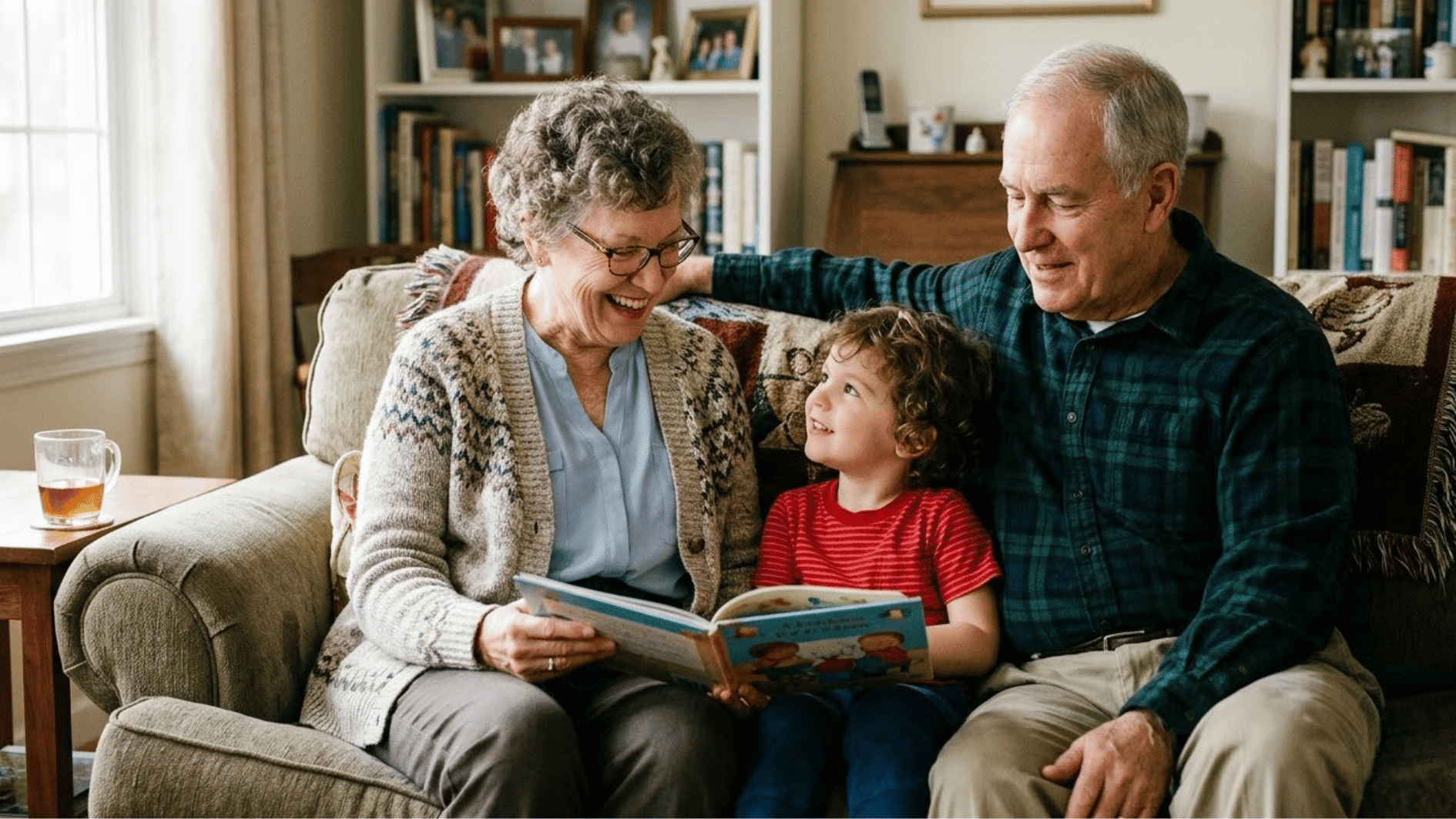
Identifying core values and beliefs starts with noticing the choices, experiences, and principles that repeatedly shape daily thoughts and actions.
- Reflect on Your Most Meaningful Experiences: Praise points to achievement, a shared meal points to connection, and a hard finish points to discipline.
- Consider the Qualities You Admire in Others: Those traits often match values you hold yourself.
- Notice What Makes You Proud, Angry, or Fulfilled: Strong emotion flags a value underneath it.
- Group Similar Values and Remove Overlaps: Aim for a list of 8 to 12 before you rank anything.
- Rank Your Most Important Values: The one you’d protect last is your true core value.
Conclusion
Values and beliefs aren’t something you figure out once and file away. They sit behind every decision, boundary, and habit you keep, whether you have named them or not.
Knowing them just makes the pattern easier to see, and easier to act on the next time a hard choice shows up.
Pick three values from the lists above and write a one-line definition for each. Then watch how often they already show up this week, in moments you would normally miss.
Frequently Asked Questions
Are Values and Beliefs the Same as Personality Traits?
No. Personality traits describe how you naturally behave, like being outgoing or organized. Values and beliefs are what you choose to stand for, shaped more by experience than temperament.
Can a Belief Turn Into a Value Over Time?
Yes. A belief repeated enough, like “helping others matters,” can harden into a value that directs daily choices instead of just something you think is true.
Is It Normal to Not Know Your Core Values Yet?
Very normal. Most people never sit down to name them until a hard decision forces the question. Not knowing them yet doesn’t mean you don’t have any.