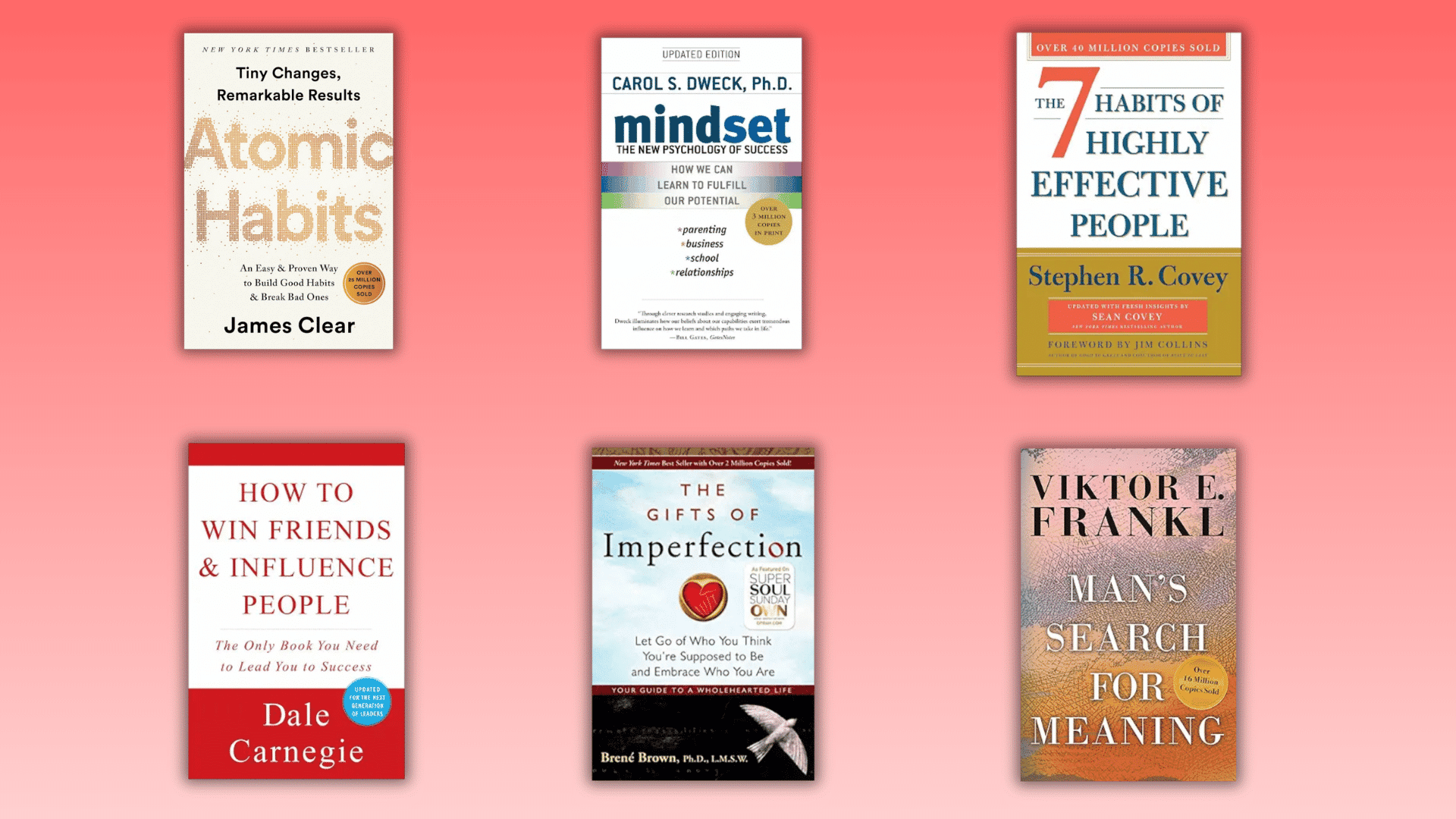
Most people buy self-help books with good intentions, yet many never finish the first few chapters.
The best books for personal growth can help, but only when the ideas feel useful, clear, and easy to apply, especially if your real goal is becoming a better version of yourself rather than a quick dose of inspiration.
You may have picked up popular titles because everyone seemed to recommend them. Then the advice felt too vague, too repetitive, or far from your real life.
A good book should leave you thinking differently and acting with more purpose. If it only gives quick motivation, the effect often fades before any real change begins.
What Makes a Personal Growth Book Worth Reading?
A personal growth book is worth reading when it offers ideas you can use in daily life, not just short bursts of motivation.
The lessons should be clear, practical, and easy to understand without making simple ideas feel complicated. Strong reader response over many years can also show that a book remains useful.
The selection should include books that support different areas of personal growth, rather than focusing on only one type of change.
Titles that appear often on respected reading lists can add another layer of trust, especially when their advice remains useful beyond current trends.
Best Books for Personal Growth to Consider
This list mixes people’s and (Tess-passed) classics with newer titles. You’ll find picks for habits, mindset, relationships, purpose, and self-worth.
1. Atomic Habits
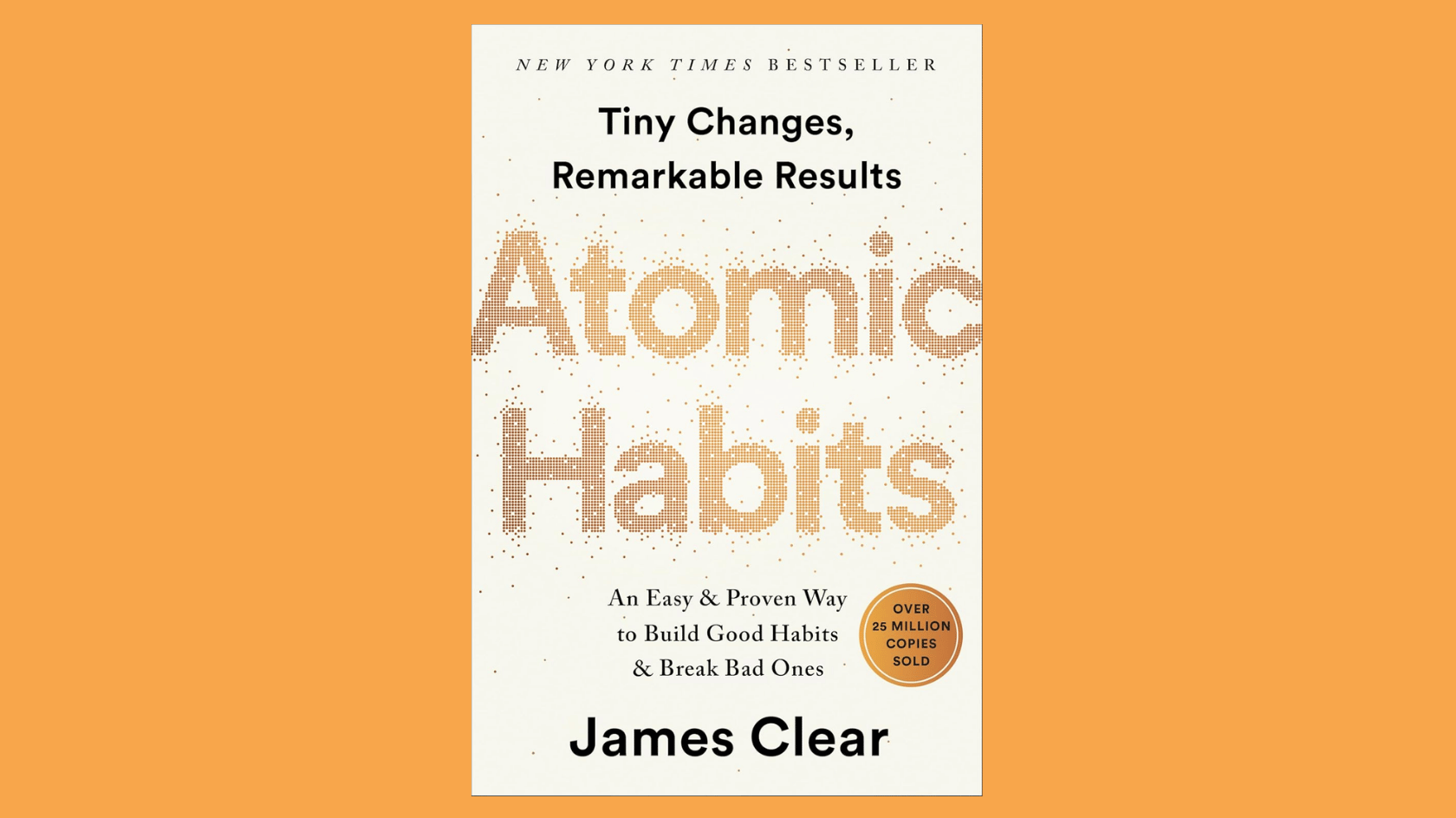
The book explains how small actions can shape long-term behavior. It connects habits with identity, showing why lasting change often starts with seeing yourself differently.
It also gives clear systems for building helpful routines and making unwanted habits harder to repeat. It suits readers who prefer practical methods over broad theory.
Author: James Clear
2. The 7 Habits of Highly Effective People
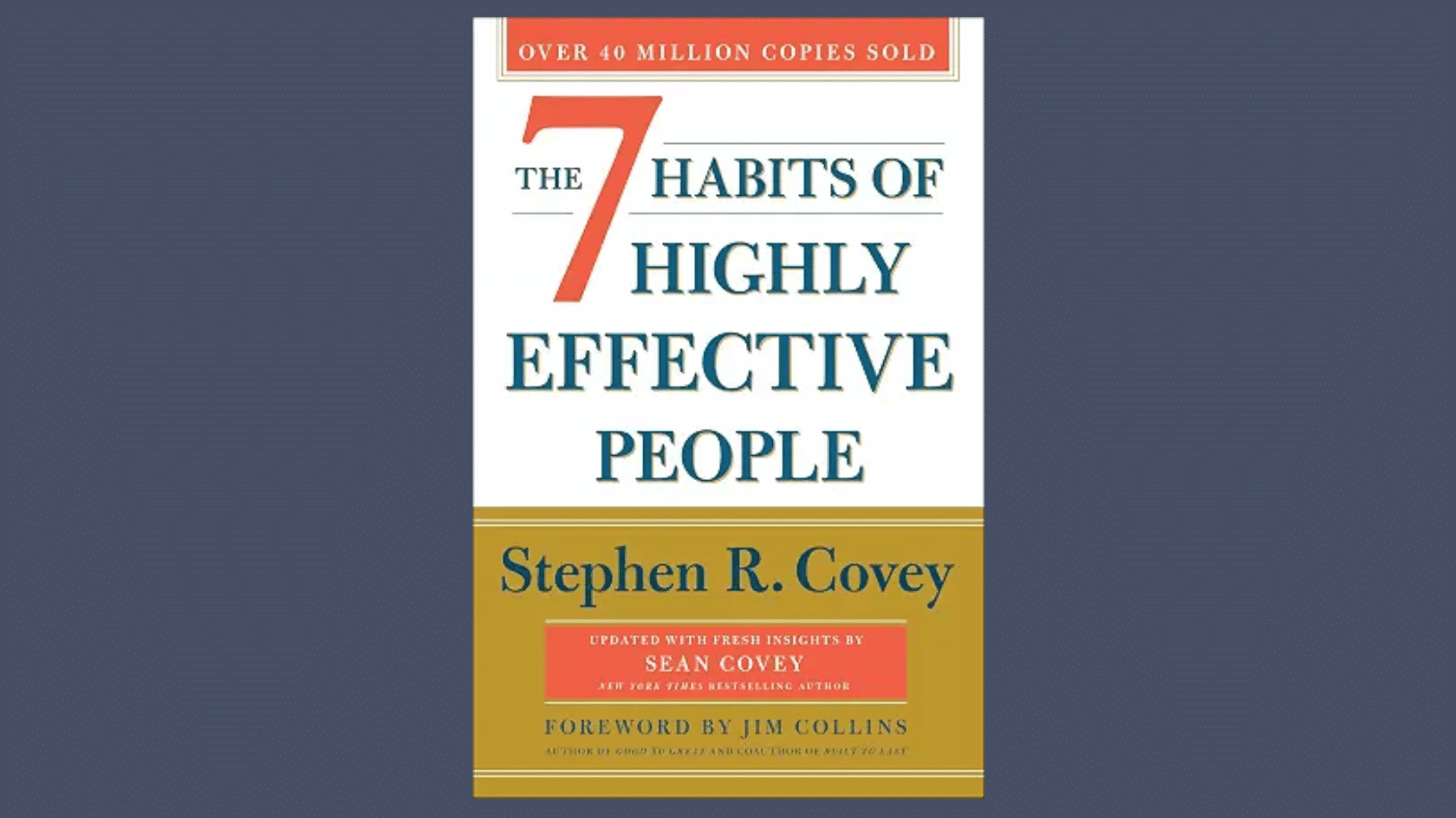
The book looks at success through character, values, and personal responsibility rather than quick tricks. It explains habits such as beginning with the end in mind and making choices based on clear priorities.
It works well for readers who want a stronger way to think through goals, work, and everyday decisions.
Author: Stephen R. Covey
3. How to Win Friends and Influence People
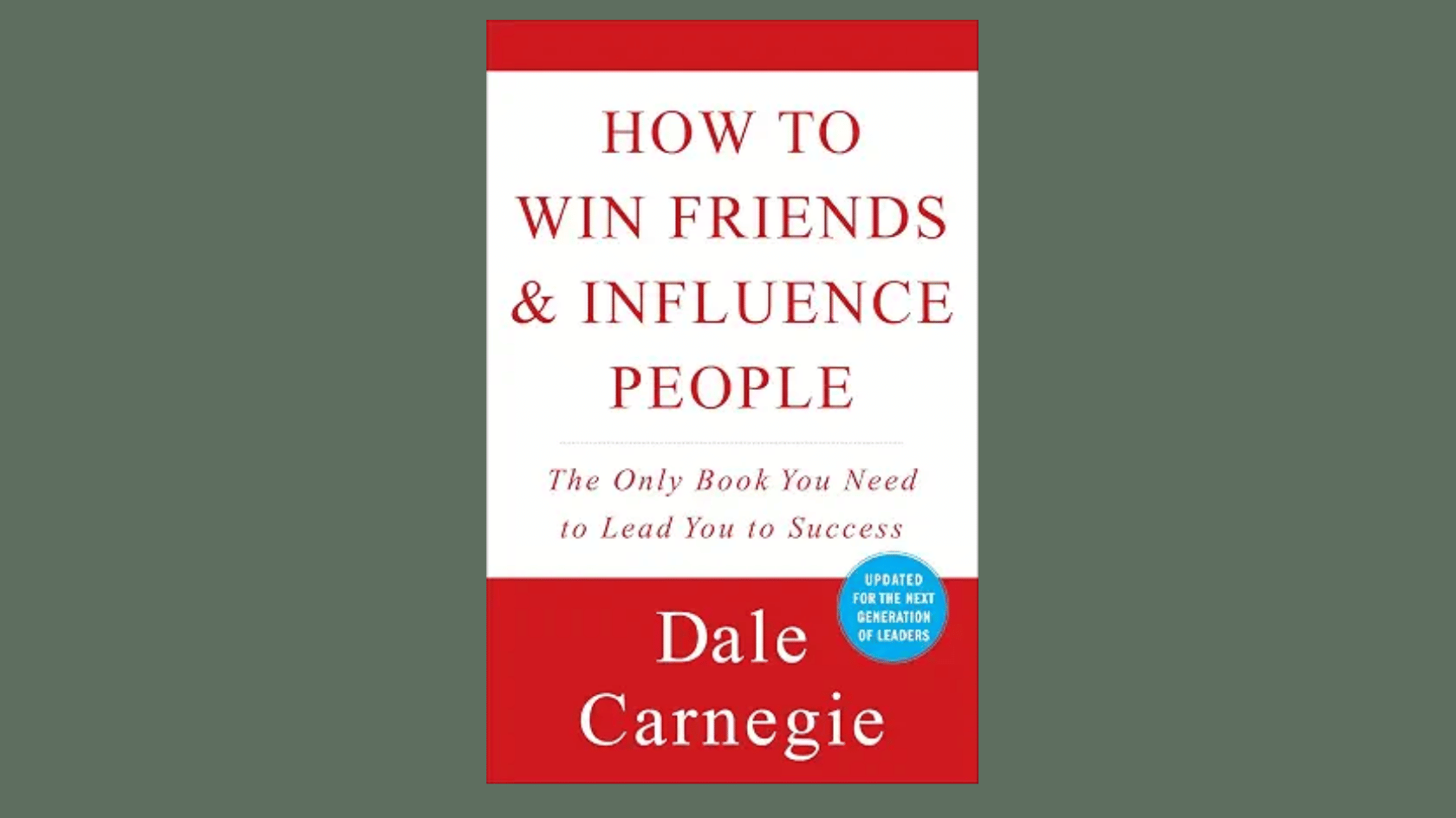
First published in 1936, this book focuses on the everyday behaviors behind better communication. One of its main ideas is listening more carefully instead of trying to control every conversation.
The advice remains simple and practical, making it useful for readers who feel uncomfortable networking, meeting new people, or building stronger connections.
Author: Dale Carnegie
4. The Mountain Is You
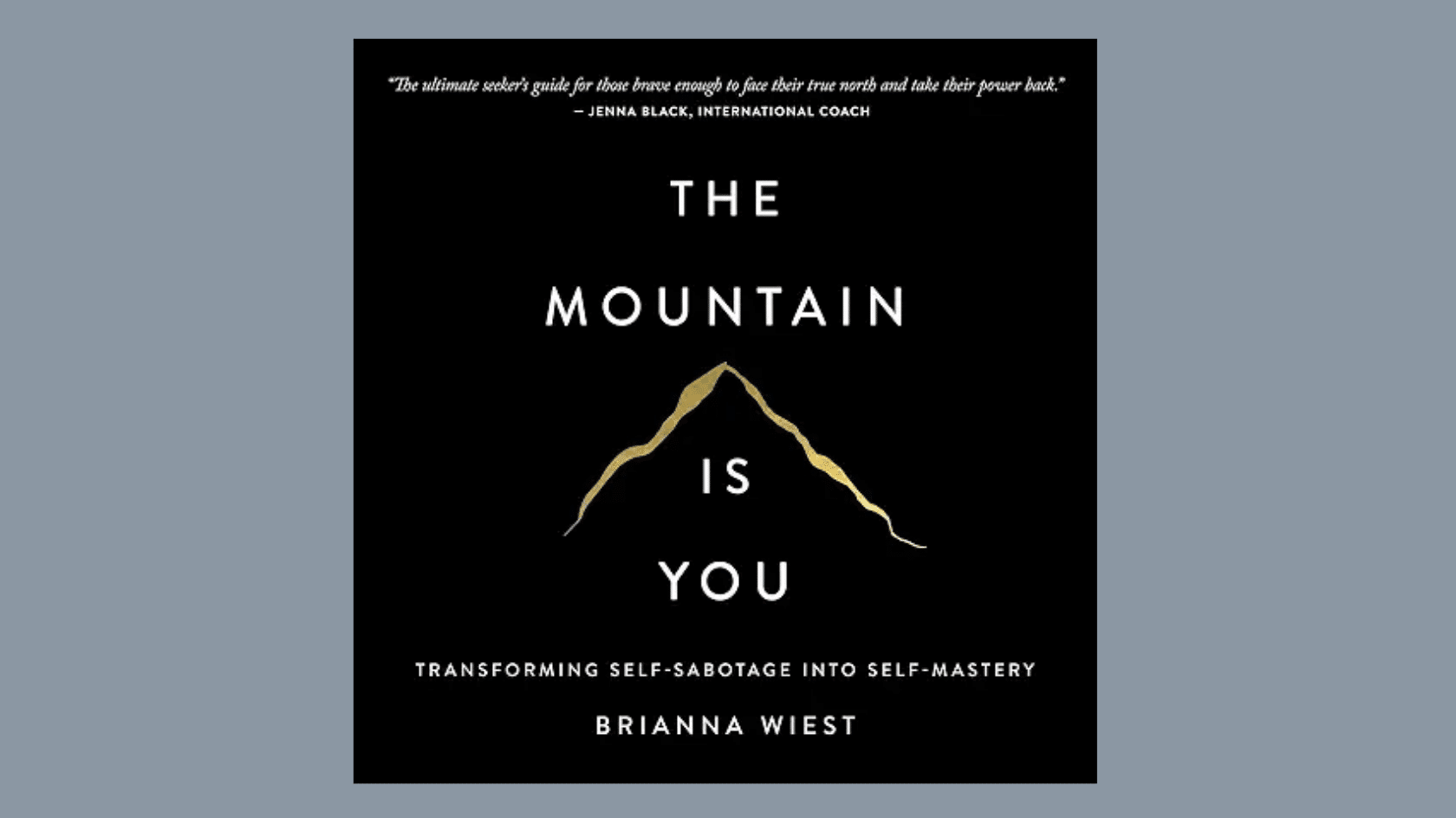
The book looks at self-sabotage as something often tied to hidden fear rather than laziness. It discusses patterns such as procrastination, people-pleasing, and burnout.
The writing is more reflective and dense than many self-help books, making it better suited to readers who keep getting stuck even after trying planners or habit trackers, or reading up on self-sabotaging patterns.
Author: Brianna Wiest
5. The Subtle Art of Not Giving a F*ck
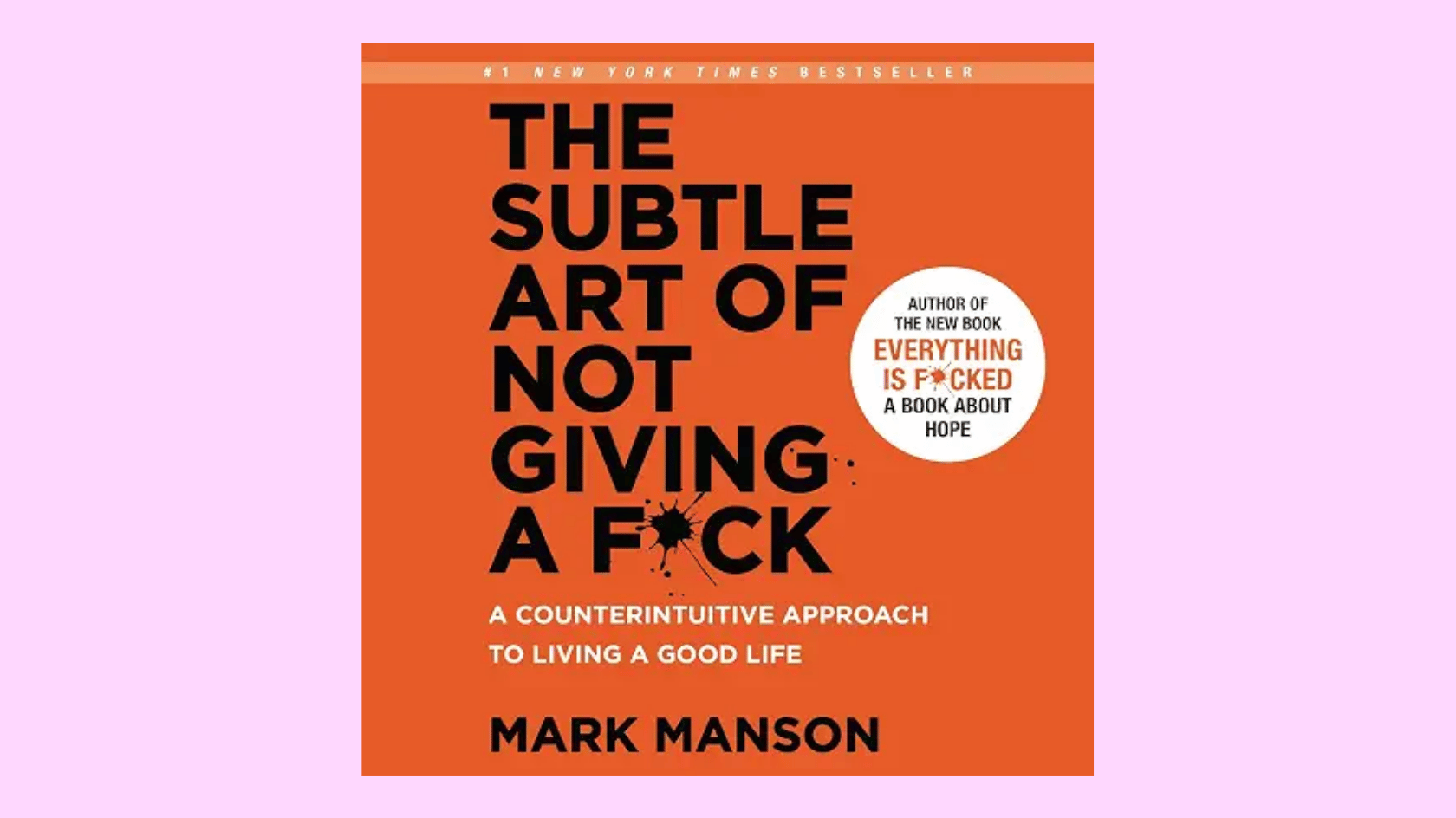
This book takes a blunt approach to personal growth and pushes against the idea that happiness should always come first.
It argues that growth often comes from choosing better problems rather than avoiding discomfort.
There are few exercises, but the direct tone may suit readers tired of gentle advice and looking for a sharper perspective.
Author: Mark Manson
6. Man’s Search for Meaning
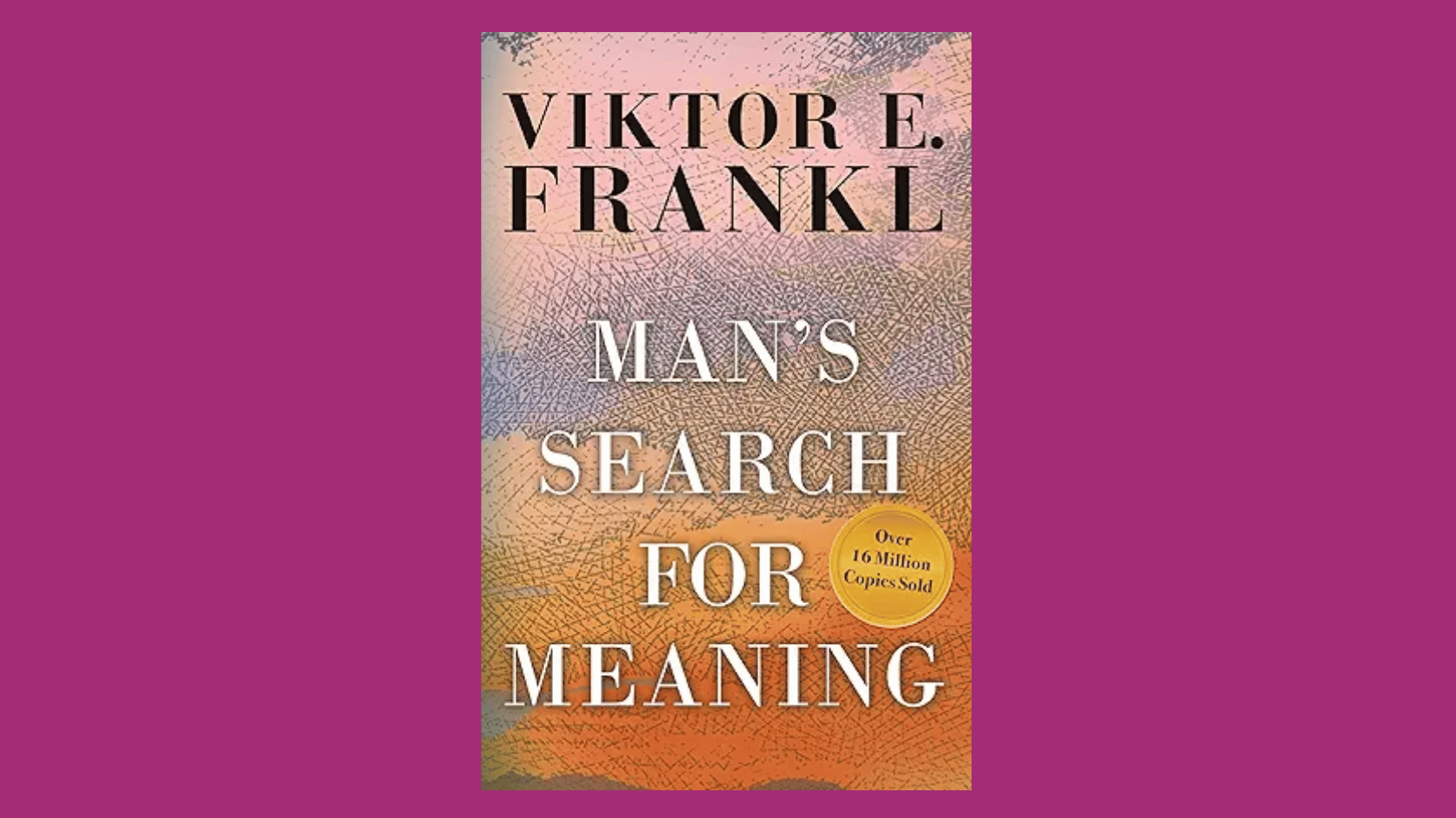
The ideas in this book were shaped by the author’s survival of Nazi concentration camps.
It argues that a sense of meaning can help people move through deep pain and hardship.
Part memoir and part psychological theory, it is short but heavy in subject matter and may speak most to readers facing loss or major life changes.
Author: Viktor E. Frankl
7. The Four Agreements
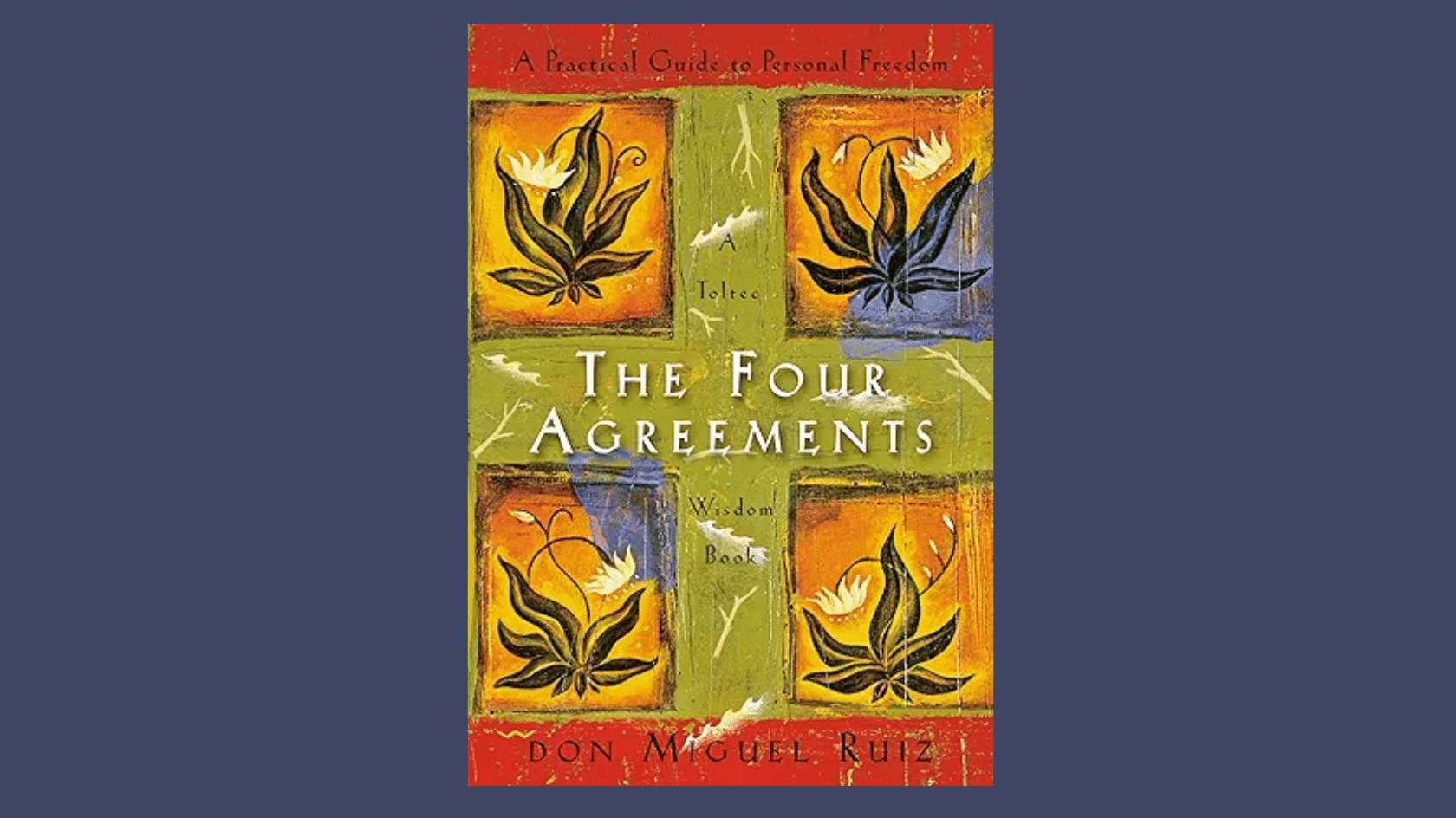
The book presents four simple ideas for living with less conflict and confusion.
They focus on speaking carefully, avoiding assumptions, not taking everything personally, and doing the best possible in each situation.
The short chapters and plain language make it easy to revisit, especially when you need a quick reminder of the main ideas.
Author: Don Miguel Ruiz
8. The Gifts of Imperfection
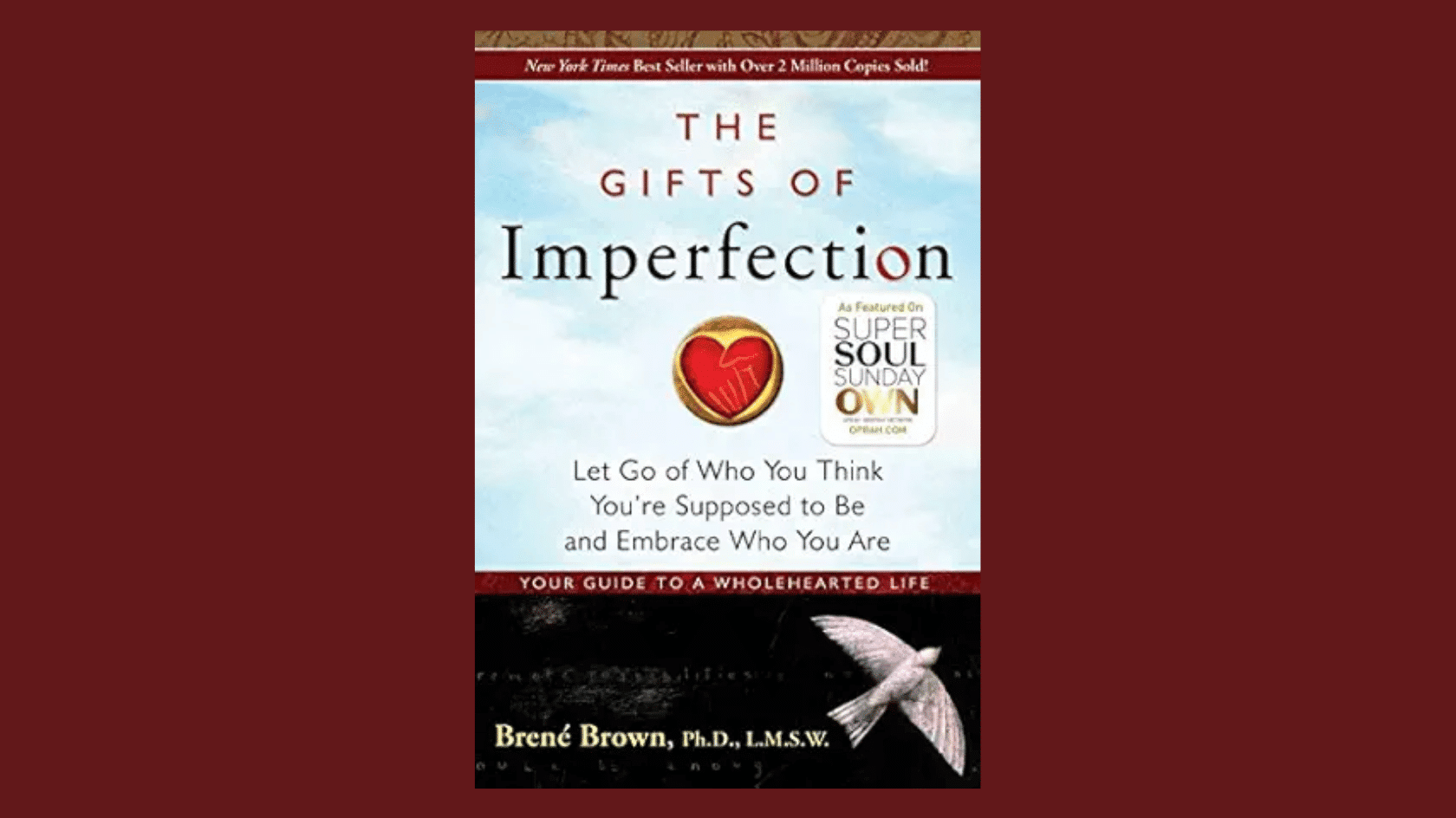
The book draws on research into shame and discusses what it calls wholehearted living. It treats perfectionism as a form of protection rather than a true strength.
It may be useful for readers dealing with people-pleasing, burnout, or low self-worth, especially when constant pressure to appear perfect has become tiring.
Author: Brené Brown
9. Mindset
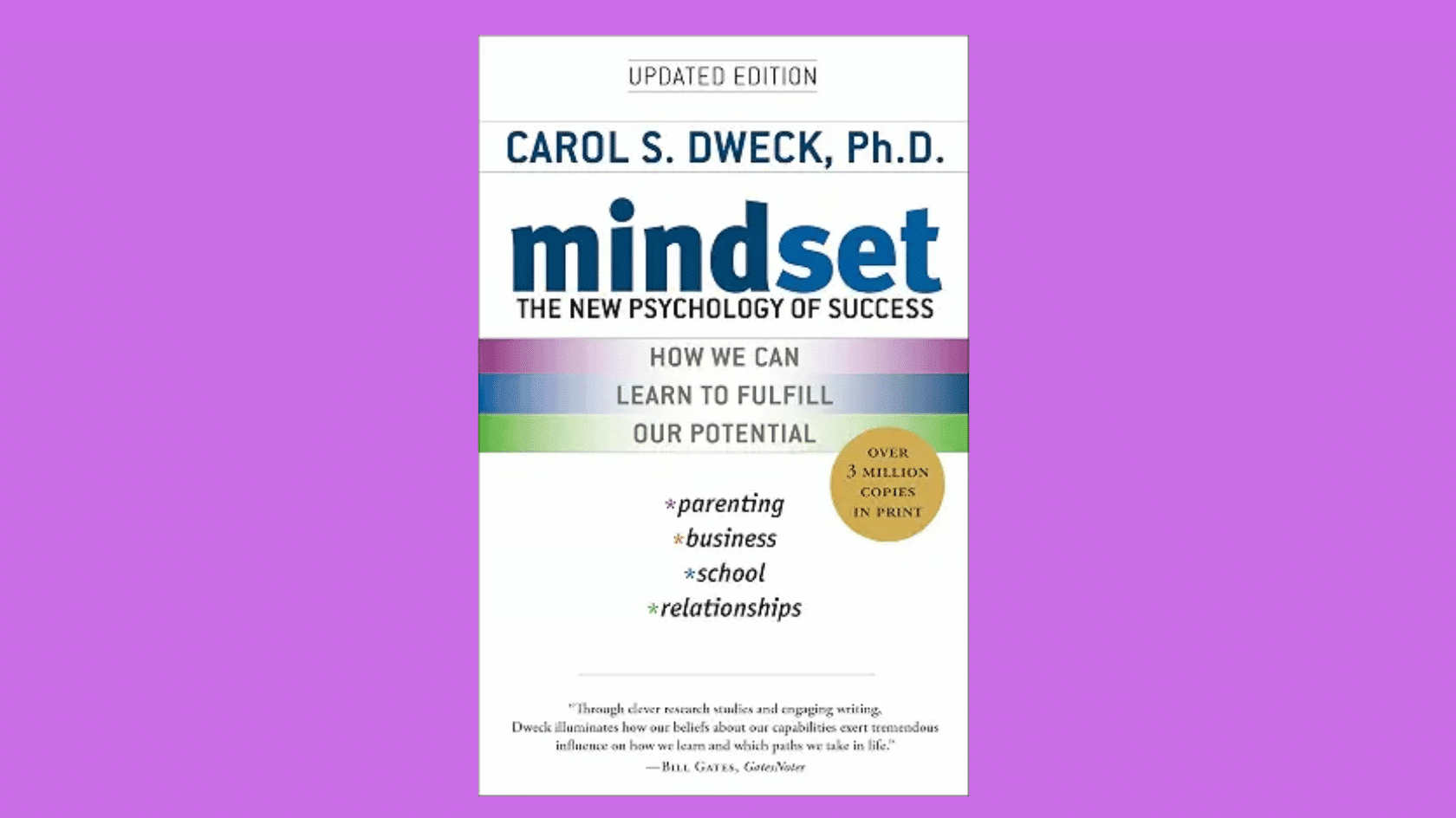
The book explains the difference between a fixed mindset and a growth mindset. It looks at how people respond to mistakes, effort, and failure, drawing from years of psychological research.
It can be especially useful for parents, teachers, coaches, and managers who influence how other people think about progress and setbacks.
Author: Carol S. Dweck
10. The Power of Now
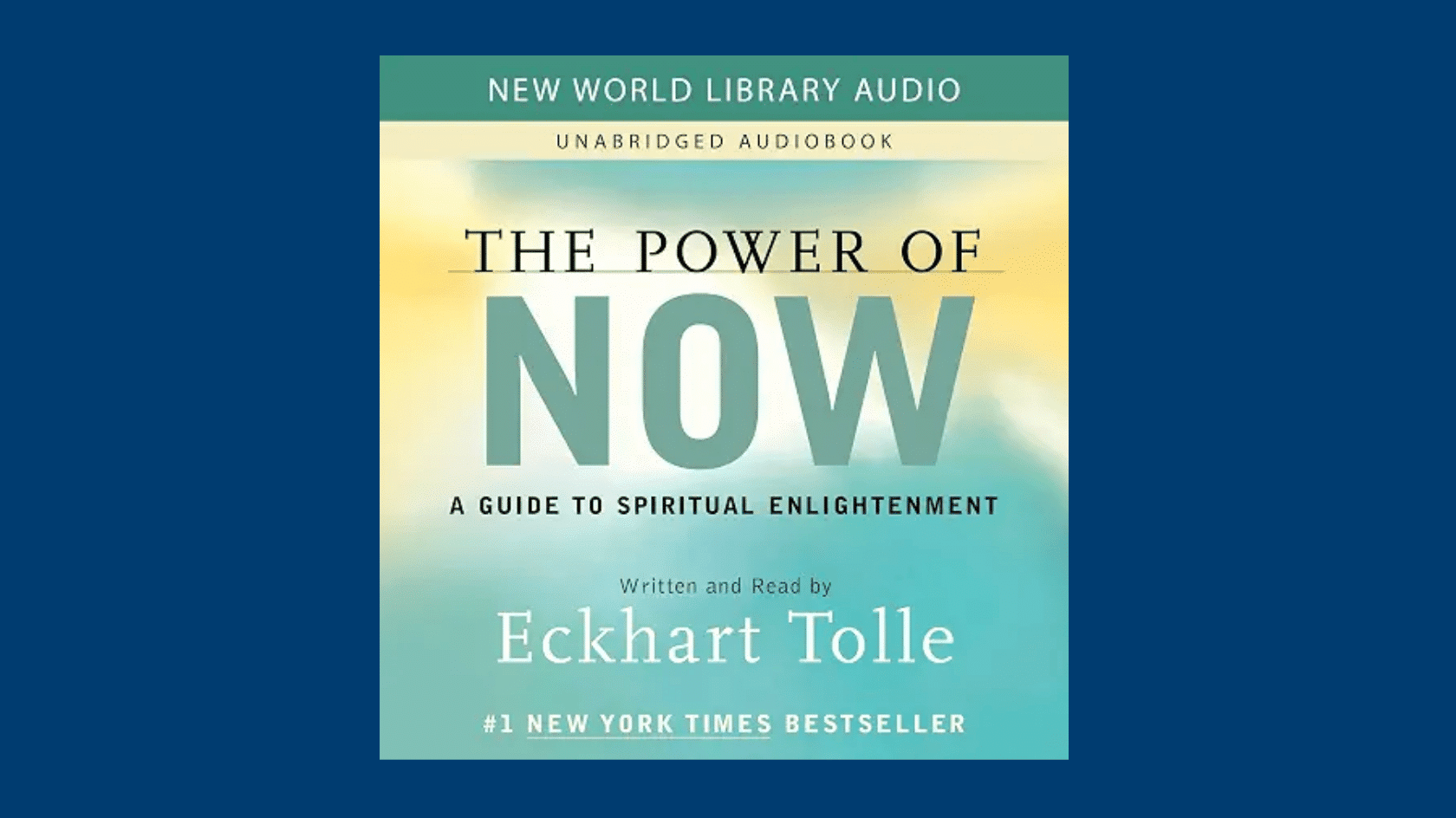
The book focuses on staying present instead of constantly replaying the past or worrying about the future.
Its approach is spiritual rather than research-heavy, and it often reads more like a meditation guide than a typical self-help book.
It may fit readers who already feel comfortable with mindfulness-based thinking.
Author: Eckhart Tolle
11. Emotional Intelligence
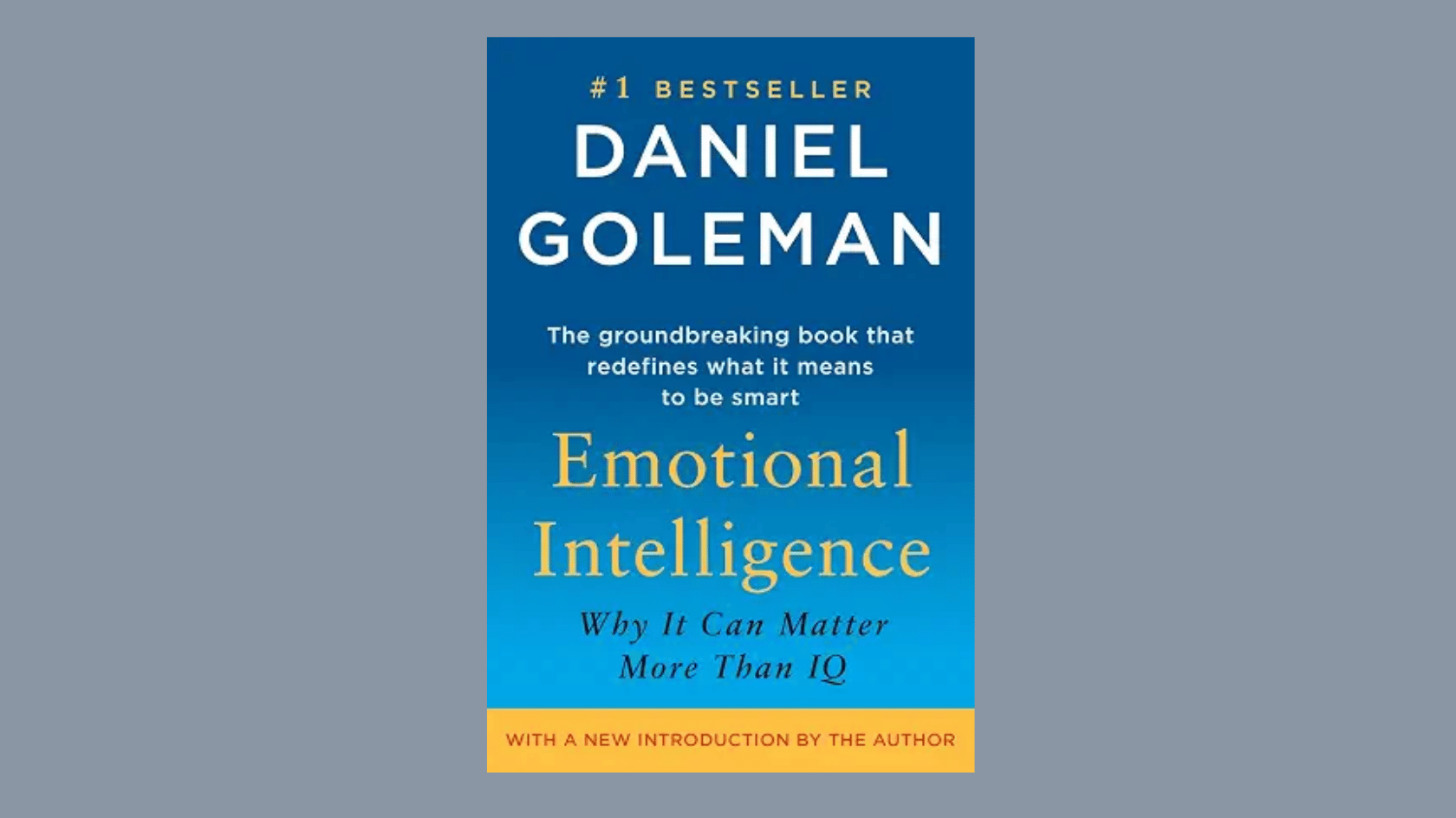
This book explains how emotions can shape decisions, relationships, and reactions under stress.
It draws on brain science to show why feelings can sometimes overpower logic.
It may suit readers in leadership or people-focused roles who want to understand the thinking behind emotional awareness and social skills.
Author: Daniel Goleman
12. The Power of Habit
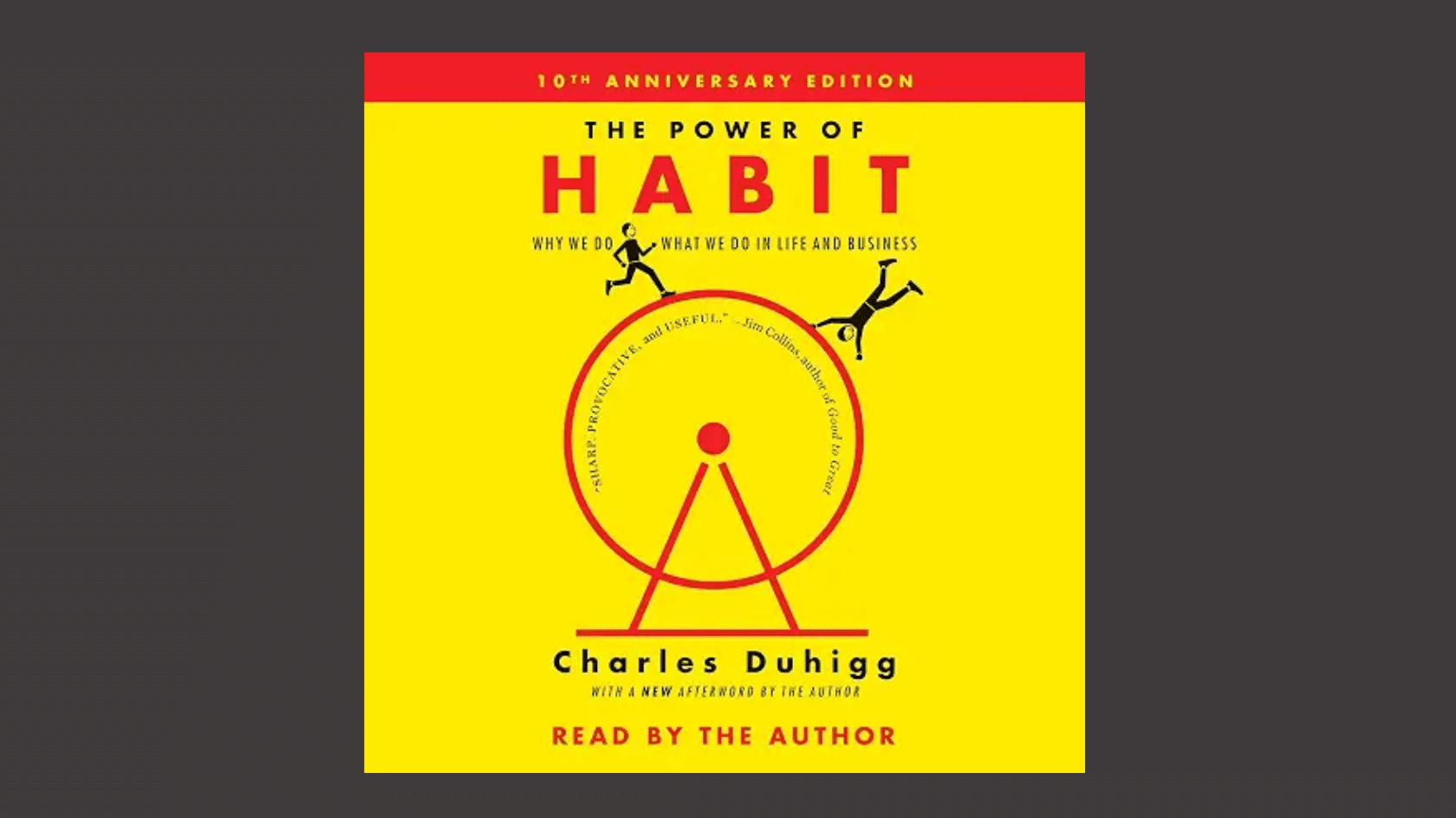
The book explains the cue, routine, and reward loop behind many habits. It uses real cases from companies, groups, and everyday life to show how behavior patterns form.
The writing feels more like a reported story than a workbook, making it useful for readers who like examples alongside behavioral ideas.
Author: Charles Duhigg
13. Grit
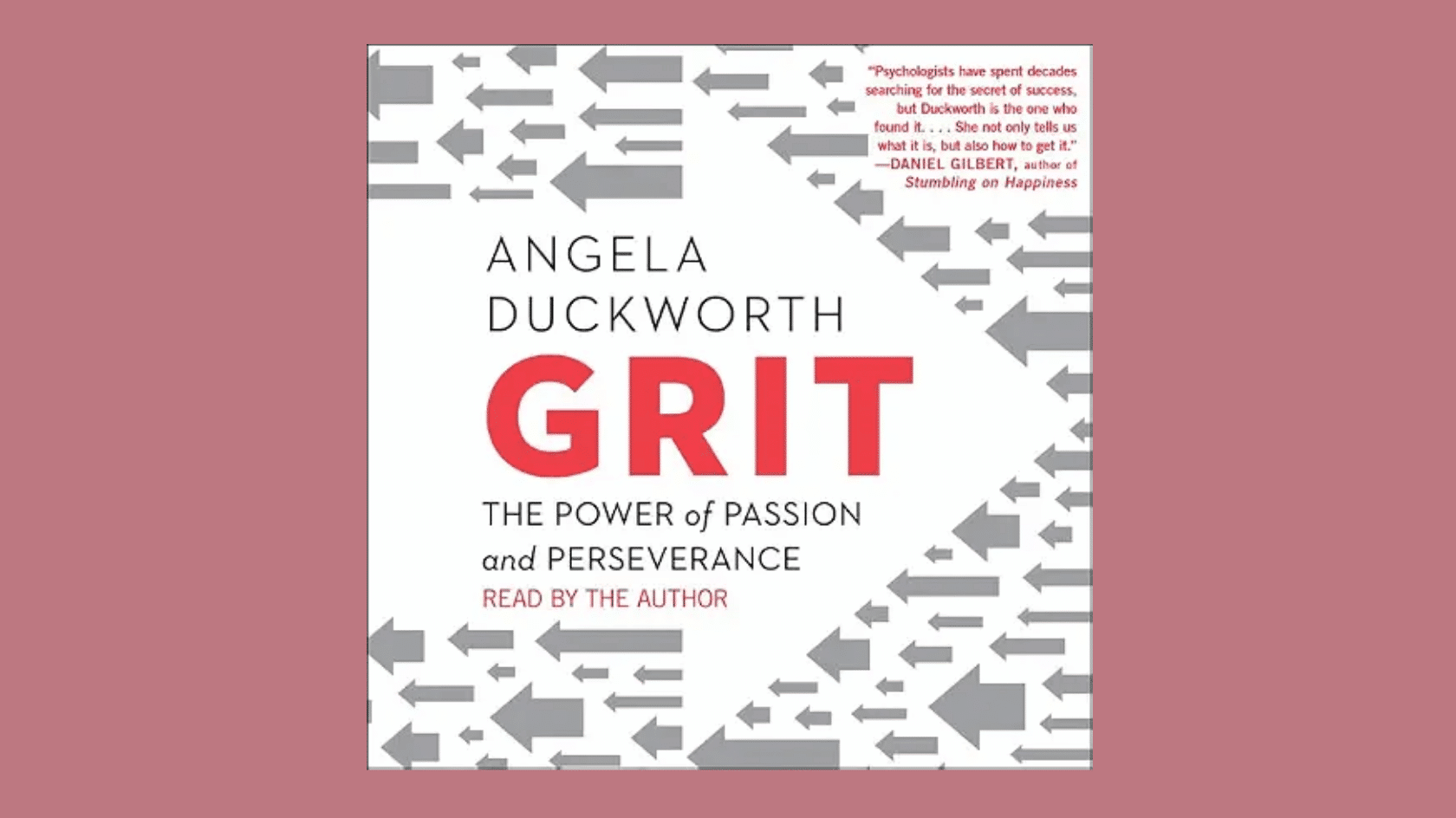
This book looks at how passion and steady effort can matter more than natural talent over time.
It draws from studies involving students, teachers, cadets, and other groups working toward long goals.
It may fit readers who want to understand persistence and why staying committed can matter when progress feels slow.
Author: Angela Duckworth
14. Quiet
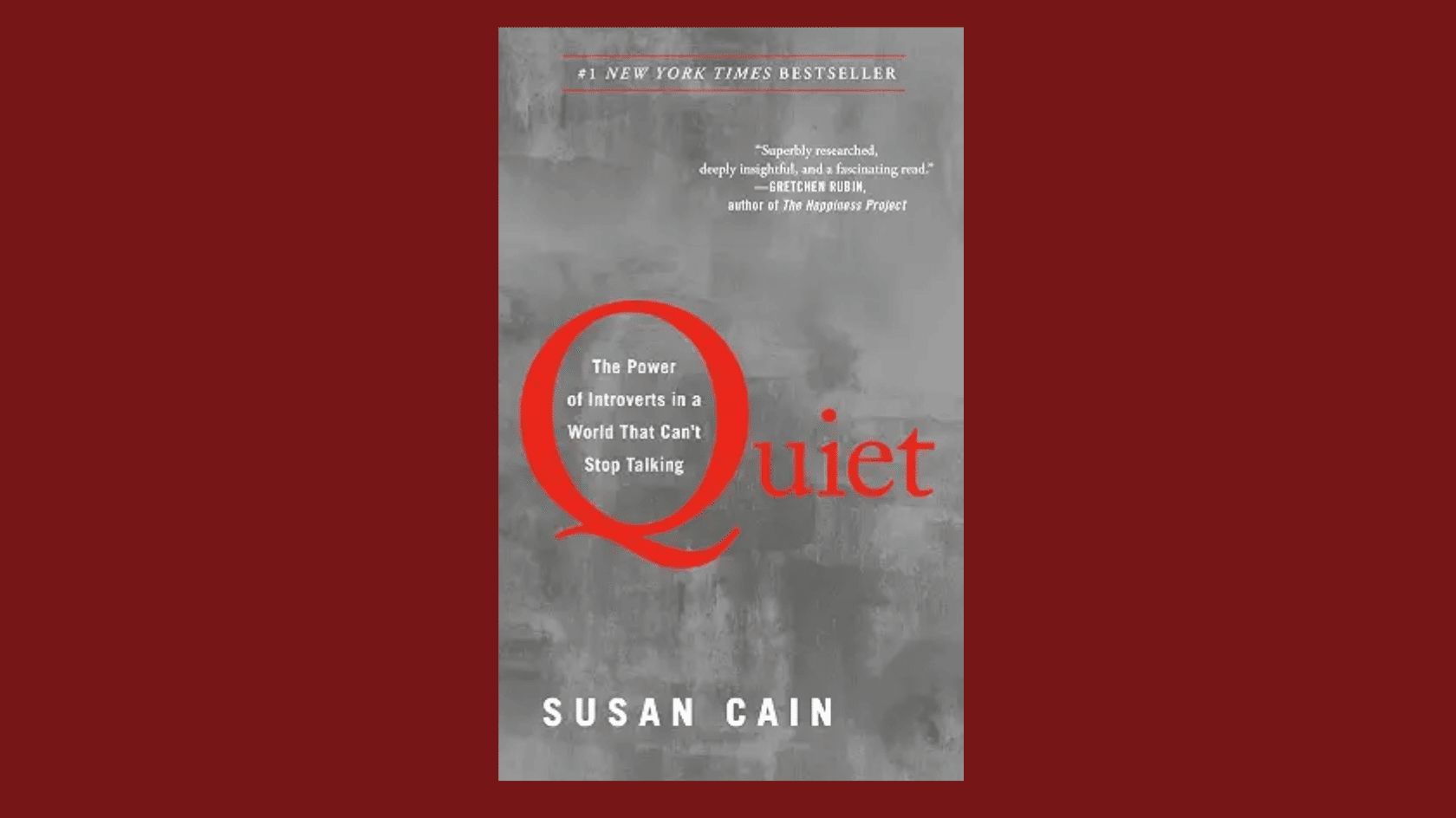
The book examines why quiet personalities are often undervalued in cultures that reward confidence and constant speaking. It looks at research, biology, and social expectations around introversion.
The tone is closer to a research-based book than a motivational one, making it useful for readers who prefer thoughtful analysis.
Author: Susan Cain
15. Maybe You Should Talk to Someone
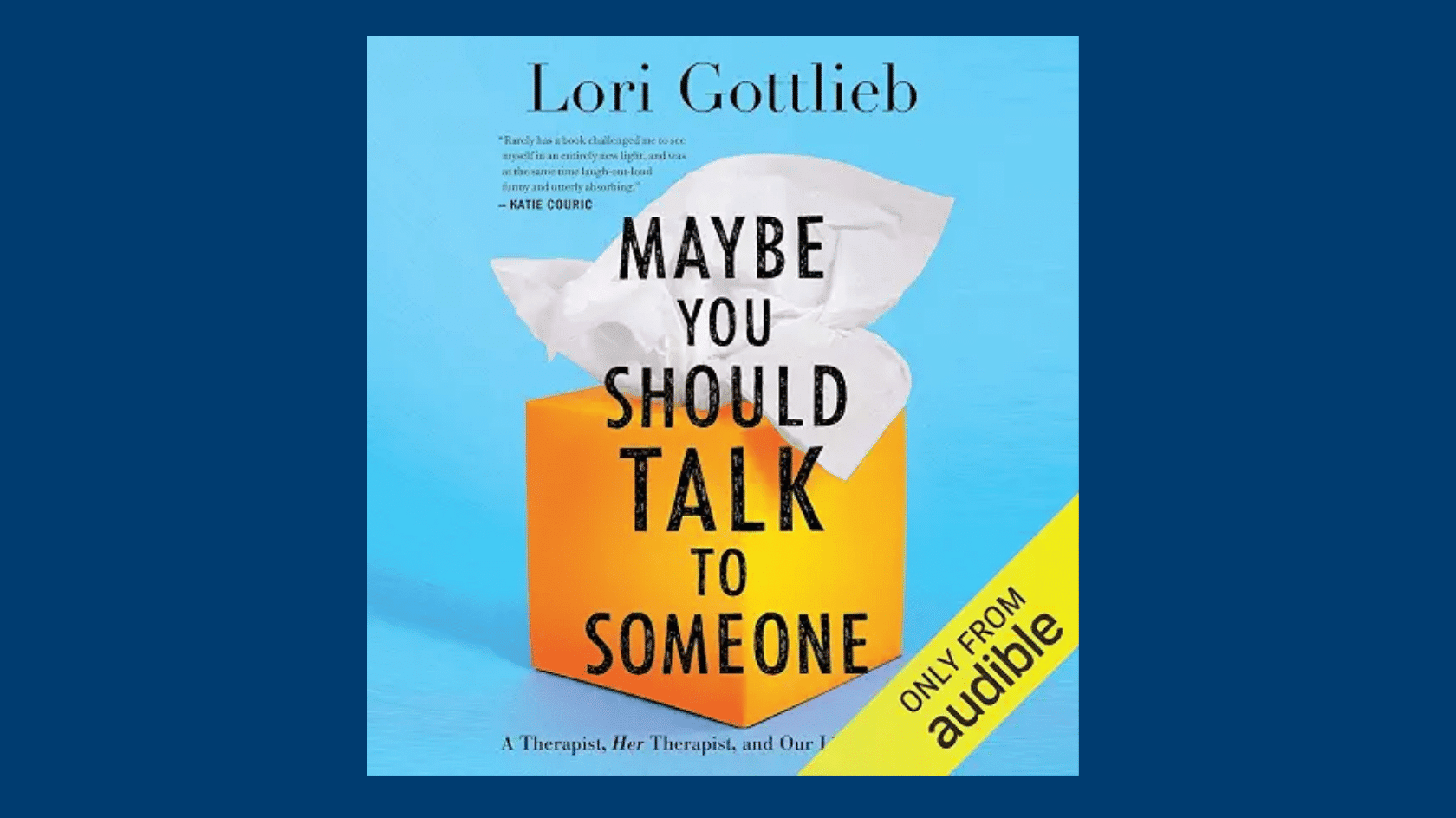
This book mixes real therapy stories with the author’s own experience of becoming a therapy client. It shows what therapy can look like from both sides of the room.
The writing feels more like a true story than a how-to manual, making it approachable for readers curious about therapy and emotional change.
Author: Lori Gottlieb
16. Can’t Hurt Me
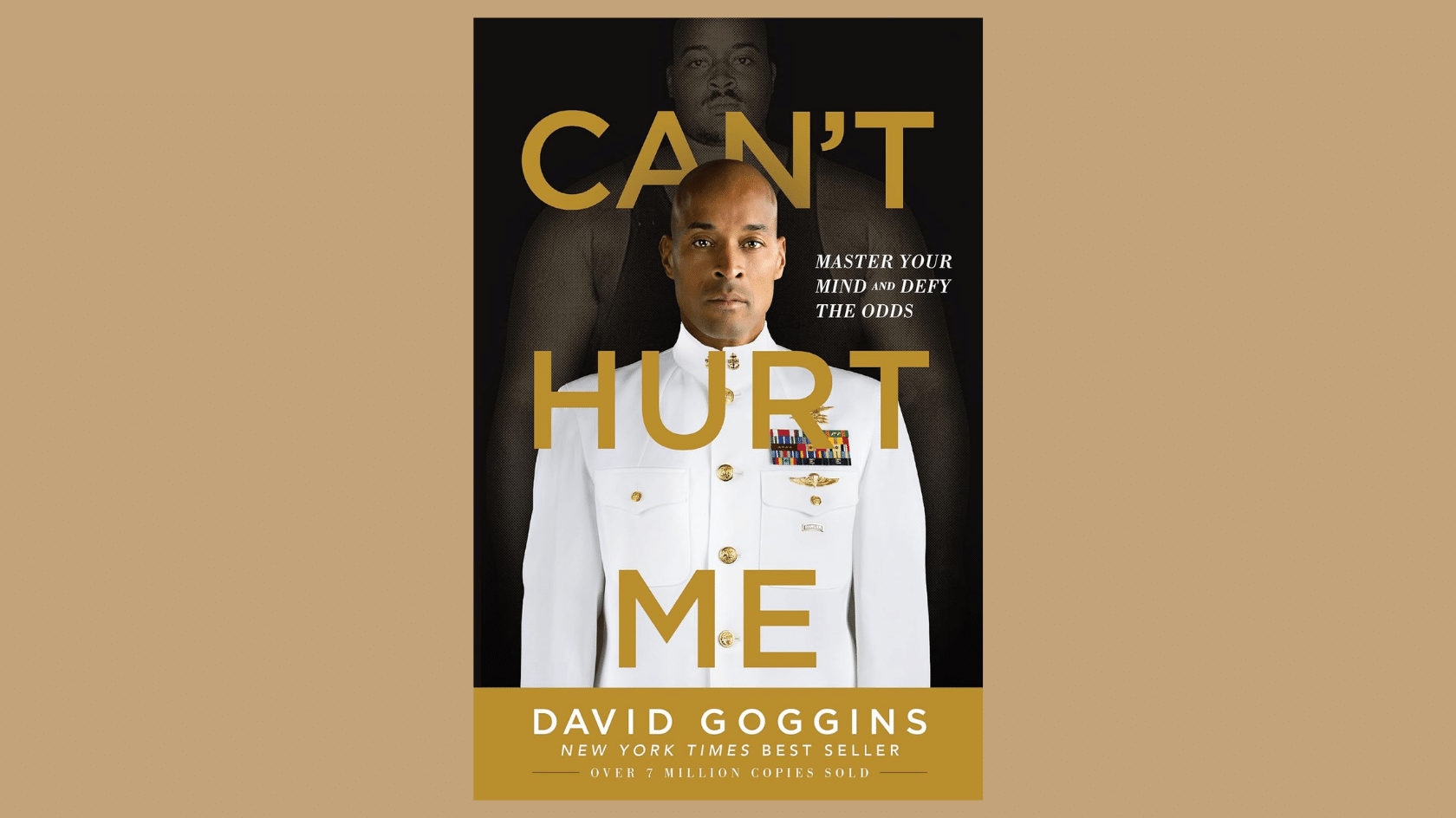
The book turns a difficult personal story into lessons about mental limits, discipline, and endurance.
One key idea is the 40% rule, which suggests people often stop before reaching their full capacity.
The tone is hard and direct, so it may suit readers who prefer tough motivation rather than gentle encouragement.
Author: David Goggins
17. Tiny Habits
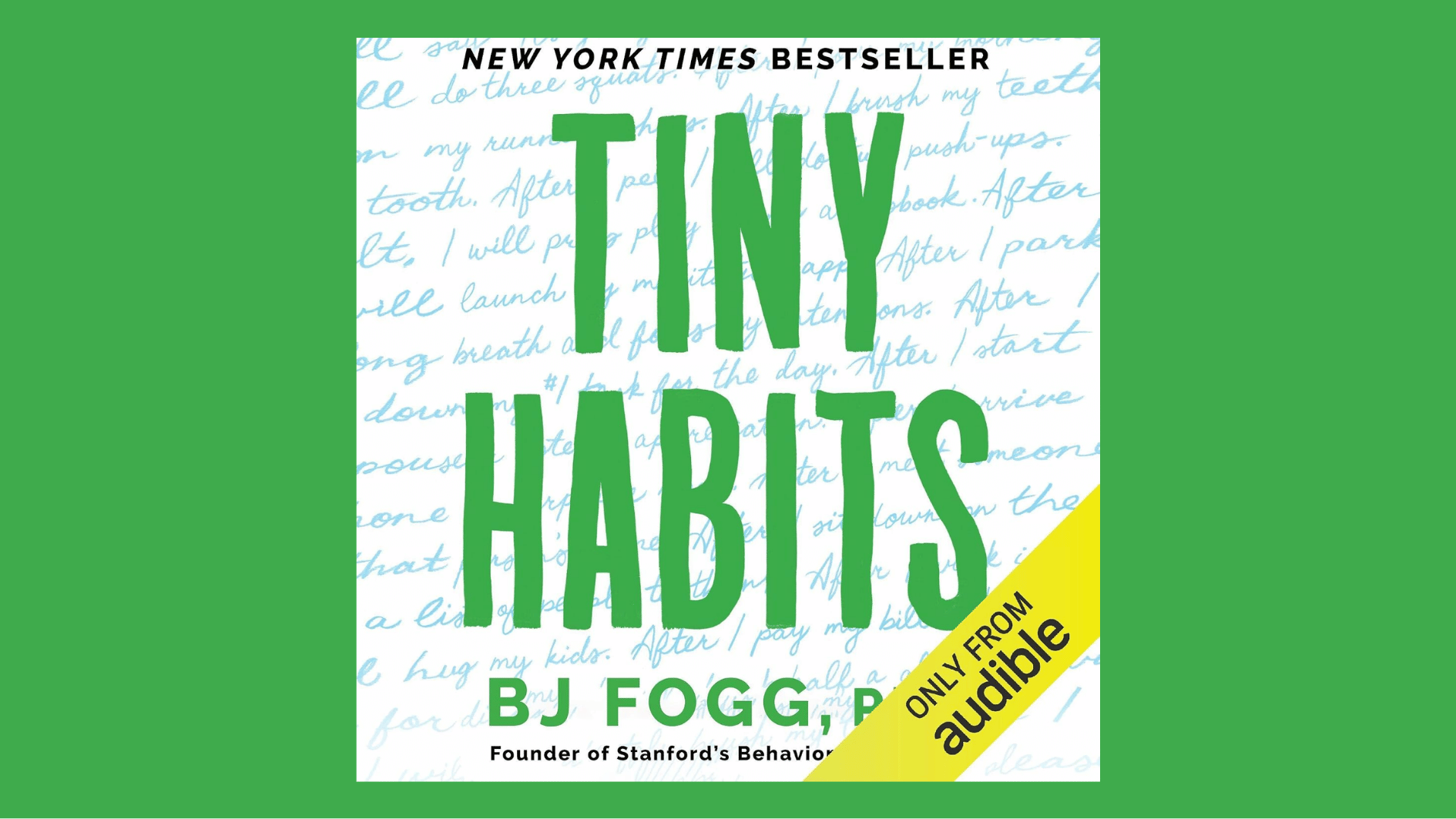
This book argues that habits often fail because people start with changes that are too large. It suggests shrinking a new behavior until it becomes very easy to repeat.
The method is based on behavior research and works more like a system than a memoir, making it useful for readers who struggle with staying consistent.
Author: BJ Fogg
18. Essentialism
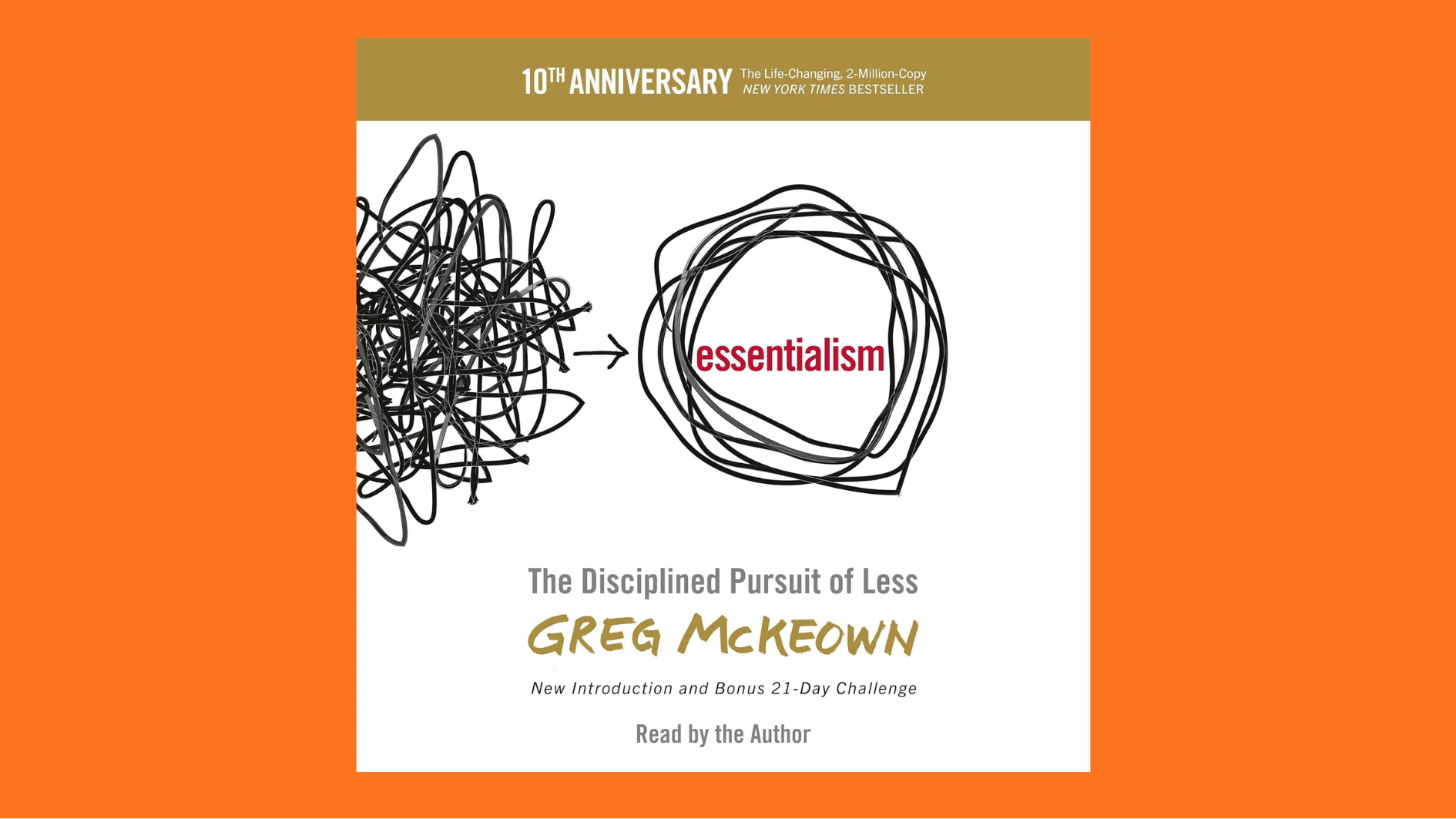
The book focuses on doing fewer things with more care, rather than trying to manage every demand.
It treats most tasks as less important than they first appear and includes short exercises for cutting down commitments.
It may suit readers who feel stretched across too many responsibilities and need clearer priorities.
Author: Greg McKeown
19. Deep Work
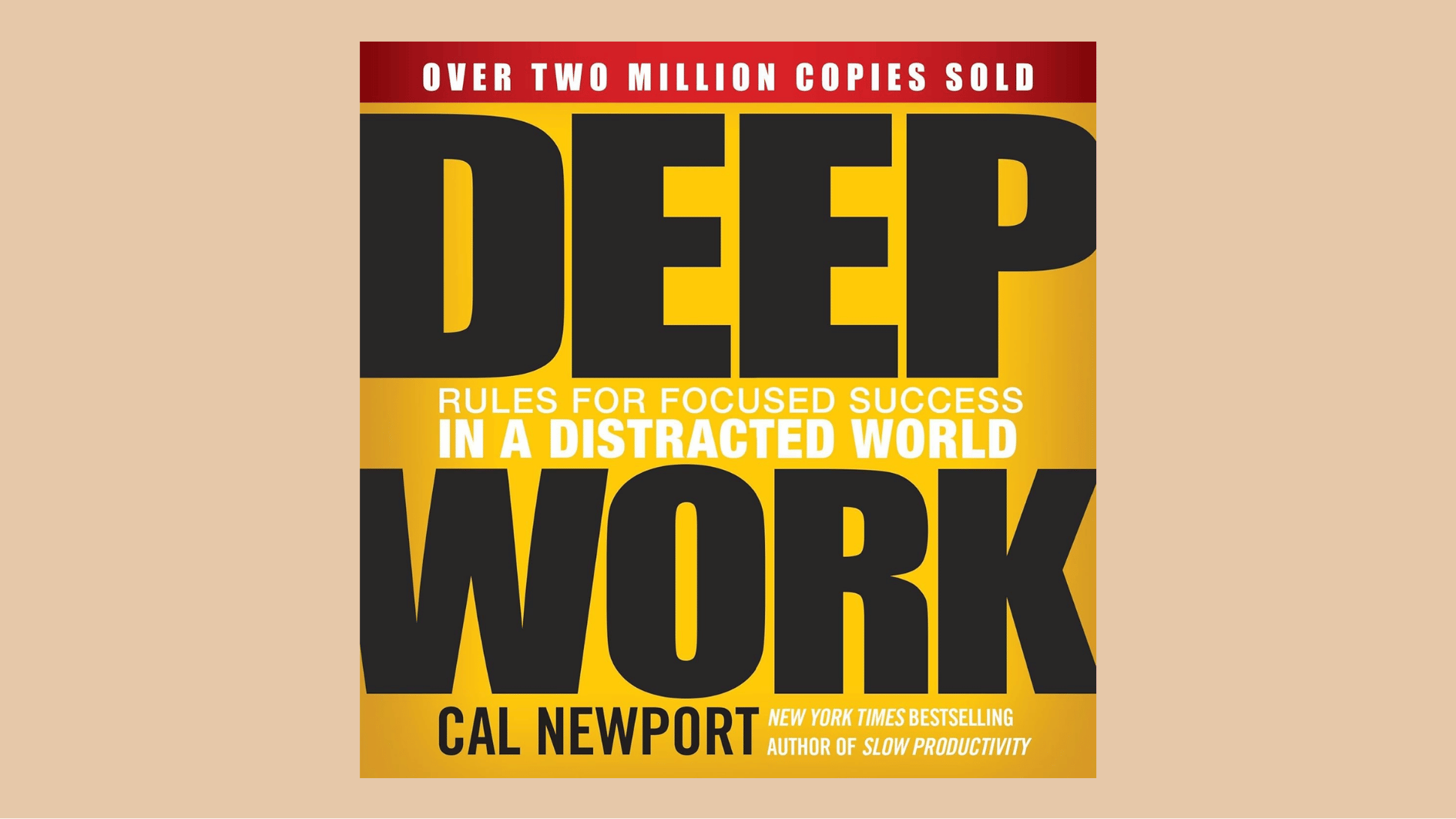
This book argues that focused work without constant distraction is becoming harder to find and more valuable.
It combines research with examples from people who protect long periods of uninterrupted time.
It may be especially useful for readers whose days are often broken up by notifications, meetings, and frequent task switching.
Author: Cal Newport
20. Boundaries
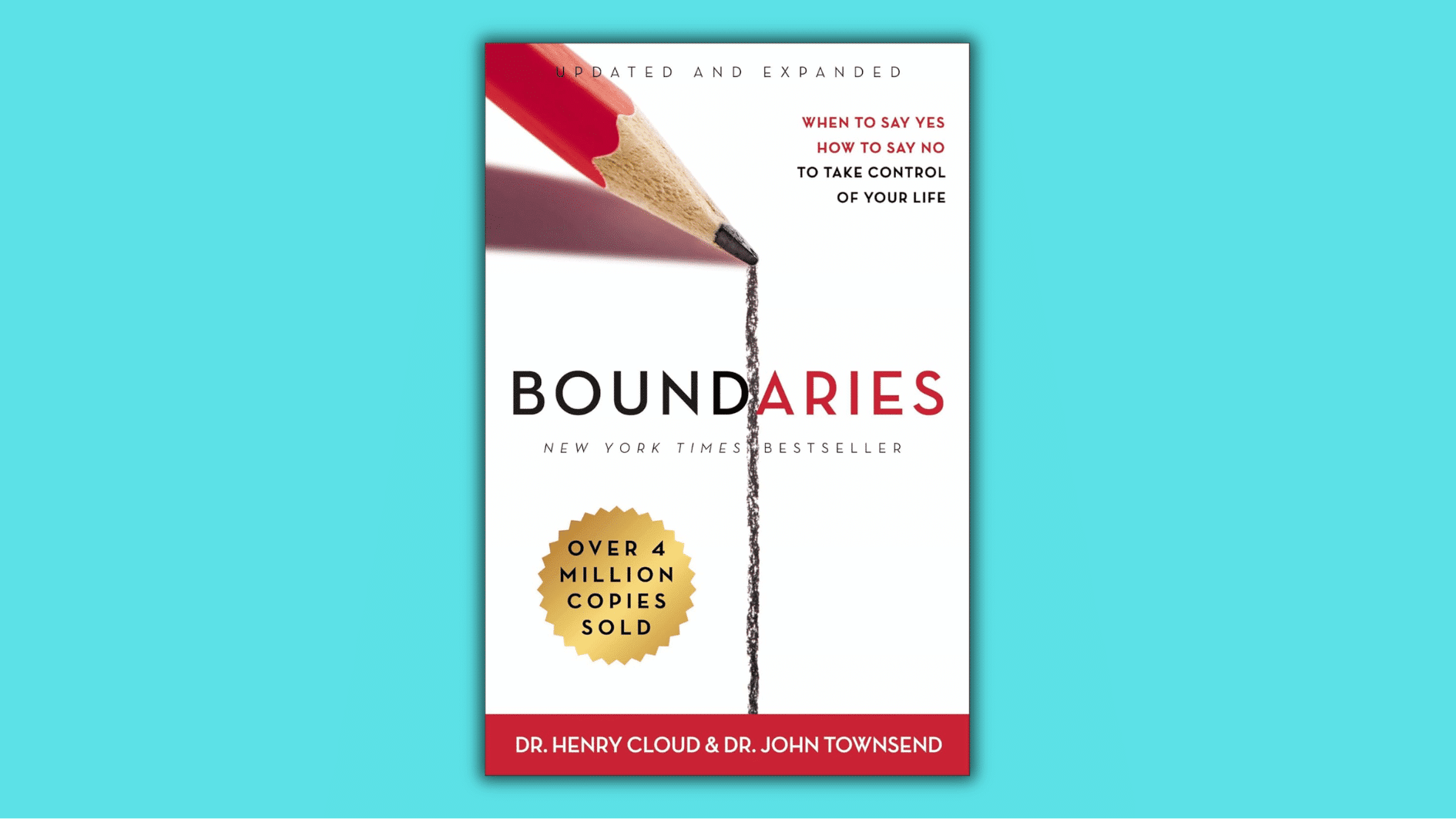
The book treats boundaries as a skill that can be learned, not a fixed personality trait. It looks at what happens when people say yes too often in family, work, and relationships.
The advice comes from a Christian counseling background, so the faith-based framing may matter to some readers.
Author: Henry Cloud & John Townsend
21. Set Boundaries, Find Peace
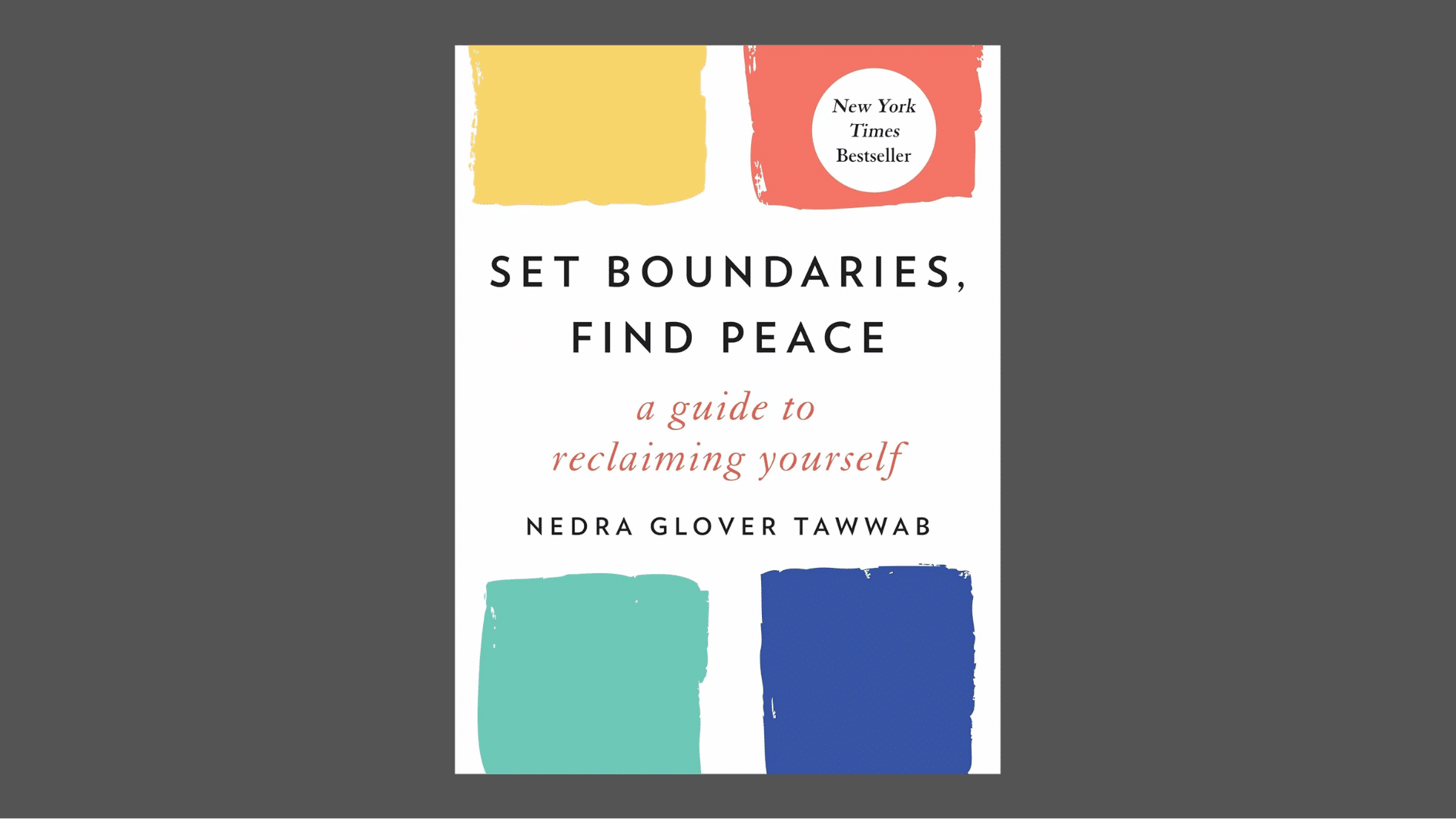
This book focuses on setting limits in everyday relationships without making the process feel confusing. It gives clear wording for dealing with demanding relatives, bosses, or friends.
The format feels practical and workbook-like, making it useful for readers who know they need stronger boundaries but are still learning to draw boundaries without the guilt.
Author: Nedra Glover Tawwab
22. Untamed
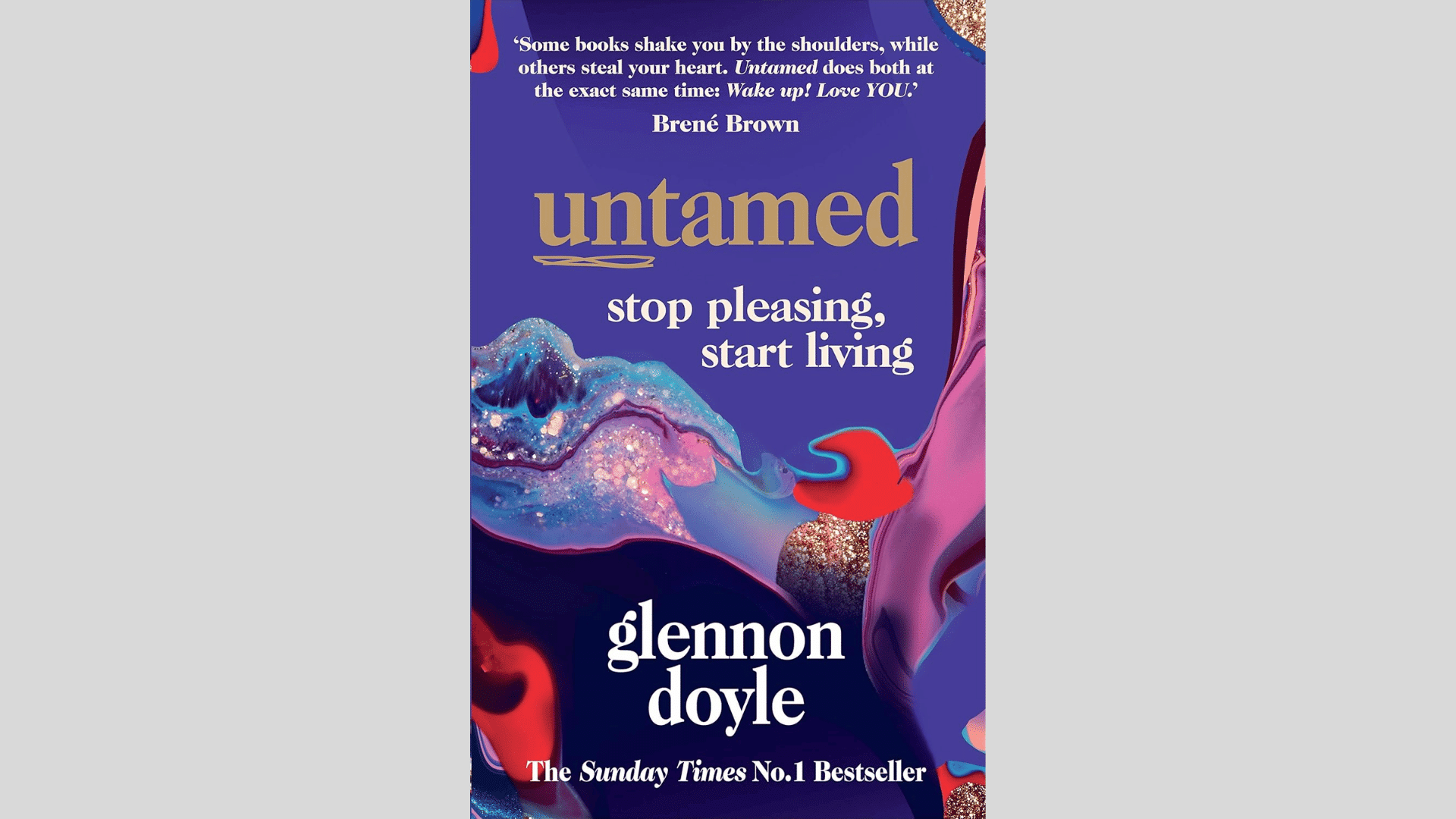
The book blends memoir with personal reflection about relationships, identity, and expectations. It looks at what can happen when someone follows roles that no longer feel right.
The advice is woven through personal stories, so it may suit readers who prefer emotional storytelling over a strict step-by-step self-help format.
Author: Glennon Doyle
23. The War of Art
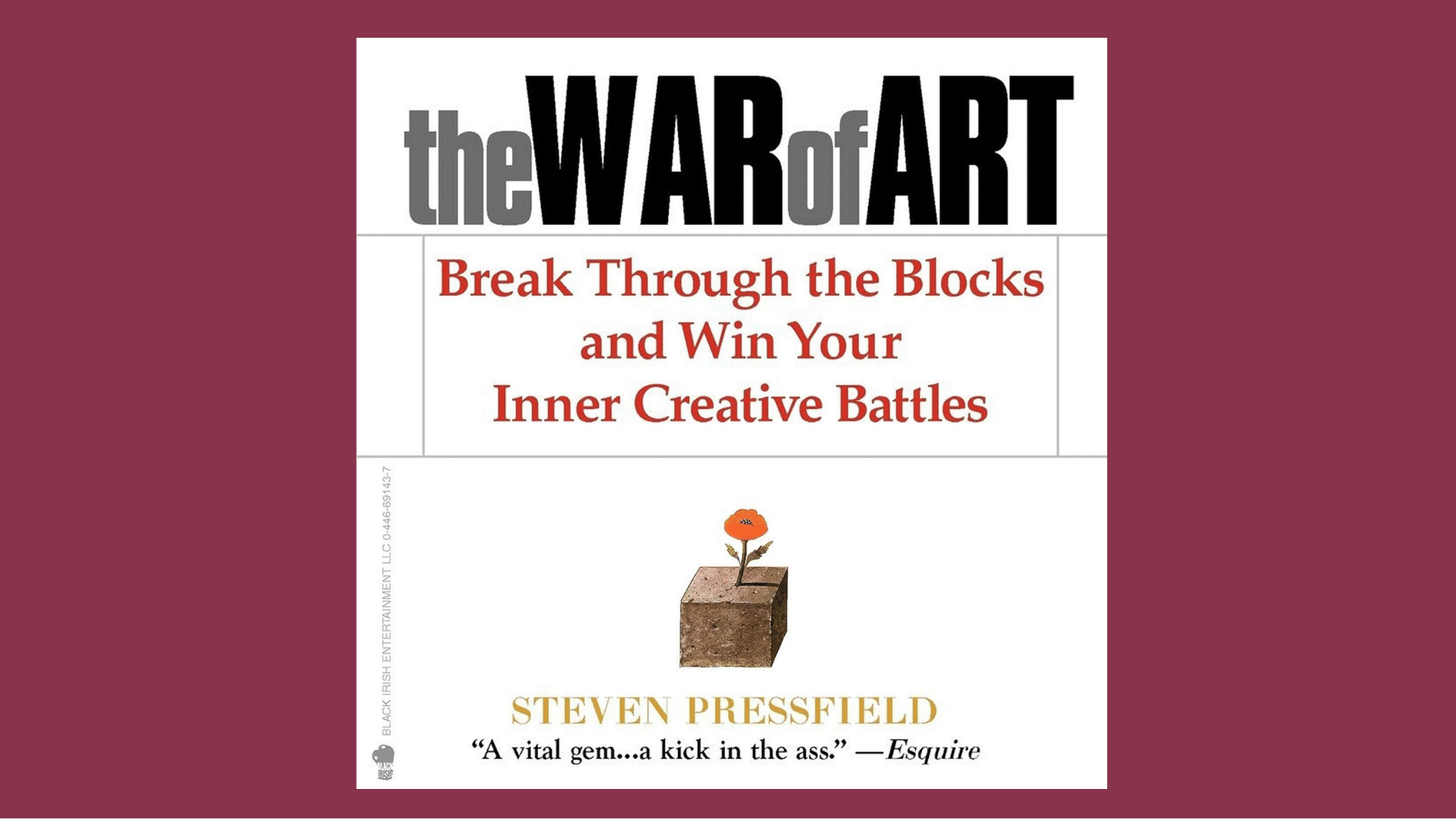
This book focuses on the inner resistance that keeps people from starting creative work, exercise, business ideas, or other goals.
The chapters are short and direct, which makes the book quick to read. It may fit readers who spend too much time planning and need help moving from thought to action.
Author: Steven Pressfield
24. Ikigai
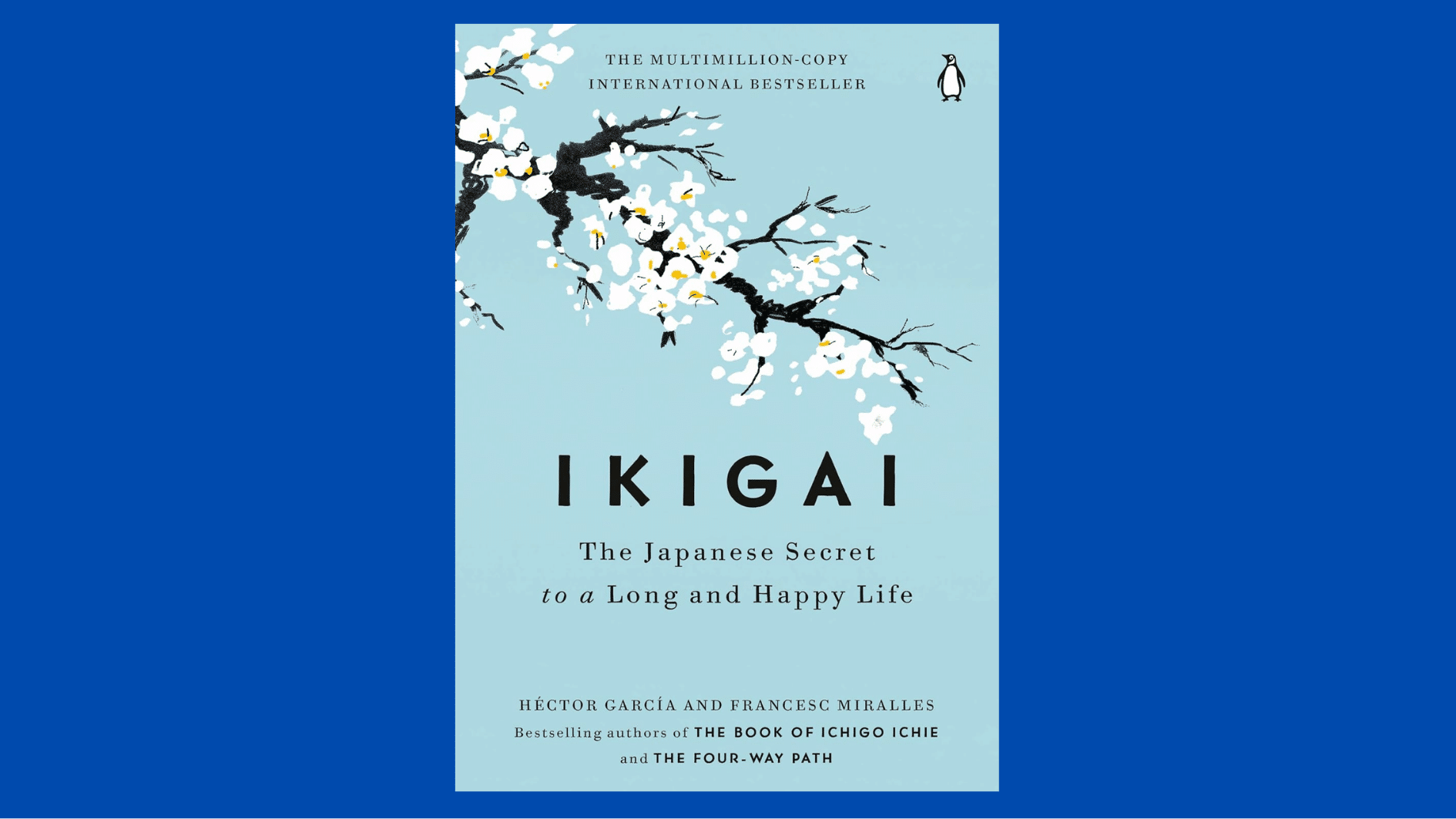
The book looks at daily habits linked with purpose and long life in Okinawa, Japan. It discusses staying active, eating lightly, keeping close friendships, and finding meaning in ordinary routines.
The short chapters and real-life examples may suit readers who want to rethink what makes a satisfying life beyond career success.
Author: Héctor García & Francesc Miralles
25. When Things Fall Apart
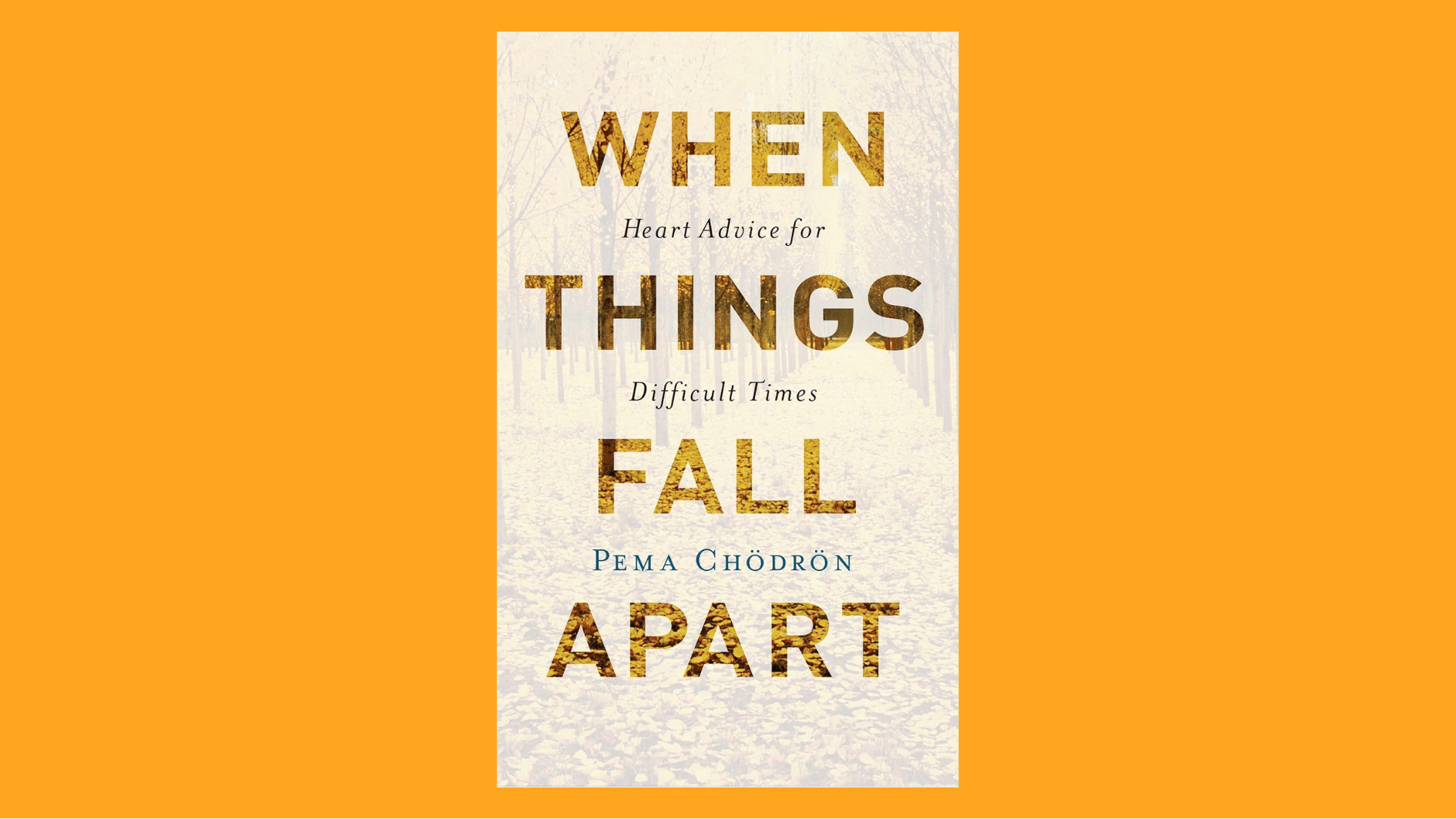
This book speaks to people going through loss, grief, breakups, or other difficult periods.
Its main idea is that pain may become easier to face when it is accepted rather than rushed away.
The short essays draw from Buddhist teaching but use plain language, so prior meditation experience is not required.
Author: Pema Chödrön
26. The Happiness Project
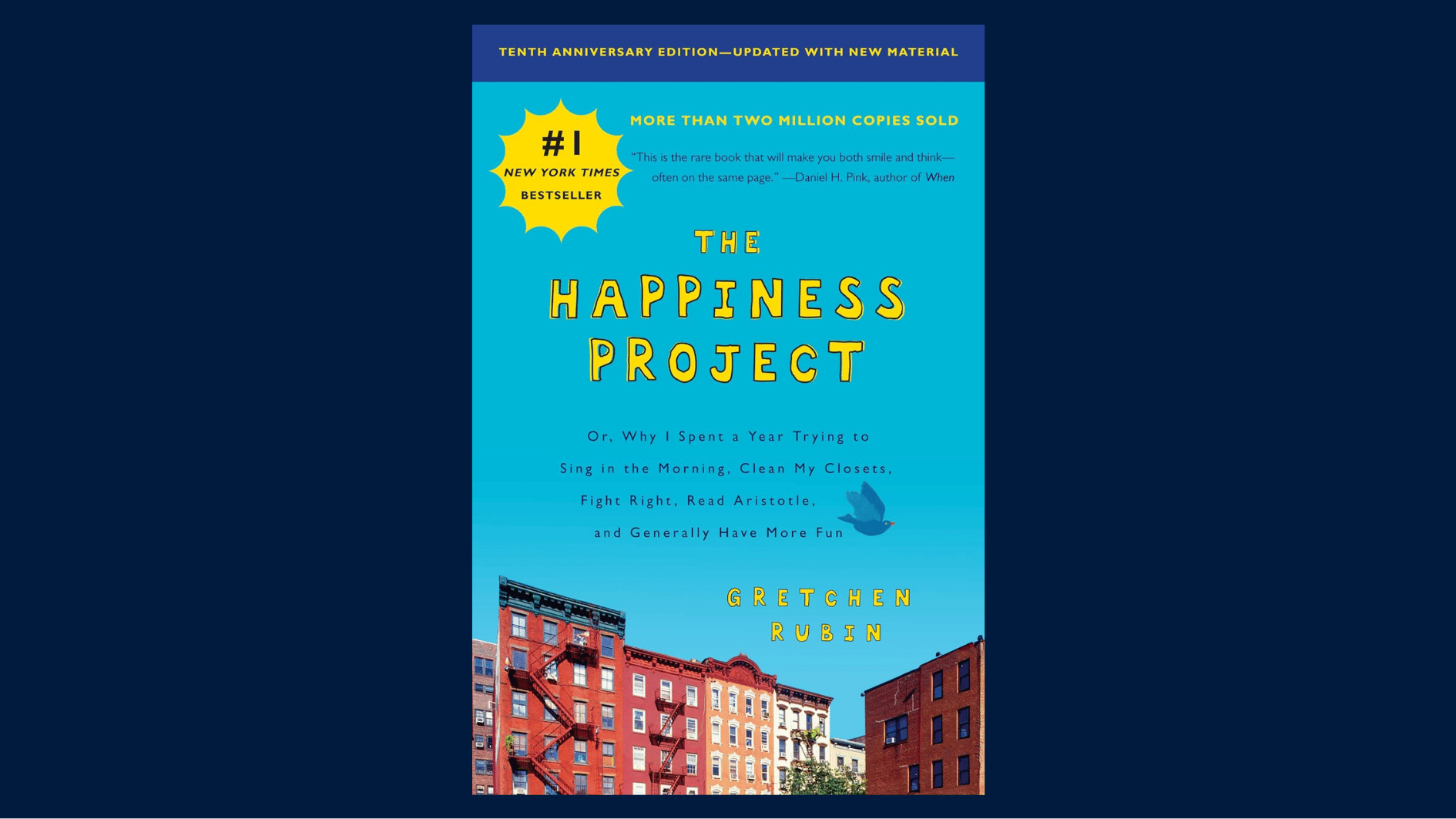
The book follows a year of testing small changes to see what could improve everyday happiness. Each month focuses on different experiments, mixing personal notes with research.
It reads more like a diary than a strict program, making it a good fit for readers who enjoy testing ideas gradually.
Author: Gretchen Rubin
27. Big Magic
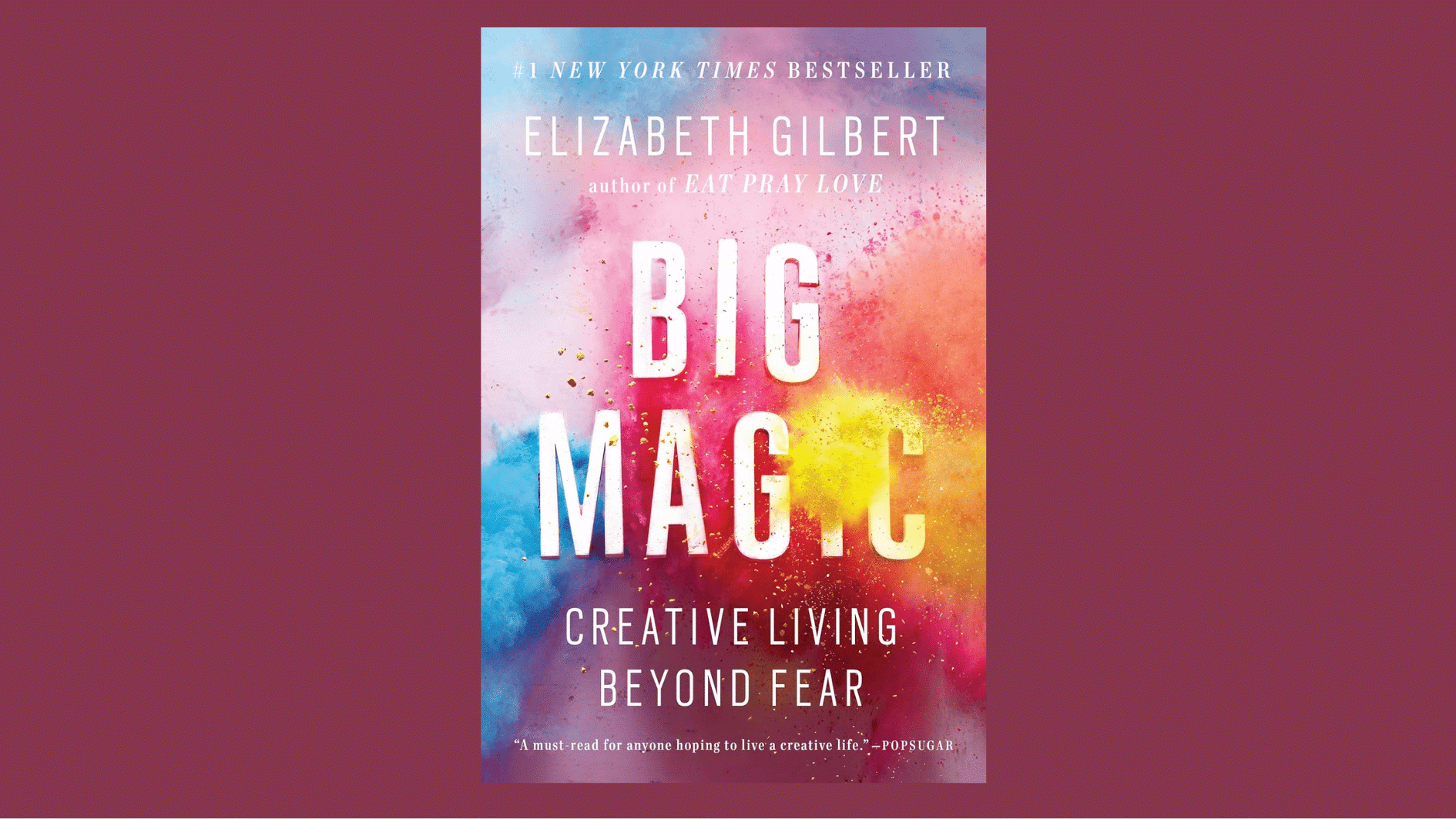
This book focuses on creativity and the fear that often stops people from starting. It argues that creative work doesn’t require perfect timing or ideal conditions.
The writing mixes personal stories with encouragement, making it a good match for readers who keep delaying a creative project because they do not feel ready.
Author: Elizabeth Gilbert
28. The Defining Decade
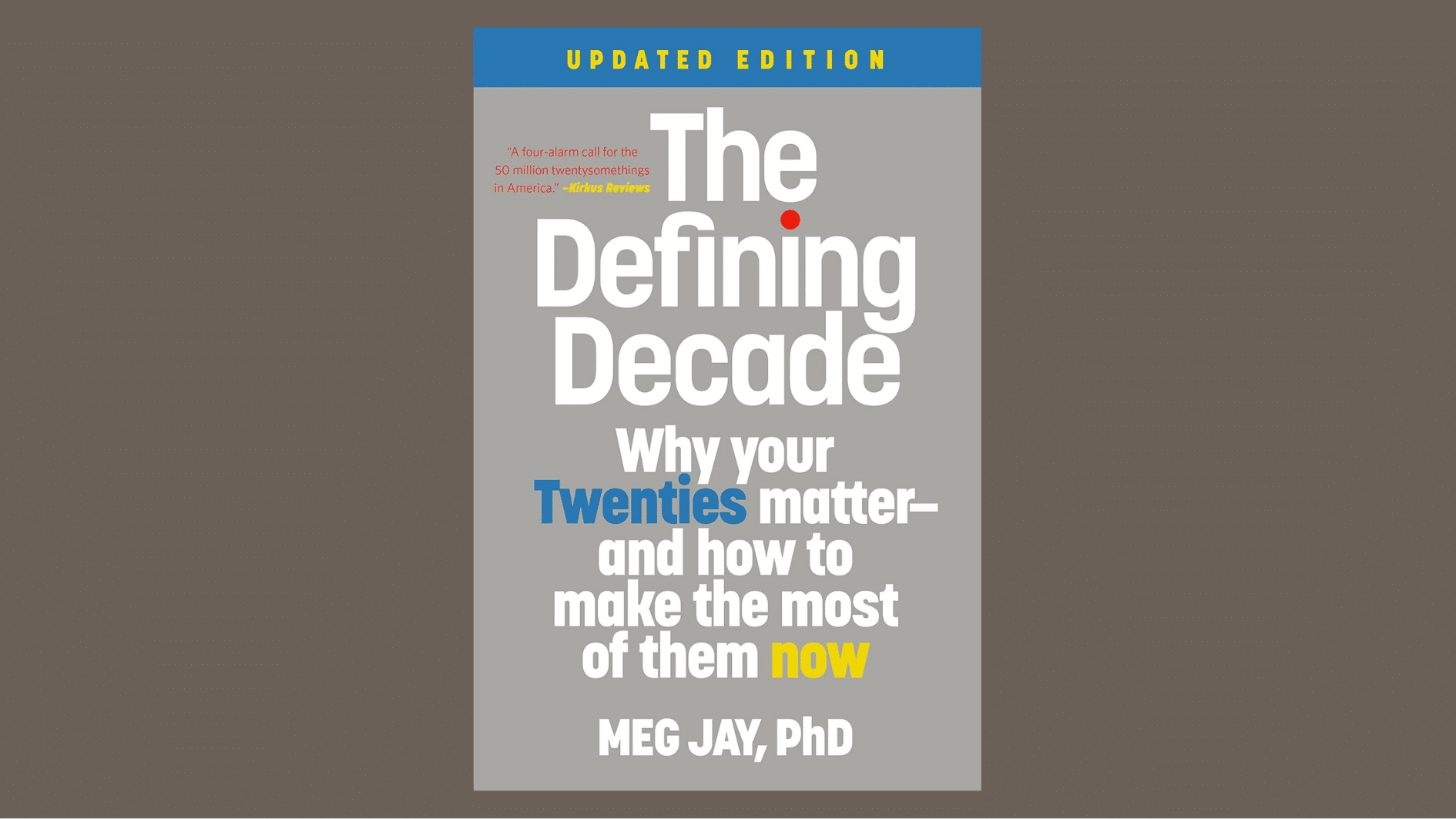
The book looks at the choices people make during their twenties and why those years can shape later life. It uses stories from therapy sessions to discuss careers, relationships, and identity.
It may be especially useful for readers in their twenties or early thirties who feel unsure about which decisions deserve attention.
Author: Meg Jay
29. Awaken the Giant Within
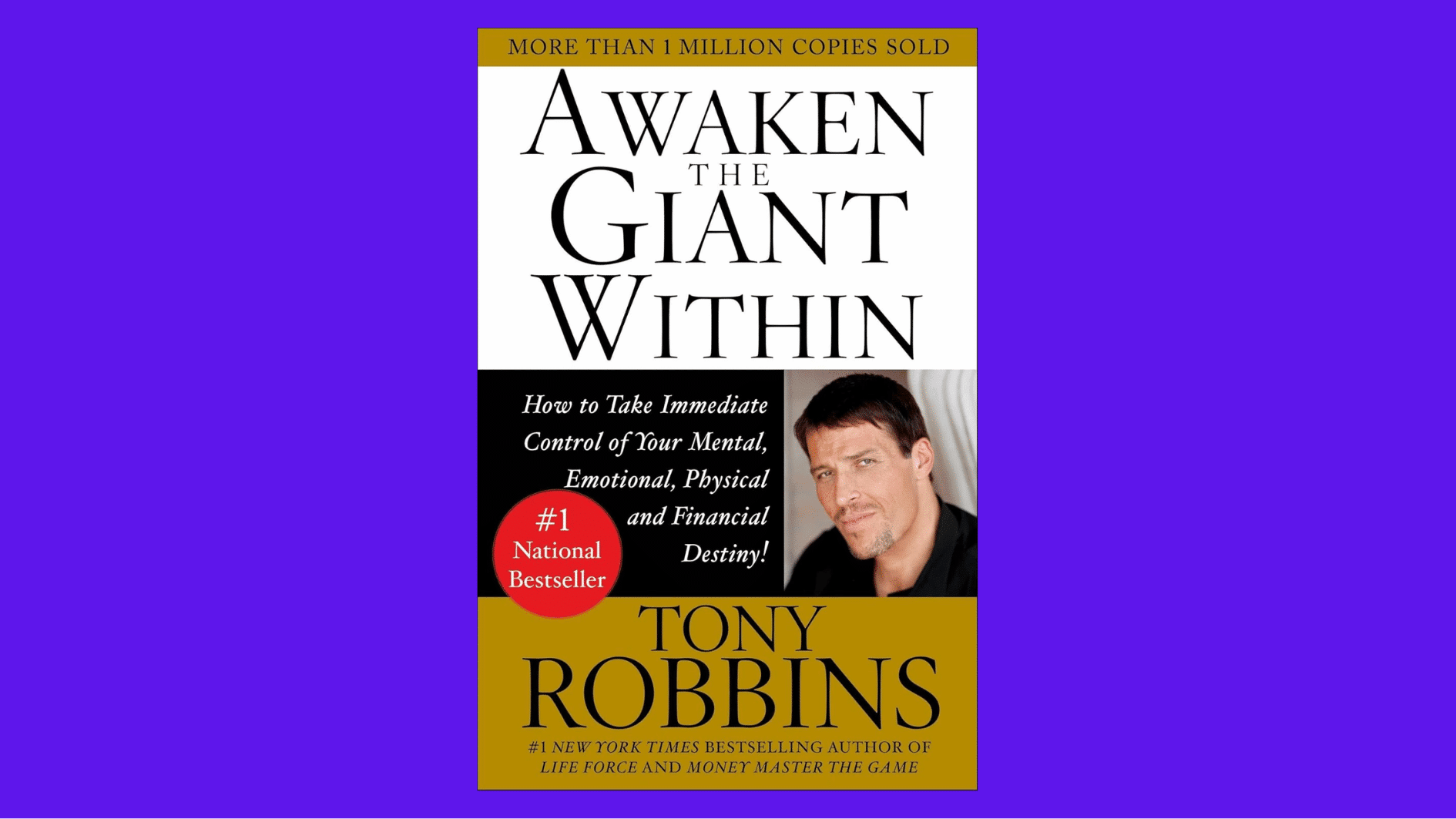
This book looks at how beliefs and repeated thinking patterns can keep people stuck.
It is longer than many self-help titles and includes worksheets throughout, giving readers more material to work through.
It may suit those who want a detailed system rather than a quick motivational read they can finish in one sitting.
Author: Tony Robbins
What Reddit Readers Say About These Picks
Some threads and discussions I found that might help you get insight not just on these books, but on more, and how they are affecting others.
|
A Pick Outside the Usual Self-Help Shelf In a r/suggestmeabook thread asking for books that actually helped, one commenter skipped the usual titles and pointed to Home Comforts by Cheryl Mendelson, a detailed home-care guide she compared to The Joy of Cooking. She argued that keeping a home in order, even in small ways, counts as real self-care for busy parents and working people. |
|
The 100-Book Verdict A longtime r/selfimprovement poster who says they’ve read over 100 self-help titles narrowed the list down to seven must-reads. Atomic Habits topped it for practical habit-building, with The Psychology of Money credited for reshaping how they saw money, and The Courage to Be Disliked praised for a different take on happiness. |
|
Straightforward Books A user in r/suggestmeabook asked for straightforward books which aren’t “cheesy”. They asked the people which non-generic book actually helped them. Other people in the community named the books they liked, like “Home Comforts” by Cheryl Mendelson, which actually helped them. |
|
A Book That “Made Things Click” In the r/selfimprovement thread asking which self-help books left a lasting mark, the top reply pointed to The Untethered Soul by Michael Singer, saying it wasn’t quite self-help but still changed how they saw things. A reply under it added that The Surrender Experiment*, from the same author, is worth reading too. |
Which Personal Growth Book Should You Read?
The right book should match what you want to change, how you like to learn, and how much depth you need.
- Start with One Goal: Choose a book that speaks directly to the habit, mindset, skill, or problem you want to work on.
- Check the Writing Style: Read a sample first to see whether the tone feels clear, natural, and easy to follow.
- Look at The Author: Check the writer’s background, especially for books about psychology, health, money, or other expert-based subjects.
- Choose Practical Value: Pick books with ideas you can use, rather than pages filled with repeated motivation or vague advice.
- Think About Your Reading Level: A useful book should challenge your thinking without making every chapter feel difficult or overly academic.
- Don’t Follow Popularity Alone: A bestseller may be helpful, but it still needs to fit your goals, needs, and preferred approach.
The Bottom Line
Personal growth does not come from finishing as many books as possible. It comes from giving useful ideas enough time to shape the way daily choices are made.
A book may stay with a reader because of one sentence, one shift in thinking, or one change that lasts.
The best books for personal growth can open that door, but the real value begins after the final page.
Reading can offer direction, yet lasting change still depends on what happens next. A thoughtful book is only the beginning. What matters most is carrying its lessons into real life.
Frequently Asked Questions
Can Fiction Books Support Personal Growth?
Yes. Fiction can help readers understand emotions, relationships, choices, and different points of view. A strong story may encourage reflection without giving direct self-help advice.
Are Audiobooks Good for Personal Growth?
Yes. Audiobooks can work well for people who learn better by listening or have limited time to read. The format matters less than understanding and remembering the ideas.
Is There a Right Age to Start Reading Personal Growth Books?
There is no fixed age. Younger readers may prefer simple books about confidence or habits, while adults may look for subjects connected to work, relationships, or life changes.