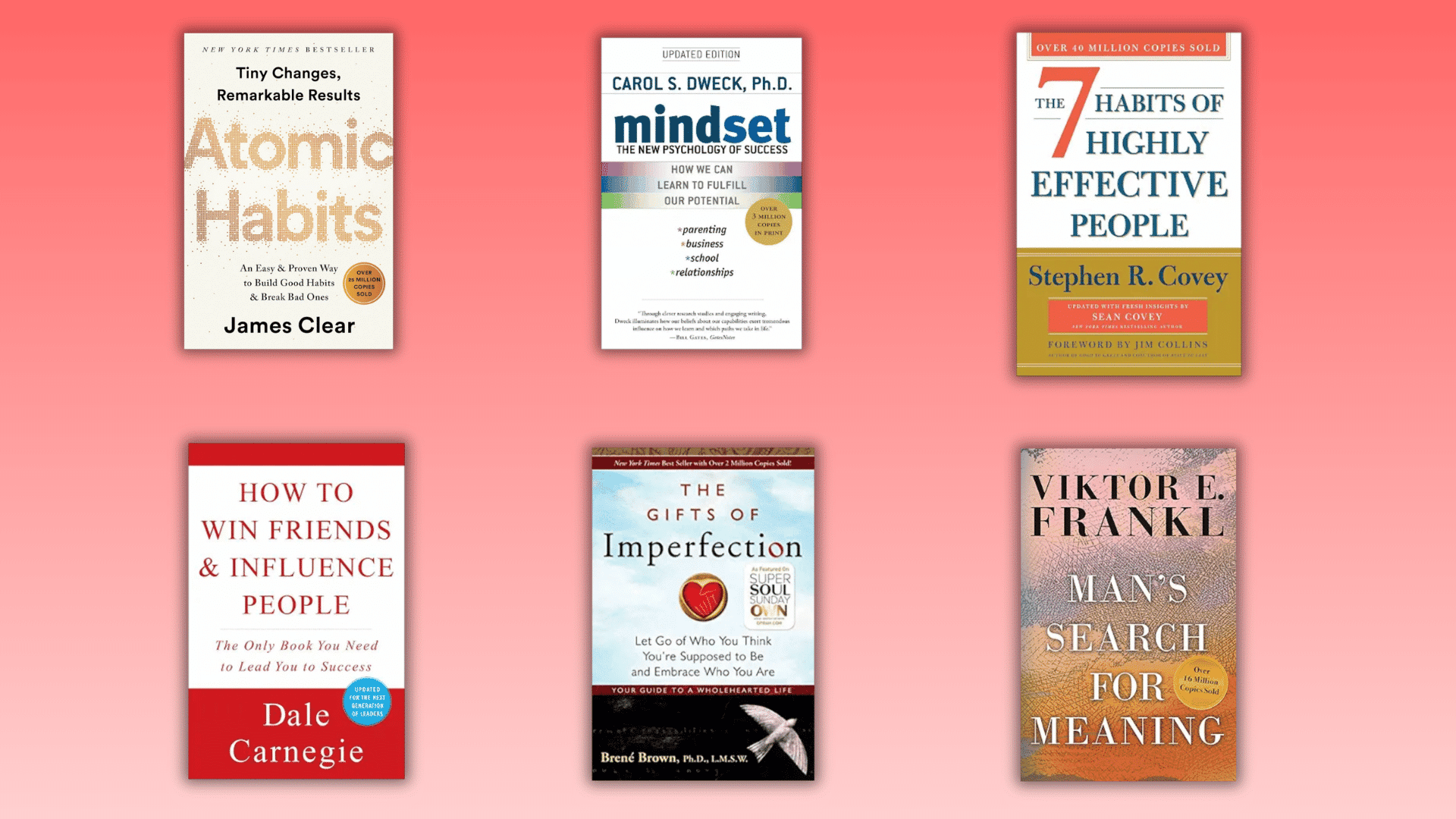

Personal goals aren’t just items on a to-do list; they’re a reflection of who you are and who you hope to become.
I’ve seen how setting the right goals can bring focus, purpose, and a quiet sense of confidence to everyday life.
The key isn’t aiming for perfection, but choosing goals that truly matter to you.
In this blog, I’ll share what I’ve learned about setting personal goals that feel meaningful and achievable. You’ll learn how small, intentional steps can help you build the life you genuinely want.
“What you get by achieving your goals is not as important as what you become by achieving your goals.” – Zig Ziglar
How Personal Goals Shape Your Growth?
Personal goals shape your growth by giving your time, energy, and choices a clear direction. They help you understand what matters to you and what kind of life you want to build.
When you set a goal, you become more aware of your habits, strengths, and areas that need improvement. Small actions, repeated consistently, can slowly create real progress.
They also make it easier to track changes rather than feel stuck or lost. Over time, they help you become more confident, focused, and intentional.
Look at Three Types of Goals with Examples to Help You Grow!
These three types of goals help you improve different parts of life, from personal growth to career progress and measurable results.
Personal Goals that Support Everyday Growth
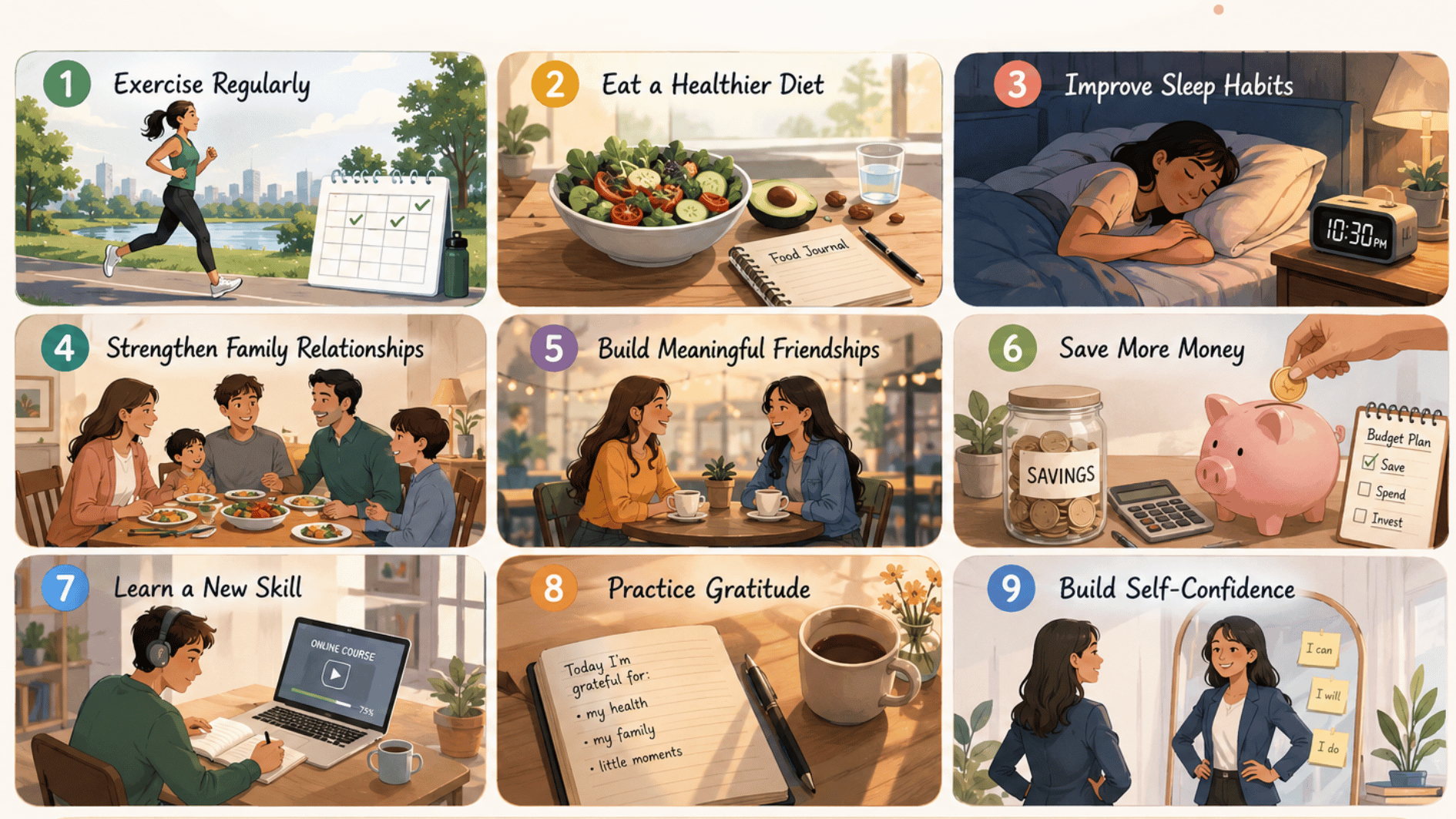
It focuses on the habits, choices, and changes that help you grow in everyday life. They can improve your health, confidence, relationships, mindset, and overall well-being.
1. Exercise Regularly
Staying physically active improves your overall health, increases energy levels, and supports both physical and mental well-being.
Regular exercise is one of the most effective long-term goals because small, consistent efforts add up over time.
- Small First Step: Take a 20-minute walk three times a week.
- How to Track It: Mark each workout on a calendar or fitness app.
- Example: Complete at least 150 minutes of moderate exercise every week.
2. Eat a Healthier Diet
Improving your eating habits helps support energy, mood, immunity, and long-term health. Healthy eating is about making better choices consistently rather than following strict diets.
- Small First Step: Add one serving of vegetables to your daily meals.
- How to Track It: Keep a simple food journal or meal tracker.
- Example: Prepare healthy lunches at home five days a week.
3. Improve Sleep Habits
Good sleep helps your body recover, improves concentration, and supports emotional balance. Making sleep a priority can positively affect nearly every part of your daily life.
- Small First Step: Go to bed at the same time every night.
- How to Track It: Record your sleep hours using a sleep tracker.
- Example: Sleep for 7–9 hours each night.
4. Strengthen Family Relationships
Building stronger relationships with family creates emotional support, trust, and lasting connections. Even small efforts can improve communication and bring people closer together.
- Small First Step: Spend uninterrupted time with family once a week.
- How to Track It: Schedule family activities on your calendar.
- Example: Have a weekly family dinner without phones.
5. Build Meaningful Friendships
Healthy friendships provide encouragement, companionship, and emotional well-being. Investing time in genuine relationships helps create a stronger support system.
- Small First Step: Reach out to one friend each week.
- How to Track It: Keep a list of regular catch-ups or meetups.
- Example: Plan a monthly coffee or video call with close friends.
6. Save More Money
Saving money creates financial security and prepares you for future opportunities or unexpected expenses. Even small savings can grow significantly over time.
- Small First Step: Save a fixed amount from every paycheck.
- How to Track It: Use a budgeting or savings app.
- Example: Build a $1,000 emergency fund within a year.
7. Learn a New Skill
Learning keeps your mind active, builds confidence, and opens new personal and professional opportunities. New skills also encourage creativity and continuous growth.
- Small First Step: Spend 15 minutes learning every day.
- How to Track It: Record completed lessons or practice sessions.
- Example: Finish an online photography course in three months.
8. Practice Gratitude
Gratitude helps shift your attention toward positive experiences and can improve overall emotional well-being. Making it a daily habit encourages a more balanced perspective.
- Small First Step: Write down one thing you’re grateful for each day.
- How to Track It: Maintain a gratitude journal.
- Example: List three positive moments every evening.
9. Build Self-Confidence
Confidence grows through experience, preparation, and repeated action rather than perfection. Setting small challenges helps you gradually believe more in your abilities.
- Small First Step: Do one activity each week that pushes you slightly outside your comfort zone.
- How to Track It: Reflect on your achievements in a personal journal.
- Example: Speak up during meetings or volunteer to lead a small project.
Professional Goals that Help You Grow at Work
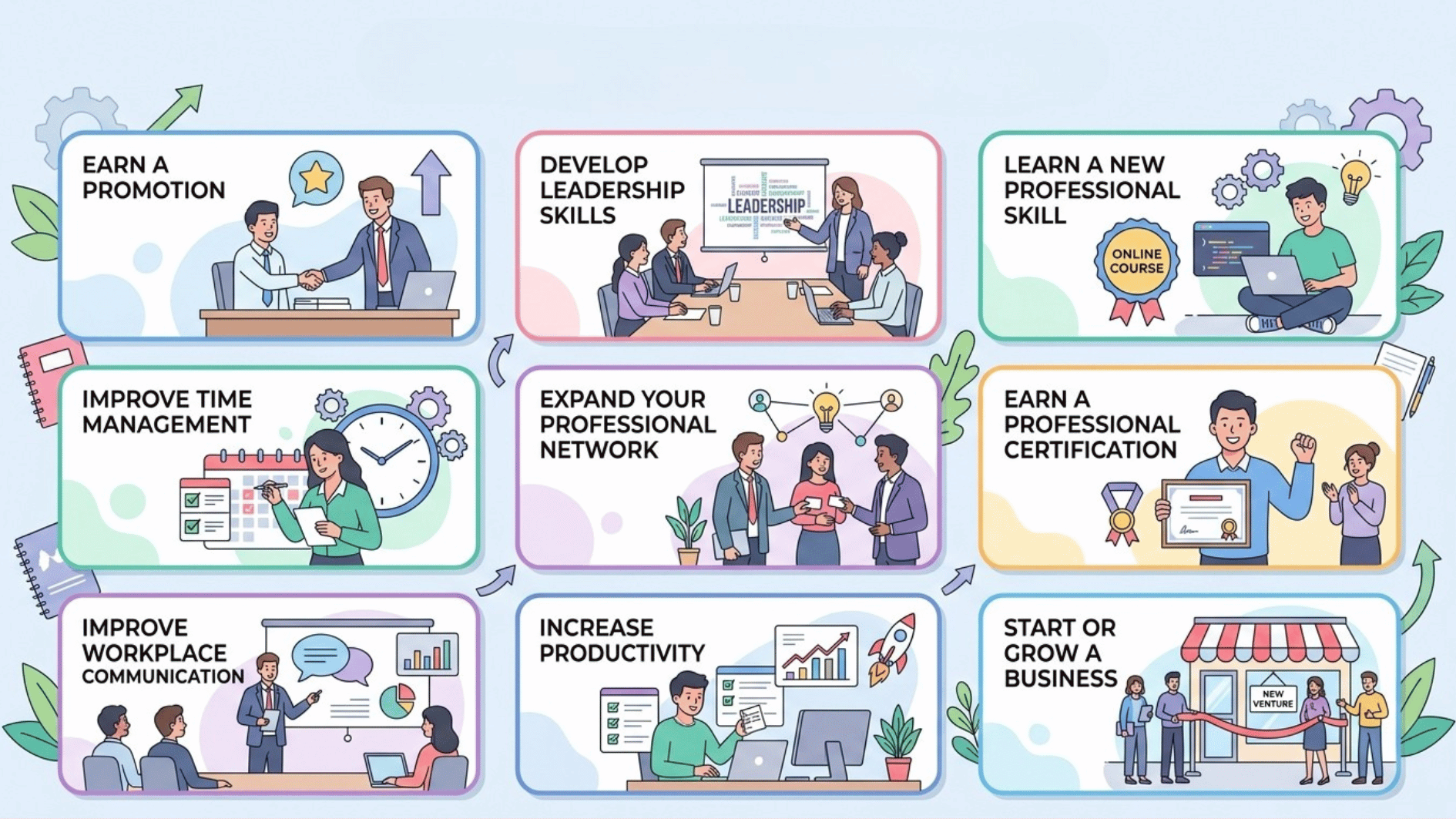
Professional goals focus on the skills, achievements, and progress that help you grow in your career. They can improve your confidence, work performance, income, and future opportunities.
10. Earn a Promotion
Working toward a promotion helps you develop new skills, take on greater responsibility, and advance your career. It also demonstrates your commitment to continuous improvement and professional growth.
- Small First Step: Discuss career expectations with your manager.
- How to Track It: Review completed projects and performance goals each month.
- Example: Earn a promotion to a senior role within two years.
11. Develop Leadership Skills
Strong leadership helps you communicate effectively, solve problems, and inspire others in the workplace. These skills are valuable whether you manage a team.
- Small First Step: Volunteer to lead a small project or meeting.
- How to Track It: Ask for regular feedback from coworkers or supervisors.
- Example: Successfully managed a cross-functional team project.
12. Learn a New Professional Skill
Keeping your skills up to date helps you stay competitive and adapt to changes in your industry. Continuous learning can also open doors to new career opportunities.
- Small First Step: Enroll in an online course related to your field.
- How to Track It: Record completed lessons and earned certificates.
- Example: Become proficient in Excel, Python, or project management software.
13. Improve Time Management
Managing your time effectively increases productivity and reduces workplace stress. Better organization allows you to focus on high-priority tasks without feeling overwhelmed.
- Small First Step: Create a daily task list before starting work.
- How to Track It: Review how many planned tasks you complete each day.
- Example: Finish all priority tasks before the end of each workday.
14. Expand Your Professional Network
Building professional relationships can lead to mentorship, job opportunities, and valuable industry knowledge. Networking is an investment in long-term career success.
- Small First Step: Connect with one new professional every month.
- How to Track It: Keep a list of networking events and new contacts.
- Example: Attend six industry events in one year.
15. Earn a Professional Certification
Certifications strengthen your expertise and demonstrate your commitment to learning to employers. They can also improve your qualifications for future roles.
- Small First Step: Research certifications that match your career goals.
- How to Track It: Set study milestones and exam dates.
- Example: Complete a PMP, Google, or AWS certification.
16. Improve Workplace Communication
Clear communication reduces misunderstandings and helps build stronger working relationships. It also improves collaboration across teams.
- Small First Step: Practice active listening during meetings.
- How to Track It: Ask colleagues for feedback on your communication skills.
- Example: Deliver confident presentations during team meetings.
17. Increase Productivity
Improving productivity helps you accomplish more while maintaining quality and reducing unnecessary stress. Small workflow improvements can make a big difference over time.
- Small First Step: Eliminate one daily distraction during work hours.
- How to Track It: Measure completed tasks or projects each week.
- Example: Increase project completion rates by 20% this quarter.
18. Start or Grow a Business
Building a business requires planning, persistence, and continuous learning. Setting clear business goals helps you make steady progress toward long-term success.
- Small First Step: Create a simple business plan and identify your target audience.
- How to Track It: Monitor revenue, customers, and monthly business goals.
- Example: Launch an online business and gain your first 100 customers.
Measurable Goals that Keep You on Track
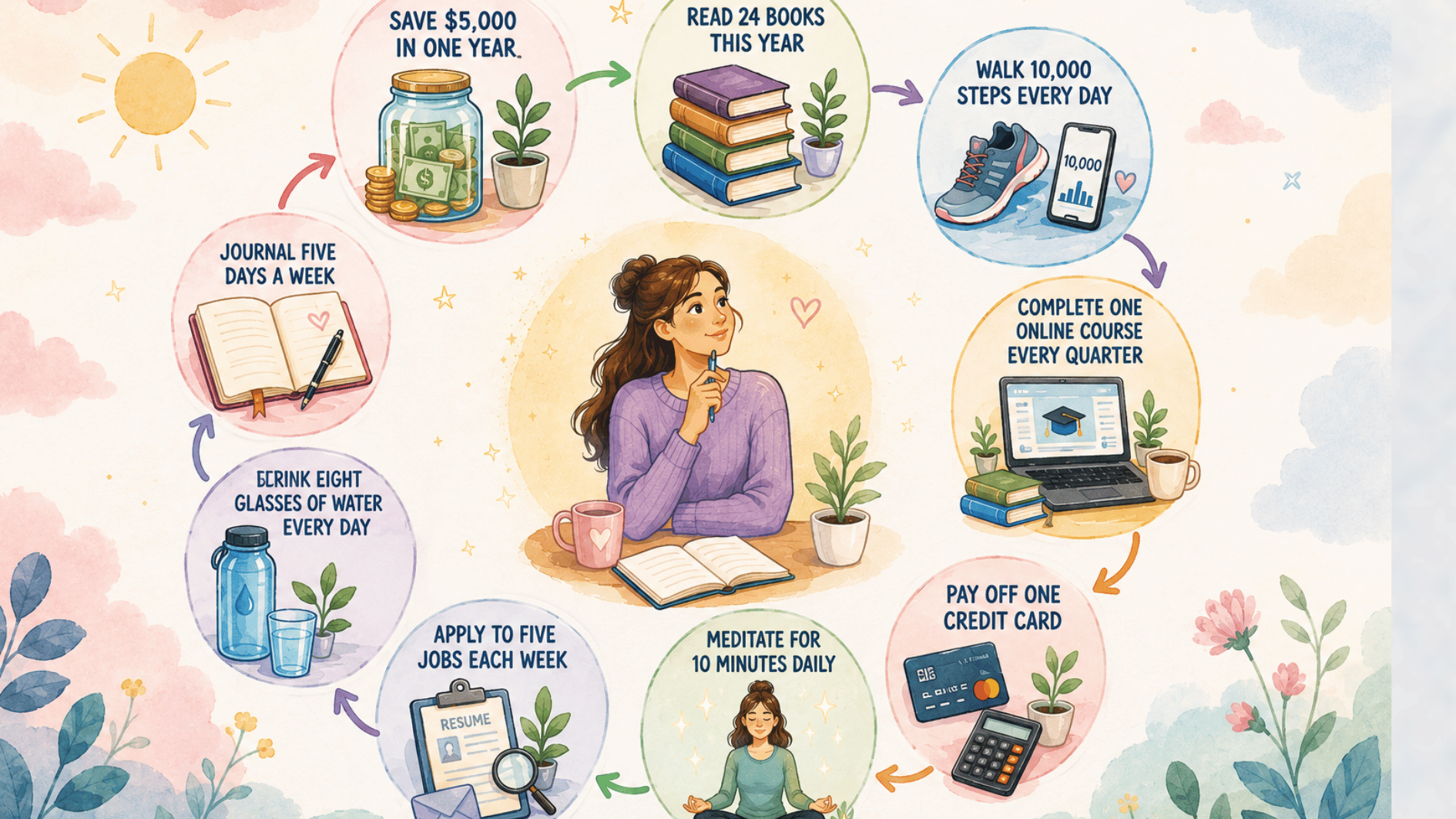
Measurable Goals include Clear Numbers, Deadlines, or Progress Markers that Make Success Easier to Track. They Help You Stay Focused Because You Can Clearly See What Is Improving.
19. Save $5,000 in One Year
A measurable savings goal gives you a clear financial target and helps build long-term security. Breaking it into monthly or weekly amounts makes it easier to stay consistent.
- Small First Step: Set up an automatic monthly transfer to your savings account.
- How to Track It: Check your account balance at the end of each month.
- Example: Save approximately $417 every month to reach $5,000 in a year.
20. Read 24 Books This Year
Reading regularly expands your knowledge, improves focus, and encourages lifelong learning. Setting a specific reading target keeps you motivated throughout the year.
- Small First Step: Read for 20 minutes each day.
- How to Track It: Keep a list of completed books or use a reading app.
- Example: Finish two books every month.
21. Walk 10,000 Steps Every Day
A daily step goal encourages regular physical activity and supports overall health. Having a specific number makes it easy to monitor your progress.
- Small First Step: Take a 15-minute walk after lunch.
- How to Track It: Use a fitness tracker or a smartphone health app.
- Example: Reach 10,000 steps on at least five days each week.
22. Complete One Online Course Every Quarter
Learning on a regular schedule helps you build new skills without feeling overwhelmed. Quarterly goals are specific and easy to measure.
- Small First Step: Enroll in a course that aligns with your interests or career goals.
- How to Track It: Record completed modules and certificates.
- Example: Finish four online courses in one year.
23. Pay Off One Credit Card
Setting a debt repayment goal helps improve your financial health and reduce interest costs. A clear payoff target keeps you focused.
- Small First Step: Pay more than the minimum payment each month.
- How to Track It: Monitor your remaining balance every month.
- Example: Eliminate a $2,000 credit card balance within 12 months.
24. Meditate for 10 Minutes Daily
A measurable mindfulness goal helps build consistency and supports mental well-being. Even a short daily practice can make a noticeable difference over time.
- Small First Step: Schedule meditation at the same time each day.
- How to Track It: Mark completed sessions on a habit tracker.
- Example: Meditate for at least 10 minutes every morning.
25. Apply to Five Jobs Each Week
A structured job search increases your chances of finding new opportunities. Setting a weekly application target keeps your efforts consistent.
- Small First Step: Update your resume and prepare a cover letter template.
- How to Track It: Maintain a spreadsheet of submitted applications.
- Example: submit Five Quality Job Applications Every Week.
26. Drink Eight Glasses of Water Every Day
A daily hydration goal is simple to measure and supports overall health. Tracking your intake helps turn healthy behavior into a habit.
- Small First Step: Carry a reusable water bottle throughout the day.
- How to Track It: Use a hydration app or water intake log.
- Example: Drink eight 8-ounce glasses of water daily.
27. Journal Five Days a Week
Writing regularly helps organize your thoughts, reflect on experiences, and monitor personal growth. A weekly target makes the habit easier to maintain.
- Small First Step: Write for five minutes before going to bed.
- How to Track It: Check off each completed journal entry on a calendar.
- Example: complete Five Journal Entries Every Week.
How to Set Effective Personal Goals?
The best goals are realistic, meaningful, and supported by consistent action. These simple strategies can help you stay focused and make steady progress.
- Start With Your Priorities: Choose goals that align with what truly matters to you.
- Be Specific: Clearly define what you want to achieve instead of setting vague goals.
- Break Goals Into Small Steps: Divide big goals into manageable actions to make progress easier.
- Set a Realistic Timeline: Give yourself achievable deadlines that encourage consistency rather than pressure.
- Track Your Progress: Use a journal, a checklist, or an app to monitor your progress over time.
- Stay Flexible: Adjust your goals when your circumstances or priorities change.
- Celebrate Small Wins: Recognizing each milestone keeps you motivated to continue moving forward.
Real Stories on Setting and Achieving Personal Goals
Real Stories Show that Goals Often Become Achievable Through Small Steps, Consistency, Setbacks, and Steady Progress Over Time.
Becoming Productive and Rebuilding Life
A R/deciding to be better user Wrote that they became more productive, started going to the gym six days a week, healed from a toxic relationship, and secured a new job after many failed attempts. Their progress came from consistent effort across health, emotional healing, and career goals.
Balancing Goals with Mental Health
In R/selfimprovement, a user shared that they made more progress by addressing their emotions rather than simply forcing themselves to “just do it.” this shows that Personal goals Work better when they support mental health rather than ignore it.
Reaching a Goal Weight
A reddit user in R/loseit Shared that they went from around 70 kg to 55 kg, reaching their goal weight after struggling with fat loss for years. Their story shows how a clear target, steady effort, and support can help someone achieve a personal health goal.
Breaking Goals Into Weekly Actions
A R/getdisciplined user Described using weekly goals to stay consistent, such as breaking newsletter writing into several days of writing and editing. This shows how large goals become easier when divided into smaller, repeatable tasks.
Final Thoughts
Looking back at personal growth, it often begins with something simple: deciding what truly matters and setting goals around it.
Throughout this blog, the role of a professional, Measurable goals in bringing structure to daily life and turning vague hopes into clear direction has been demonstrated.
If I had to leave you with one thought, it would be this: progress is built quietly, one step at a time.
So pick just one goal from the list today, write it down, and let that be your starting point. Small actions truly shape big change over time.
Frequently Asked Questions
Can Small Goals Really Make a Difference?
Yes, small daily actions build habits that lead to big, long-term changes.
How Many Goals Should I Set at Once?
It’s better to focus on a few goals at a time so you don’t feel overwhelmed.
How Do I Know if My Goal Is Working?
If you’re making steady progress or building better habits, your goal is working.