
After a rude comment, harsh tone, or unexpected act of hostility, you may start wondering why people are so mean.
When it happens repeatedly, it can feel personal and leave you questioning what you did wrong.
In many cases, mean behavior says more about the other person’s stress, insecurity, emotional regulation, or learned communication patterns than it does about you.
This blog explains the psychological, emotional, and situational reasons people act mean or rude, and how you can respond without letting their behavior define your self-worth.
Why are People so Mean?People act mean for three main reasons: psychological patterns like low self-esteem, unresolved emotions like built-up anger or grief, or situational stress like tight deadlines and anonymity online. This means meanness usually reflects the other person’s internal state, not something you caused. Behavioral psychology often breaks this down further through the four functions of behavior, a framework that explains what a person’s actions are actually trying to accomplish. A defense mechanism that can show up as harsh comments, sarcasm, or unfair criticism toward whoever’s closest at the time. |
Why Is Everyone So Mean to Me: What I Tell Clients
When a client asks me this, I first ask them to separate one bad interaction from an actual pattern.
Our brains replay a single sharp comment far more than ten kind ones, which skews how “mean” a day feels, a pattern closely tied to the kind of irrational thoughts that make one bad moment feel bigger than it is.
If it’s a real pattern, I ask who else that person treats poorly; chronic rudeness is rarely personal, it’s a habit aimed at everyone.
From there, we work on setting one clear boundary, like naming the behavior out loud, instead of absorbing it silently or assuming you caused it.
What Actually Makes People Mean?
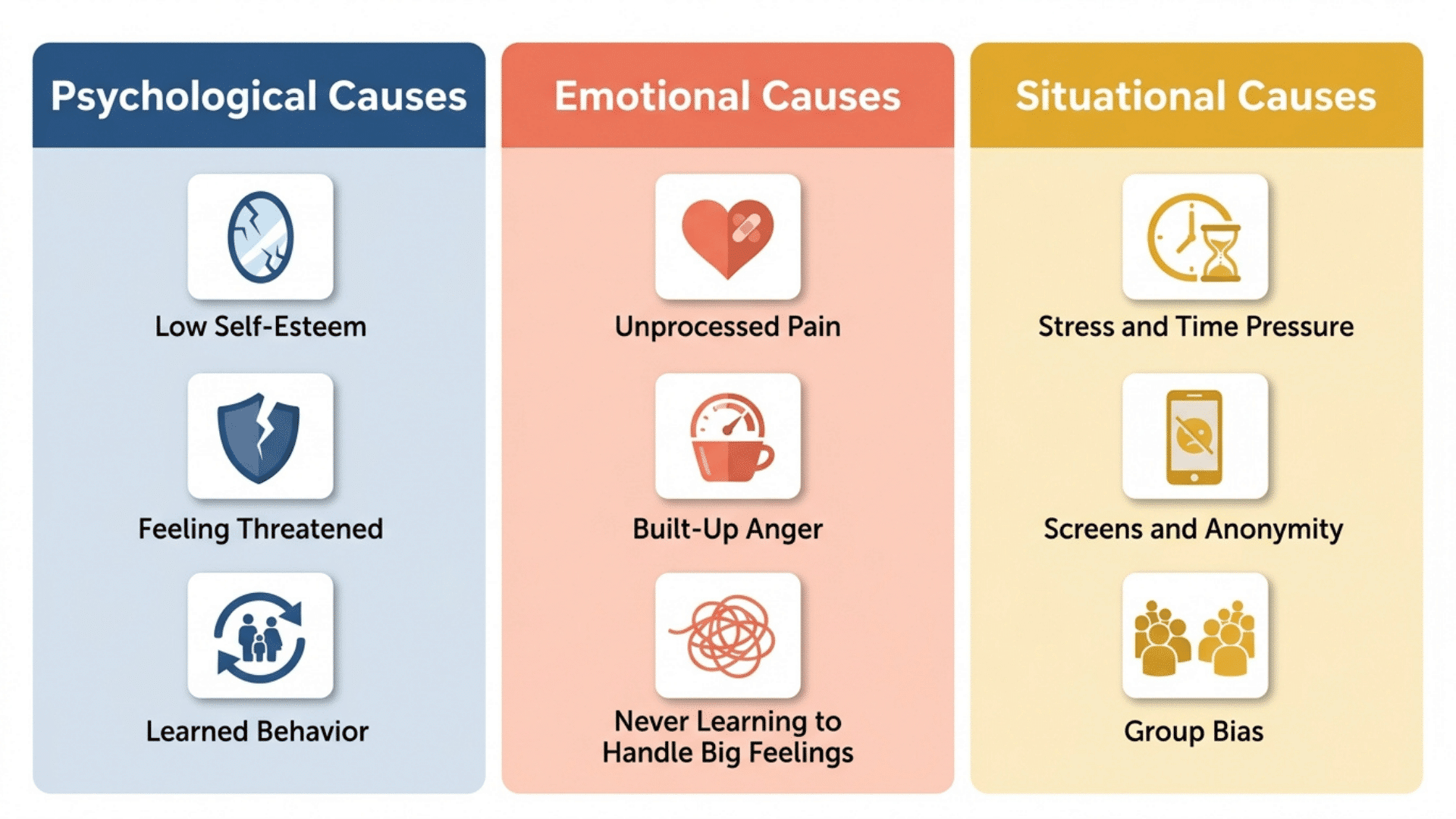
Mean behavior rarely comes out of nowhere. It usually falls into one of three buckets: how a person thinks, how they feel, or the moment they’re in. Here’s how each one plays out.
Psychological Causes
These are patterns baked into how someone sees themselves and others, not just a one-off bad mood.
- Low Self-Esteem: People who feel small inside sometimes act big and harsh on the outside to compensate. One study found that putting others down says more about the critic’s own low self-worth than about you.
- Feeling Threatened: Your confidence or success can make an insecure person feel exposed. So they lash out to protect their own fragile pride, not because of anything you did.
- Learned Behavior: Some people grew up around yelling, sarcasm, or put-downs. They never saw another way to communicate, so meanness became a habit copied from home, sometimes tracing back to unresolved childhood trauma that was never addressed.
Emotional Causes
These are feelings a person hasn’t processed, which spill out sideways onto whoever’s closest.
- Unprocessed Pain: Someone who’s mean today might be going through a breakup, illness, or grief you know nothing about. Pain looks for a way out, and it often lands on whoever’s standing nearby.
- Built-Up Anger: Frustration that isn’t dealt with tends to leak out in small, sharp moments rather than in one clear conversation. A snappy reply is often the last drop in a cup that’s been filling for a while.
- Never Learning to Handle Big Feelings: Some people were never taught how to handle frustration in a healthy way. Their meanness is more of a skill they never learned than a fixed part of who they are.
Situational Causes
These are outside factors that make ordinary people act meaner than they normally would.
- Stress and Time Pressure: Exams, layoffs, deadlines, or big life changes make people short-tempered, sometimes the same short fuse that shows up when someone is quietly recovering from burnout. Short-tempered people often take it out on whoever’s closest, which is often you.
- Screens and Anonymity: It’s easier to be cruel to a username than to a real face. There’s no eye contact or tone of voice to soften words, so they come out harsher online. Research from the American Psychological Association has tracked how this kind of everyday incivility has become more common and more corrosive over time.
- Group Bias: Humans naturally split people into “us” and “them.” That split can turn small differences into real hostility, especially around politics, sports, or new places.
How to Know If It’s Really About You?
Not every unkind moment means something’s wrong with you. Some signs make it easier to tell whether it’s really about you or just a bad day passing through.
If others call the same person difficult, or they’re rude to everyone, that’s a them problem, not you. The same goes if a sudden change follows a single clear event, or if they later admit stress caused it.
Tony Robbins once wrote that “nothing in life has any meaning except the meaning you give it.” Someone’s rudeness only carries the weight you decide to hand it, so hand it less.
How to Respond When People are Mean?
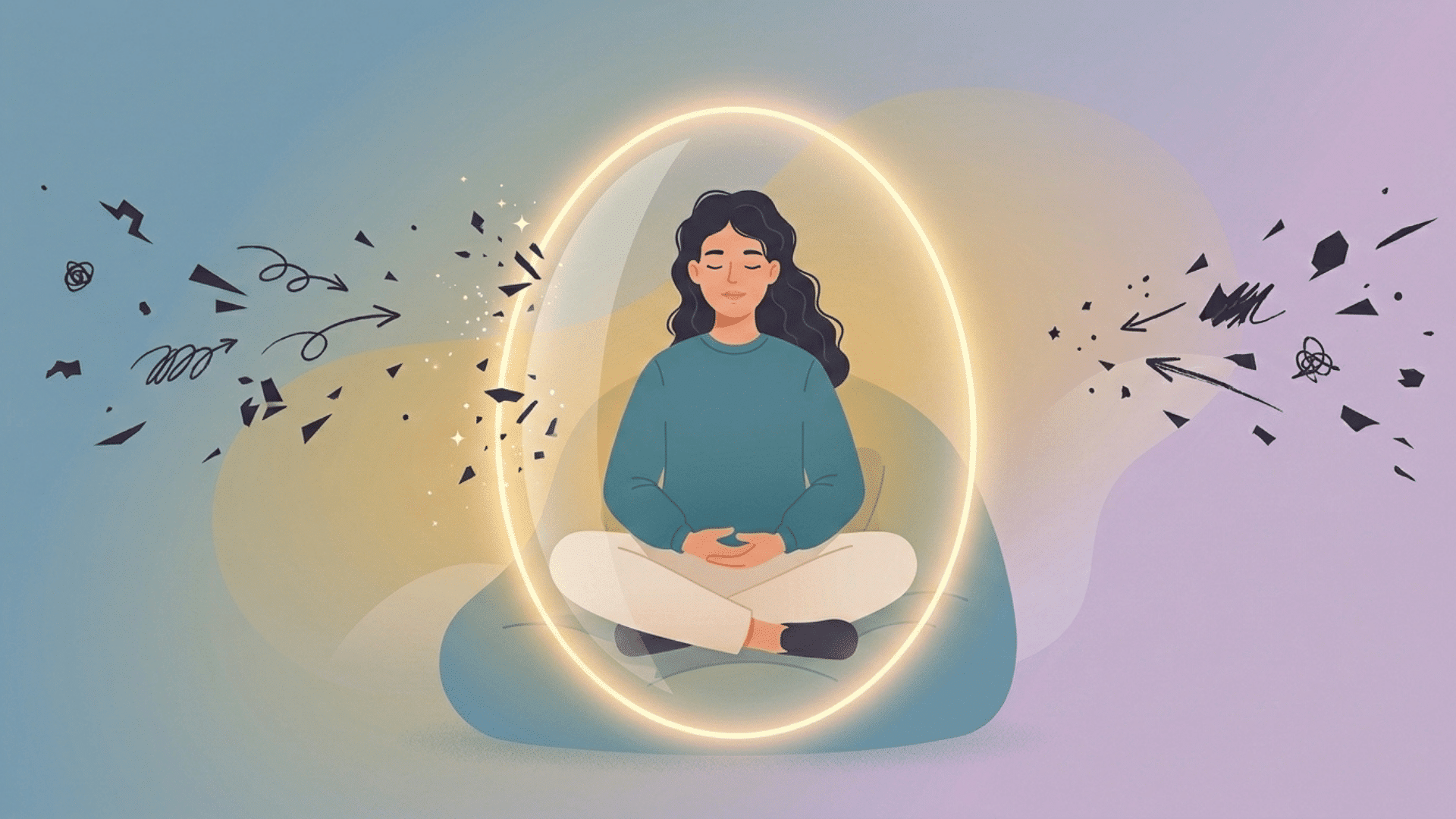
You can’t control other people, how they act, what they say, or the mood they bring. But you can control how much power you give their behavior over your day.
|
Strategy |
How To Do It | Why It Works |
|---|---|---|
|
Don’t take it personally |
Remind yourself that their behavior is about them, not your worth | Cuts the sting before it settles in |
|
Set a calm boundary |
Say plainly, “That comment wasn’t okay with me” | Signals you won’t stay silent next time |
| Limit exposure | Spend less time around mean people when you can | Protects your energy for people who value you |
|
Respond, don’t react |
Pause before you reply instead of firing back | Keeps you from making things worse |
| Get support | Talk it through with a friend or therapist | An outside view stops the hurt from sinking in |
Real Stories From People Who Felt Targeted
Sometimes the clearest answers come from people who lived through it themselves, not just research or theories. Here are four real accounts from people who once asked this exact question.
|
“Why are people so Rude and Mean to Me?” A former Job Corps staff member shared what they saw while working with teens from different backgrounds. New students often acted tough at first, mainly to find their place in an unfamiliar group. Quora |
|
“why are People Around Me Always Rude to Me for No Reason?” Someone asked why others kept treating them badly even though they tried hard to get along. A commenter said chronically rude people are usually rude to almost everyone, not just one target. Quora |
|
“why Are People Mean to Me for No Reason?” One person described moving to a new city for school between the ages of 13 and 16. They sat quietly to avoid attention, but classmates still picked on them anyway. Quora |
|
“why Is Everyone so Mean to Me Even Though I Did Nothing?” A respondent recalled switching schools in middle school with no friends, while everyone else had grown up together. The meanness they faced stemmed from being the outsider, not from anything they had done. Quora |
Final Thoughts
Why are people so mean isn’t a mystery once you look past the pain of the moment. Most meanness comes from someone else’s pain, stress, or bad habits, not from anything wrong with you.
The next time someone’s rude for no reason, remind yourself it’s their weather, not your forecast.
Protect your energy, set boundaries where you actually need them, and keep people around who feel easy to be with.
You deserve relationships that don’t leave you replaying every interaction, wondering what you did wrong, and second-guessing your own worth.
Frequently Asked Questions
Can Being Around People Affect Your Mental Health?
Yes. Constant rude behavior can increase stress, self-doubt, anxiety, and emotional exhaustion.
Why Do Nice People Get Treated Badly?
Nice people may avoid conflict or give too many chances, which rude people can take advantage of.
Is Meanness the Same as Bullying?
Not always. It becomes bullying when it is repeated, targeted, and meant to hurt or control someone.
When Should You Walk Away from a Rude Person?
Walk away when the conversation becomes insulting, controlling, unsafe, or emotionally draining.