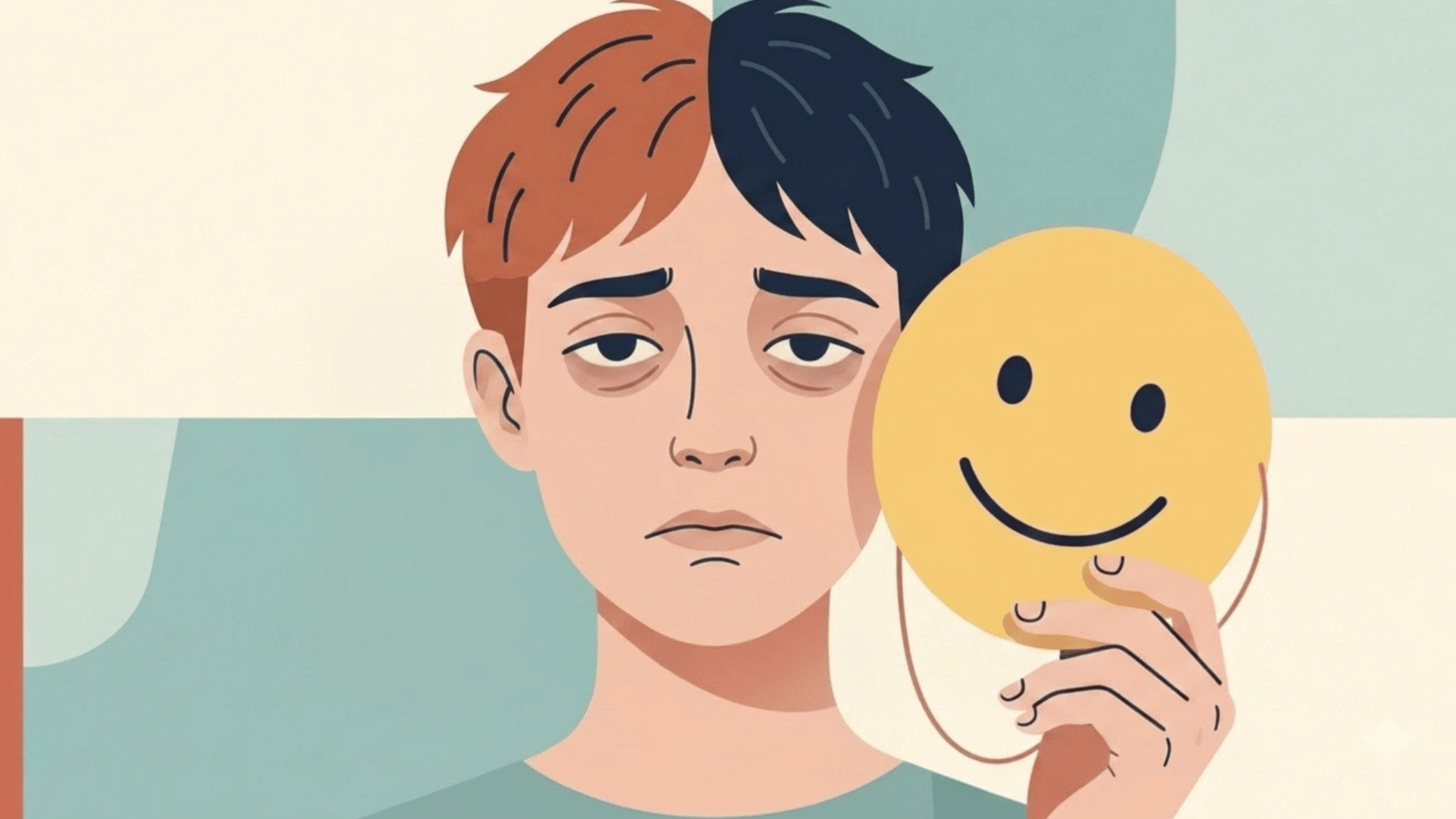
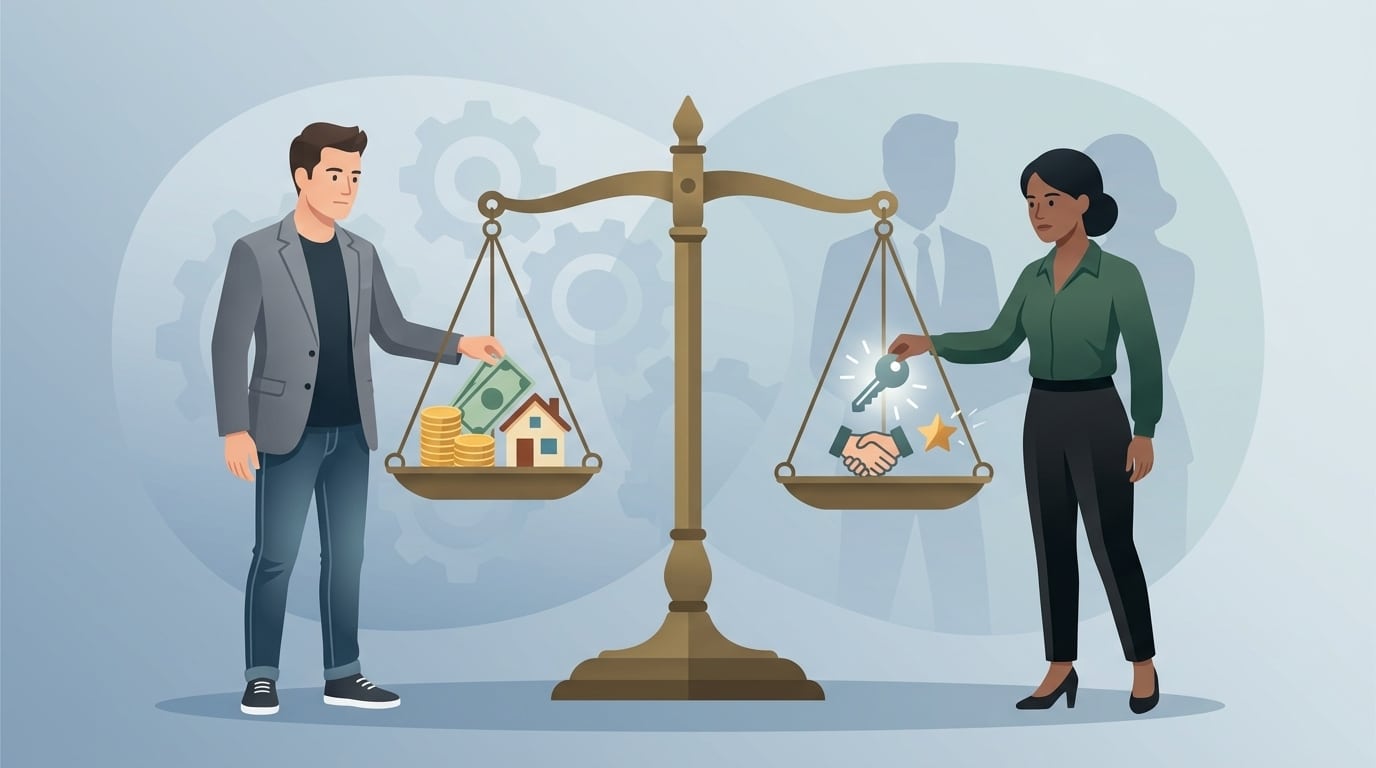
Every relationship involves some give-and-take. But when the exchange becomes the whole point, where one person does this so the other does that, you’re likely looking at a transactional relationship.
I’ve seen how easily people mistake this dynamic for a reciprocal relationship, in which mutual care drives the connection rather than a running tally.
Here I will explain what sets these relationships apart and help you recognize which dynamics shape your own life.
Note: This blog is for informational purposes only and does not provide psychological, relationship, or legal advice. Every relationship is unique and influenced by individual circumstances.
What is a Transactional Relationship?It is a connection built on exchange, in which each person gives something with the expectation of receiving something in return. Think of it as a mental ledger: contributions and returns are tracked, and the bond holds as long as the exchange feels fair. Transactional dynamics are not limited to business or professional settings. In a world shaped by networking culture, social media, and economic pressures, many relationships now involve some degree of exchange. That doesn’t make them unhealthy, but it does make it more important to distinguish between relationships built primarily on value and those built on mutual care. |
Characteristics of a Transactional Relationship

Transactional relationships tend to share a set of recognizable traits. If several of these feel familiar, the bond may be running more on exchange than on connection.
1. Conditional Giving
In a transactional relationship, support, affection, or effort is offered with the expectation of receiving something in return.
Acts of kindness may appear generous on the surface, but they are often tied to an unspoken agreement that the favor will be repaid
2. Focus on Benefits
The relationship is valued for what it provides, such as money, status, convenience, or security, rather than the person themselves.
While practical benefits exist in most relationships, they become the foundation of the connection in a transactional dynamic.
3. Weak Emotional Investment
Vulnerability and genuine care remain limited, since the connection rests on utility rather than intimacy; the relationship remains functional but rarely develops the trust and closeness associated with deeper bonds.
4. Scorekeeping
Each person tracks who gave what, whereas a reciprocal partner would simply trust the balance to even out over time.
By contrast, reciprocal relationships rely more on trust, with the expectation that balance will emerge naturally over time.
5. Fragility Under Imbalance
The bond strains or ends quickly once the exchange feels unfair, unlike a relational bond that holds steady even when giving runs one-sided.
If one person believes they are giving more than they receive, the connection may weaken or end altogether.
Transactional vs. Reciprocal vs. Relational Relationships at a Glance
Understanding the differences between these relationships can help you identify what truly drives a connection, whether it is personal benefit, mutual support, or genuine care for the other person.
| Aspect | Transactional Relationship | Reciprocal Relationship | Relational Relationship |
|---|---|---|---|
|
Primary Motivation |
Personal benefit or outcome | Mutual support | Genuine care for the person |
| Time Horizon | Short-term and situational | Long-term and balanced over time | Enduring regardless of circumstances |
| Source of Trust | Reliability and consistency | Confidence in mutual goodwill | Deep emotional connection |
| Response During Hard Times | Support may decline if benefits disappear | Support continues with patience | Support remains regardless of return |
| What Sustains the Bond | Ongoing usefulness | Shared investment and cooperation | Love, attachment, and commitment |
How to Recognize Which Dynamic Shapes Your Relationship?
Step 1: Look Back at a Recent Moment of Giving
Think of the last time you did something kind for someone, helped them, showed up, or gave your time.
Now gently ask yourself how you felt afterward:
- Did you find yourself waiting for something in return? → Your connection may lean transactional
- Did you feel at peace without expecting anything back? → Your connection likely leans reciprocal or relational
Step 2: Try the Removal Test
Imagine, just for a moment, that the practical benefits this person brings to your life are no longer there.
Then, honestly ask yourself:
- Would your interest in them fade, too? → The bond may be built on exchange
- Would you still genuinely want them in your life? → The bond is built on the person themselves
A Simple Reminder
There is no right or wrong answer here. Most relationships carry a mix of both dynamics, and that is completely normal.
The goal is simply to notice which pattern is leading and then quietly ask yourself whether it feels like what you truly want.
Can a Transactional Relationship Become Reciprocal or Relational?

Yes, and it happens more often than people expect. Many lasting friendships and partnerships begin as pure exchange before slowly deepening into something genuine.
The shift usually starts when one person gives without expecting an immediate return, which breaks the ledger logic and tests whether the other will meet care with care.
From there, the change follows a pattern.
Conversations move past logistics into something personal, help is offered before it’s asked for, and the bond begins to hold steady even when the exchange isn’t perfectly even
Are Transactional Relationships Healthy?
The honest answer is that it depends on context and consent, as the same dynamic can be healthy or harmful depending on a few key factors:
- Both People Agree to The Terms: It’s healthy when the exchange is openly understood, like a clean, professional arrangement or a clearly divided household responsibility.
- Expectations Match the Relationship: Trouble starts when one person wants a connection, and the other only wants the exchange.
- The Terms Are Spoken, Not Assumed: Unspoken arrangements leave one side feeling used while the other feels entitled.
- Affection isn’t used as Leverage: The dynamic turns toxic when care is withheld to extract something in return.
What People Say About Transactional and Reciprocal Relationships?
Beyond clinicians, everyday voices on Quora capture how these dynamics actually feel to live through.
|
Andi Alexander cuts straight to a common confusion, arguing that reciprocity does not equal a transaction, even though all relationships involve something flowing in both directions. |
|
Joyce Lynn Prat pushes back on the money framing, arguing that a good relationship begins with complementary communication and the ability to share views, and that it’s about life, family, feelings, and thoughts rather than anything monetary. |
|
Raum Bances argues that healthy relationships are not driven by expectations of return. Instead, each person supports the other because they genuinely want to, trusting that care and support will flow naturally in both directions |
Final Thoughts
No single type of relationship is better than another.
A transactional arrangement can be perfectly healthy when both people understand and accept the terms, just as a relational bond can turn painful when one person quietly gives far more than they receive.
The trouble almost always comes from a mismatch: one person is keeping a ledger, and the other believes they’re building something unconditional.
Naming the dynamic honestly, even just to yourself, is what closes that gap.
After years of studying how people make decisions, I’ve found they rarely need to overhaul their relationships. What they need is clarity about what each one actually is, so their expectations stop quietly working against them.
Frequently Asked Questions
Is Marriage a Transactional Relationship?
It can contain transactional elements like shared finances, but most marriages also carry reciprocal and relational layers that exchange alone cannot explain.
Are Transactional Relationships Toxic?
Not inherently; they only turn toxic when the terms are unspoken or when affection gets withheld as leverage.
Why Do I Feel Used in My Relationship?
That feeling usually signals a mismatch, where you expect connection while the other person operates on an exchange basis.
Can Love Exist in a Transactional Relationship?
Limited affection can, but deep love tends to require the unconditional care that exchange-based bonds rarely allow.