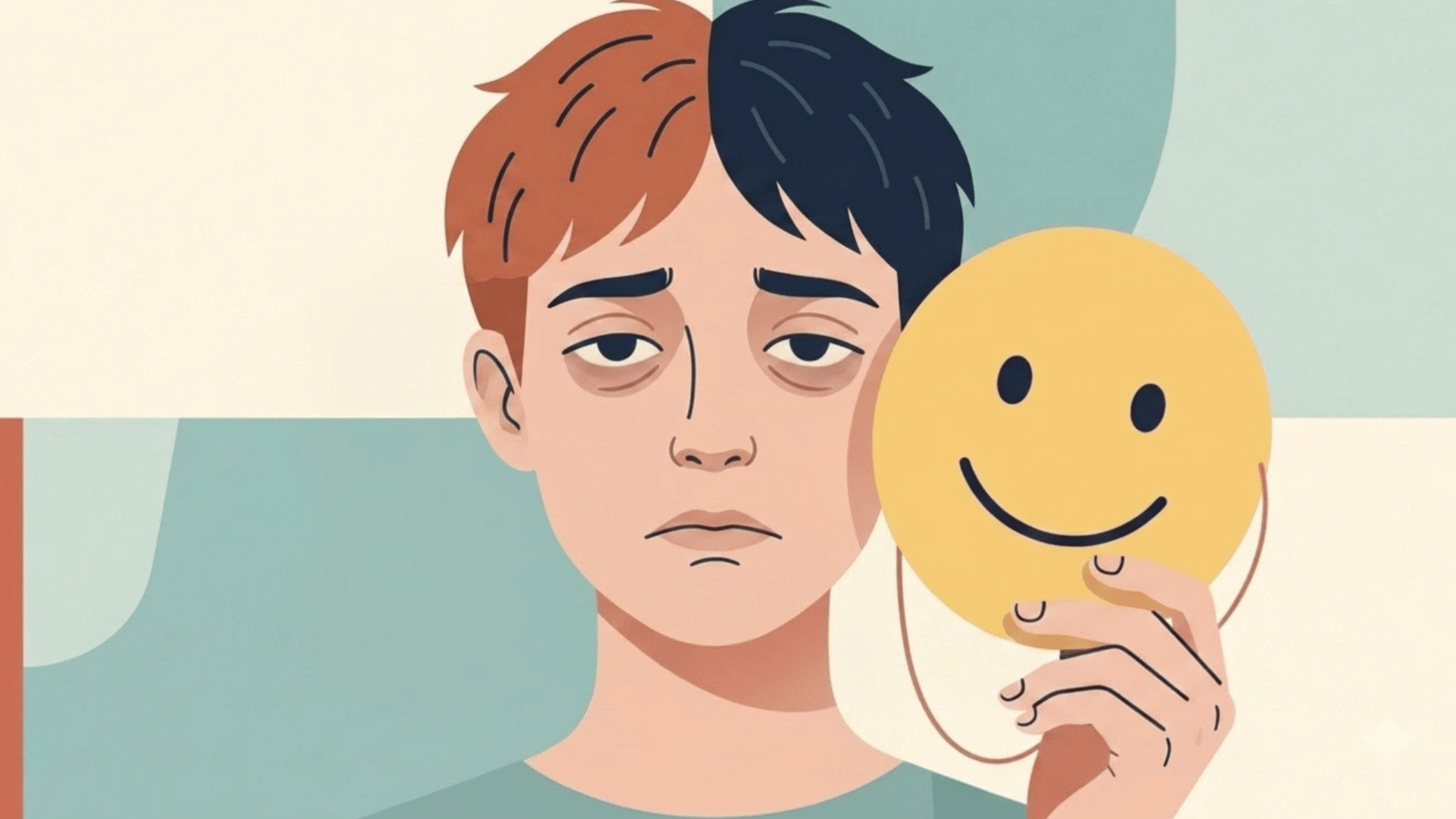

Toxic relationships rarely look toxic from the inside, as they build slowly, through small moments that leave you uneasy without quite knowing why.
I’ve spent years sitting with people as they untangle what went wrong in their closest bonds, and what I’ve seen is that toxic traits in a relationship often hide in plain sight, mistaken for love or stress.
So, if something feels off but hard to name, this piece is here to help you understand a toxic relationship with honesty and care, never blame.
Understanding these patterns through a psychological lens, rather than a purely relational one, often makes them easier to recognize and name.
This Blog is for informational purposes only and is not a substitute for professional care. If you ever feel unsafe, please reach out to a licensed professional or local support service.
What is a Toxic Relationship?It is one where the ongoing dynamic between two people consistently harms their emotional, mental, or even physical well-being, and that last part isn’t just a figure of speech. It isn’t a single fight or bad day; it’s a repeated cycle that leaves you feeling smaller, anxious, or unsafe over time. Living with constant tension and stress can wear down your body over time, not just your mood. Chronic activation of the body’s stress response has been linked to sleep disruption, weakened immune function, and long-term cardiovascular strain, a toll that overlaps closely with recovering from burnout. So the damage isn’t only in how you feel day to day, which is exactly why these patterns deserve real attention. |
Signs a Relationship Has Turned Toxic
Unhealthy relationship patterns often develop gradually, making them difficult to identify while you are experiencing them.
- Emotional attachment can make harmful behaviors seem easier to overlook.
- Changes in behavior may occur slowly rather than appearing all at once.
- Positive moments can create uncertainty about the overall health of the relationship.
- Repeated exposure to unhealthy dynamics can make them feel normal over time.
- Self-blame may shift attention away from concerning behaviors.
- Fear of loss can make it harder to evaluate the relationship objectively.
Common Toxic Traits in a Relationship

Here’s the thing about toxic traits: they rarely show up all at once.
They creep in disguised as care, concern, or “just how relationships work,” which is exactly what makes them so easy to miss until you’re already deep in the pattern.
1. Constant Criticism
If you feel like nothing you do is ever good enough, please know your feelings are valid.
Ongoing criticism of your appearance, choices, or accomplishments slowly wears down your self-worth, often leaving you doubting yourself in ways you never used to.
Over time, this kind of repeated criticism can shape a person’s internal self-talk long after the relationship itself has ended, feeding into a pattern of being hard on yourself that outlasts the relationship.
2. Control and Possessiveness
A partner who tries to manage who you see, where you go, or how you spend your time may frame it as care. In truth, healthy love gives you freedom.
Control, however gently disguised, quietly limits the person you’re meant to be.
3. Manipulation and Guilt
Manipulation often sounds like love at first. You may find yourself apologizing for things that aren’t your fault or feeling responsible for your partner’s emotions.
Over time, this guilt can leave you unsure of your own reality, something many people recognize once they start healing from narcissistic abuse.
4. Lack of Respect for Boundaries
When you express a need and it’s dismissed, mocked, or ignored, that matters. Healthy relationships honor your limits.
A repeated disregard for your boundaries signals that your comfort isn’t being valued the way it deserves to be.
5. Emotional Withdrawal and Silence
Being shut out, given the cold shoulder, or punished with silence can feel deeply isolating.
This pattern, sometimes used to gain control, leaves you anxious and working hard to earn back warmth that should be freely given.
6. Volatility and Unpredictability
If you find yourself walking on eggshells, never sure which version of your partner you’ll meet, that instability takes a real toll.
Living with this kind of unpredictability can keep your body’s stress response switched on long after the actual conflict ends, which is why grounding techniques for panic can help in the moments it spikes.
Feeling unsafe to simply be yourself is one of the clearest signs that something needs attention.
Is it Time to Walk Away: Trusting What You Already Know
Start by asking yourself one simple question: Is this harm a pattern, or just a rough patch every couple goes through? Patterns repeat. Rough patches don’t.
Look at what happens after you raise a concern. Does anything actually change, or do you just get another apology that fades by the weekend?
If the same issue keeps resurfacing no matter how many times you’ve brought it up, that’s your answer, not the next conversation you’re planning to have.
Pay attention to how you feel day to day, not just during the big blowups. Are you more often anxious, small, or on edge than you are calm and valued?
That everyday feeling matters more than any single fight, because it tells you what living inside this relationship actually costs you.
Ways to End a Toxic Relationship Safely and Respectfully
Walking away from a toxic relationship takes real courage, and doing so safely matters most, as these steps can help you protect both your well-being and your peace throughout the process.
- Put Your Safety First and Plan Ahead: If you fear their reaction, prepare quietly and tell someone.
- Get Clear Within Yourself and Lean on Support: Know your reasons first, so guilt can’t pull you back.
- Choose the Right Moment and Speak Honestly: When it’s safe, talk calmly in a private space.
- Set Boundaries and Care for Yourself Afterward: Distance isn’t cruelty; be gentle with your healing heart.
- Lean on Professional Guidance when You Need It: A therapist or helpline can steady you through this, and knowing the cost of therapy sessions upfront can make that step feel less daunting.
Rebuilding After a Toxic Relationship: Your Path Back to Yourself
Healing doesn’t happen on a deadline, and some days will feel like progress while others feel like starting over; both are part of the same process. Here’s what actually helps you find your footing again.
- Accepting the reality of the relationship is the first step toward healing.
- Creating clear boundaries helps protect your peace and prevent further harm.
- Spend time examining your interests, values, and goals outside the relationship.
- Be patient with yourself and recognize that healing takes time, something practicing self-compassion can help build as a daily habit.
- Reflect on lessons learned to build healthier relationship patterns in the future.
- A mental health professional can offer guidance to support recovery.
The Bottom Line
If there’s one thing I hope you carry away, it’s that your feelings are valid and your safety matters more than any relationship.
Recognizing what you’re living through takes courage, and choosing yourself is never selfish.
As someone who has spent years studying how people heal, I can tell you that brighter, kinder connections are possible once you make room for them.
If anxiety, low self-worth, or intrusive memories of the relationship linger well after it ends, that’s a sign worth bringing to a mental health professional rather than working through entirely on your own.
You are worthy of love that feels safe, steady, and freely given, and that truth doesn’t change, no matter what you’ve been through.
Frequently Asked Questions
How Long Does it Take to Recover From a Toxic Relationship?
Healing varies for everyone, often taking months to years, depending on the relationship’s length and intensity, as well as the support you have.
Can Therapy Help After Leaving a Toxic Partner?
Yes, a licensed therapist can help you process the experience, recognize each toxic trait in a relationship more clearly, and rebuild your self-esteem going forward.
Do Toxic Relationship Patterns Tend to Repeat in Future Relationships?
They can, especially without reflection or support, which is why understanding toxic traits in a relationship helps you build healthier bonds later.
How Do I Support a Friend Stuck in a Toxic Relationship?
Listen without judgment, avoid pressuring them, remind them of their worth, and gently encourage them to seek professional support when they’re ready.