I can’t tell you how many times a client has paused mid-session and asked me, “Wait, am I neurodivergent, and what’s the opposite of neurodivergent, anyway?”
I get why it’s confusing; these terms spread from clinical rooms into everyday conversation, sometimes losing their meaning along the way.
So in this post, I want to slow down and actually unpack what neurodivergent, neurotypical, and neurodiverse mean, the way I explain it to the people who sit across from me.
| The closest “opposite” of neurodivergent is neurotypical, but it’s not a true opposite, since it describes one common pattern of brain development, not a higher or better standard. |
What Does Neurodivergent Mean?
Neurodivergent describes people whose brain functions differ from patterns that are often considered typical. The term is used by many people to describe differences in thinking or sensory processing.
It is not limited to one condition. Different individuals may use the term based on their own experiences and understanding of their neurological traits.
The concept became more widely recognized as conversations about autism, ADHD, and other neurological differences became more common in healthcare, education, and workplaces.
Want to know whether depression is considered a form of neurodivergence? Click here to learn more.
Conditions Often Associated With Neurodivergence
Neurodivergence can include several neurological differences.
- Autism spectrum disorder: May involve differences in communication, social interaction, sensory experiences, and patterns of behavior.
- ADHD: Can affect attention, impulse control, organization, and activity levels.
- Dyslexia and learning differences: May influence reading, writing, language processing, or how information is understood.
- Tourette syndrome: Can involve repeated movements or sounds known as tics.
What Does Neurotypical Mean?
Neurotypical refers to people whose neurological development follows patterns that are commonly expected within society.
The term neurotypical can be helpful when discussing differences in how people experience learning, communication, and daily life.
It allows researchers, educators, and communities to compare experiences while recognizing that every person has individual strengths and needs.
A neurotypical person can still experience stress, mental health challenges, learning difficulties, or emotional struggles. The term only describes certain patterns of neurological development.
Common Misunderstandings About Neurotypical
The word neurotypical is sometimes misunderstood because people may assume it describes a person’s entire personality, abilities, or mental health.
| Common Belief | More Accurate Understanding |
|---|---|
| Neurotypical means someone never faces challenges | Everyone can experience personal, emotional, or learning difficulties |
| Neurotypical means someone is more capable | The term only describes neurological patterns |
| Neurotypical people think in the same way | Individual personalities and experiences are still different |
| Neurotypical means someone is completely typical in every way | It only refers to neurological development |
Is Neurotypical the Opposite of Neurodivergent (Here’s the Truth)
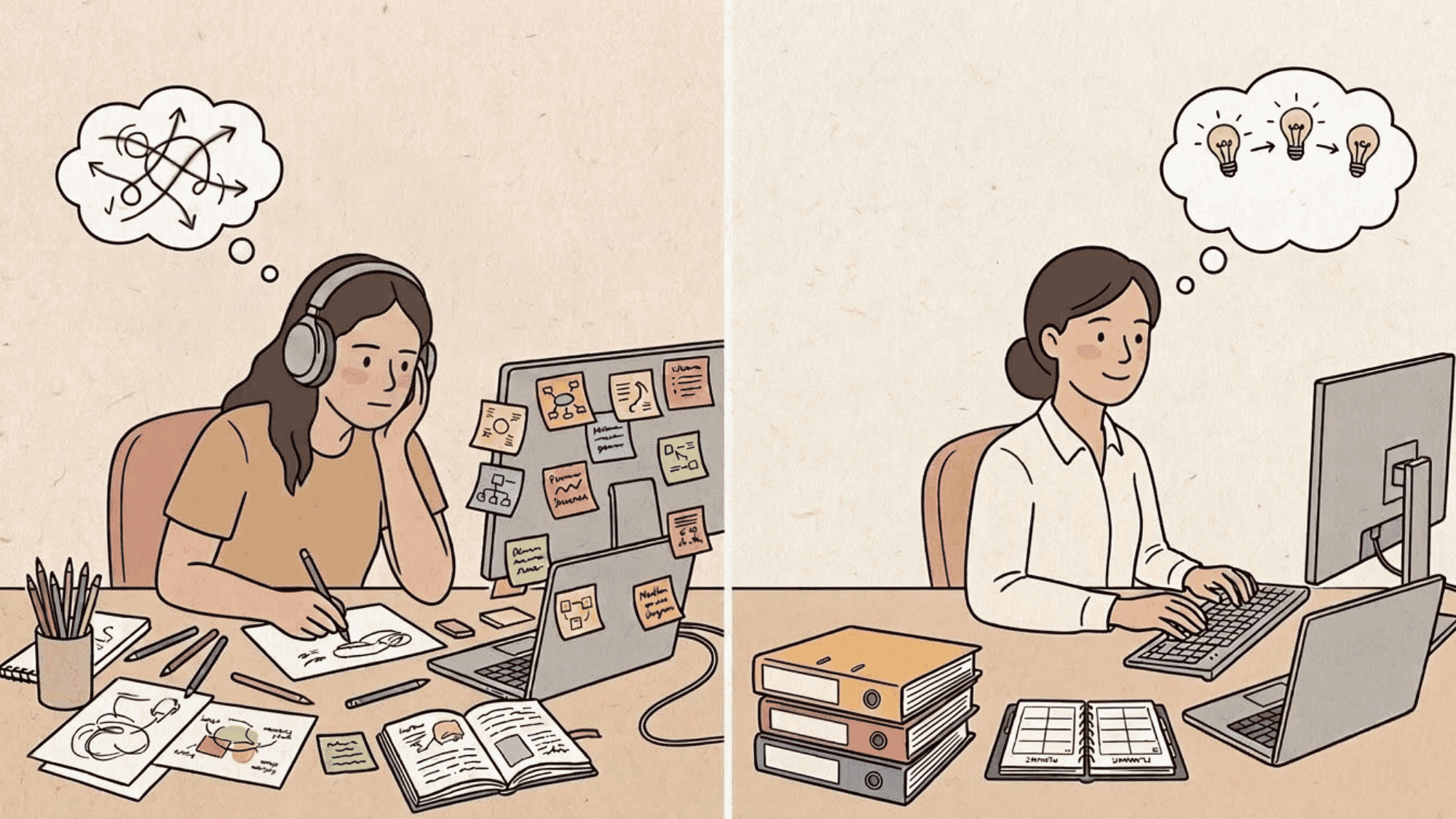
The idea of an opposite of neurodivergent can be confusing because human brains do not fit into only two categories.
People can have different ways of thinking, communicating, and managing emotions.
Neurotypical is often used as the comparison term, but it describes one type of neurological experience rather than a perfect opposite.
The word neurotypical usually refers to people whose neurological development follows patterns that are commonly expected in society. It does not describe intelligence, personality, success, or personal value.
Let Me Also Explain Neurodiversity
Neurodiverse describes a group of people who have different neurological experiences within the same community, workplace, classroom, or family.
The term comes from the idea of neurodiversity, which recognizes that human brains naturally differ in how they process information, communicate, and respond to experiences.
Unlike neurodivergent or neurotypical, which usually describe individuals, neurodiverse is generally used for groups that include different types of neurological experiences.
Ways Neurodivergent Experiences Can Differ
People who identify as neurodivergent may have different ways of processing information or responding to their surroundings.
Learning Preferences
Some people may understand information better through visual, practical, or structured methods.
Some individuals may express thoughts, emotions, or needs differently.
Sounds, lights, textures, or crowded environments may affect people in different ways.
Emotional Regulation
Managing stress, changes, or strong emotions can look different from person to person.
Focus and Attention
Some people concentrate best in short bursts or with movement, while others need long, uninterrupted stretches of quiet focus.
Executive Functioning
Planning, organizing tasks, and managing time can take more deliberate effort for some neurodivergent individuals than others.
Neurodivergent Vs Neurotypical Vs Neurodiverse
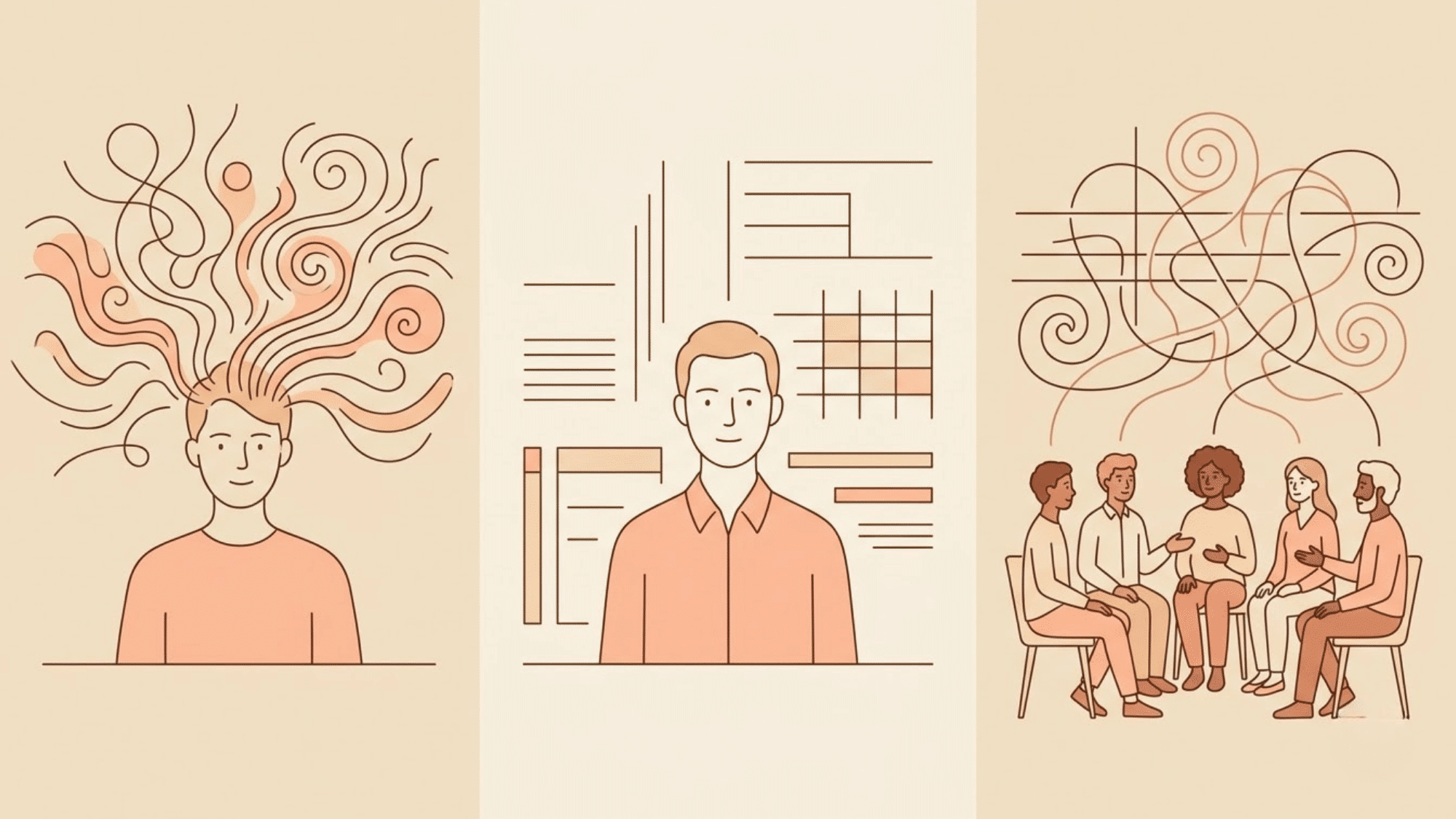
These words are closely connected, but they describe different things. These terms can support clearer conversations about learning, emotional regulation, communication styles, and accessibility.
| Term | Meaning | Examples |
|---|---|---|
| Neurodivergent | Describes an individual with neurological differences | A person with ADHD describing their attention and thinking patterns |
| Neurotypical | Describes an individual whose neurological development follows common patterns | A person without identified neurological differences |
| Neurodiverse | Describes a group containing different neurological experiences | A classroom with students who have varied learning and communication styles |
Note: The American Psychological Association provides resources on psychology, behavior, and mental health topics that support a better understanding of human experiences.
Link Between Neurodivergent, Neurotypical, and Neurodiverse
These terms are connected because they describe different parts of conversations about how human brains work, and they are often used in discussions about education, workplaces, healthcare, and accessibility.
From a behavioral science perspective, these terms are useful when they encourage understanding and respect. They provide language for discussing differences while keeping attention on the individual.
These terms do not place people into fixed categories. They are words used to describe patterns, experiences, and groups.
Final Thoughts
None of this is about sorting people into boxes; that’s the biggest misunderstanding I run into in my work.
Every brain I’ve ever sat with, whether it’s labeled neurodivergent or not, comes with its own strengths, blind spots, and quirks.
If there’s one thing I hope you walk away with, it’s this: these words are tools for understanding, not verdicts on someone’s worth.
Use them that way, and the conversation gets a lot more comforting.
Frequently Asked Questions
Can Someone Be Both Neurodivergent and Neurodiverse?
Yes. A person can be neurodivergent, while the same person in a group of people can be described as neurodiverse.
Does Neurodivergent Mean Someone Has a Disorder?
Not always. Some people use neurodivergent to describe neurological differences, while others use it alongside specific diagnoses such as autism or adhd.
Are Neurotypical People Considered Normal?
Neurotypical describes a common pattern of neurological development. it does not mean someone is better, more valuable, or free from difficulties.