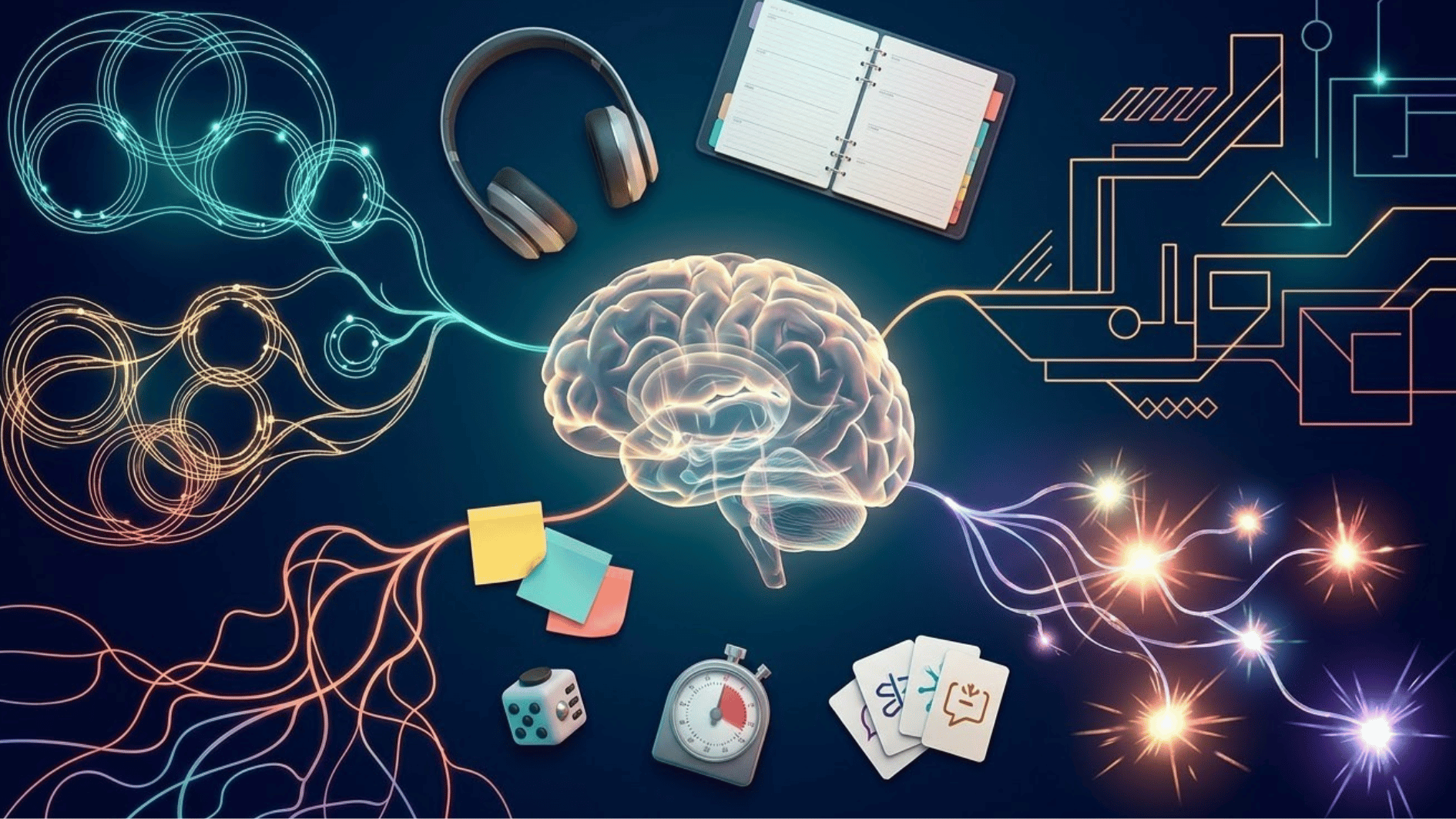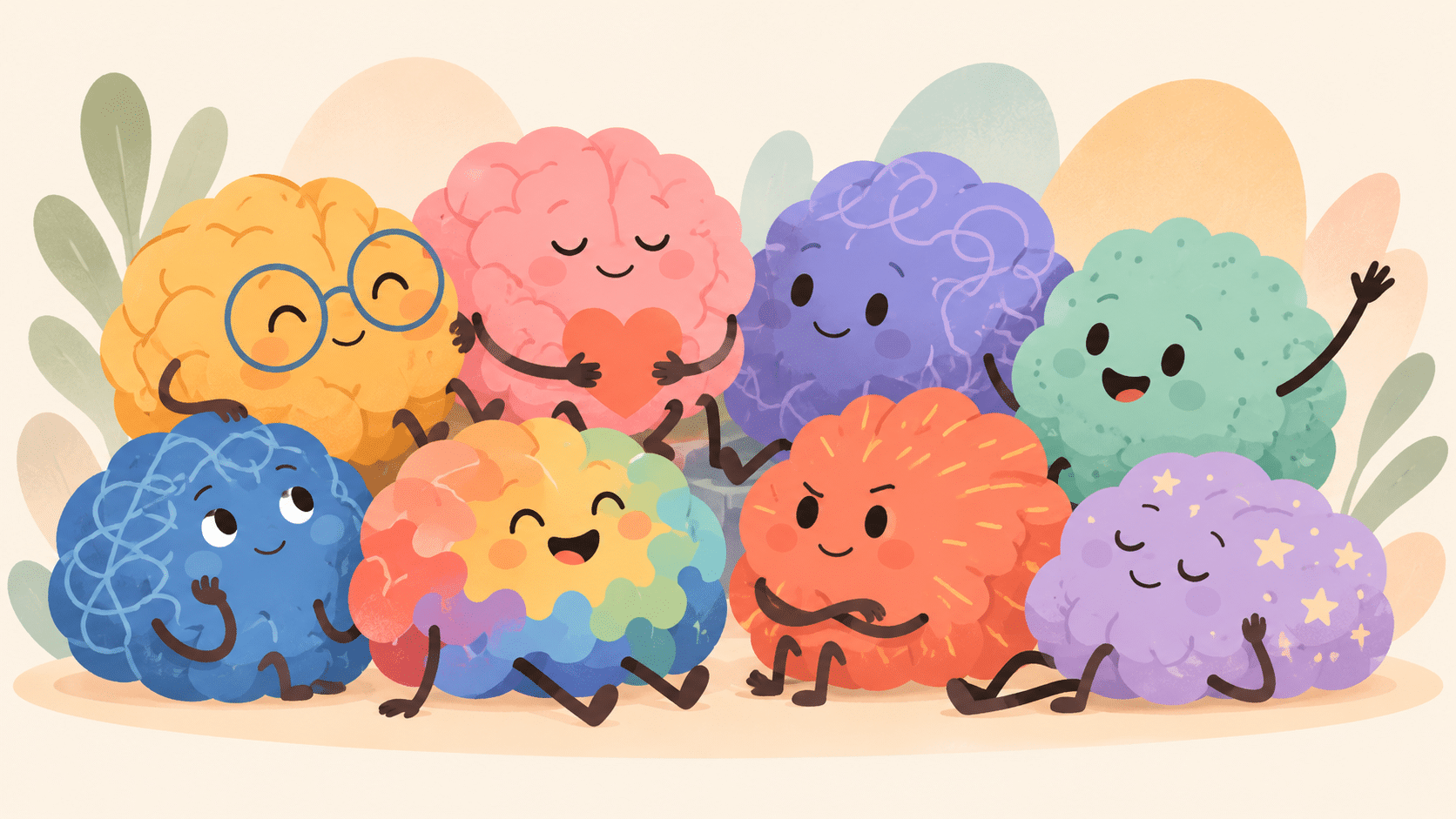
I’ve seen many people spend years treating depression without anyone asking whether their brain might also be wired differently.
Neurodivergence is an umbrella term for brains that develop autism, ADHD, dyslexia, and related conditions differently. It’s not a diagnosis in itself; it’s a way of describing a fundamentally different cognitive profile.
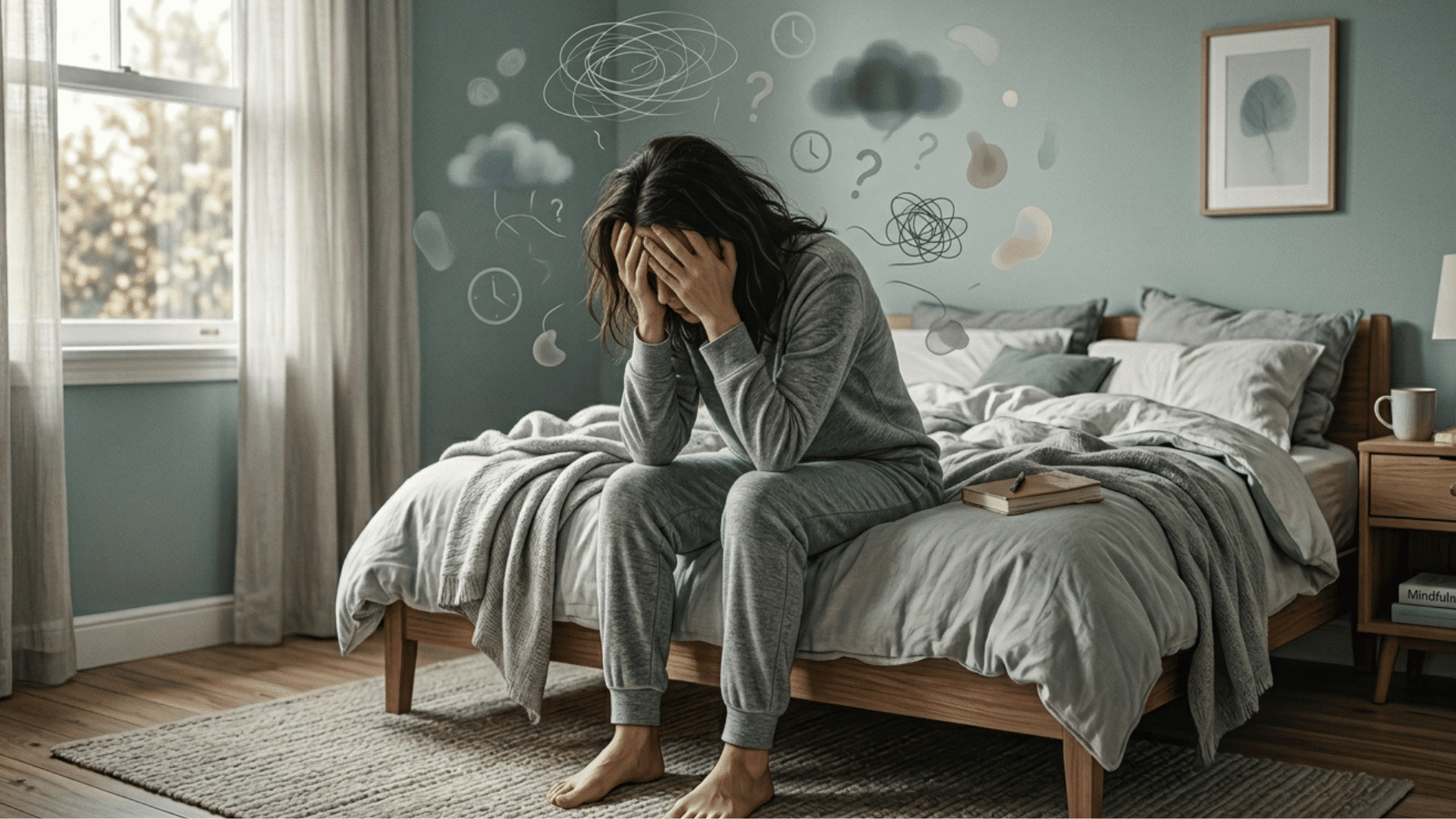
When someone sits at the overlap of neurodivergence and depression, the two can be hard to untangle.
Is the exhaustion depression, or is it what happens when a neurodivergent person has been masking for years? Sometimes it’s both, and treating only one of them rarely works.
Disclaimer: The information in this blog is intended for educational purposes only and does not constitute medical advice. Always consult a licensed mental health professional before making decisions about diagnosis or treatment.
Is Depression Neurodivergent?Depression is not classified as neurodivergent according to official mental health frameworks used by government health authorities like NIMH and APA. Depression is classified through the DSM-5-TR diagnostic framework as a mood disorder that affects a person’s thoughts, feelings, and ability to function in daily life. Both treat depression as a mental health condition that can occur across all age groups and is distinct from conditions linked to brain development differences. While research said depression and neurodivergence co-occur at high rates, which is the more clinically important point, and what the rest of this article covers. |
Neurodivergent Burnout Symptoms and What They Mean
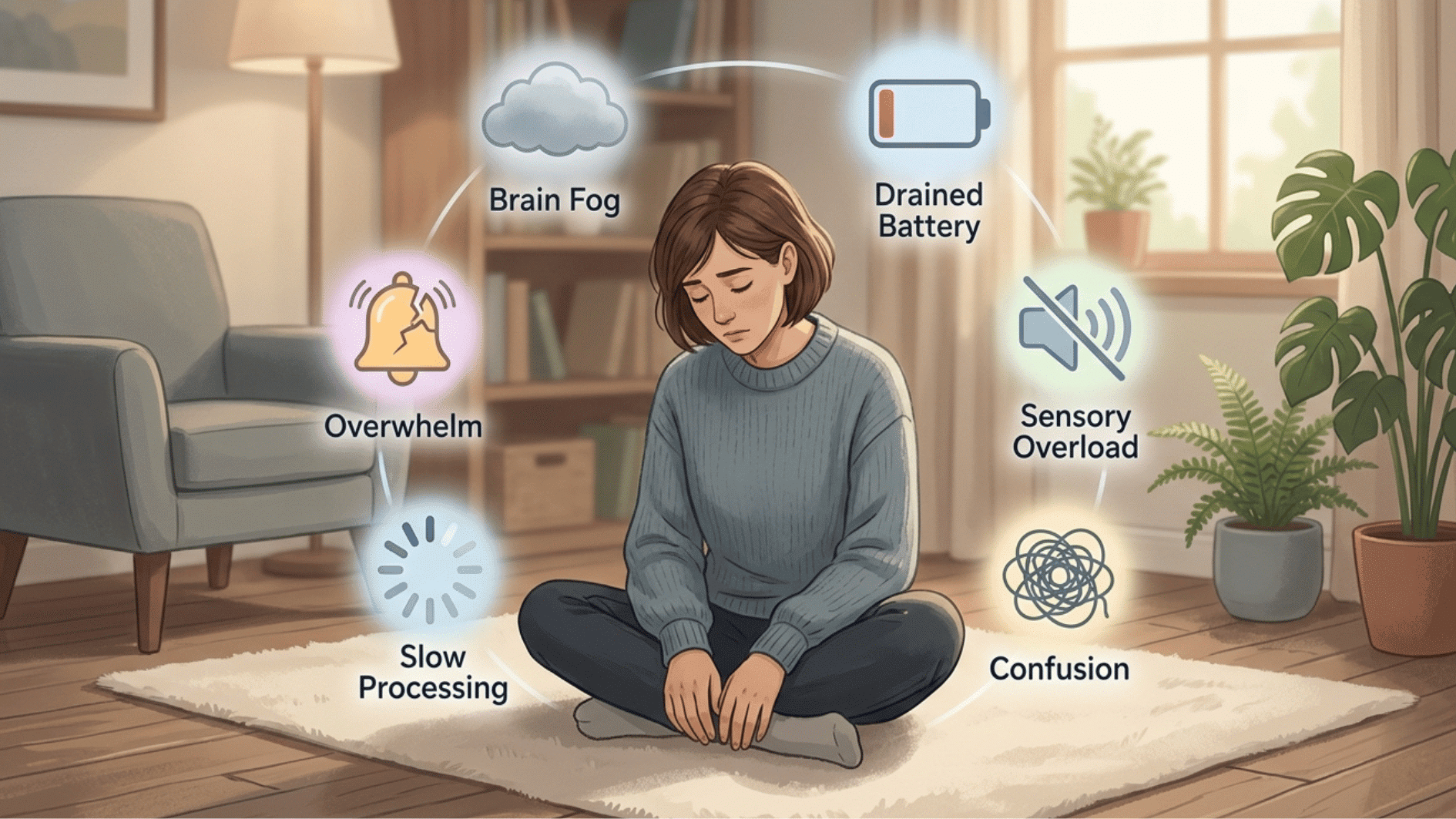
Neurodivergent burnout is a state of intense mental and emotional exhaustion that develops after prolonged stress and difficulty coping with everyday demands.
- Constant Exhaustion Even After Rest: Feeling drained most of the time, even after sleeping or taking breaks
- Increased Sensory Sensitivity: Sounds, lights, or crowds feel more intense than usual
- Difficulty Thinking Clearly (“Brain Fog”): Trouble focusing, remembering, or processing information
- Emotional Overwhelm or Shutdown: Feeling easily overwhelmed, numb, or unable to respond emotionally
- Reduced Ability to Mask or “cope” Socially: Social interaction feels harder than usual or impossible
- Loss of Motivation or Daily Functioning: Simple tasks feel very difficult or unmanageable
- Sleep Disruption: Trouble falling asleep, staying asleep, or feeling rested even after sleep
- Heightened Emotional Sensitivity: Feeling easily irritated, overwhelmed, or emotionally “fragile” in situations that previously felt manageable
Can Neurodivergent People Be More Prone to Depression?
Yes, some neurodivergent people may be more prone to depression, but it is important to understand this carefully and not treat it as a rule for everyone.
According to the National Institute of Mental Health (NIMH), depression can affect anyone and is influenced by a mix of biological, psychological, and environmental factors.
In research and clinical observations, people with neurodevelopmental differences may face additional daily stressors, including communication difficulties, sensory overload, social misunderstanding, or masking behaviors.
These ongoing pressures can increase the risk of developing depressive symptoms in some individuals, but they do not directly cause depression.
Similarities Between Neurodivergence and Depression
Although neurodivergence and depression are different conditions, they can sometimes look similar in daily life.
| Aspect | Similarity in Neurodivergence | Similarity in Depression |
|---|---|---|
| Low energy | Many neurodivergent people may feel drained after sensory or social overload | Depression often causes persistent fatigue and low energy |
| Difficulty focusing | Attention differences or overstimulation can affect focus | Depression can cause poor concentration and mental fog |
| Social withdrawal | May avoid social situations due to overwhelm or communication stress | May withdraw due to loss of interest or low mood |
| Emotional regulation challenges | Strong or delayed emotional responses can occur | Mood changes, sadness, or emotional numbness are common |
| Daily functioning struggles | Routine tasks may feel difficult due to executive function differences | Daily activities may feel overwhelming due to low motivation |
| Sleep changes | Irregular sleep patterns can occur in some neurodivergent individuals | Insomnia or oversleeping is common in depression |
Want to Know What Disorders are Considered Neurodivergent?
Neurodivergence includes a range of differences in brain development that affect how a person thinks, learns, and interacts with the world.
1. Autism Spectrum Disorder (ASD)
Autism Spectrum Disorder is one of the most commonly recognized neurodevelopmental conditions included under neurodivergence.
It affects communication, social interaction, and behavioral patterns differently for each person.
2. Attention-Deficit/Hyperactivity Disorder (ADHD)
ADHD is another condition widely included under neurodivergence. It is characterized by differences in attention, impulse control, and activity levels.
According to the NIMH, ADHD is a neurodevelopmental disorder that often begins in childhood and can continue into adulthood.
3. Learning Disabilities
Learning disabilities, such as dyslexia or dyscalculia, are also considered part of neurodivergence. These conditions affect specific academic skills such as reading, writing, and math.
They are not linked to intelligence but to how the brain processes information. Clinical frameworks recognize them as neurodevelopmental differences that can require educational support.
4. Other Neurodevelopmental Conditions
Some other conditions may also fall under the neurodivergent umbrella depending on context, such as developmental coordination disorder or Tourette’s syndrome.
These affect movement, coordination, or repetitive behaviors in different ways.
Is Anxiety Neurodivergent?
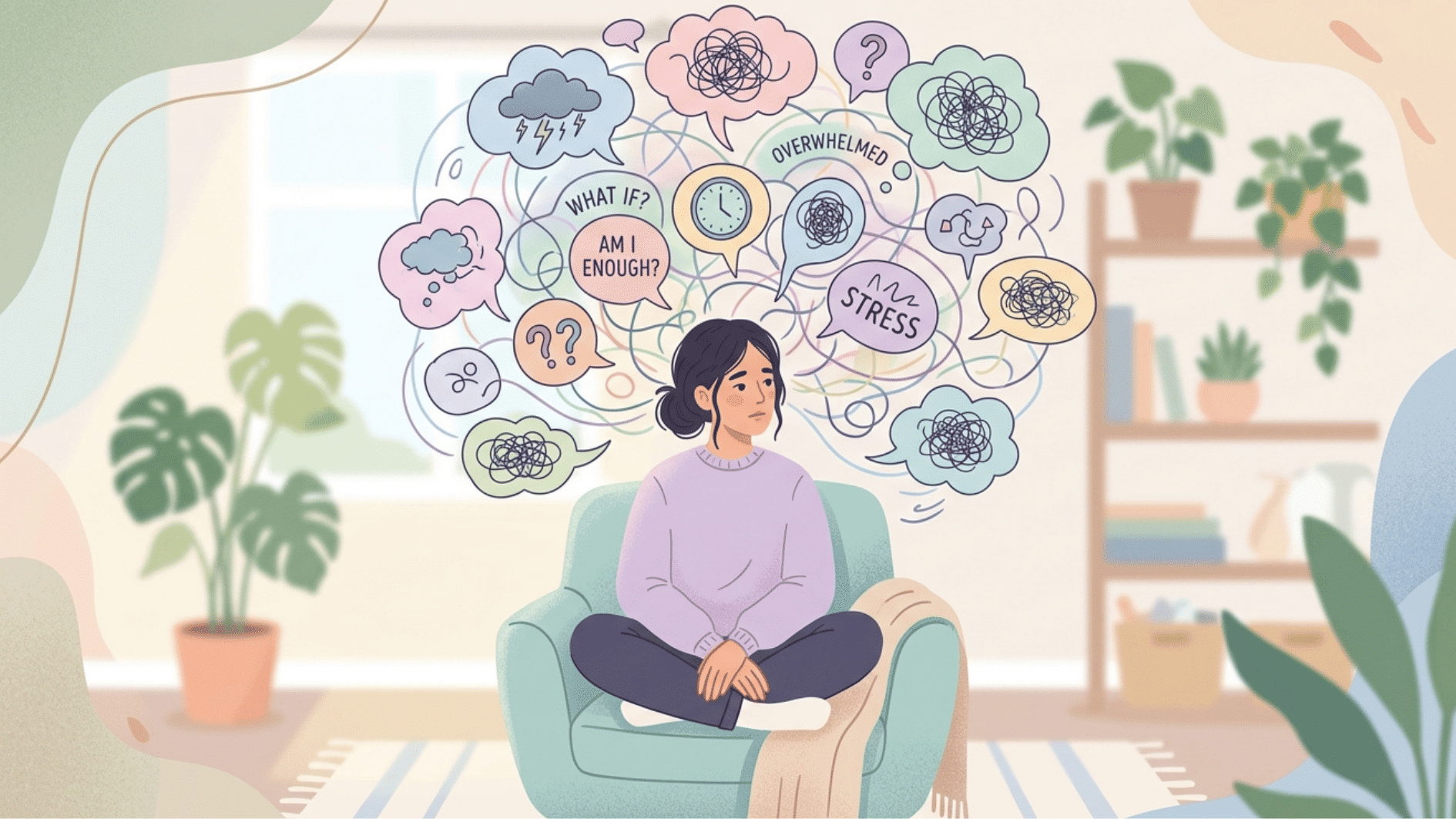
No, anxiety is not classified as neurodivergent in standard medical frameworks.
According to the National Institute of Mental Health (NIMH), anxiety disorders are mental health conditions that involve excessive fear, worry, or behavioral changes and are separate from neurodevelopmental conditions.
Neurodivergence is generally used to describe neurodevelopmental differences, which are linked to patterns of brain development rather than to mood or anxiety conditions.
However, anxiety can commonly occur alongside neurodivergent conditions due to stress, sensory overload, or social challenges, which is why people often associate them together.
So, while anxiety is not neurodivergent itself, it can co-exist with neurodivergence, and the overlap is well-recognized in clinical practice.
Community Opinions on Neurodivergence and Depression
Community opinions from Reddit on neurodivergence and depression vary widely, reflecting both personal lived experiences and different understandings of mental health and clinical definitions.
|
Depression and Anxiety Are Already Part of the ND World I completely agree that depression and anxiety exist alongside most neurodevelopmental disorders anyway. They’re basically inseparable. |
|
Is It the Brain or the World That’s the Problem? Yes, depression and anxiety are super common in NDs. A lot of it comes from having to function in a world that just wasn’t built for us, but for some, it’s also neurological, not just circumstantial. |
|
Anxiety Is What Happens When the World Wasn’t Made for Your Brain Anything that results in a non-typical thinking pattern should count. The whole point is that these people exist in a world not designed for how their minds work. |
|
Was Your Depression Born With You or Built by Life? People tend to draw the line at genetics vs environment. Depression tied to ADHD or ASD? Neurodivergent. Depression from a life event? That’s where it gets complicated for some. |
Treatment and SupportOptions
Depression and neurodivergence can be managed through different forms of treatment and support depending on individual needs and clinical guidance.
- Psychotherapy (Talk therapy): It helps manage depression by improving thought patterns, emotional regulation, and coping skills.
- Medication (when prescribed): Antidepressants may be used for depression under medical supervision to balance brain chemicals.
- Behavioral Therapy: It supports neurodivergent individuals in building daily life skills, routines, and coping strategies.
- Sensory and Environmental Adjustments: Reducing noise, overload, or stress triggers can improve daily functioning.
- 988 Suicide & Crisis Lifeline: Call, text, or chat 988 for free, confidential, 24/7 support if you’re in emotional distress or a crisis
- Lifestyle support: Regular sleep, physical activity, and balanced nutrition can support overall mental health.
- SAMHSA Helpline:Call 1‑800‑662‑HELP (4357) for free, confidential referrals and information about mental health and substance use treatment
The Bottom Line
Is depression neurodivergent? By official standards, no. But the connection between the two is hard to ignore.
I often see how daily pressures, communication challenges, sensory overload, and the effort of masking can gradually contribute to depression in neurodivergent individuals.
The conditions may live in different diagnostic boxes, but for the people experiencing both, the line between them often blurs completely.
Understanding that overlap isn’t about rewriting definitions, it’s about making sure support actually reaches the people who need it most.