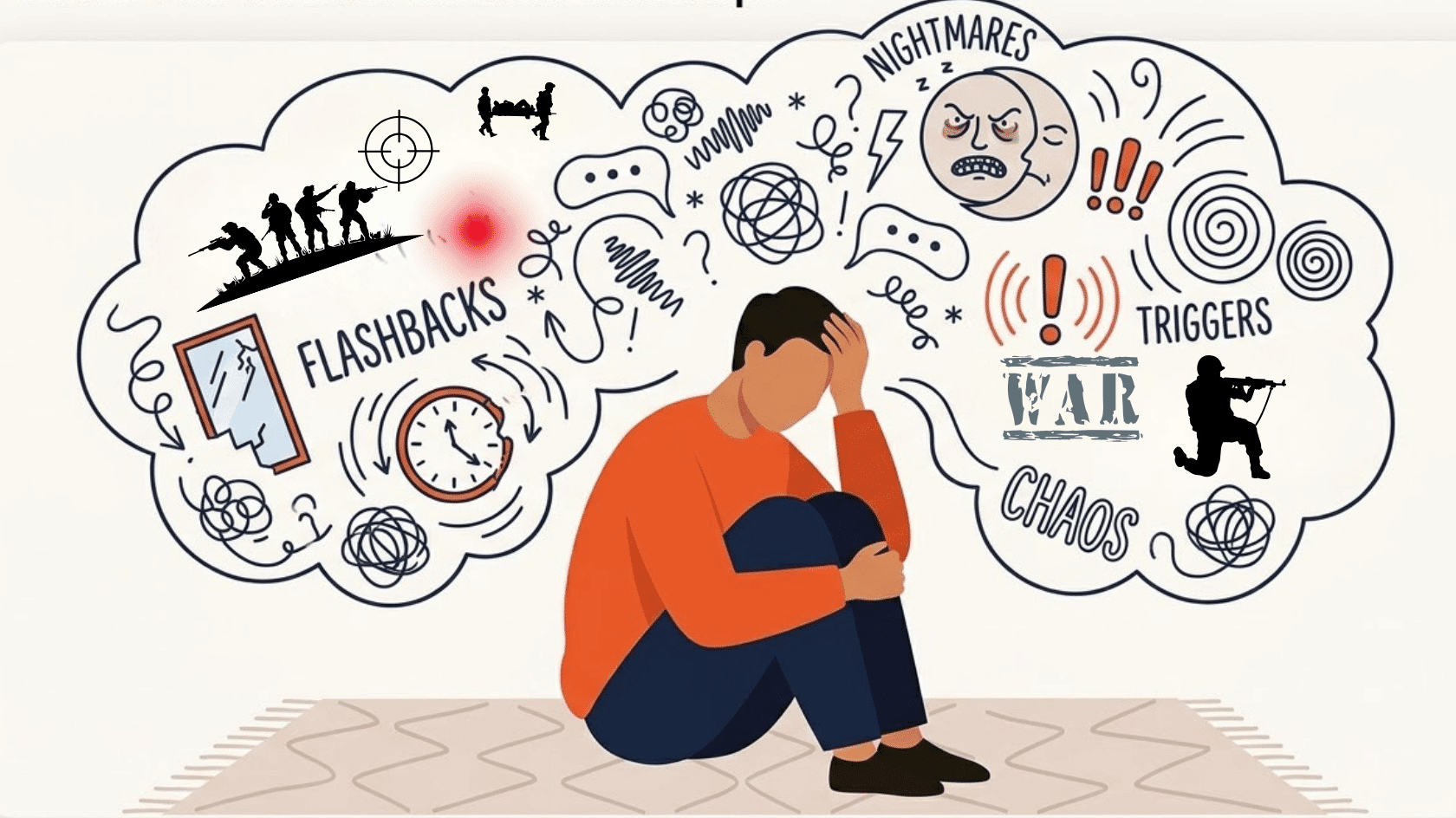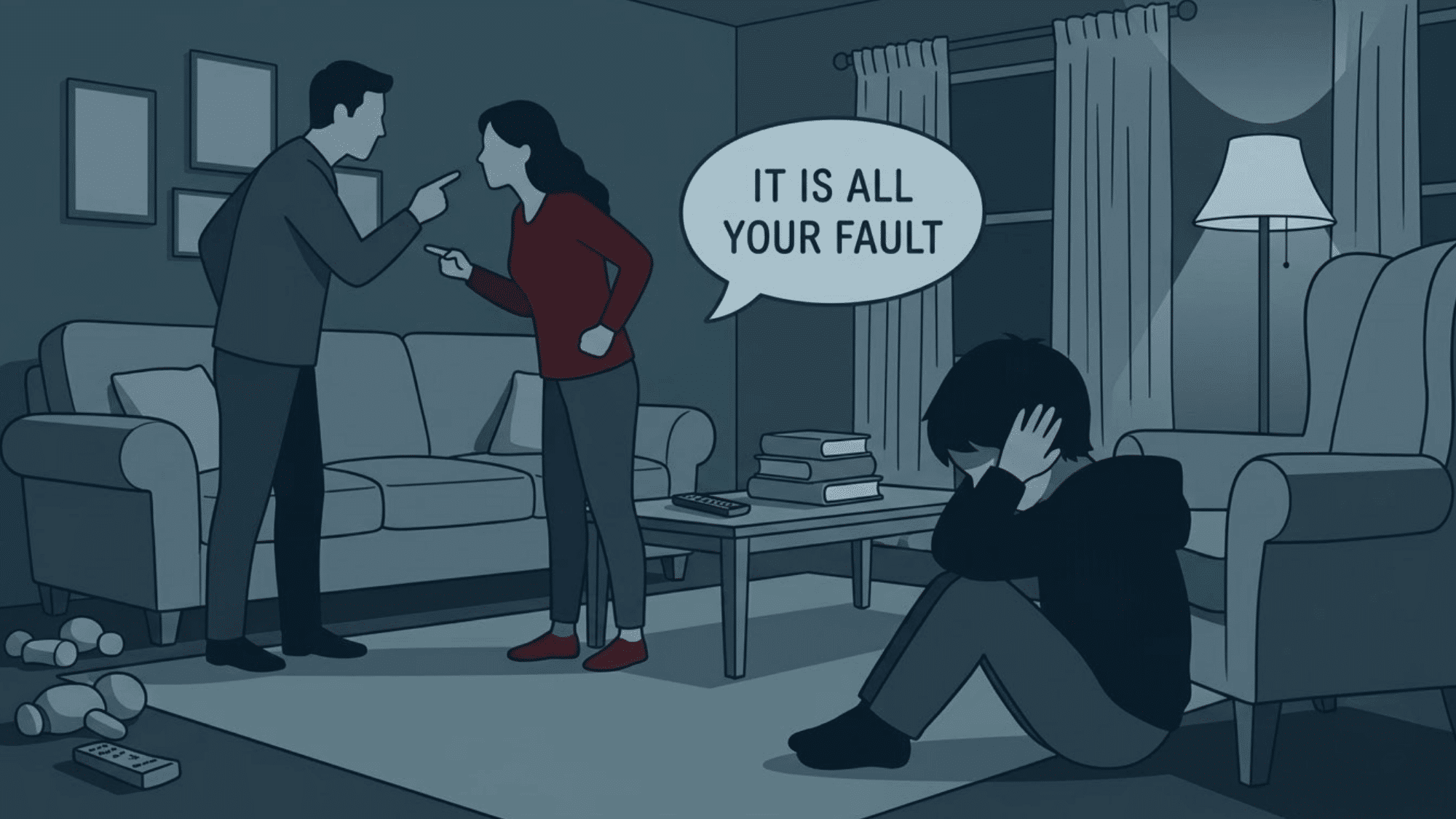

In my years of clinical work, I can’t count how many parents and adults have asked me the same question: can trauma cause ADHD?
It’s a fair one, because the overlap is real. I’ve watched a child who survived neglect get labeled hyperactive, and an adult carrying old trauma get treated for attention problems that were never really ADHD to begin with.
This blog is my attempt to walk through what I’ve learned from those cases, and help you tell the two apart with more clarity.
Can Trauma Cause ADHD?
No, trauma does not directly cause developmental ADHD. ADHD is a brain-based condition that starts before age 12.
ADHD is a neurodevelopmental condition, meaning it develops as the brain grows and is influenced by genetics and early brain development.
Trauma cannot create ADHD in someone who does not already have it.
However, trauma can cause symptoms that look very similar to ADHD. People who have experienced trauma may struggle with attention, concentration, impulsive behavior, restlessness, and emotional regulation.
Because the symptoms overlap so closely, a thorough evaluation by a qualified healthcare professional is the best way to determine whether the symptoms are caused by ADHD, trauma, or both.
What is Trauma?
Trauma is the emotional and physical response to a deeply distressing or overwhelming event.
It can happen after experiences such as abuse, neglect, violence, serious accidents, natural disasters, or the sudden loss of a loved one.
Trauma affects people differently.
Some recover over time, while others continue to experience symptoms that interfere with daily life, and in some cases the nervous system holds onto that stress in ways you can actually notice.
Signs the body is releasing trauma is a good place to start if that sounds familiar.
Without proper support, its effects may last for months or even years, increasing the risk of conditions such as anxiety, depression, or post-traumatic stress disorder (PTSD).
What Symptoms Do ADHD and Trauma Have in Common?

Although ADHD and trauma are different conditions, they can cause many of the same symptoms. This overlap is one reason they are sometimes confused or misdiagnosed.
Difficulty Concentrating
Staying focused on conversations, work, or school tasks can be challenging in both conditions.
Forgetfulness
People may frequently lose track of tasks, misplace items, or struggle to remember daily responsibilities.
Restlessness
Constant fidgeting, feeling on edge, or finding it difficult to relax can occur with both ADHD and trauma.
Impulsive Behavior
Acting without thinking, interrupting others, or making quick decisions may be seen in either condition.
Emotional Dysregulation
Strong emotional reactions, mood swings, or difficulty managing frustration are common in both, and this is closely tied to what’s known as rejection-sensitive dysphoria in ADHD.
Sleep Problems
Trouble falling asleep, staying asleep, or feeling tired during the day can affect attention and behavior.
Reasons these Symptoms Overlap
Both conditions involve difficulties with executive functioning, the mental skills used to plan, focus, stay organized, control impulses, and manage emotions.
Although these challenges can look similar, they stem from different underlying processes in the brain and require different approaches to diagnosis and treatment.
In ADHD, this comes from differences in brain wiring and brain chemicals. In trauma, it comes from a body stuck in survival mode.
What gets called ADHD, like hyperactivity and poor focus, can sometimes be the body’s response to trauma. It isn’t always a wiring difference at all.
ADHD Vs Trauma: How Can You Tell the Difference
The clearest way to tell ADHD from a trauma response is to look at two things: when the symptoms started, and what sets them off.
| Factor | ADHD | Trauma Response |
|---|---|---|
| Typical cause | Genetics, brain development | A specific event or repeated exposure |
| When symptoms begin | Early childhood, before age 12 | After the traumatic event(s) |
| Common triggers | None specific; symptoms stay constant | Reminders of the traumatic event |
| Attention problems | General trouble sustaining focus | Distraction tied to hypervigilance or dissociation |
| Emotional reactions | Quick, situational frustration | Fear, shame, or a sense of threat |
| Hyperactivity | Steady across settings | Can spike around specific triggers |
| Relation to safety | Doesn’t change when the person feels safe | Often eases in a safe, predictable setting |
| Family history | Often present | Not required |
Can Childhood Trauma Cause ADHD-Like Symptoms?
Yes, Childhood trauma does not cause ADHD, but it can affect attention, emotions, and the brain’s stress response. These changes can closely resemble ADHD and make the two conditions difficult to tell apart.
Adverse Childhood Experiences (ACEs) are traumatic events before age 18, such as abuse, neglect, witnessing violence, parental separation, or living with a caregiver who has a mental illness or substance use disorder.
The effects of childhood trauma can last well into adulthood if left untreated. Many adults experience ongoing problems with concentration, emotional regulation, and completing everyday tasks.
Because these symptoms overlap with ADHD, some people may believe they have adult ADHD when they are actually experiencing the lasting effects of childhood trauma.
How to Tell if Symptoms are Caused by ADHD or Trauma?
Although ADHD and trauma can look alike, a few key differences help healthcare professionals tell them apart. Looking at the timeline, triggers, and symptom patterns provides the clearest clues.
| Factor | More Common in ADHD | More Common in a Trauma Response |
|---|---|---|
| Timing | Symptoms are present most days and across different settings. | Symptoms often come and go with stress or trauma reminders. |
| Triggers | Boring, repetitive, or mentally demanding tasks. | People, places, or situations linked to the trauma. |
| Focus | Can focus well on interesting activities but struggle with routine tasks. | Focus often improves when the person feels safe and calm. |
| Feelings | Restlessness, impulsivity, or distractibility. | Anxiety, fear, or feeling constantly on alert. |
| Stress | Symptoms usually stay about the same. | Symptoms often become worse after stress. |
| Safety | Feeling safe rarely changes symptoms. | Feeling safe often reduces symptoms. |
| Challenge | Attention, organization, and impulse control. | Fear, emotional distress, and trauma-related triggers. |
Treatment Approaches Differ for ADHD and Trauma
Getting the right diagnosis matters because ADHD and trauma respond to different treatments. An accurate diagnosis helps ensure the underlying cause is addressed, and the most effective treatment plan is chosen.
1. Trauma Treatment
Trauma-focused therapy helps the nervous system process traumatic memories instead of staying on constant alert, reducing fear, anxiety, and emotional distress over time.
It includes cognitive behavioral therapy (CBT) and EMDR, short for eye movement desensitization and reprocessing. Building coping skills for triggers is usually part of the plan too.
2. ADHD Treatment
ADHD treatment typically combines behavioral strategies, structured routines, and stimulant or non-stimulant medication when needed.
Treatment is most effective when it is reviewed regularly. Healthcare providers may adjust medication, therapy, or coping strategies over time to match changing needs, goals, and life circumstances.
Learning about the condition and developing practical coping strategies can help people manage symptoms more effectively and improve their performance at school, work, and in daily life.
3. Treating Both Conditions Together
When both conditions are present, treatment needs to address both at once. A plan that treats the trauma alongside any confirmed ADHD symptoms works better than treating just one.
Giving stimulant medication to someone whose real issue is unresolved trauma can backfire. It may worsen anxiety and hypervigilance instead of helping.
Can You Have ADHD and PTSD at the Same Time?
Yes. It is possible to have both ADHD and post-traumatic stress disorder (PTSD). ADHD is a neurodevelopmental condition that begins in childhood, while PTSD develops after a traumatic event.
Having both conditions can make symptoms more severe. This combination can make daily activities, work, school, and relationships more challenging.
For example, ADHD-related difficulties with attention and organization may occur alongside PTSD symptoms such as flashbacks, hypervigilance, or avoiding trauma reminders.
If you're unsure which symptoms you're dealing with, a PTSD self-assessment can be a useful starting point before seeing a professional.
Conclusion
Looking back at everything I’ve covered here, trauma doesn’t directly cause ADHD, but it produces symptoms that look nearly identical, and I’ve seen it make existing ADHD even harder to manage.
The fidgeting, poor focus, and emotional outbursts described earlier show up in both, and I understand why that overlap confuses so many parents and adults I work with.
But the cause behind each one is different, and so is the right treatment.
If you recognize these patterns in yourself or your child, talk to a clinician who checks for both ADHD and trauma.
Frequently Asked Questions
Can Having Adhd Make Someone More Likely to Experience Trauma?
Yes. Impulsivity and social struggles linked to ADHD can lead to more accidents, harsh discipline, or peer rejection, which raises the risk of trauma exposure over time.
Is There a Single Test that Can Tell Adhd and Trauma Apart for Certain?
No. There’s no lab test or scan that separates the two. Diagnosis relies on a full history, symptom timeline, and clinical judgment, not one test.
Can Early Trauma Treatment Prevent ADHD-Like Symptoms?
Sometimes. Addressing trauma early, before chronic stress reshapes attention and self-control, can lower the odds that those symptoms build into a long-term pattern.
Does Repeated or Ongoing Trauma Look Different from a Single Event?
Yes. Repeated trauma (sometimes called complex trauma or C-PTSD) tends to cause deeper attention and emotional struggles than a single incident, making it easier to mistake for ADHD.