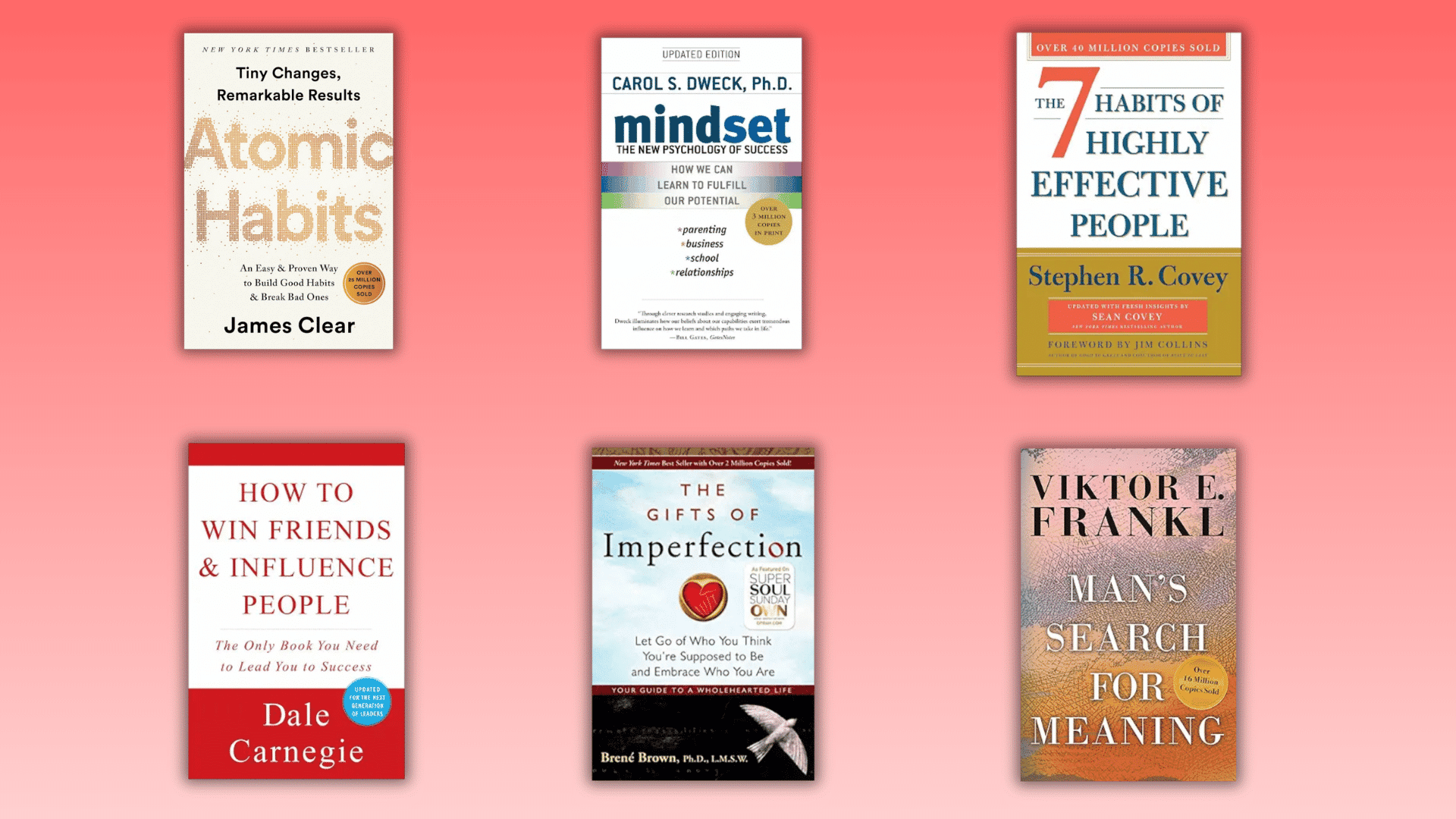

A good sentence about feelings can do something a whole self-help book can’t: it hands you the exact words for something you’ve felt for years but never said out loud.
That’s the magic behind a great collection of emotional intelligence quotes; each one is a tiny shortcut to naming what’s going on inside you, or handling it better next time.
Some of these will make you nod along. A few might feel like they were written specifically about your Tuesday.
Bookmark this page, and come back whenever you need a quick gut-check on what emotional intelligence actually looks like in real life.
What is Emotional Intelligence?
Emotional intelligence is the ability to notice your own emotions and manage how you react to them. It also means picking up on what others are feeling and responding in a way that helps, not hurts, the situation.
It shows up in small moments: staying calm during a disagreement, noticing when a friend needs space instead of advice, or catching your frustration before it turns into a snapped reply.
None of this comes naturally to everyone. Learning to practice self-compassion is often the first step, since it’s hard to manage a feeling you’re busy judging yourself for having.
People with high emotional intelligence tend to handle conflict better, build stronger relationships, and stay steady under pressure, and that’s part of why quotes about it get shared so often.
Emotional Intelligence Quotes on Self-Awareness

Self-awareness sits at the core of emotional intelligence quotes, because you can’t manage a feeling you haven’t named yet. These lines focus on noticing emotions before they take over.
- “Emotional intelligence begins the moment you can name what you’re feeling instead of just feeling it.”
- “Between stimulus and response there is a space. In that space is our power to choose our response.”
- “Knowing your own emotions is the first skill of emotional intelligence, not the last.”
- “You can’t stop a feeling from rising, but you can learn to sit with it instead of drowning in it.”
- “Self-control is not the absence of emotion. It’s what emotional intelligence looks like in practice.”
- “The most emotionally intelligent people aren’t calm by nature. They’ve just learned to pause.”
- “Awareness of your own emotional state is the starting line, not the finish line.”
- “You don’t have to control every thought. You just have to stop letting them control you.”
- “Emotional intelligence is knowing what you feel and why, before you decide what to do about it.”
- “The greatest weapon against a bad mood is the space between the trigger and your reaction.”
- “Until you make an emotion conscious, it will run your life and you’ll call it a mood.”
- “High emotional intelligence starts with an honest look at your own reactions, without judging them as good or bad.”
- “Naming an emotion out loud takes away half its power.”
- “The hardest part of emotional intelligence isn’t feeling less. It’s noticing more.”
- “Staying cool under pressure isn’t a personality trait. It’s a skill you practice.”
- “Anger passes faster once you stop feeding it with more thoughts.”
- “Wanting less noise in your head is often the real goal, not wanting fewer feelings.”
- “You can choose your response to almost anything once you notice the moment where a choice exists.”
- “What you focus on during a strong emotion shapes what you become because of it.”
- “In the middle of chaos, emotional intelligence is the stillness you bring with you.”
- “Peace with your emotions comes from understanding them, not silencing them.”
- “Unexamined anger does more damage to the person holding it than the person it’s aimed at.”
- “The most emotionally intelligent response to conflict is often the quietest one.”
- “A steady mind under pressure is built, not born.”
- “You have more control over your emotional reactions than most situations make you believe.”
- “Between what happens to you and how you feel about it, there’s always a choice.”
- “Self-discipline over your emotional reactions is the quiet engine behind emotional intelligence.”
- “Every outburst of anger is usually hiding a smaller feeling underneath it, like hurt or fear.”
- “The moments that wound you often teach you the most about your own emotional patterns.”
- “Watching your emotions without judging them is where self-compassion actually starts.”
- “It’s rarely the stressful event itself that harms you. It’s how long you carry the reaction to it.”
- “You can’t always choose what happens around you, but you can choose what happens inside you.”
- “Mastering your own emotional reactions matters more than winning any argument.”
Emotional Intelligence Quotes Worth Sharing
Some emotional intelligence quotes are made for passing along, the kind you send to a friend having a hard day or post where someone else might need them.
Recognizing when someone is pulling away is its own skill; if you’ve noticed emotionally unavailable patterns in yourself or someone close to you, these lines on empathy may land differently.
- “People forget what you said. They remember how your words made them feel.”
- “Empathy means recognizing a piece of your own emotional experience in someone else’s.”
- “Emotional intelligence shows up most clearly in how well you listen, not how well you speak.”
- “You can’t fix someone’s bad day with logic. Sometimes connection is the only thing that helps.”
- “Kindness communicates in a language every person can understand, no translation needed.”
- “Half of what someone is feeling shows up in what they don’t say out loud.”
- “Empathy isn’t a feeling you have. It’s an action you choose to take.”
- “A small act of noticing someone’s mood is rarely wasted.”
- “Giving someone your full attention is one of the most emotionally intelligent gifts you can offer.”
- “How you made someone feel often outlasts what you actually meant to say.”
- “Feeling truly heard is close enough to feeling loved that most people can’t tell the difference.”
- “A little emotional generosity toward someone else rarely goes to waste.”
- “Helping someone name their own feelings often lifts more weight than any advice could.”
- “Connection is often the missing piece behind why we do anything that feels meaningful.”
- “Treating someone with patience even when they’re upset is a mark of real emotional control.”
- “Sometimes helping someone else process their emotions teaches you more about your own.”
- “Being fully present for someone’s hard moment is a quiet form of generosity.”
- “Everyone carries an emotional weight you can’t see, so patience costs you little and gives a lot.”
- “One word said with real attention can shift someone’s entire day.”
- “Emotional connection is often the thing people remember longest about a relationship.”
- “Shared emotional support does more for a relationship than any single grand gesture.”
- “Not everyone will understand what you’re feeling, and that’s fine. Understanding isn’t a requirement to move forward.”
- “You can offer support without agreeing with someone, and that difference matters emotionally.”
- “Recognizing someone’s feelings is the first step before you can help them process those feelings.”
- “Understanding someone else’s emotional reaction takes more effort than judging it, but it’s worth more too.”
- “A friend who reads your mood without you explaining it is rare and worth keeping close.”
- “Send this to someone who needs the reminder that they’re not overreacting, they’re just feeling something real.”
- “Emotional intelligence spreads the same way kindness does: one small moment at a time.”
- “The best support doesn’t fix the feeling. It just makes the person feel less alone in it.”
- “Sometimes the most emotionally intelligent thing you can say is nothing at all.”
- “Every relationship runs better when both people feel safe naming what they actually feel.”
- “Patience with someone else’s timeline for processing emotion is its own form of care.”
- “A short message at the right moment can mean more than a long one at the wrong time.”
- “Empathy travels faster than advice ever will.”
Emotional Intelligence Quotes for Everyday Reading

These emotional intelligence quotes work well as a short daily read, the kind you scroll back to for a quick reset before a meeting, a hard conversation, or a long day.
- “IQ gets you the interview. Emotional intelligence gets you the promotion.”
- “The best leaders manage the room’s emotions as carefully as they manage the agenda.”
- “Leadership isn’t about authority. It’s about reading what your team needs before they say it.”
- “A leader with high emotional intelligence notices tension in a meeting before it becomes a problem.”
- “People don’t remember your strategy. They remember how being on your team felt.”
- “Managing tasks is one skill. Managing the emotions of the people doing those tasks is another.”
- “The quietest leaders often have the sharpest read on the room.”
- “Real leadership multiplies emotional intelligence across a team instead of hoarding it.”
- “Failure feels less permanent when a leader has the emotional steadiness to keep the team moving.”
- “Growing your own emotional intelligence has to happen before you can grow anyone else’s.”
- “A leader who takes the blame and shares the credit is applying emotional intelligence, not just good manners.”
- “Turning a vision into results depends on reading the emotional state of the people carrying it out.”
- “The hardest leadership skill isn’t the technical one. It’s staying emotionally steady when things go wrong.”
- “Soft skills like patience and emotional awareness are often harder to build than any hard skill.”
- “A team led with emotional intelligence produces more leaders, not just more followers.”
- “Talent wins games, but emotional intelligence is often what makes a team play well together.”
- “Trust, built through emotional attentiveness, is the real currency of effective communication.”
- “People commit to a leader who understands them before they commit to the leader’s plan.”
- “Success often finds people too focused on serving others to notice they’re succeeding.”
- “A leader who reads the room well can build agreement without forcing it.”
- “Adapting to a changing team requires more emotional flexibility than technical knowledge.”
- “Whatever role you’re in, bring emotional awareness to it fully.”
- “Where one person sees a difficult employee, an emotionally intelligent leader sees an unmet need.”
- “The darkest moments of a project often reveal which leaders actually understand their people.”
- “Character under pressure is built by facing hard moments with emotional steadiness, not by avoiding them.”
- “Loving the work is easier when a leader has helped you feel understood in it.”
- “What separates a leader from a manager is often just emotional awareness of the people involved.”
- “A positive attitude, genuinely felt, spreads through a team faster than any memo.”
- “A team built on trust outperforms a team built on talent alone.”
- “Recovering from failure with emotional steadiness matters more than avoiding failure altogether.”
- “Growing people is the highest use of a leader’s own emotional intelligence.”
- “No single person builds something great. It takes a team that reads each other well.”
- “Doing right by your team when no one’s watching is emotional intelligence in its purest form.”
- “Read one of these a day, and you’ll start noticing emotional intelligence everywhere you look.”
Some Quotes by Famous Personalities

These quotes carry extra weight because of who said them, from psychologists to writers to business leaders who shaped how we think about emotional intelligence.
- “Between stimulus and response there is a space. In that space is our power to choose our response.” (Viktor Frankl)
- “Knowing yourself is the beginning of all wisdom.” (Aristotle)
- “I’ve learned that people will forget what you said, people will forget what you did, but people will never forget how you made them feel.” (Maya Angelou)
- “Rarely can a response make something better. What makes something better is connection.” (Brené Brown)
- “Great leaders move us. They ignite our passion and inspire the best in us.” (Daniel Goleman)
- “Leadership is not about being in charge. It is about taking care of those in your charge.” (Simon Sinek)
- “IQ gets you hired, but EQ gets you promoted.” (Travis Bradberry)
- “People don’t care how much you know until they know how much you care.” (Theodore Roosevelt)
- “The best executives know how to hire good people for what they can’t do and how to manage those they’ve hired.” (John C. Maxwell)
- “When people talk, listen completely. Most people never listen.” (Ernest Hemingway)
- “The most basic and powerful way to connect to another person is to listen.” (Rachel Naomi Remen)
- “You never really understand a person until you consider things from his point of view.” (Harper Lee)
- “We are hardwired to connect with others, it’s what gives purpose and meaning to our lives.” (Brené Brown)
- “Until you make the unconscious conscious, it will direct your life and you will call it fate.” (Carl Jung)
- “You don’t have to control your thoughts. You just have to stop letting them control you.” (Dan Millman)
- “The first step toward change is awareness.” (Nathaniel Branden)
- “Management is doing things right. Leadership is doing the right things.” (Peter Drucker)
- “The function of leadership is to produce more leaders, not more followers.” (Ralph Nader)
- “A leader is best when people barely know he exists.” (Lao Tzu)
- “Before you are a leader, success is all about growing yourself. When you become a leader, success is about growing others.” (Jack Welch)
If you find yourself reaching for these quotes often during a hard stretch at work, it may be worth reading about how to recover from burnout too.
The Bottom Line
Words carry weight when they’re said at the right moment. That’s the real use of emotional intelligence quotes: not to memorize, but to pull out when you need them most, in a hard conversation or a quiet moment alone.
Pick two or three that stayed with you. Write them somewhere you’ll actually see them again: a notebook, a sticky note, your phone’s lock screen.
The next time you catch yourself reacting instead of responding, let one of these lines do the work.
Frequenty Asked Questions
Who Coined The Term Emotional Intelligence?
Psychologists Peter Salovey and John Mayer introduced the term in 1990. Daniel Goleman popularized it worldwide with his 1995 book on the subject.
How Do I Know If I Have High Emotional Intelligence?
You notice your emotions before reacting, stay calm under stress, and accurately read other people’s feelings. Strong relationships and steady decision-making are common signs.
Can Emotional Intelligence Be Learned Or Is It Fixed?
It can be learned. Research shows people build emotional intelligence through practice, feedback, and conscious effort, unlike fixed traits such as IQ.