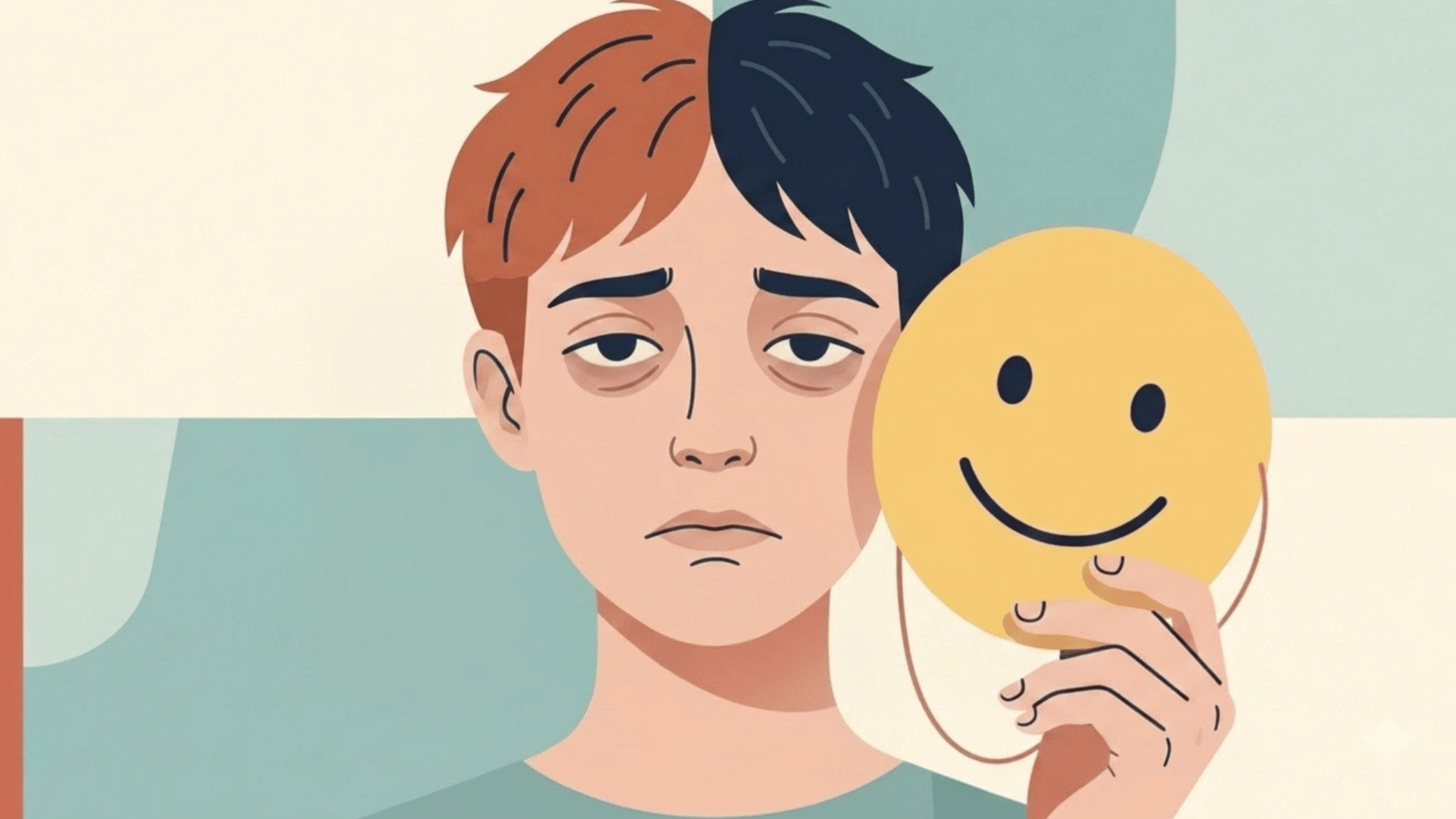

A couple can go to the same job, eat the same dinner, and fall asleep in the same bed every night, and still feel like roommates splitting a lease.
Meanwhile, a coworker you’ve known for three months somehow knows more about what’s actually going on in your head than your own family does.
What connects these moments isn’t time spent together, it’s what actually passes between two people.
In this blog, I’ll look at what emotional intimacy actually means and why it shows up so unevenly across relationships.
What is Emotional Intimacy and Why It Matters?
Emotional intimacy is the closeness that allows two people to share thoughts, feelings, concerns, and needs while feeling safe, heard, and understood.
It develops through trust, respect, honest communication, careful listening, affection, and consistent emotional support.
Emotional intimacy can form in romantic relationships, friendships, and family relationships; sexual or physical closeness is not required.
The quality of the relationship matters. Consistent criticism, emotional withdrawal, control, or unresolved conflict can increase anxiety, self-doubt, and emotional distress.
Emotional intimacy supports mental well-being when it is built on safety, trust, respect, and mutual care
The U.S. Department of Veterans Affairs also highlights the importance of having trusted confidants with whom people can share personal experiences and feelings.
What Does Emotional Intimacy Look Like?

Emotional intimacy is usually easiest to spot in small interactions, not dramatic confessions. These patterns show what emotional safety and responsiveness can look like day to day.
- Open and Honest Conversations: Both people can share thoughts, feelings, and concerns without hiding important parts of themselves.
- Comfortable Vulnerability: Personal fears, insecurities, and hopes can be expressed without expecting criticism or rejection, the opposite of what usually shows up first among toxic relationship warning signs.
- Careful Listening: Each person pays attention, asks thoughtful questions, and tries to understand the other’s perspective.
- Mutual Trust: Private feelings are respected, promises are kept, and personal information is not used during arguments.
- Consistent Emotional Support: Both partners offer reassurance, encouragement, and care during stressful or uncertain moments.
- Respectful Disagreements: Conflicts can be discussed without insults, threats, manipulation, or deliberate emotional withdrawal.
- Genuine Appreciation: Affection, gratitude, and recognition are expressed regularly through words and thoughtful actions.
Emotional Intimacy vs. Emotional Closeness
The terms overlap, but they are not perfect substitutes. One describes a felt bond; the other points more directly to how that bond develops gradually.
| Point | Emotional Intimacy | Emotional Closeness |
|---|---|---|
| Focus | Deep emotional sharing | Feeling connected |
| Develops through | Trust and openness | Time and shared experiences |
| Feels like | Being understood | Feeling bonded |
| Vulnerability | Usually important | Not always needed |
| Communication | Often deep and personal | Can be simple and regular |
| Example | Sharing a fear openly | Feeling close to a longtime friend |
| Growth | Can grow quickly | Often builds gradually |
| Main idea | Depth of sharing | Strength of connection |
What Doesnt Count as Emotional Intimacy
Several behaviors can resemble closeness from the outside without creating it. The difference usually lies in meaning, responsiveness, and how each person experiences the interaction.
- Oversharing: Revealing highly personal information quickly does not automatically create trust.
- Constant Contact: Frequent texts or calls say little about how safely you can express meaningful feelings.
- Always Agreeing: People can disagree and still feel secure, respected, and connected.
- Instant Problem-Solving: Advice can be useful, but it can also skip past the emotional point someone is trying to communicate.
- Mind-Reading: Expecting someone to guess needs is not the same as communicating them.
Ways to Improve Emotional Intimacy
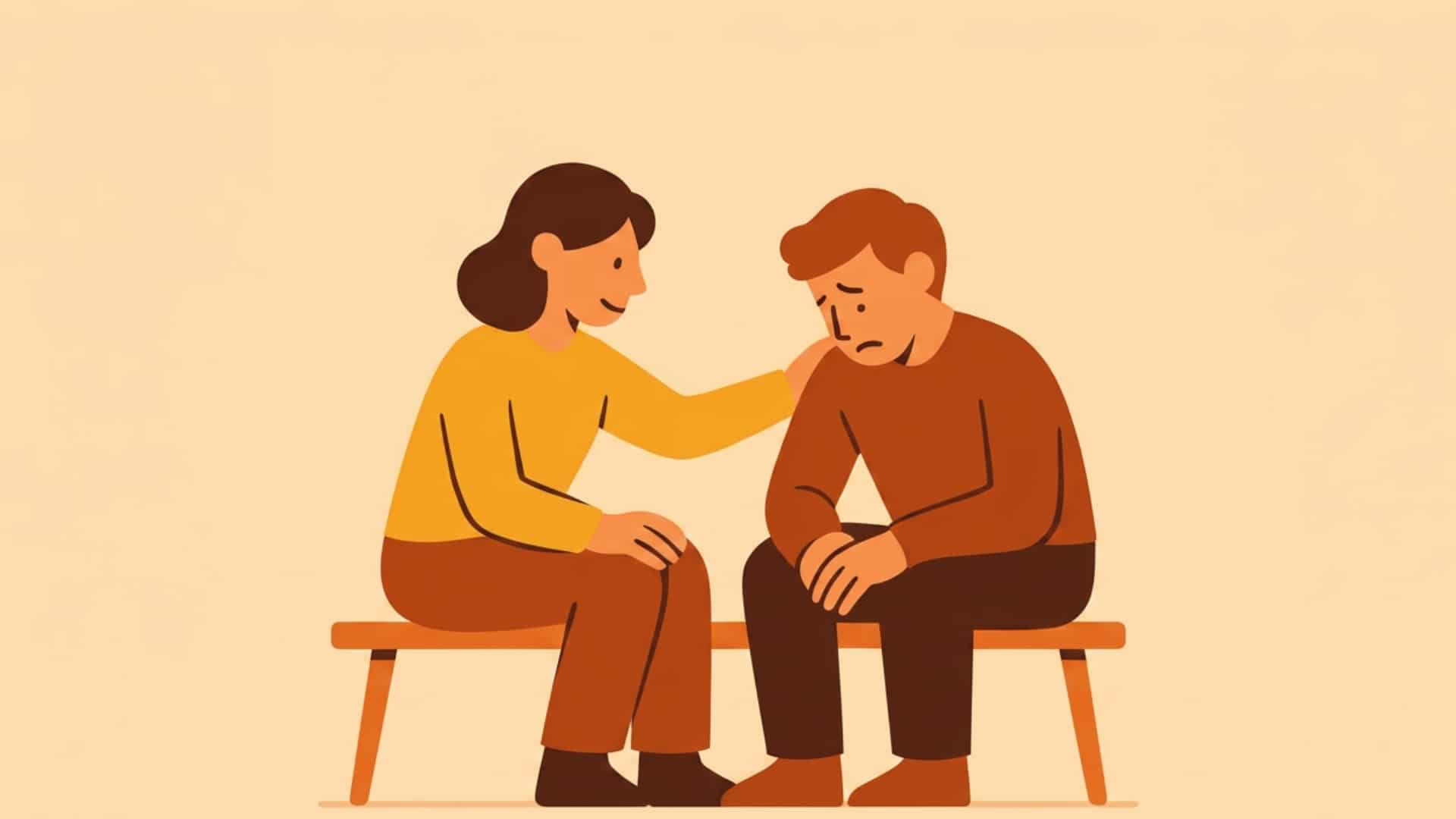
Emotional intimacy tends to grow through repeated, responsive exchanges rather than one intense conversation. Improving it starts with removing barriers and changing everyday interaction habits.
1. Share Your Feelings Honestly
Emotional closeness grows when both partners can speak openly without expecting criticism. Describe your feelings clearly instead of assuming the other person already understands them.
Start with small concerns if discussing deeper emotions feels uncomfortable. Honesty should remain respectful and should never pressure someone to share before they feel ready.
Real-life example: Tell your partner that you feel overwhelmed at work instead of becoming distant without explaining why.
2. Listen Without Interrupting
Give your full attention when your partner talks about something important. Put away distractions, maintain comfortable eye contact, and let them finish speaking.
Reflecting their main point can confirm that you understood what they meant.
Real-life example: When your partner describes a difficult day, listen first, then ask whether they want comfort or practical advice.
3. Ask Meaningful Questions
Thoughtful questions can move conversations beyond schedules, chores, and daily tasks.
Ask about feelings, goals, worries, memories, and experiences that shaped your partner. Choose open questions that invite more than a short yes-or-no response.
Respond with genuine interest instead of quickly shifting the conversation back to yourself.
Real-life example: Ask what part of an upcoming career change feels most exciting or stressful to them.
4. Spend Intentional Time Together
Emotional connection needs regular attention, even when schedules are busy.
Choose activities that allow conversation instead of relying only on passive screen time, an idea that fits well alongside building better personal goals around family and relationships specifically.
Short periods of focused time can be more meaningful than hours spent in the same room distracted. Making time consistently shows that the relationship remains a priority.
Real-life example: Take a 20-minute evening walk together and leave both phones at home.
5. Offer Support During Difficult Moments
Emotional intimacy becomes stronger when partners feel they can depend on each other.
Acknowledge the other person’s feelings instead of minimizing or comparing their experience. Ask what kind of support would be most useful before deciding what they need.
Small, reliable actions often communicate care more clearly than dramatic promises.
Real-life example: Prepare dinner and handle household tasks when your partner is caring for an ill family member.
6. Express Appreciation and Affection
Regular appreciation helps each partner feel noticed, valued, and emotionally secure. Mention specific qualities or actions instead of relying on a general compliment.
This is exactly what acts of service love looks like in practice, showing care through specific, noticed actions rather than a vague thank-you.
Affection can include kind words, hugs, thoughtful messages, or small acts of care. Respect personal boundaries because people differ in how they prefer to receive affection.
Real-life example: Thank your partner for handling a stressful appointment and explain how their effort helped you.
7. Work Through Conflict as a Team
Disagreements do not have to damage closeness when both people communicate respectfully. Focus on the current issue rather than listing old mistakes or attacking personal qualities.
Take a short break if emotions become too intense for a constructive conversation.
Real-life example: After arguing about chores, you divide the weekly tasks more fairly and review the plan together later.
Common Barriers to Emotional Intimacy
Emotional intimacy can weaken when fear, past experiences, and communication habits make it difficult to feel safe, understood, and fully open with a partner.
| Barrier | How It Appears | Effect on the Relationship |
|---|---|---|
| Fear of rejection | Hiding feelings to avoid criticism | Prevents honest emotional sharing |
| Past relationship wounds | Expecting betrayal or disappointment | Makes trust difficult to build |
| Poor communication | Avoiding direct or meaningful conversations | Creates confusion and emotional distance |
| Difficulty being vulnerable | Keeping worries and insecurities private | Limits deeper emotional connection |
| Unresolved conflict | Repeating arguments without finding closure | Builds resentment over time |
| Emotional unavailability | Withdrawing when feelings become intense | Leaves the other person feeling unsupported |
| Low self-esteem | Doubting personal worth or a partner’s affection | Encourages insecurity and reassurance-seeking, something working to become your best self can help address at the root |
| Lack of quality time | Giving work, screens, or responsibilities constant priority | Reduces opportunities for meaningful connection |
| Different emotional needs | Expressing and receiving affection in different ways | Causes partners to feel misunderstood |
| Fear of losing independence | Viewing closeness as restrictive or demanding | Creates resistance to commitment and openness, often traceable to clingy relationship behavior patterns learned earlier in life. |
Final Thoughts
The answer to what is emotional intimacy lies in the ability to share feelings, needs, fears, and hopes without expecting judgment or dismissal. It gives both people room to feel heard, respected, and emotionally secure.
This connection develops through everyday choices rather than occasional grand gestures.
Honest conversations, dependable support, thoughtful listening, and healthy conflict resolution can help a relationship become closer over time.
Frequently Asked Questions
Is Emotional Intimacy a Personality Trait?
No. It is better understood as a relationship process. Personality, attachment patterns, and past experiences can affect comfort with closeness, but intimacy develops between people.
Can Two People Feel Different Levels of Emotional Intimacy In The Same Relationship?
Yes. Partners can interpret the same interactions differently, so one person may feel deeply understood while the other feels comparatively distant or unseen.
Can Emotional Intimacy Happen Online?
Yes. Emotional intimacy can develop online when people communicate honestly, listen with care, and respond thoughtfully. Private, consistent conversations usually support closeness better than public sharing alone.