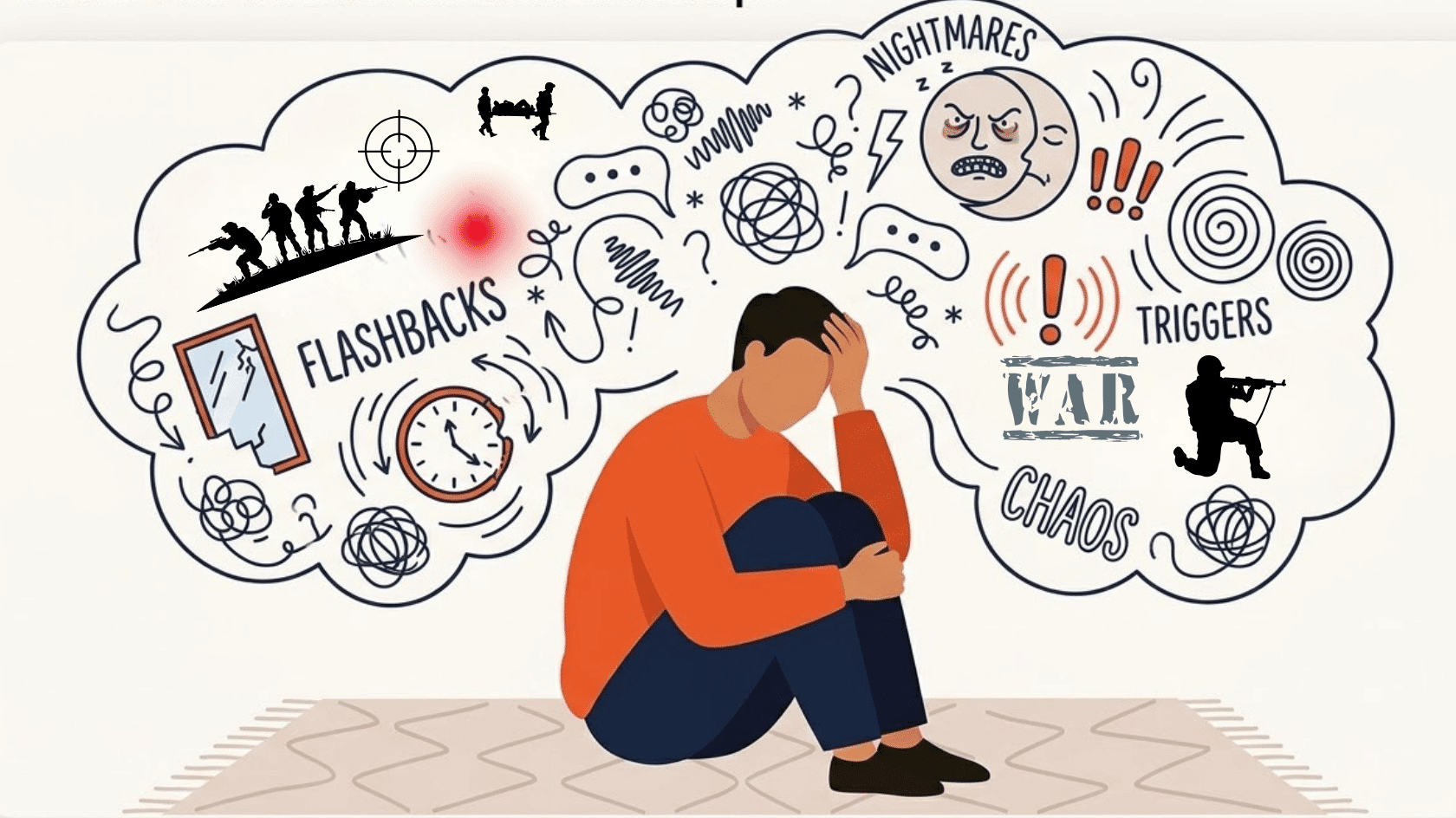
Traumatic and highly stressful experiences can affect people of any age, yet no two people respond in exactly the same way.
In practice, one of the clearest observations is that the same event can lead to very different emotional and behavioral responses.
Some people recover with time and support, while others develop symptoms that interfere with relationships, school, work, or daily life.
In this blog, I will explain trauma and stressor-related disorders, how these conditions differ, and how they may present in both adults and children.
What are Trauma and Stressor-Related Disorders?This is a mental health condition that develops after exposure to a traumatic or highly stressful event. Although they share a common link to an identifiable stressor, each condition has its own pattern of symptoms, diagnostic criteria, and treatment needs. The DSM-5-TR recognizes these conditions as a distinct diagnostic category, including PTSD, adjustment disorders, attachment-related disorders, prolonged grief disorder, and other specified and unspecified trauma-related conditions. |
Symptoms of Trauma and Stressor-Related Disorders
Symptoms vary across diagnoses, but they often persist beyond the normal stress response and begin affecting daily life. I have seen changes in sleep, emotions, or relationships are often among the earliest signs.
| Emotional | Physical | Behavioral & Cognitive |
|---|---|---|
| Anxiety or fear | Trouble sleeping | Avoiding reminders of the event |
| Sadness or hopelessness | Fatigue | Difficulty concentrating |
| Guilt or shame | Headaches or muscle tension | Withdrawal from family and friends |
| Irritability or anger | Increased startle response | Changes in work or school performance |
| Emotional numbness | Digestive discomfort | Feeling constantly on guard |
Types of Trauma and Stressor-Related Disorders
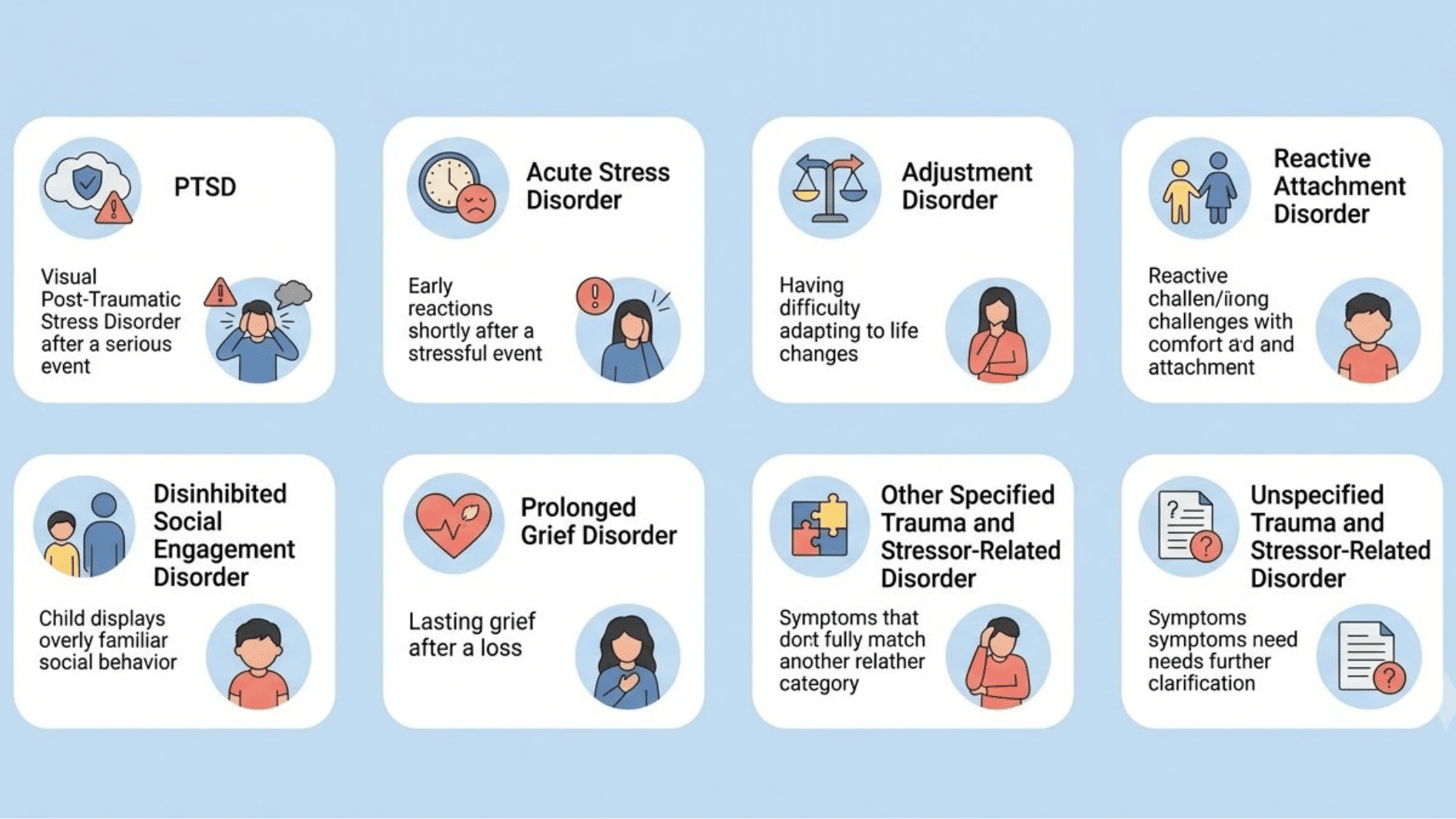
People often use trauma as a single catch-all word. Clinically, it covers a spectrum of distinct diagnoses, each defined by a different stressor, symptom pattern, and timeline.
Knowing the difference determines what treatment actually helps.
1. Post-Traumatic Stress Disorder (PTSD)
PTSD follows exposure to a traumatic event such as serious injury, sexual violence, combat, or witnessing a death.
DSM-5 moved it out of the anxiety disorders category because the condition involves far more than fear, including guilt, shame, and anger.
If you’re pondering if your own symptoms fit, you can take a free PTSD self-assessment to get a clearer starting point.
Example: After a serious car crash, someone has repeated nightmares and avoids driving for several months. Loud traffic sounds make them feel as if the crash is happening again.
2. Acute Stress Disorder
This describes similar trauma reactions occurring within the first month after an event. Only about half of these cases progress into full PTSD.
When the physical symptoms feel most overwhelming, grounding techniques for panic attacks can help someone get through the moment.
A rough week or two after something traumatic is not, on its own, a verdict. That distinction often brings real relief to someone bracing for the worst.
Example: A week after being assaulted, someone feels numb, has upsetting flashbacks, and cannot sleep. These symptoms began soon after the event and have lasted less than one month.
3. Adjustment Disorders
Adjustment disorder follows an identifiable stressor that does not need to be traumatic in the clinical sense.
Symptoms emerge within three months and are clinically significant, either through distress out of proportion to the stressor or real impairment in functioning.
Example: After losing a job, someone feels deeply anxious and stops attending social events. The reaction disrupts daily life but does not meet the criteria for another disorder.
4. Reactive Attachment Disorder (RAD)
RAD is diagnosed only in children, stemming from documented social neglect or insufficient caregiving early in life.
It shows up as a consistent pattern of inhibited, emotionally withdrawn behavior toward caregivers, where the child rarely seeks or responds to comfort when distressed.
Example: A young child with a history of severe neglect rarely seeks comfort from a caregiver after getting hurt. The child also shows little response when comfort is offered.
5. Disinhibited Social Engagement Disorder (DSED)
DSED shares the same root cause as RAD but the opposite presentation.
A child with DSED approaches unfamiliar adults without hesitation, behaves with overly familiar closeness, and may leave with a stranger with little resistance.
Example: A child with a history of inadequate caregiving quickly hugs unfamiliar adults at a store. The child may walk away with a stranger without checking for their caregiver.
6. Prolonged Grief Disorder
This applies when grief after a close death does not ease over time and remains disabling.
DSM-5-TR requires the loss occurred at least 12 months prior, compared to six months under ICD-11.
For children and adolescents, that threshold drops to six months. Grief itself is not a disorder. This diagnosis exists for grief that has stalled, not grief that is simply present.
Example: More than a year after losing a spouse, someone remains consumed by longing and cannot return to daily routines. The grief continues to seriously affect work and relationships.
7. Other Specified Trauma and Stressor-Related Disorder
Used when symptoms clearly stem from a stressor and cause real distress, but do not fit neatly into PTSD, acute stress disorder, or adjustment disorder.
This includes delayed onset beyond three months after the stressor, or symptoms lasting longer than six months without an ongoing stressor. The suffering is real even when the timeline is not textbook.
Example: Months after a frightening medical emergency, someone develops anxiety, avoidance, and sleep problems. The symptoms cause real difficulty but do not fully match another diagnosis.
8. Unspecified Trauma and Stressor-Related Disorder
Applied when trauma-related symptoms cause significant distress or impairment, but there is not yet enough information to specify why another diagnosis does not fit.
It marks situations where the fuller clinical picture has not yet emerged. It is not a lesser diagnosis, just an honest placeholder until more clarity is possible.
Example: A person arrives at an emergency clinic feeling distressed and unsafe after an unclear stressful event. There is not yet enough information to identify the exact trauma-related condition.
Trauma and Stressor-Related Disorders in Children (Causes and Impact)

Children are still developing their emotional regulation, sense of safety, and understanding of the world. Traumatic experiences can affect how they process emotions, build relationships, and respond to stress.
Trauma and stressor-related disorders may develop when an experience feels overwhelming and exceeds a child’s ability to cope.
In many cases, the childhood trauma symptoms that show up later in adulthood trace directly back to how these early experiences were handled.
Common Causes and Experiences Linked to These Disorders Include:
- Abuse: Physical, emotional, or sexual harm that affects a child’s sense of safety.
- Neglect: Lack of proper care, support, or basic needs over time.
- Violence Exposure: Witnessing violence at home or in the community.
- Bullying: Repeated peer harm that impacts emotional well-being.
- Serious Events: Accidents, illnesses, or disasters that feel overwhelming.
- Loss or Separation: Losing a caregiver or experiencing major family changes.
- Family Stress: Ongoing conflict, substance misuse, or instability at home.
Ways Trauma Affects Child Development
According to the National Child Traumatic Stress Network (NCTSN), ongoing or severe traumatic stress can affect several areas of development, including:
Emotional Regulation
Difficulty identifying, expressing, or managing emotions during everyday situations.
Learning and Memory
Trouble concentrating, remembering information, or keeping up with school activities and tasks.
Attention and Behavior
Increased impulsivity, hypervigilance, restlessness, or withdrawal from activities and interactions.
Relationships
Difficulty trusting caregivers, teachers, or peers and forming healthy connections with others.
Sense of Safety
Feeling constantly alert, anxious, or easily frightened even when the environment is safe.
It’s worth noting that trauma and ADHD symptoms can look strikingly similar which sometimes leads to confusion during evaluation.
Common Signs by Developmental Stage
The signs of trauma often change as children grow. Understanding these age-related differences helps place behaviors in the right developmental context.
| Age Group | Emotional Signs | Behavioral or Developmental Signs |
|---|---|---|
| Preschool Children | Fear, anxiety, clinginess, and difficulty feeling safe. | Regression, nightmares, repetitive play, or separation anxiety. |
| School-Age Children | Irritability, sadness, worry, or emotional changes. | Trouble focusing, lower school performance, physical complaints, or withdrawal. |
| Adolescents | Mood changes, anger, emotional numbness, or difficulty managing feelings. | Risk-taking, isolation, relationship changes, or changes in daily behavior. |
Supporting a Child After Trauma or Stress
Supportive adults can help children feel safe, understood, and more in control after a stressful or traumatic experience and it’s recovery.
- Create predictable routines: Regular meals, school schedules, and bedtimes can restore a sense of safety.
- Listen without pressure: Allow the child to share feelings when ready without pushing for details.
- Acknowledge their emotions: Let the child know that fear, sadness, anger, or confusion can be normal reactions.
- Offer calm reassurance: Remind the child that caring adults are present and working to keep them safe.
- Watch for behavioral changes: Notice ongoing problems with sleep, learning, mood, friendships, or daily activities.
How are Trauma and Stressor-Related Disorders Treated?
Several evidence-based treatments have been shown to improve trauma-related symptoms. The most appropriate approach depends on the diagnosis, age, symptom severity, and personal circumstances.
| Treatment | Primary Focus | Best For |
|---|---|---|
| Trauma-focused CBT (TF-CBT) | Builds healthy coping skills | Children and adolescents |
| Prolonged Exposure Therapy (PE) | Reduces trauma-related fear and avoidance | Adults with PTSD |
| Cognitive Processing Therapy (CPT) | Changes unhelpful trauma-related beliefs | Adults and older adolescents |
| EMDR | Processes distressing memories | Adults and children |
| Medication | Manages moderate to severe symptoms | Used alongside therapy |
When to Seek Professional Help?
Some symptoms are worth taking seriously sooner rather than later. A professional evaluation is worth pursuing when symptoms:
- Persist for several weeks without easing, even as time passes since the stressor
- Worsen over time instead of gradually improving
- Begin disrupting work, school, friendships, or family relationships
- Continue regardless of how mild or minor the original stressor seemed
- Involve any sign of self-harm, suicidal thoughts, or a complete inability to function day to day, which calls for immediate, not delayed, care
In situations involving a genuine safety crisis, it helps to understand how an involuntary hold like a 302 actually works and who to call, so the decision doesn’t have to be made from scratch in the moment.
Note: Start by speaking with a licensed mental health professional. If you’re in crisis or need immediate emotional support, you can find your local crisis service through Find A Helpline.
Conclusion
Living through trauma or significant stress can change the way people think, feel, and respond to the world around them, but those changes do not have to be permanent.
Recognizing when a stress response has become a mental health condition creates the opportunity for timely care rather than unnecessary uncertainty.
With evidence-based treatment and supportive relationships, many children and adults regain stability, safety, and well-being.
Frequently Asked Questions
Is Trauma and Stressor-Related Disorder the Same as PTSD?
No. PTSD is one specific diagnosis within a broader category that also includes acute stress disorder, adjustment disorders, prolonged grief disorder, and attachment-related conditions in children.
Can Adults Develop Reactive Attachment Disorder?
No. Reactive attachment disorder is diagnosed only in children, since it requires a documented history of neglect or insufficient caregiving during early development.
Does Every Child Who Experiences Trauma Develop a Disorder?
No. Many children recover with time and support. A disorder is diagnosed only when symptoms persist, intensify, or interfere with daily functioning beyond what would be expected.