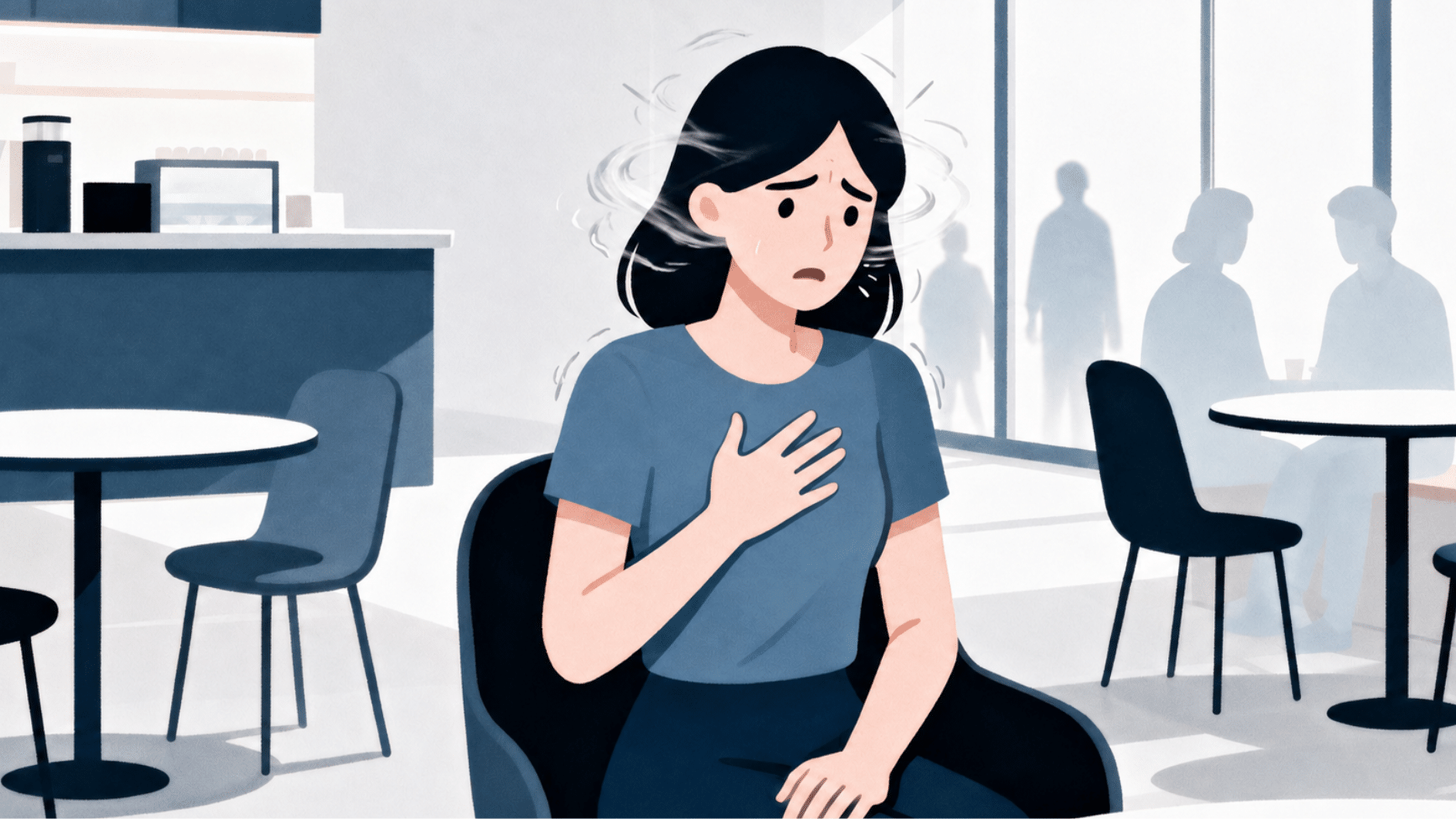
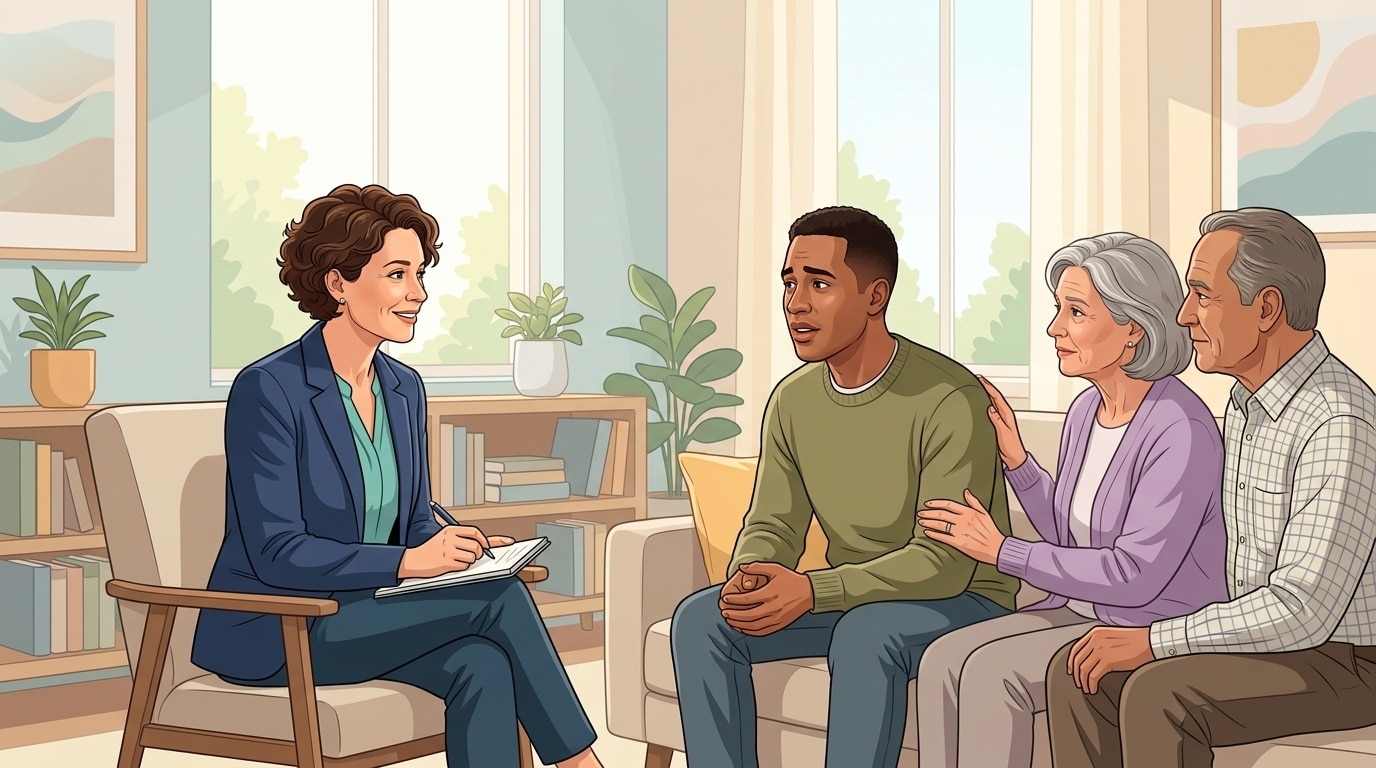
In my practice, I’ve had more than one phone call start with the same shaky question: “What do I do? I think she needs to go to the hospital, but she won’t go.” That’s usually the moment someone brings up a 302.
I’ve sat with families in that exact fear, not knowing if calling for help will hurt their loved one or save them.
So before we get into definitions and legal steps, I want to say this clearly: you’re not overreacting, and there is a process built for exactly this moment.
Disclaimer: This blog is for informational purposes only and does not constitute medical or legal advice. Mental health laws vary by state. Always consult qualified professionals or official government resources regarding specific situations.
What Does 302 Mental Health Mean?
A “302” is an emergency involuntary psychiatric evaluation, named after Section 302 of the Mental Health Procedures Act.
It allows someone in a serious mental health crisis to be taken to a hospital and assessed by a physician when there’s a safety concern, even if they don’t consent.
Other states have similar laws under different names, but the purpose is the same: emergency assessment when a person may be a danger to themselves or others.
A 302 is not a criminal charge or a punishment. It is a civil process meant to provide urgent support when someone may be unable to recognize their own need for help.
One of several mental health interventions families can turn to depending on how severe the crisis is.
Need to 302 Someone? Here’s Who to Call
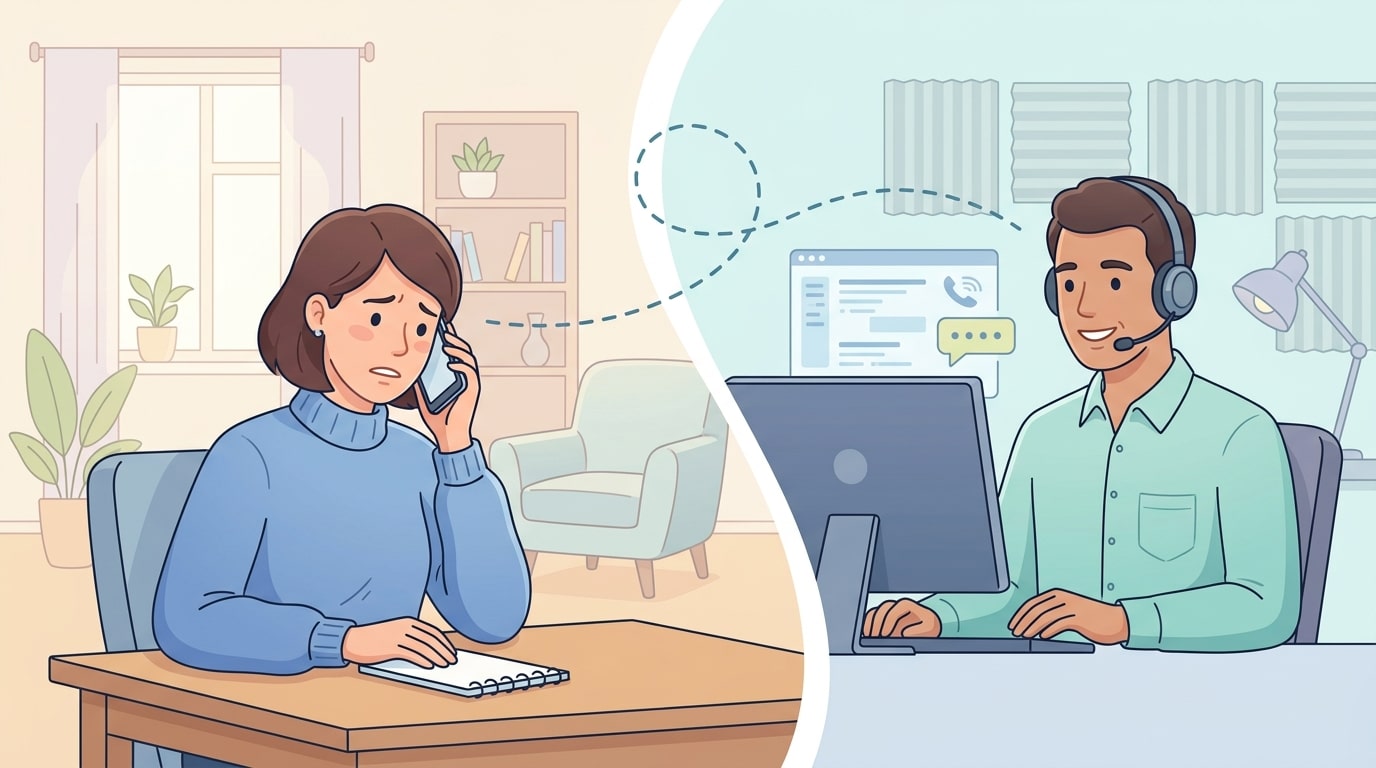
A common question families ask is who to call to 302 someone in crisis.
| Resource | When to Contact Them | How to Contact |
|---|---|---|
| 911 | When there is immediate danger or risk of harm | Call 911 directly for police, fire, or ambulance dispatch |
| Local crisis line | When you need urgent mental health guidance | Call or text 988 (Suicide & Crisis Lifeline) routes automatically to your area’s crisis center |
| County mental health services | When you need help understanding local options | Search “[your county] mental health services” or call 211 for local referrals |
| Mobile crisis team | When the person may need an in-person mental health response | Request through 988 or your county crisis line; they can dispatch a team to your location |
| Hospital emergency department | When the person needs an emergency psychiatric evaluation | Go to the nearest ER, or call ahead to confirm psychiatric evaluation availability |
When Can Someone Be Involuntarily Committed?
Each situation is reviewed individually based on state laws and professional assessment. A person generally cannot be committed simply because family members are worried about them.
Mental health professionals must determine whether legal criteria are met, such as:
- Active suicide threat
- Suicide attempt
- Credible threat toward others
- Severe inability to care for basic needs
- Family disagreement, unusual behavior, or refusing treatment usually does not qualify on its own
How the Involuntary Commitment Process Works
Although procedures vary from state to state, emergency mental health evaluations usually follow a fairly similar process.
The exact steps can differ, but most states share the same basic structure.
Step 1: Crisis Report
A family member, healthcare provider, or law enforcement officer often reports concerns about the person’s safety. A crisis worker may also file this report if they’re the first to respond.
Step 2: Evaluation
A licensed mental health professional assesses the person’s condition, behavior, and current state of mind. They also evaluate the level of risk to decide what kind of support is needed next.
Step 3: Emergency Hold
If legal requirements are met, the individual may be placed under a temporary psychiatric hold. This allows time for proper evaluation and stabilization before any further decisions are made.
Step 4: Further Review
Professionals determine whether the person can safely return home, agrees to voluntary treatment, or needs additional care, considering family input, medical history, and current symptoms the beginning of what mental health recovery actually looks like in practice.
Recommended Actions During a Crisis
I always consistently emphasize early intervention. Waiting until a situation becomes dangerous can limit available options and increase risks for everyone involved.
- Remain calm and speak respectfully
- Avoid arguing about delusions or irrational beliefs
- Listen more than you talk
- Encourage voluntary treatment whenever possible
- Contact crisis professionals early
- Seek emergency help if safety becomes a concern
Real-Life Family Experience
Real, documented stories help make the process feel less abstract when you’re facing it yourself.
|
Real Experience: Getting Help During a Mental Health Crisis “While teaching a science class, Tim suddenly experienced a flashback connected to his military service. He later shared that he could feel himself losing control, but another Veteran nearby recognized what was happening and helped him through the moment. His story shows how early support, understanding, and professional help can make a real difference during a mental health crisis.” |
|
Real Experience: Reaching Out During a Crisis “After experiencing overwhelming emotional distress, one individual contacted the 988 Suicide & Crisis Lifeline and was connected with a trained counselor. The conversation helped them develop a safety plan and connect with local mental health resources.” |
|
Real Experience: Family Involvement Made a Difference “A family member noticed significant changes in a loved one’s behavior and encouraged them to seek professional help. With support from relatives and mental health professionals, the individual was able to begin treatment and work toward recovery.” |
Conclusion
I won’t pretend this is an easy thing to go through. I’ve watched families carry guilt for weeks after making this call, wondering if they did the right thing.
Initiating a 302 isn’t a betrayal; it’s often the only door left open when someone can’t ask for help themselves.
If you’re standing at that door right now, take the next right step: call, don’t wait, and let the professionals do the rest.
Frequently Asked Questions
Can a 302 Mental Health evaluation Affect Someone’s Job?
A 302 evaluation does not automatically affect employment, though workplace circumstances may vary.
Can Someone Refuse Treatment After a 302 Evaluation?
Yes, if mental health professionals determine that involuntary treatment is not legally necessary.
Is a 302 the Same in Every U.S. State?
No, each state has its own laws and procedures for emergency mental health holds.