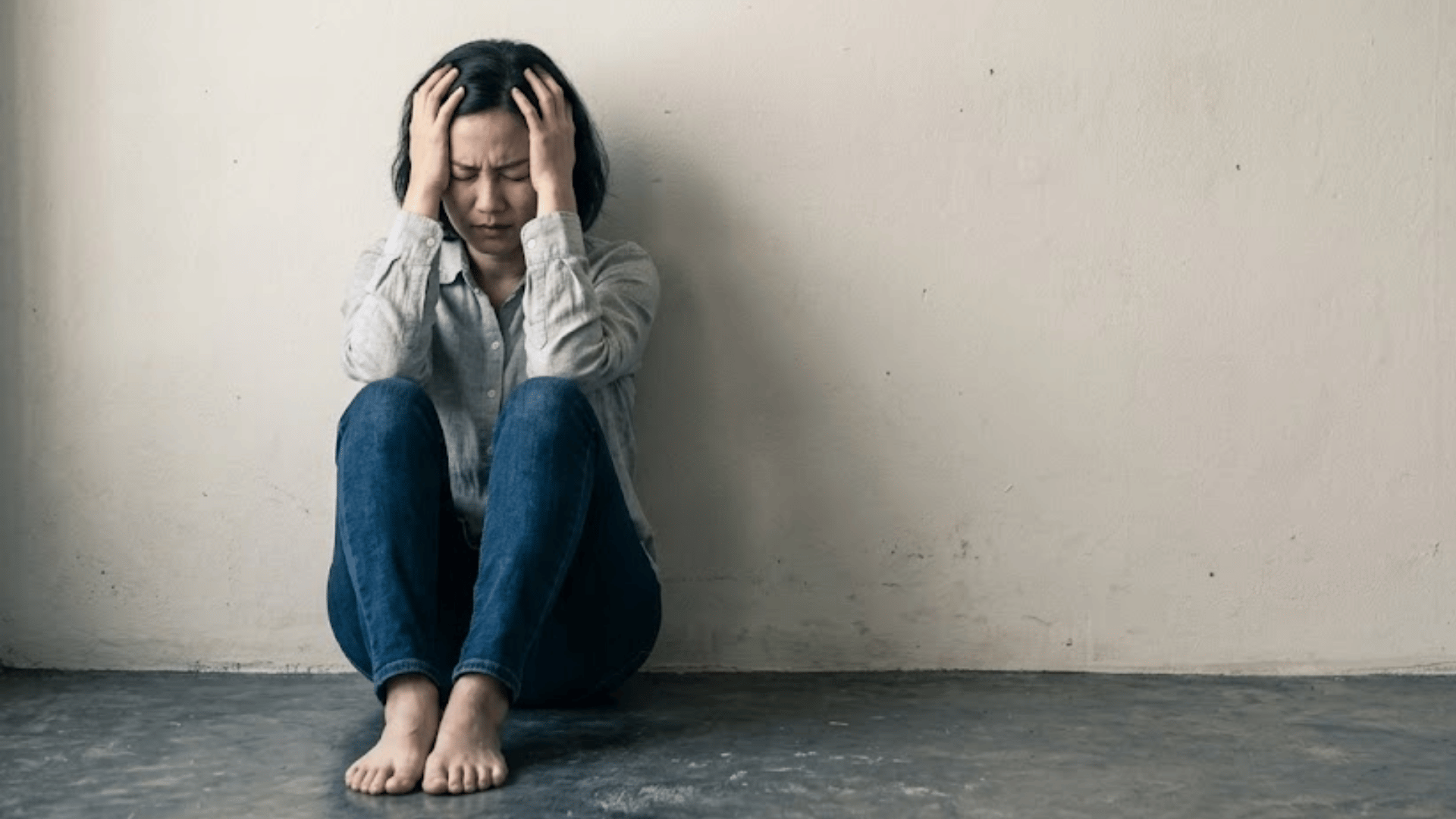
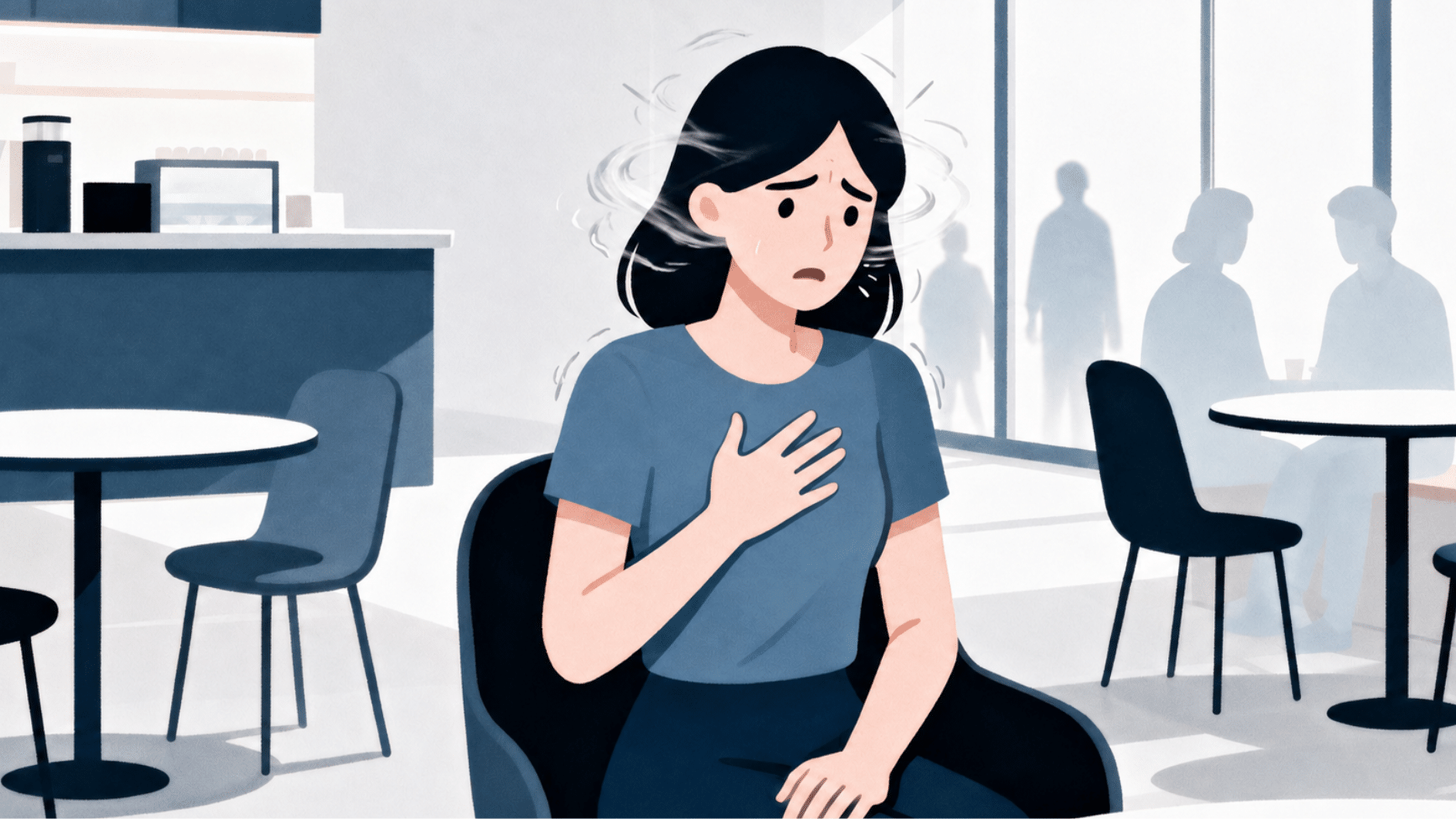
Your chest feels tight, your hands are shaking, and for a second you’re convinced something is seriously wrong, even though nothing around you has actually changed.
Maybe it happens in a grocery store line, during a meeting, or right as you’re trying to fall asleep.
Panic attacks tend to show up without much warning and pass in a way that can feel just as confusing as the attack itself.
In this blog, I will explain what happens in your body and what to do during a panic attack to help you feel calmer.
How Can You Recognize a Panic Attack?
A panic attack often begins suddenly with intense fear or discomfort, sometimes without a clear danger.
The National Institute of Mental Health lists a racing heart, sweating, chills, and trembling among common signs.
Breathing difficulty, a weight sitting on your chest, nausea, dizziness, weakness, tingling, or numb hands may also occur.
You might feel out of control or fear that something terrible is about to happen, a fear that often includes worrying about panic attacks and fainting even though that outcome is rare.
Symptoms can happen during the day or while sleeping and may last from several minutes to an hour. One isolated panic attack does not automatically mean that you have panic disorder.
What to Do During a Panic Attack (Some Practical Ways)

The most useful approach is to work through a few simple steps rather than trying several techniques at once. Start with whatever feels easiest.
1. Get Somewhere Safe
Pause anything that could become dangerous if your concentration drops.
Pull over safely when driving, step away from machinery, or move out of a crowded walkway. If your surroundings are already safe, sit down and give the symptoms time to settle.
Real-life example: A panic attack begins while you are shopping, so you move to a quiet bench and sit with both feet on the floor.
2. Remind Yourself It Will Pass
Panic can make temporary sensations feel like signs of immediate danger.
Name the experience and remind yourself that the intense feeling will ease, since irrational thoughts during anxiety tend to escalate a moment far past what it actually is.
The NHS advises remembering that the attack will pass rather than fighting it.
Real-life example: Your heart begins racing before a meeting, so you quietly repeat, “This is panic, and I can let it pass without solving anything right now.”
3. Slow Your Breathing
Panic can cause rapid or shallow breathing, which may make you feel even more uncomfortable. Try to slow your breathing without forcing it.
Breathe in gently, then let the breath out slowly. Keep your shoulders loose and allow your stomach to move naturally.
4. Ground Yourself
Grounding can pull your attention away from frightening thoughts and back toward the present moment.
One popular option is the 5-4-3-2-1 technique.
Name five things you can see, four things you can touch or feel, three things you can hear, two things you can smell, and one thing you can taste.
Choose one object near you and study it closely. Notice its color, shape, texture, temperature, and small details. This gives your brain something concrete to focus on.
5. Give Your Mind a Simple Task
Choose a neutral activity that requires enough attention to interrupt frightening thought loops.
Count backward, name objects of one color, or list items alphabetically. Keep the task easy, since complex thinking may feel difficult during panic.
Real-life example: On a bus, you count ten blue objects around you instead of repeatedly checking your heartbeat.
6. Relax Your Body
Panic can make your muscles tense without you noticing. Your jaw may tighten, your shoulders may rise, or your hands may curl into fists.
Take a quick body check. Drop your shoulders, unclench your jaw, loosen your hands, and place both feet firmly on the floor.
If sitting makes you feel trapped or restless, gentle movement may work better. Walk slowly in a safe place, stretch your arms, or shake out your hands.
Real-life example: You notice your hands are clenched, so you uncurl your fingers, lower your shoulders, and soften your jaw.
7. Reach Out to Someone You Trust
A calm, familiar person can provide company while the symptoms settle.
Send a short message or call without feeling pressured to explain everything. Tell the person whether you want quiet reassurance, conversation, or help getting to a safer place.
Real-life example: You text your sibling, “I’m having a panic attack. Can you stay on the phone with me for five minutes?”
8. Gentle Movement
Walk slowly, stretch your arms and legs, roll your shoulders, or shake out your hands.
You do not need an intense workout. Comfortable movement can give you something physical to focus on while the panic settles.
9. Sensory Grounding
Touch something with a noticeable texture, such as a piece of fabric or a familiar object. Notice whether it feels smooth, rough, warm, cool, heavy, or light.
Describe the sensation in your mind rather than judging it.
10. Music or Familiar Sounds
Put on a familiar song, podcast, or calming audio. Focus on the sounds rather than checking how you feel every few seconds.
Choose something familiar rather than something intense or distracting in an unpleasant way.
Best when: Silence leaves you focused on anxious thoughts.
What if Breathing Makes Your Panic Worse?
Breathing exercises can help during panic, but focusing too closely on your breath may make some people more aware of dizziness, chest tightness, or breathlessness.
If that happens, stop trying to control your breathing and shift your attention outward. Focus on one object and describe its color, shape, and texture.
Count items around you or listen carefully to familiar music. Feel your feet against the floor and notice the pressure.
The goal is not to use one perfect technique. Choose a method that feels comfortable and helps your attention move away from frightening sensations.
What Can Be Mistaken for a Panic Attack?
Panic attacks can cause intense physical symptoms that overlap with several other conditions. Do not assume new or severe symptoms are panic, especially if you have never experienced them before.
Heart Problems
Chest pain, a racing heart, sweating, dizziness, and shortness of breath can also occur with heart-related conditions.
Breathing Conditions
Asthma and other breathing problems can cause breathlessness, chest tightness, and rapid breathing that may feel similar to panic.
Low Blood Sugar
A drop in blood sugar can cause shaking, sweating, weakness, dizziness, and a fast heartbeat.
Medication or Substance Effects
Caffeine, some medicines, and certain substances can trigger symptoms such as a racing heart, shaking, or anxiety.
Other Anxiety Symptoms
Severe anxiety can cause physical sensations similar to panic without meeting the pattern of a panic attack.
When Panic Symptoms Need Medical Attention?
Panic attacks can cause symptoms that resemble medical emergencies, so do not automatically assume unfamiliar symptoms are anxiety.
- Severe chest pain: Get urgent medical help for severe or unexplained chest pain, especially when it occurs with other concerning symptoms.
- Breathing problems: Seek urgent care if you have serious difficulty breathing, fainting, or symptoms that feel very different from your usual panic attacks.
- New symptoms: Get evaluated if you have never experienced these symptoms before and are unsure whether anxiety is causing them.
- Unusual symptoms: Do not dismiss new or unusually severe symptoms simply because you have experienced panic attacks in the past.
|
If medication ever becomes part of the conversation, it helps to know who prescribes anxiety medication and which providers can guide that decision. |
|---|
Frequently Asked Questions
Can Panic Attacks Happen While You are Asleep?
Yes. A panic attack can sometimes wake you suddenly with symptoms such as a racing heart, sweating, trembling, or intense fear. These are known as nocturnal panic attacks.
Are Panic Attacks More Common at Certain Ages?
Panic attacks can occur at different ages, but panic disorder often begins during the late teens or early adulthood. They can also develop later in life.
Can Avoiding Places Make Panic Attacks Worse?
Avoiding situations because you fear having a panic attack can sometimes strengthen the fear over time. Gradually facing feared situations with appropriate support may help reduce avoidance.
Can Alcohol Trigger Panic Attacks?
Alcohol may temporarily make some people feel calmer, but its effects can later contribute to anxiety or disrupt sleep. Some people notice more panic symptoms after drinking.
Can Lack of Sleep Contribute to Panic Symptoms?
Poor or insufficient sleep can make you feel more stressed and physically sensitive, which may make anxiety symptoms harder to manage. Maintaining a regular sleep routine can support overall emotional well-being.