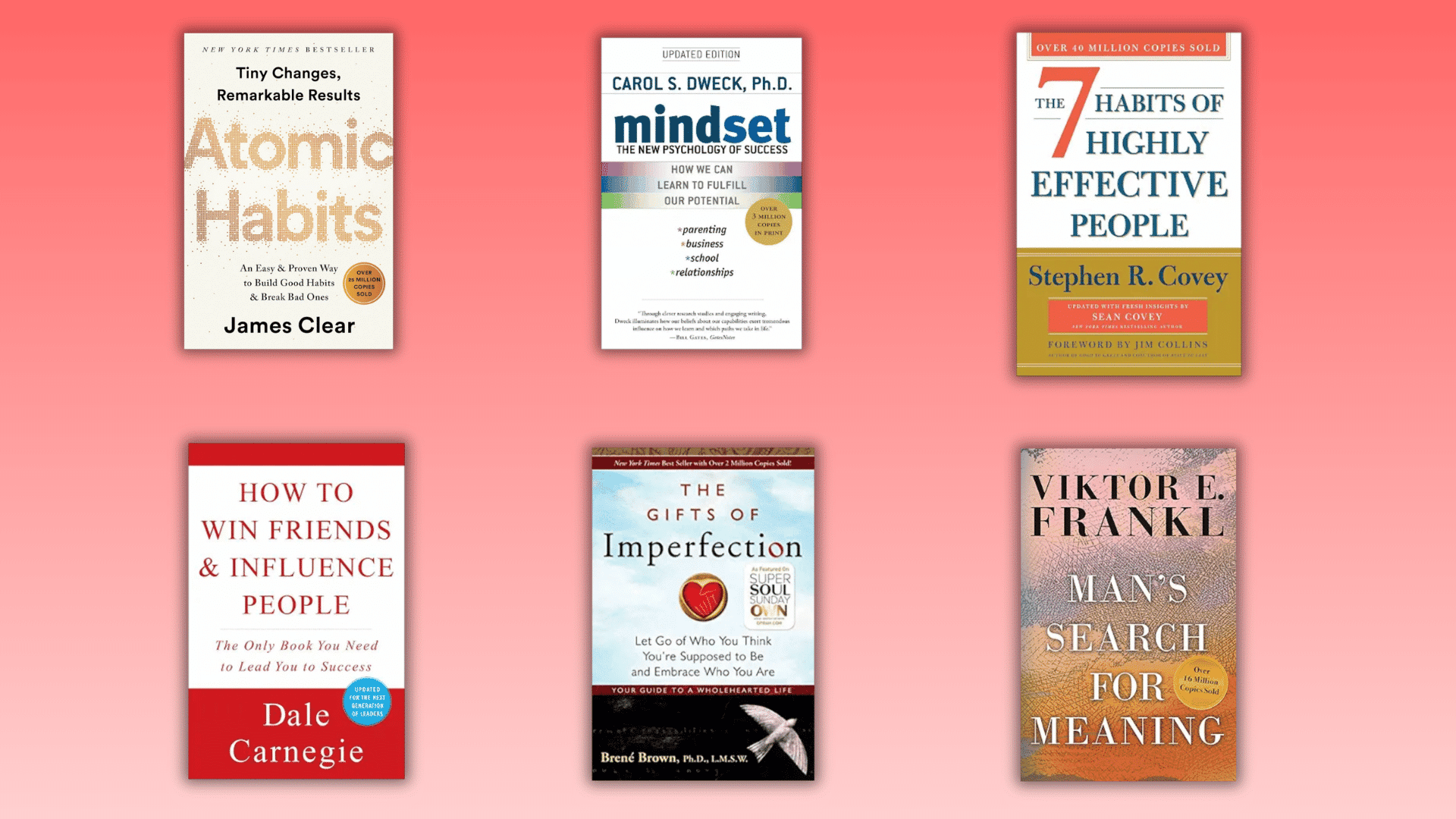

Personal leadership has become one of the most popular ideas in self-improvement and the modern workplace.
What is personal leadership, exactly? What was once linked mainly to managers and executives now matters to almost everyone, shaping how people handle their careers, habits, and goals.
Books, courses, and coaching around it keep growing, reflecting a bigger shift toward taking charge of your own life.
More companies treat it as a key skill rather than a nice-to-have, tying it to better performance, confidence, and the ability to adapt.
“The most powerful leadership tool you have is your own personal example.”—John Wooden
What is Personal Leadership?Personal leadership is the ability to guide your thoughts, actions, and decisions to achieve meaningful goals. It involves taking responsibility for your choices, managing your behavior, and staying focused on what matters most. Unlike leadership roles that involve directing others, personal leadership starts with leading yourself. Developing personal leadership can improve decision-making, strengthen confidence, and support growth in both personal and professional settings. |
Key Elements of Personal Leadership
When I think about what personal leadership is at its core, it always comes back to a set of foundational qualities that shape how you think, act, and grow.
- Self-Awareness: Know your strengths and weaknesses to make aligned decisions.
- Self-Discipline: Follow through on your priorities to turn intentions into real progress.
- Goal Setting: Set clear, focused objectives to give your growth direction and purpose.
- Continuous Learning: Build new knowledge and skills to keep growing in all areas of life.
- Adaptability: Respond well to change and challenges so that setbacks redirect you rather than stop you.
Why Personal Leadership Matters for Your Growth?
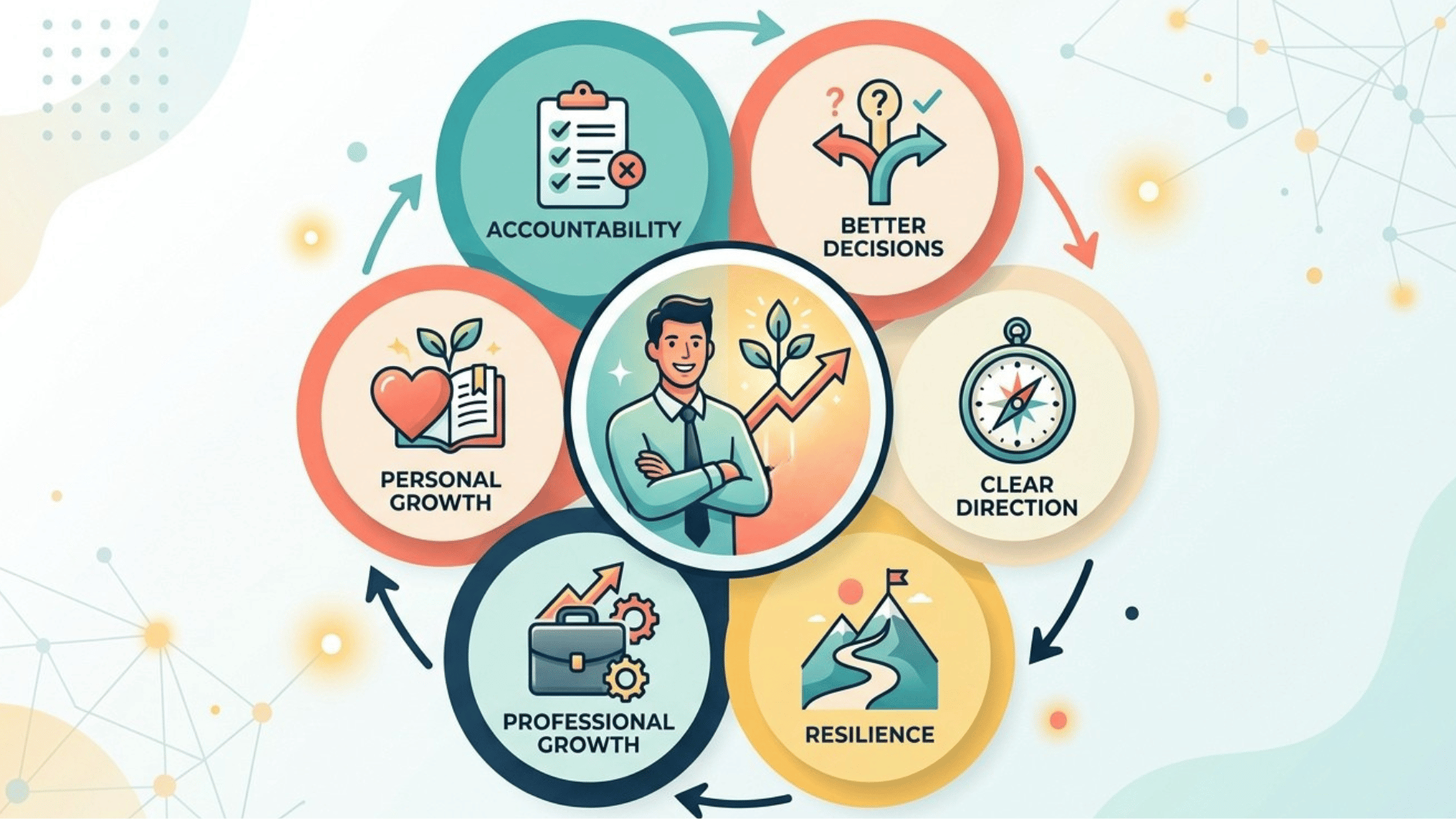
Personal leadership matters because it helps individuals take responsibility for their actions, make informed decisions, and stay focused on their goals.
1. Builds Accountability and Ownership
This sense of ownership helps create consistency and supports personal development.
When you hold yourself accountable, you stop waiting for circumstances to change and start becoming the person who changes them.
2. Supports Better Decision-Making
Strong personal leadership helps individuals evaluate situations carefully and make choices that align with their goals, values, and responsibilities.
Over time, this habit of thoughtful decision-making builds a quiet confidence that carries into every area of your life.
3. Creates Direction for Growth
Personal leadership provides a clear sense of purpose and direction.
By staying focused on priorities, individuals can make steady progress in both personal and professional areas of life.
Without that internal direction, even the best opportunities can feel overwhelming or out of reach.
4. Strengthens Resilience in The Face of Challenges
Personal leadership builds the mental and emotional foundation needed to handle setbacks without losing momentum.
Individuals who lead themselves effectively are better equipped to adapt, recover, and keep moving forward when difficulties arise.
5. Professional Benefit
Individual leadership sharpens how you make decisions and take ownership of your outcomes.
When you lead yourself well, accountability becomes a natural part of how you work rather than something imposed on you from the outside.
It also strengthens the relationships you build at work, encourages greater initiative, and creates the kind of consistency that drives real career growth over time.
6. Personal Benefit
Individual leadership builds a deeper understanding of who you are, what you value, and how you want to show up in your own life.
That self-awareness quietly improves your confidence and makes it easier to set goals that actually mean something to you.
When you are clear about your own direction, your relationships tend to become healthier, more honest, and more grounded in genuine connection rather than habit or obligation.
The Way Personal Leadership Shows Up in Every Profession
Personal leadership plays a vital role across professions, helping individuals take initiative, make effective decisions, and achieve sustained success in their careers.
| Profession | How It Shows Up | Key Benefit |
|---|---|---|
| Healthcare | Accountability under pressure | Stronger clinical judgment |
| Education | Modeling self-discipline daily | Greater classroom impact |
| Business | Owning outcomes and priorities | Sustained personal resilience |
| Technology | Adapting to rapid change | Stronger career advancement |
| Creative Fields | Managing self-motivation | Greater creative consistency |
| Finance | Disciplined values-driven decisions | Improved trust and credibility |
| Social Work | Maintaining emotional boundaries | Reduced burnout and better impact |
How Does Individual Leadership Look in Everyday Life?
Individual leadership is often reflected in the everyday actions and decisions people make, not just in major achievements or leadership roles.
- Taking Ownership of Your Choices: You accept responsibility for your actions and outcomes instead of blaming others.
- Managing Your Time with Intention: You focus on what matters most instead of reacting to everything around you.
- Following Through on Commitments: You do what you said you would, even when it’s inconvenient.
- Setting Clear Personal Goals: You give yourself direction by knowing what you want to work toward.
- Making Thoughtful Financial Decisions: You spend, save, and plan in ways that support your long-term goals.
- Learning from Mistakes: You treat setbacks as feedback instead of letting them define you.
- Living According to Your Values: You make choices that reflect what truly matters to you.
What Real People are Saying About Personal Leadership?
Personal leadership may sound like a big concept, but real people often describe it in simple terms: taking responsibility, making better choices, and learning how to guide yourself through everyday life.
They shared that leadership isn’t about a title but about behavior, recalling how they got their first CEO role at 27, spent ten years doing it wrong, and only became far better at leading others once they learned to lead themselves.
A reader (a former young CEO), on Lead Yourself First
Anton noted that the leaders who left a lasting impact were self-aware enough to pause, listen, and reflect, and didn’t need to micromanage because their presence did the leading.
Tony V., on a post about leading yourself before others
As a result, my concepts of leadership were limited to the idea of servant leadership.
Eva’s Definition of Leadership
The Bottom Line
Personal leadership is about taking responsibility for your actions, decisions, and growth.
It provides a foundation for staying focused on your goals, making thoughtful choices, and developing the habits needed to make steady progress over time.
What makes it powerful is that individual leadership shows up in everyday actions, not just in formal leadership positions.
That daily practice, repeated consistently, builds a stronger foundation for long-term personal and professional growth than any single decision ever could.