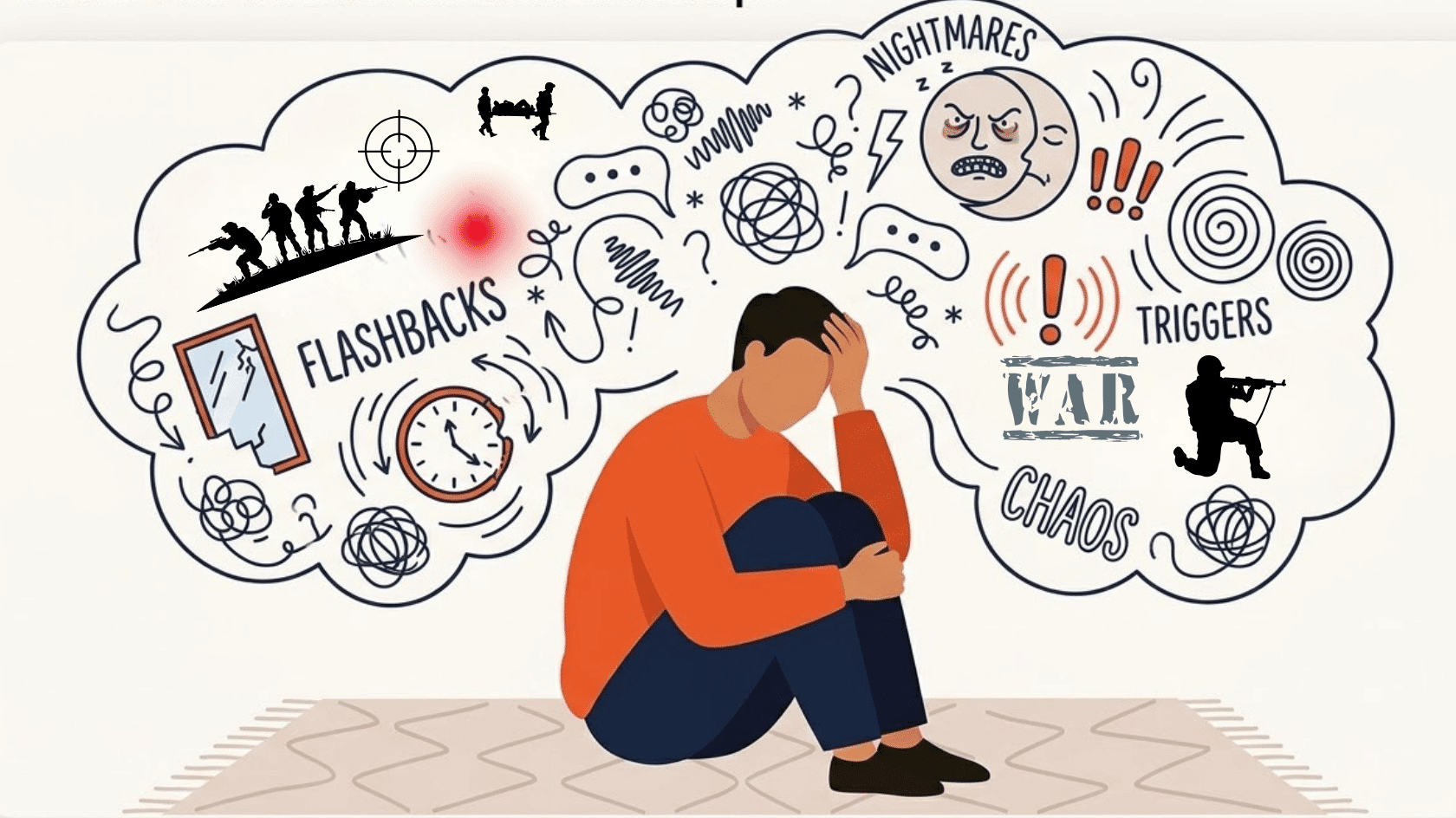

Trauma can affect both the mind and the body in ways that are not always easy to recognize.
While emotional distress is often the focus, the physical impact of trauma is just as real and just as important to address.
Trauma release exercises are not a replacement for evidence-based trauma treatment, but many people find them a helpful addition to their recovery.
In this blog, you will find what they are, how they work, and how to practice them safely.
What are Trauma Release Exercises (TRE)TRE is a set of body-based exercises designed to release deep muscular tension and calm an overactivated nervous system. Developed by Dr. David Berceli, the method is based on the idea that prolonged stress and traumatic experiences can leave the body in a heightened state of tension. Unlike talk-based approaches, TRE works bottom-up, targeting the body first rather than the mind. |
How Trauma Can Affect the Body and Nervous System?
When you experience a threat, your body activates its stress response. Muscles tighten, stress hormones increase, and your nervous system prepares to protect you.
Once the threat has passed, the body usually returns to a calmer state.
After a traumatic event or experience, however, that response may remain persistent. This can lead to ongoing muscle tension, disrupted sleep, hypervigilance, or difficulty relaxing even when you are safe.
This connection between the body and the nervous system helps explain why body-based approaches, such as trauma release exercises, have gained attention.
Stored tension from past trauma often goes unrecognized. Childhood trauma symptoms in adulthood explain why these physical patterns can persist for years.
However, TRE is only one approach and differs from trauma release therapy.
Want to know the signs the body is releasing trauma? Click here to know
Trauma Release Exercises Vs Trauma Release Therapy
Although the names are similar, TRE and trauma therapy are not the same. Understanding the difference can help you choose the approach that best fits your needs.
| Particulars | TRE | Trauma Therapy |
|---|---|---|
| Type | Self-directed practice | Clinician-led treatment |
| Focus | Physical tension, nervous system | Psychological trauma processing |
| Delivered by | Self, after certified training | Licensed mental health professional |
| Best for | Stress, tension, and nervous system regulation | Complex PTSD, significant trauma history |
Correct Ways to do Trauma Release Exercises
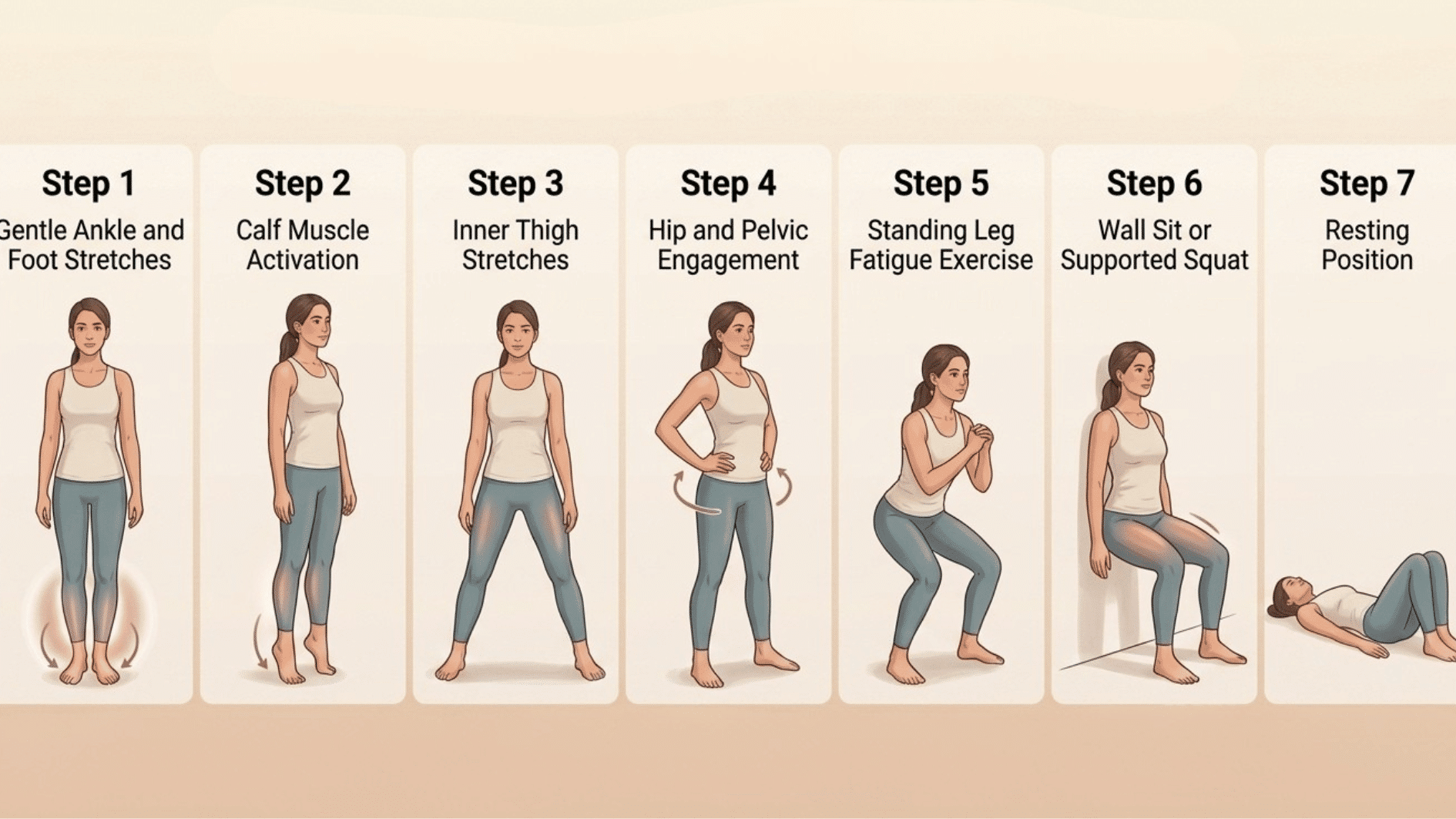
TRE follows seven exercises that progressively fatigue the legs, hips, and pelvis until natural tremors emerge. Those with a significant trauma history should work with a certified provider before practicing independently.
1. Gentle Ankle and Foot Stretches
Stand comfortably and perform slow circular rotations through the feet and ankles.
This warms up the lower body and improves circulation, preparing the joints and muscles for the progressive fatigue that follows.
2. Calf Muscle Activation
Rise onto your toes and slowly lower your heels repeatedly.
This engages the calf muscles and begins building mild tension in the lower legs, initiating the bottom-up activation that TRE relies on.
3. Inner Thigh Stretches
Stand with feet wider than hip-width apart and slowly shift your weight from side to side.
This opens the inner thighs and groin, areas that hold significant tension connected to the body’s fear response and psoas muscle activation.
4. Hip and Pelvic Muscle Engagement
Perform slow, controlled movements that rotate and engage the hips and pelvis.
The pelvis is a central tension point in trauma responses, and activating this area begins to access deeper layers of stored muscular tension.
5. Standing Leg Fatigue Exercises
Hold a shallow squat long enough to gently tire the leg muscles without straining.
As the muscles reach mild fatigue, the nervous system begins preparing for its natural tremoring response.
6. Controlled Wall Sit or Squat Variations
Lean against a wall or hold a supported squat to deepen muscle engagement.
This further fatigues the quadriceps, hamstrings, and hip flexors, bringing the body closer to the threshold where involuntary trembling can begin.
7. Resting on Your Back with Knees Bent
Lie on your back with knees bent and feet flat on the floor, arms relaxed at your sides.
This position allows the fatigued muscles to release and invites the neurogenic tremor response to emerge naturally. Allow any shaking to occur without trying to control or stop it.
Benefits and Limitations of Trauma Release Exercises
TRE can be a helpful addition to recovery for some people, but it is important to understand both its potential benefits and its limitations before getting started.
| Area | Benefits | Limitations |
|---|---|---|
| Muscle Tension | Reduces chronic tension in hips, lower back, and shoulders | Requires learning from a certified provider first |
| Sleep and Recovery | Improves sleep quality and physical ease | Research is still early and limited in scale |
| Mental Health | Lowers baseline anxiety over consistent practice | Can surface emotions without proper guidance |
| Nervous System | Supports nervous system regulation and stress recovery | Not suitable for everyone, particularly those in an active crisis |
| Mind Body Connection | Restores a sense of connection with the body | Results vary and are not guaranteed |
| Therapy Integration | Can complement trauma therapy effectively | Not a substitute for clinical trauma treatment |
Can You Practice TRE at Home?
Yes, but only after learning the method correctly.
Attempting TRE without proper instruction increases the risk of performing movements incorrectly or of feeling unprepared if an unexpected emotional response arises.
The official Treglobal.org organization is the most reliable starting point, offering introductory materials, educational resources, and a directory of certified providers available both in-person and online.
Start slowly, never force the tremors, and stop if you feel dizzy, overwhelmed, or disconnected.
If you are unsure whether TRE is appropriate for your situation, a licensed mental health professional can help you decide.
The Bottom Line
TRE is not a cure. It is a practical tool that helps the nervous system release what it has been holding onto.
If you are exploring how to release trauma from the body, TRE can be genuinely useful for everyday stress and chronic tension.
For deeper trauma, professional support should always come first.
My recommendation is simple: start with a certified provider, learn the method correctly, and be honest with yourself about what level of support you need.
The body and mind are not separate. Caring for one means caring for the other.
Frequently Asked Questions
How Often Should You Practice TRE?
There is no set rule. Start with short sessions once or twice a week and adjust based on how you feel. If something feels off, slow down and speak to a professional.
Is It Normal Not to Experience Tremors?
Yes, completely normal. Not everyone shakes, and that is okay. Focus on doing the exercises correctly rather than trying to force a tremor.
How Long Does It Take to Notice Changes?
It depends on the person. Some feel a difference after the first session; others take longer. Results vary, and TRE works best as part of a wider approach to well-being.