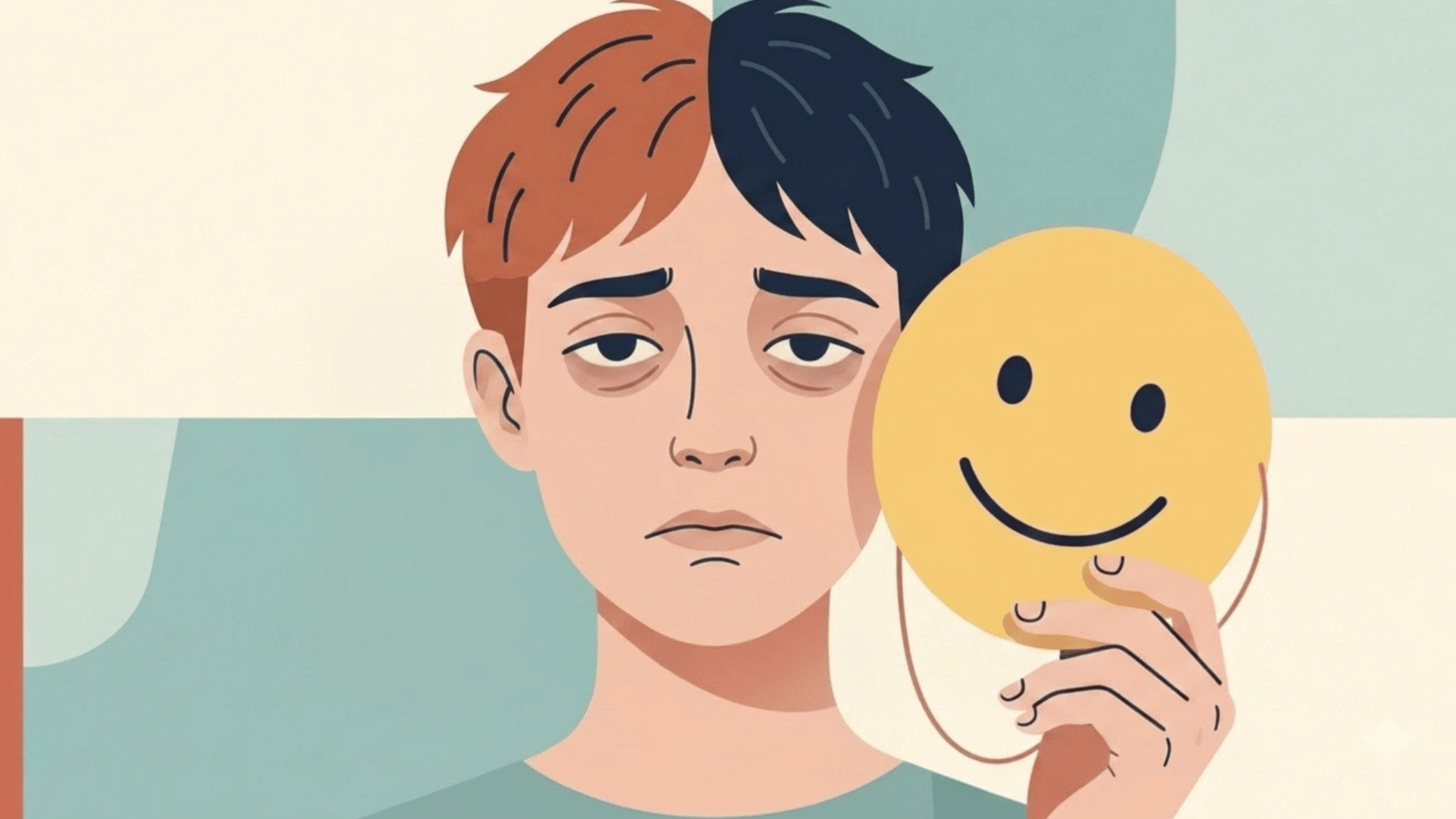

If you have ever found yourself lying awake, silently questioning if you truly love your partner.
Many people quietly carry these same doubts, wondering if something is wrong with them or their relationship.
I want you to know that these intrusive thoughts do not define you, and they certainly do not measure the depth of your love.
Here, we will discuss what ROCD really feels like and share the experiences of others who understand.
What is Relationship OCD?If you have ever felt trapped in persistent doubt about your partner, please know there is a name for what you are going through. It is often called ROCD, a recognized subtype of obsessive-compulsive disorder where a person experiences intrusive thoughts and compulsive behaviors centered on their relationship. These unwanted thoughts often sound like “Do I really love my partner?” or “Is this the right relationship for me?” |
Types of Relationship OCD
It does not look the same for everyone. Some people primarily question their relationship, while others become preoccupied with concerns about their partner.
1. Relationship-Focused OCD
This form centers on recurring doubts about the relationship itself, with persistent questions like “Is this the right relationship for me?” or “Are my feelings strong enough?”
Those experiencing it may constantly seek Reassurance or analyze their emotions, looking for certainty that rarely feels complete.
2. Partner-Focused OCD
Here, the focus shifts to repeated concerns about a partner’s specific qualities, such as their appearance, personality, habits, or overall compatibility.
These intrusive thoughts can lead someone to fixate on perceived flaws, often magnifying small details into sources of significant worry.
3. Mixed Relationship OCD
This type combines doubts about both the relationship and the partner, creating a layered cycle of uncertainty.
Someone may move back and forth between questioning their own feelings and scrutinizing their partner, which can make finding peace of mind feel especially challenging.
Why Relationship OCD Can Make Healthy Relationships Feel Uncertain?
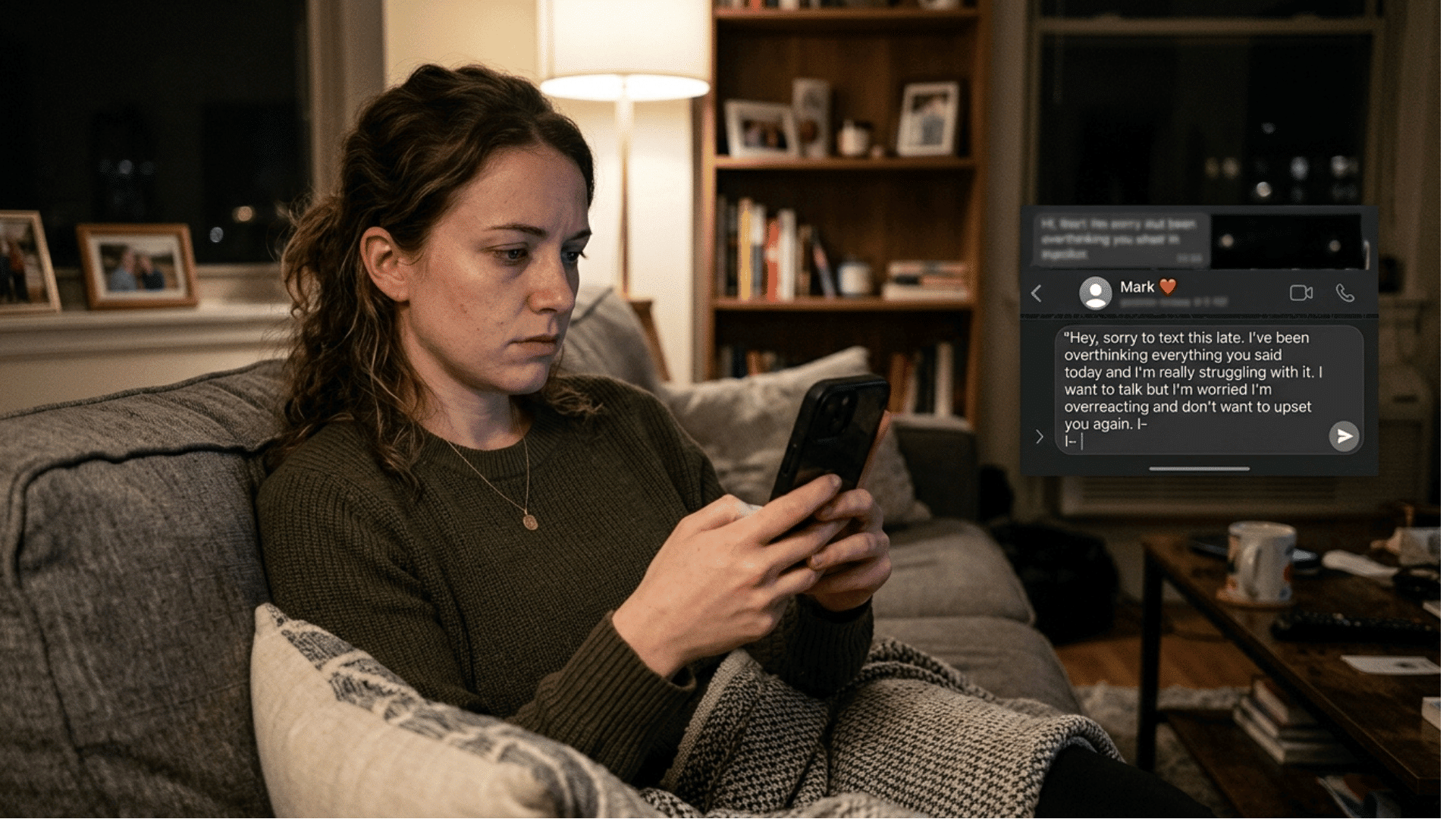
ROCD works by attaching anxiety to the things you care about most, which is exactly why a healthy bond can suddenly feel so uncertain. Here is what tends to happen:
- It Fuels Nonstop Doubt: Your mind keeps asking “Do I really love them?” or “Is this right?” even when nothing has changed in your relationship.
- It Demands Certainty that No Relationship Can Offer: ROCD treats normal ups and downs as proof that something must be wrong, when in reality, every loving partnership carries some uncertainty.
- It Pushes You Toward Compulsions: You may seek Reassurance, compare your relationship to others, or repeatedly check your feelings, which only deepens the doubt.
- It Makes the Fear Feel Urgent: Instead of letting a passing thought go, your mind insists you resolve it right now, leaving little room to enjoy your partner.
Experiences Many People With Relationship OCD Share
One of the most comforting things you can learn is that others have walked this same path and found greater clarity and relief.
The reflections below come from real people who bravely shared what living with ROCDfelt like for them.
|
Relationship OCD almost ruined my perfect relationship. Cardi Bri, on Quora |
|
I have an OCD diagnosis, and I got out of a rough relationship a few months ago, and now I’m dating again. But I find I’m getting quite obsessive. r/OCD, on Reddit |
|
ROCD manifests as both thoughts of him cheating or thoughts of me not loving him – though I have better control of it. Fallgom, on Reddit |
Things People With Relationship OCD Often Do Without Realizing It

One of the hardest parts of this OCD is that many of its behaviors feel completely natural in the moment.
- Constantly Testing Your Own Feelings: You might pause throughout the day to check whether the love still feels strong enough. This silent monitoring often turns natural emotional shifts into evidence that something is wrong.
- Asking for Reassurance Again and Again: You ask your partner, a friend, or even online communities to reassure you that your relationship seems normal. The comfort feels real, but it usually fades quickly, leaving you needing to ask once more.
- Comparing Your Relationship to Others: You may measure your bond against the couples you see around you or on social media. These comparisons rarely reflect reality and tend to leave you feeling more unsettled than reassured.
- Searching for a Perfect Sense of Certainty: You might wait to feel completely sure before you can relax. Because no relationship offers total certainty, this search quietly keeps worry alive rather than easing it.
- Avoiding Closeness to Sidestep Doubt: Sometimes you may pull back from affection or meaningful moments, hoping to avoid an anxious thought. Over time, this distance can hurt the very connection you are trying to protect.
Relationship OCD Vs Relationship Anxiety
While they can feel similar, ROCD and everyday relationship anxiety are not the same. The table below highlights some gentle distinctions to help you understand what you may be experiencing.
| Aspect | Relationship OCD | Relationship Anxiety |
|---|---|---|
| Nature of doubt | Intrusive, unwanted, and repetitive | Situational and tied to real concerns |
| Cause | Driven by OCD, not the relationship | Often triggered by genuine relationship issues |
| Response | Leads to compulsions like checking or Reassurance | Eases once the concern is addressed |
| Sense of certainty | Craves absolute certainty that never feels enough | Settles with honest communication |
| Effect on daily life | Disrupts focus, mood, and functioning | Usually mild and temporary |
| Relief | Compulsions bring short-lived comfort | Reassurance brings lasting calm |
How to Cope With Relationship OCD in Healthy Ways?

While this OCD can feel overwhelming, healthy coping strategies can help you manage intrusive doubts without allowing them to take control of your relationship or daily life.
1. Accept That Complete Certainty Is Not Possible
Learning to tolerate uncertainty can reduce the pressure to seek definitive answers about your relationship constantly.
Accepting that some doubt is a normal part of any partnership often makes those questions feel less urgent.
2. Resist the Urge to Seek Constant Reassurance
While Reassurance may feel comforting in the moment, repeatedly seeking it can reinforce the cycle of doubt.
Allowing yourself to sit with discomfort, rather than asking again, gradually weakens its hold over time.
3. Focus on Your Actions Rather Than Your Feelings
Consistent acts of care, respect, and commitment often provide a clearer picture of a relationship than fluctuating emotions.
Choosing to show up for your partner can matter far more than waiting for the “right” feeling to arrive.
4. Limit Relationship Comparisons
Comparing your relationship to others can create unrealistic expectations and increase unnecessary worry.
Remembering that you rarely see the full reality behind another couple’s bond can help you stay grounded in your own.
5. Reach Out to a Qualified Mental Health Professional
Professional support can help you better understand your experiences and develop healthy ways to manage intrusive thoughts.
A trained therapist can offer tailored strategies that are difficult to find on your own.
The Bottom Line
If you have read this far, I hope you feel a little less alone than when you started.
In my work, I have seen how ROCD can cloud even the most loving bonds with doubt that feels impossible to quiet.
Please remember that these intrusive thoughts are not a reflection of your heart or your relationship.
With patience, self-compassion, and the right support from a licensed mental health professional, healing is truly within reach.
Frequently Asked Questions
Can Relationship OCD Affect Long-Term Relationships?
Yes, ROCD symptoms may fluctuate, with periods of increased stress often making intrusive doubts feel more intense.
Is It Normal To Feel Ashamed About Relationship OCD Thoughts?
Yes, many people feel embarrassed or guilty about their intrusive thoughts, even though these thoughts do not reflect their true intentions or values.
Can Relationship OCD Affect Decision Making?
Yes, the desire for certainty can make everyday relationship decisions feel unusually difficult and lead to excessive second-guessing.