You hand your peace away all day long. An unread text that nags at you, a friend who drains your energy, a boss who never says thank you.
Trent Shelton wrote Protect Your Peace for that exact feeling.
It shows you how to stop giving your calm to people who don’t earn it, in the same blunt, no-filler voice that built his online following.
This blog covers what the book teaches, where to buy or listen to it, and a few quotes worth saving.
Protect Your Peace Summary: What is the Book About
The book is built around one idea: your peace deserves the same defense you’d give anything else you value.
Trent Shelton, a former NFL wide receiver turned motivational speaker and founder of RehabTime, splits that idea into three parts and nine total principles.
Part one covers protecting your energy, part two your mind, and part three your soul.
Each chapter follows the same pattern. Shelton opens with a personal story, ties it to a single principle, and closes with a clear action step, skipping heavy theory in favor of something you can act on that same day.
Top Lessons in Protect Your Peace
These lessons focus on a short list of practical skills that can help you handle everyday life with more control:
- How to set a boundary and hold it without guilt
- How to stop people-pleasing so you have energy left for yourself
- How to quit comparison and reframe negative self-talk
- How to recognize burnout before it wears you down further
- How to build confidence rooted in self-worth, not outside approval
What are People Saying About Protect Your Peace?
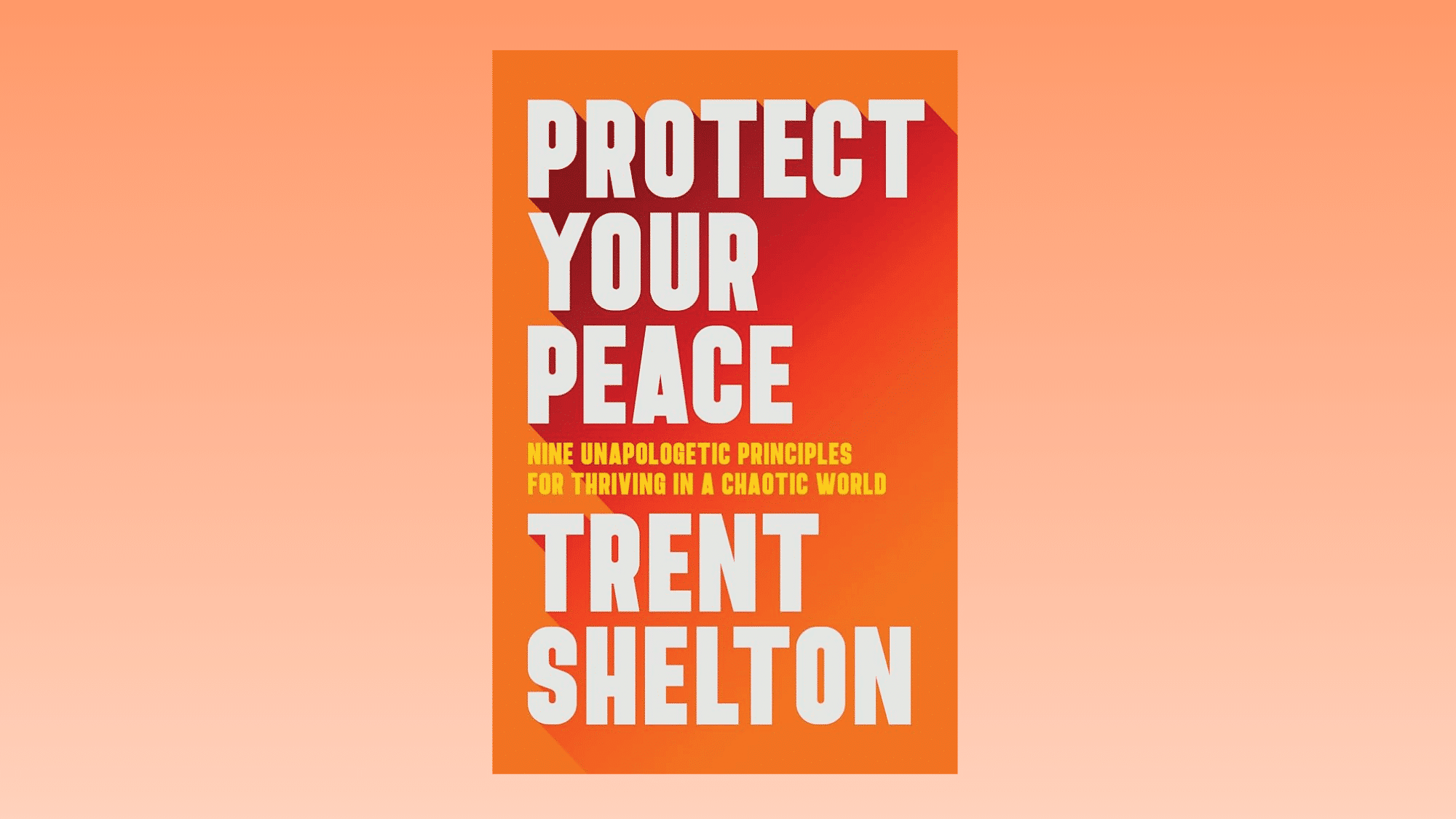
The book has a 4.24 out of 5 average on Goodreads from more than 600 ratings, and reviews on Amazon are overwhelmingly positive.
Common praise centers on Shelton’s energy and honesty. Readers say the short chapters and personal stories make heavy topics like boundary setting and emotional healing easier to sit with.
The most common criticism is repetition.
Longtime followers of Shelton’s videos or podcast say some principles echo what he’s already said elsewhere, and a few reviewers want more concrete exercises rather than another personal story.
Where Can You Buy Protect Your Peace?
You can find this book in hardcover, paperback, and ebook formats through most major retailers.
- Amazon: Best for fast delivery, Kindle access, and checking reader reviews before buying
- Barnes & Noble: Good for hardcover, paperback, ebook, and possible in-store pickup
- Walmart: Useful for budget pricing and easy online or store-based purchase options
- Target: Good for simple ordering, shipping, or pickup if the book is in stock
Where Can You Listen to the Protect Your Peace Audiobook?
The audiobook runs just over five hours. Trent Shelton narrates it himself, so it carries the same tone and pacing as his videos and speeches.
- Audible: Buy the audiobook outright or use a membership credit.
- Apple Books: Stream or download the unabridged audiobook through the app.
- Spotify: Search the title in Spotify’s audiobook catalog to stream it as part of an eligible plan.
- Google Play Books: Purchase the audiobook and listen through your browser or the app.
Best Protecting My Peace Quotes from the Book
These quotes capture the core of Shelton’s message in just a few lines each. Below are five short lines from the book, plus what each one means in plain terms.
“You can have everything, but without peace, it means nothing.”
This is Shelton’s main point in one line. Success, money, or approval can’t replace a calm mind.
“God does not call the qualified, He qualifies the called.”
Shelton uses this to tell readers they don’t need to feel ready before they start. Growth happens after you begin.
“Each time you protect your energy, you send a powerful message: I value myself.”
Setting a boundary isn’t rude or selfish. It’s proof that you take your own worth seriously.
“Moments turn into memories. And at some point, memories may be all we have.”
This line is a nudge. Stop rushing through your days.
“Worry and guilt are first cousins.”
Worry stops you from making the boundary. Guilt stops you from keeping it.
Who Should Read Protect Your Peace?
This personal growth book fits three kinds of readers best.
The first want words for a feeling they already carry, like emotional exhaustion from work, relationships, or their own inner critic.
The second knows they need boundaries but have never learned to set or hold one without guilt. The third is rebuilding after a hard season and wants a direct, faith-friendly voice instead of a clinical one.
Shelton’s short chapters make the book easy to read in small doses.
What Other Related Books and Audiobooks Can You Read?
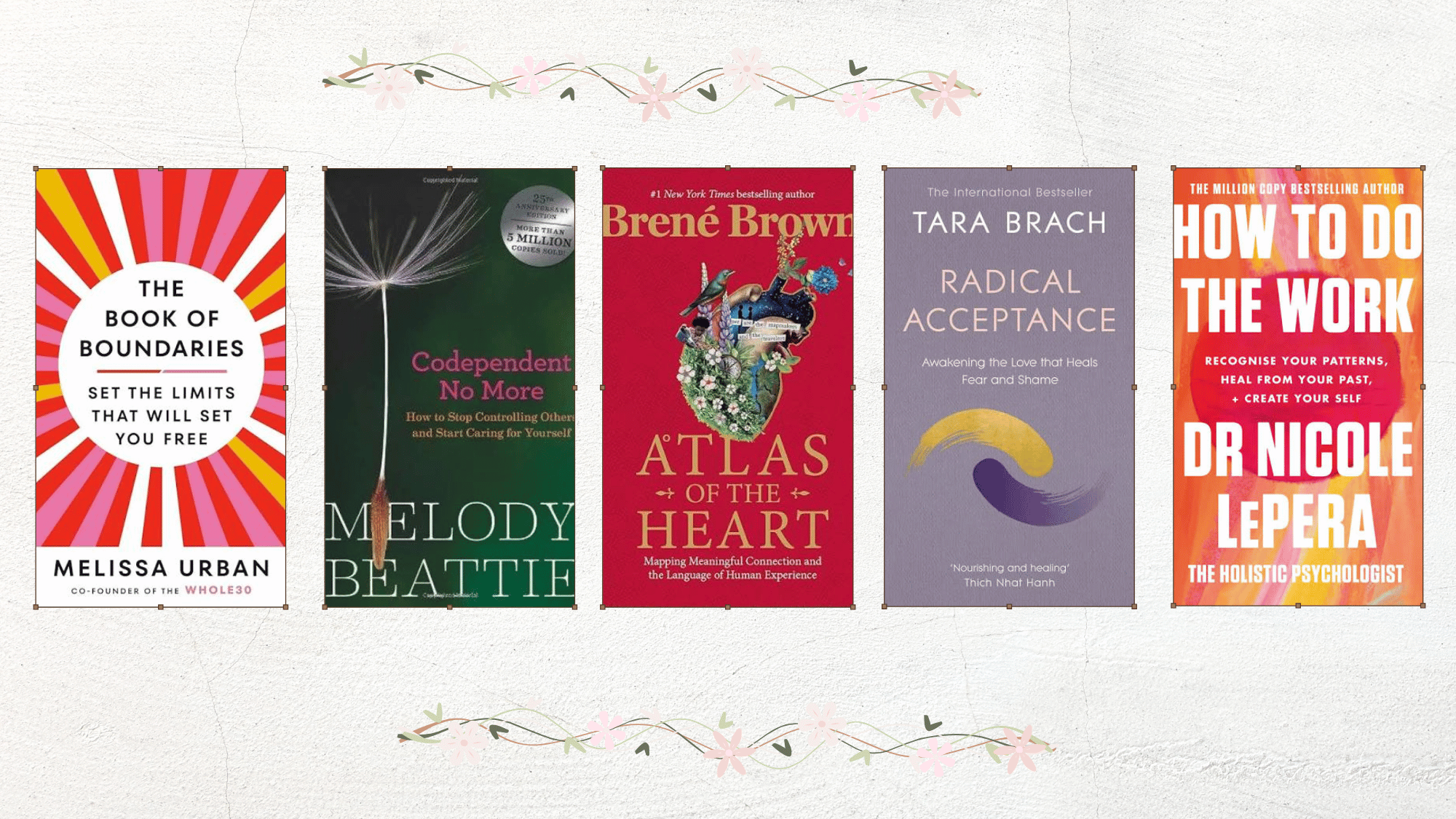
The titles above cover the core of this topic, but a few more are worth knowing about, whether you want a deeper jump or a different angle.
Formats are mixed below, since some are stronger in one format than the other.
|
Title |
Author |
Format |
Best for |
|
Melissa Urban |
Print or ebook |
130+ ready-made scripts for specific people: bosses, in-laws, neighbors, yourself |
|
|
Melody Beattie |
Print, ebook, or audiobook |
Readers whose lack of peace comes from managing someone else’s crisis, not their own schedule |
|
|
Brené Brown |
Print or ebook |
Readers who want language for specific emotions before they can set a boundary around them |
|
|
Tara Brach |
Audiobook |
Readers who want a meditation-based approach instead of a scripts-and-strategy one |
|
|
Dr. Nicole LePera |
Audiobook |
Readers who trace their patterns to trauma and want a self-therapy framework, not just tactics |
Pew’s data shows e-book readers finish the most books overall, at 13% reading 50 or more a year versus 4% of print readers and 5% of audiobook listeners.
The Last Page
Most readers finish this book with a shorter list of things they’re willing to tolerate. They also walk away with a clearer sense of their own worth.
Trent Shelton doesn’t hand you a fixed script. He hands you nine starting points and enough of his own story to make the advice feel earned.
The real test comes after the last page. The next time someone asks too much of your energy, will you set the boundary? Pick a format above, start with principle one, and find out.
Frequently Asked Questions
Is Protect Your Peace religious?
It leans faith-friendly. Shelton references prayer and scripture at points, but the lessons on boundaries and mindset don’t require a specific belief.
How Long is the Protect Your Peace audiobook?
About five hours and eleven minutes. Trent Shelton narrates it himself and includes guided meditations and journal prompts as bonus material.
Is There a Workbook for Protect Your Peace?
Yes, but it’s an unofficial companion guide published separately by Legendary Reads, not something Shelton wrote or approved himself.