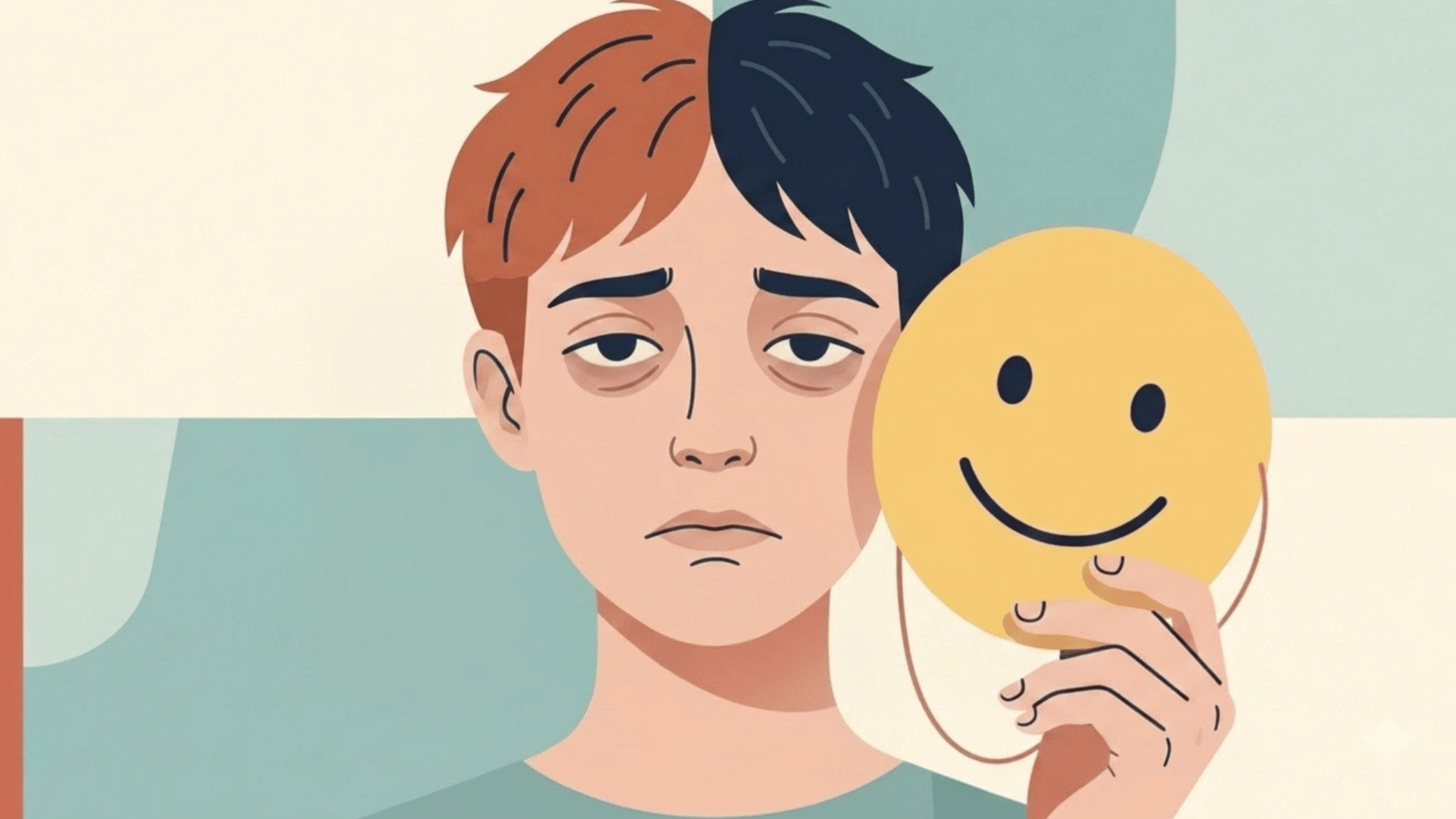

I’ve worked with many people trying to make sense of confusing, painful patterns in their relationships.
Often, the question underneath it all is simple: what does narcissism mean in a relationship actually look like in everyday life?
Recognizing narcissistic behavior in a relationship isn’t always easy, especially when it’s mixed with genuine affection or fades in and out over time.
Many of these patterns overlap with what shows up in a broader toxic relationship, so it helps to look at the specific traits first.
Disclaimer: This blog is intended for informational purposes only and does not constitute psychological, medical, or legal advice. It is not meant to diagnose any individual or relationship.
What a Narcissist Really Means in a RelationshipIn a relationship, the term narcissist is often used loosely for a partner who seems self-centered or controlling. Clinically, narcissism exists on a spectrum, and only a licensed professional can diagnose Narcissistic Personality Disorder (NPD). Most people are really asking about a pattern: a partner who prioritizes their own needs, struggles with empathy, and reacts poorly to criticism. Confidence alone doesn’t make someone a narcissist, and what matters is the consistency and impact of these behaviors, especially when they leave you feeling smaller or confused. |
What is Narcissistic Personality Disorder (NPD)
NPD is a recognized mental health condition, not just a personality quirk or occasional selfish behavior. It falls under the broader category of personality disorders.
It’s characterized by a long-term pattern of grandiosity, an intense need for admiration, and a genuine lack of empathy that affects how a person relates to others across their life.
Unlike situational narcissistic behavior, NPD is pervasive and consistent over time.
It can only be diagnosed by a licensed mental health professional through proper clinical evaluation.
Narcissistic Traits in a Relationship

Beyond isolated incidents, certain traits tend to repeat in relationships shaped by narcissism. Recognizing these patterns can help you understand what you may be experiencing.
1. Love-Bombing
Early on, a partner may move unusually fast, showering you with intense affection, gifts, or grand promises to create quick emotional attachment before you’ve had time to build real trust.
This can feel flattering at first, but often serves to fast-track commitment and lower your guard.
Example: Talking about marriage within weeks, or constantly messaging and insisting on seeing you every day right from the start.
2. Gaslighting
This involves denying what was said or done, which can, over time, make you doubt your own memory or perception of events.
Repeated often enough, it can leave you feeling confused, anxious, and increasingly reliant on your partner’s version of reality rather than your own.
Example: “I never said that, you’re imagining things,” even when you clearly remember the conversation.
3. Lack of Empathy
A narcissistic partner often struggles to genuinely recognize or validate your feelings, redirecting attention back to themselves whenever you try to share something personal.
Over time, this one-sided dynamic can leave you feeling unheard, unseen, or unimportant in the relationship.
Example: When you share that you had a hard day, they respond with a story about their own worse day instead of listening.
4. Manipulation
This can look like guilt-tripping, emotional withdrawal, or making affection conditional on getting their way in disagreements or decisions.
It often creates a pattern where you feel responsible for managing their emotions to maintain peace in the relationship.
Example: “If you really loved me, you wouldn’t hang out with your friends so much,” used to control your choices.
5. Entitlement
A sense that their needs, time, and preferences should automatically come first in the relationship, regardless of what you may need or want.
This imbalance can gradually shift the relationship’s dynamic, leaving your priorities consistently overlooked or dismissed.
Example: Expecting you to cancel your plans for theirs, without ever offering to do the same in return.
6. Difficulty Accepting Criticism
Even mild, well-intended feedback can trigger defensiveness, anger, or blame-shifting rather than genuine reflection or accountability.
This often discourages open communication, since raising concerns can feel riskier than staying silent about how you feel.
Example: Responding to “It hurt when you canceled last minute” with “You’re too sensitive,” instead of acknowledging it.
7. Need for Constant Admiration
A strong need to be praised or seen as impressive, often at the expense of your own achievements being acknowledged or celebrated.
Conversations can subtly become opportunities for them to seek validation, rather than genuine, mutual moments of connection.
Example: Turning conversations about your success into an opportunity to highlight their own accomplishments instead.
How Do These Patterns Show Up Over Time?
Narcissistic patterns rarely stay static; they tend to shift and intensify as a relationship progresses.
It often begins with intense affection and idealization through love-bombing, before small criticisms and dismissive comments gradually start appearing.
Over time, decisions increasingly center on their needs, while affection becomes inconsistent, alternating between warmth and coldness.
These manipulative behaviors slowly start to feel routine rather than alarming.
The Real Effects of Narcissistic Behavior
Being on the receiving end of narcissistic behavior in a relationship can affect you in several noticeable ways over time.
- Eroded Self-Esteem: Confidence quietly wears down, leaving you uncertain of your own worth
- Self-Doubt: You question your own feelings, memory, and judgment repeatedly
- Anxiety and Exhaustion: Constant self-doubt leads to emotional fatigue and walking on eggshells
- Withdrawal from Others: You may distance yourself from friends or family without realizing why
- Clarity Through Understanding: Recognizing the pattern helps you see the issue clearly, not the blame
Ways to Cope With Narcissistic Behavior
Living with or loving someone who shows narcissistic behavior in a relationship can feel isolating, but there are practical ways to protect your emotional wellbeing.
1. Set Clear Boundaries
Decide in advance what behavior you will and won’t accept in the relationship. Setting boundaries calmly and firmly, without overexplaining or repeatedly justifying them, matters more than perfection.
Consistency matters more than perfection when holding a boundary.
2. Avoid Trying to “Win” Every Argument
Narcissistic partners often reframe conflict to shift blame elsewhere. Protecting your peace matters more than proving you’re right in every disagreement.
Stepping back from a pointless argument is not the same as losing it.
3. Keep a Support System Outside the Relationship
Staying connected with friends or family offers a perspective you may lose within the relationship. They can help you see patterns more clearly from the outside.
Isolation often makes narcissistic behavior harder to recognize.
4. Document Patterns If Needed
Writing down specific incidents can help you trust your own memory. This is especially useful if gaslighting makes you doubt what actually happened.
A simple, private journal can be enough to notice recurring patterns.
5. Prioritize Your Own Needs
Make time for activities, friendships, and routines that support your sense of self. Your identity shouldn’t shrink to fit around someone else’s demands.
Small, consistent choices for yourself can rebuild a sense of stability.
6. Consider Professional Support
A therapist can help you process the relationship and think through next steps. This might mean setting stronger boundaries or, when the pattern doesn’t change, planning to leave safely.
Professional guidance can make difficult decisions feel less overwhelming.
The Bottom Line
In my work as a psychologist focused on cognition and emotional regulation, I’ve seen how narcissistic behavior in a relationship can quietly wear down someone’s confidence over time.
Recognizing these patterns isn’t about assigning blame; it’s about understanding your own experience clearly.
Consider reaching out to a licensed therapist, who can offer guidance suited to your specific situation, with empathy and respect for what you’re going through.
Frequently Asked Questions
Can Narcissistic Behavior Change Over Time?
Change is possible with sustained self-awareness and professional treatment, but it requires genuine effort from the person exhibiting the behavior.
Is It Safe To Confront a Narcissistic Partner Directly?
Confrontation can sometimes escalate conflict or defensiveness, so it’s often safer to set boundaries calmly rather than seeking an admission of fault.
How Long Does It Take To Heal After Leaving Such A Relationship?
Healing timelines vary widely from person to person, but consistent support from a therapist can meaningfully speed up emotional recovery.