

I often meet families who feel confused when memory, judgment, or daily functioning begins to change.
A major neurocognitive disorder is more than occasional forgetfulness; it involves a clear decline in cognitive abilities that affects everyday functioning.
Here I’ll explain what it means, what can cause it, and which symptoms may appear over time.
This blog also takes you through how the condition can progress, so you can understand when you need professional attention.
Disclaimer: This blog is for informational and educational purposes only and is not a substitute for professional medical advice, diagnosis, or treatment. Always consult a qualified healthcare provider.
What is Major Neurocognitive Disorder?Major neurocognitive disorder is the DSM-5 term that replaced dementia in 2013 to describe a serious decline in memory, thinking, judgment, and daily functioning. It can have many causes, including Alzheimer’s disease, poor blood flow after strokes or high blood pressure, Lewy body disease, Parkinson’s disease, head injuries, infections, medication effects, or vitamin deficiencies. Some causes are treatable, so a proper medical evaluation is important. |
Let’s Look at Types of Neurocognitive Disorder
The DSM-5 groups these conditions by severity and clarity of cause, and the table below breaks down how they differ at a glance.
| Aspect | Neurocognitive Disorder | Major Neurocognitive Disorder | Unspecified Neurocognitive Disorder |
|---|---|---|---|
| Severity | Noticeable but modest decline | Serious, clear decline in cognition | Varies; not yet fully classified |
| Daily Functioning | Everyday tasks still manageable | Everyday tasks become difficult | Depends on the underlying cause |
| Independence | Can usually live independently | Often needs daily support or care | Varies from case to case |
| Memory & Thinking | Minor slips, occasional lost words | Significant memory, judgment, and reasoning problems | Clear symptoms, but the extent is still unclear |
| When It’s Used | Changes are real, but don’t disrupt life | Decline clearly affects daily living | Symptoms are evident, but the severity is uncertain |
And the Symptoms That Get Notice First
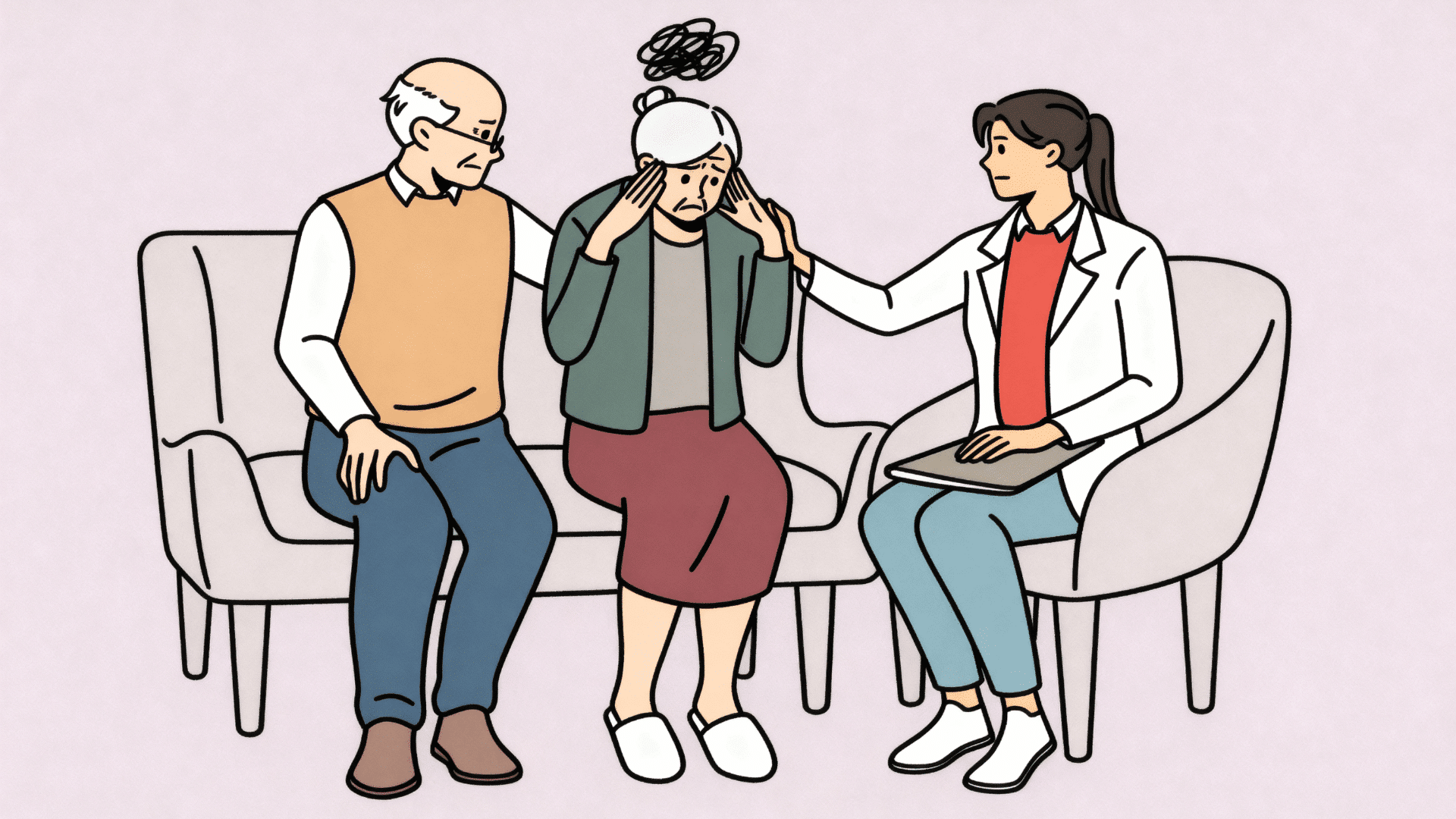
Families often notice small changes first, like repeated questions, missed appointments, mood shifts, confusion with familiar tasks, or trouble finding the right words.
- Forgetting Recent Events: Repeats questions or forgets recent conversations.
- Trouble Finding Words: Pauses often or says “that thing.”
- Getting Lost: Feels confused in familiar places.
- Struggling with Steps: Cooking, bills, or planning feels harder.
- Poor Judgment: Makes unusual money or safety mistakes.
- Mood Changes: Becomes fearful, suspicious, or easily upset.
- Withdrawing Socially: Avoids hobbies, friends, or gatherings.
How Does It Progress Over Time?
Most people move through three broad stages. How fast someone moves through them depends on the cause, so there’s no fixed timeline. But knowing the stages helps you see the road ahead rather than fear the unknown.
Early Stage
The changes are mild and easy to miss, as there are memory slips and the occasional lost word, but your loved one is still largely independent.
Day-to-day life works fine with a few gentle reminders: a note on the fridge, a nudge about an appointment.
Middle Stage
This is usually when families feel the weight of it, confusion grows, and memory gaps become harder to ignore. Help is now needed with everyday tasks like cooking, dressing, and managing money.
Mood and personality shifts often show up here, too. More frustration, more anxiety, sometimes suspicion.
Late Stage
Full-time care becomes necessary, as everyday tasks and communication become very hard.
But here is the part I never want families to forget: even now, the person is still there. They still respond to comfort, to music, and to a familiar hand in theirs.
How Long Does Each Stage Last?
The answer depends on the cause. Alzheimer’s usually declines slowly and steadily over several years.
While other causes can move faster. So if your loved one’s path looks nothing like a friend’s, don’t worry that something is wrong; different causes simply move at different speeds.
Can Neurocognitive Disorder Be Cured?
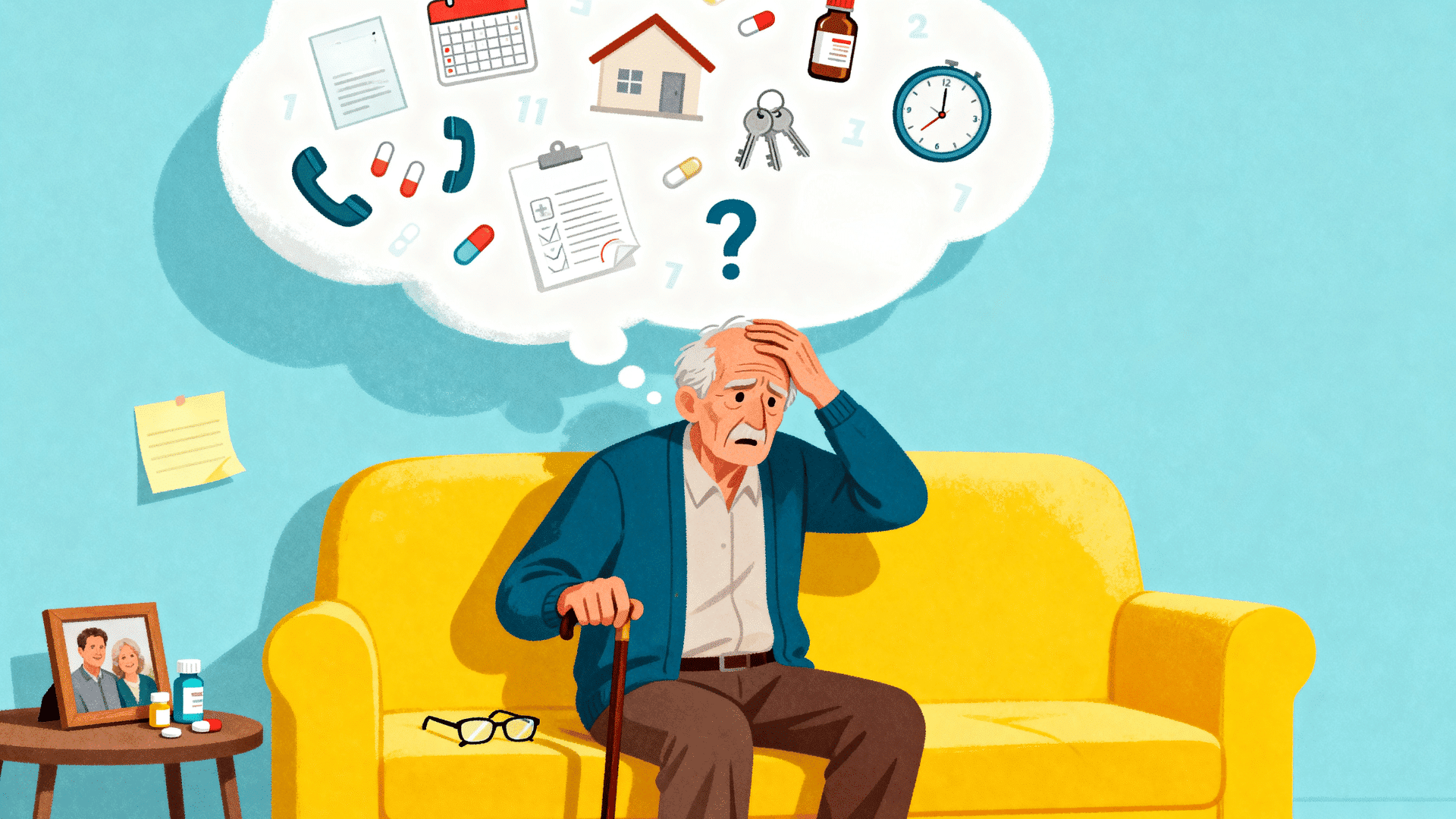
No, for most people, MND cannot be cured.
When the cause is something like Alzheimer’s that gradually damages the brain, we don’t yet have a way to undo that damage, but that doesn’t mean that nothing can be done.
There are causes of cognitive decline that can genuinely be improved.
Once a doctor finds and treats what’s behind them, that’s exactly why a full medical check-up matters so much before anyone assumes the worst.
And even when the cause can’t be reversed, there’s a great deal that can be done to slow things down and protect quality of life.
When Should You Seek Professional Help?
You don’t need to wait until you’re certain. If something feels off, that feeling alone is reason enough to book an appointment. Make an appointment if you notice:
- Memory problems that disrupt daily life, such as forgetting how to do familiar tasks, or asking the same question minutes apart.
- Difficulties that have lasted a while, roughly six months or more, of memory or thinking trouble.
- Confusion in familiar places, or struggling with plans and steps that were once easy.
- Mood or personality shifts, new suspicion, withdrawal, irritability, or low mood.
- Sudden or rapidly worsening confusion requires prompt attention, as it can indicate a treatable condition.
Real Life Experiences Related to Dementia
Sometimes the clearest picture comes from people who’ve lived it, so here are a few honest moments people have shared online.
|
First Signs are Easy to Miss One Quora user noticed their dad getting confused with bills years before diagnosis and later found stacks of memory books he’d quietly bought, realizing he knew before they did. – Quora |
|
It Starts with Small, Specific Skills Fading Another described their mom’s first symptom as a sharp drop in her once-fast typing ability, not memory at all. – Quora |
|
Denial and Hiding are Common Many people don’t realize they’re impaired (anosognosia) or actively cover up symptoms because of stigma. – Quora |
The Bottom Line
Understanding what a major neurocognitive disorder is, where it comes from, and how it progresses is the first real step toward facing it with calm rather than fear.
Don’t carry your questions in silence; call a neurologist, a memory clinic, or your family doctor and ask for a full check-up.
Early answers open far more doors than late ones. Make that call this week, as your future self and the person you love will be glad you did.
Frequently Asked Questions
Is This Just Normal Aging?
No, forgetting a name and recalling it later is normal. Forgetting how to do everyday tasks is not.
At What Age Does It Usually Start?
Most often after 65, but it can happen earlier. Younger cases deserve a careful look for the cause.
Should I Tell My Loved One Their Diagnosis?
Usually, yes, honesty lets them plan and keep their dignity, as a doctor can help you find the words.