
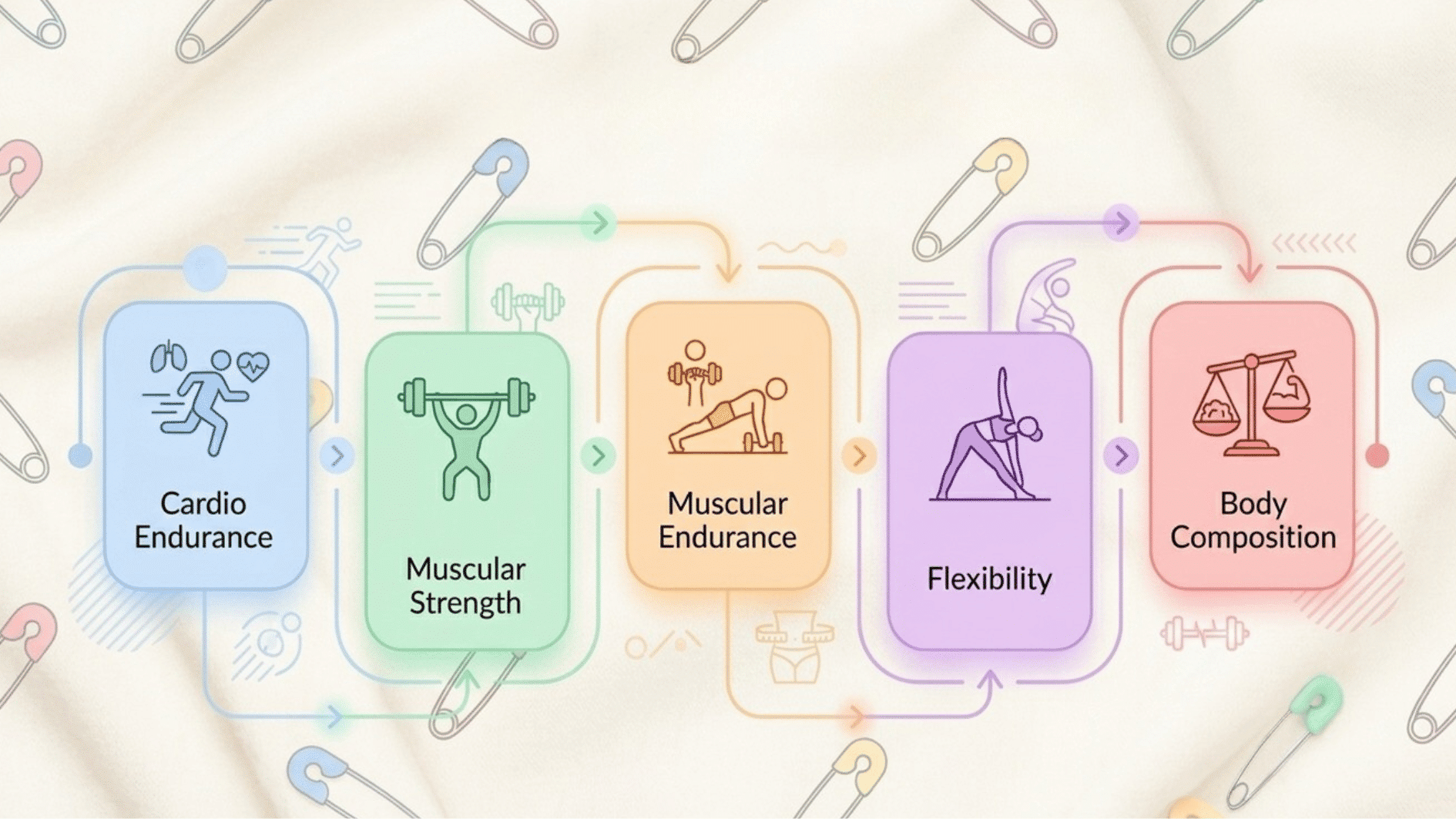
Physical fitness is not defined by a single workout, body type, or performance metric.
The components of health-related fitness provide a framework for what it means to be physically well, moving beyond visuals toward measurable, clinically relevant markers of health.
If you are building a training program or evaluating your current routine, understanding each component is the first step toward a more complete approach to physical wellness.
What Truly Defines Physical Fitness?
Physical fitness is often seen as just strength or endurance, but it goes far beyond that simple view. It reflects how well the body performs in everyday life, from energy levels to mobility and recovery.
True fitness is a balance of physical capability, consistency, and overall well-being. It is a combination of qualities that support long-term health.
Together, they form the foundation of what the CDC and other federal health bodies use to guide physical activity recommendations and describe the components of health-related fitness.
5 Components of Physical Fitness
These components were established to distinguish health-oriented fitness from performance or skill-based fitness.
1. Cardiovascular Endurance

Cardiovascular endurance is the capacity of the heart, lungs, and blood vessels to deliver oxygen to working muscles over a sustained period.
It is often the first component assessed in clinical and fitness settings, and for good reason. It is one of the strongest predictors of long-term health outcomes.
How to Strengthen It:
- Moderate Intensity: Brisk walking, cycling, swimming, dancing
- vigorous intensity: Running, HIIT circuits, jump rope
- frequency: At least 5 days/week (moderate) or 3 days/week (vigorous)
The CDC links regular physical activity to reduced risk of cardiovascular disease, type 2 diabetes, certain cancers, improved bone health, enhanced mental health, and improved quality of life with age.
2. Muscular Strength
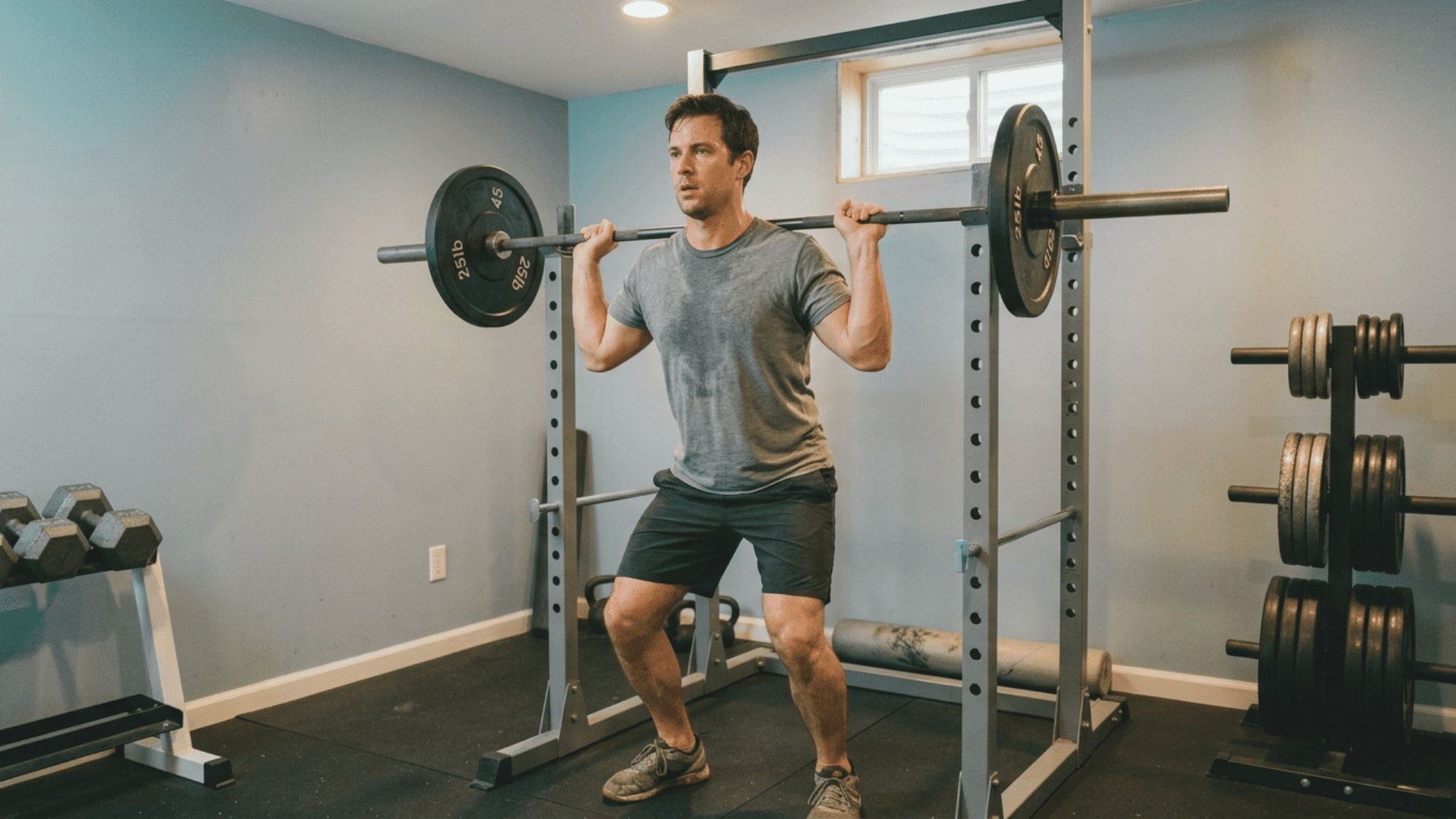
Muscular strength is the maximum amount of force a muscle or muscle group can generate in a single effort. It is distinct from muscular endurance, though both fall under the broader category of muscle fitness.
Think of it as the body’s capacity to move, lift, or resist a load at peak output: a single heavy squat, a maximal deadlift, or pushing open a stuck door. It is the ceiling of your physical force.
How to Strengthen It
- Exercises: Compound Lifts (squats, Deadlifts, Bench Press), Resistance Machines, Bodyweight Training
- Frequency: Minimum 2 Days per Week, targeting All Major Muscle Groups, per CDC guidelines
- Progression: Gradual Load Increase Over Time (progressive Overload)
Per CDC’s national Health Interview Survey (2020), only 35.2% of Men and 26.9% of Women Aged 18 and Older Met the Federal Guideline for Muscle-Strengthening Physical Activity.
3. Muscular Endurance

Muscular endurance refers to the ability of a muscle or group of muscles to perform repeated contractions over an extended period without fatigue.
It is what keeps your posture intact through an eight-hour workday, your arms steady through a long swim, and your legs turning over mile after mile on a run. Endurance is strength sustained.
How to Strengthen It
- Exercises: High-repetition resistance training (15–20+ reps), circuit training, rowing, cycling
- Goal: Sustain effort over time, not maximize load per rep
4. Flexibility

Flexibility is the ability of a joint and the surrounding muscles and connective tissue to move through its full range of motion.
It is often underemphasized in fitness programs despite its direct relevance to injury prevention and functional movement.
How to strengthen it
- Static stretching: Hold a position for 15–60 seconds. Best used post-workout for recovery and cooling down.
- Dynamic Stretching: Controlled movement through a joint’s range of motion. Ideal as a warm-up before exercise.
- PNF (proprioceptive neuromuscular facilitation): A contract-relax technique typically performed with a partner. Best suited for therapeutic use or advanced training protocols.
5. Body Composition
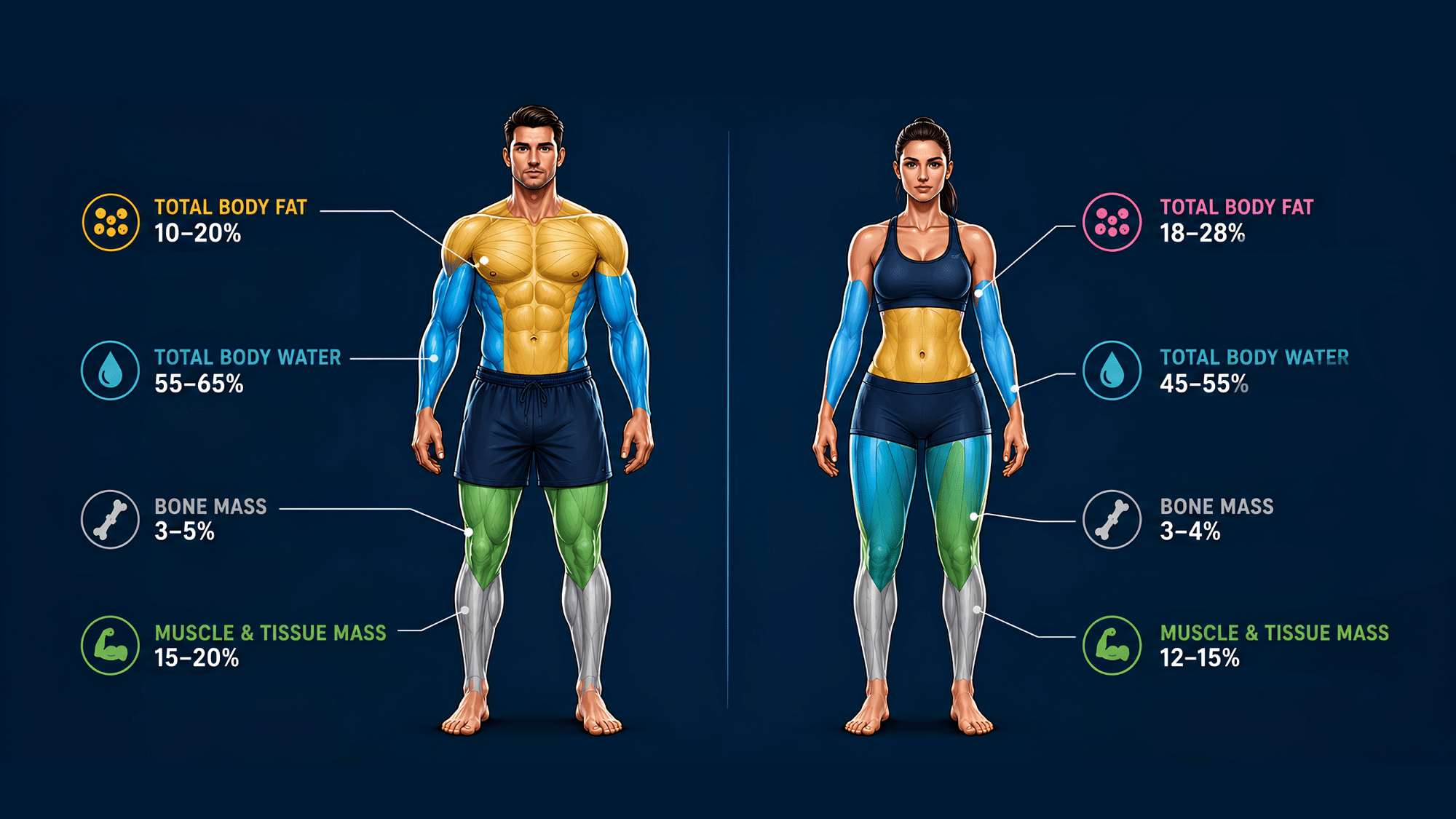
Body composition describes the ratio of fat mass to lean mass (muscle, bone, and organs) in the body. It is the most holistic of the 5 components of fitness, as it reflects the cumulative effect of diet, activity, and overall lifestyle.
How to Improve It
- Improving body composition is largely an outcome of consistent work across the other four components of health-related fitness.
- Cardiovascular training increases caloric expenditure, while resistance training builds and preserves lean mass.
- Flexibility training supports consistency by improving movement quality and reducing the risk of injury.
- Body composition can be measured using tools such as DEXA scans, bioelectrical impedance analysis, and skinfold calipers.
Dietary Note: The World Health Organization (WHO) recommends a balanced diet rich in whole foods to maintain healthy body composition and reduce the risk of chronic disease.
Real-Life Examples of Fitness Training
The examples here are based on patterns shared in online fitness communities and reflect how real people approach building well-rounded physical health.
|
Building Cardiovascular Endurance Through Consistency Users in the r/biohackers community described structuring their week around zone 2 cardio. Low-intensity, steady-state sessions like cycling or incline walking rather than relying solely on HIIT. They noted that their resting heart rate dropped noticeably over 12 weeks and that daily tasks like climbing stairs felt significantly easier. |
|
Muscular Strength: Does Training Frequency Actually Matter? A user in r/workout raised a question many beginners share: whether lifting only three days a week is enough to see real strength and muscle gains, or whether lifting fewer than five days a week stunts progress. Many experienced users in the comments gave their opinions and talked about what their experience has been. |
|
Muscular Endurance and The Overlooked Muscles Threads in r/workout highlighted rear delts, rotator cuff stabilizers, and core endurance muscles as the most frequently undertrained groups. Users noted these rarely get direct work in standard programs, yet their absence shows up quickly in shoulder pain, poor posture, and early fatigue during longer sessions. |
|
Body Composition: Maintaining and Recomposition A long-term r/gym post from a user documenting an impressive five years of body recomposition after a fatal accident. The author mentioned that their diet consisted of healthy fats, carbs, fruits, etc., and that changing their habits helped them reach this goal. |
How Do These Fitness Components Benefit the Body?
Looking at fitness through its 5 components gives a clearer, more structured way to understand health and physical ability. Instead of focusing on one area, it highlights how different systems of the body work together.
- Builds the body’s ability to sustain activity by improving heart and lung efficiency.
- Supports power and stability for lifting, pushing, and other high-effort movements.
- helps the body maintain effort over time without quick fatigue.
- keeps movement smooth and reduces stiffness by maintaining joint mobility.
- Gives a Snapshot of Overall Health by Showing the Balance Between Fat and Lean Mass.
The Bottom Line
Knowing the components of health-related fitness reframes what it means to be physically fit.
It moves the conversation away from performance metrics and toward systemic, measurable health, the kind that affects quality of life at every age.
Each component is trainable, improvable, and clinically relevant.
The CDC, NIH, and ACSM all point to the same conclusion: a well-rounded approach to physical activity, one that addresses all five areas, produces the most durable health outcomes.
Start with One. Build Toward All Five!
Frequently Asked Questions
What is the Easiest Way to Burn Calories without Intense Workouts?
Light daily movement like walking, household chores, or standing more often helps burn calories with minimal effort.
What Does “666” Mean in Fitness?
It refers to the 6-6-6 walking routine: a 6-minute warm-up, 60 minutes of brisk walking, and a 6-minute cool-down, typically done at 6 a.m. or 6 p.m.
How Many Days per Week Should You Exercise to Build Lean Muscle?
Most evidence-based training plans recommend resistance training about 3–5 days per week for lean muscle gain.
What Should a Pre-Workout Contain for Energy and Performance?
A good pre-workout typically includes caffeine, beta-alanine, creatine, and carbohydrates for energy and endurance.