First, Let’s Break Down What a Panic Attack Actually Is
Panic attacks are sudden episodes of intense fear or discomfort that can feel overwhelming and difficult to control.
They happen when the body’s alarm system reacts strongly, even when there is no real danger or immediate threat.
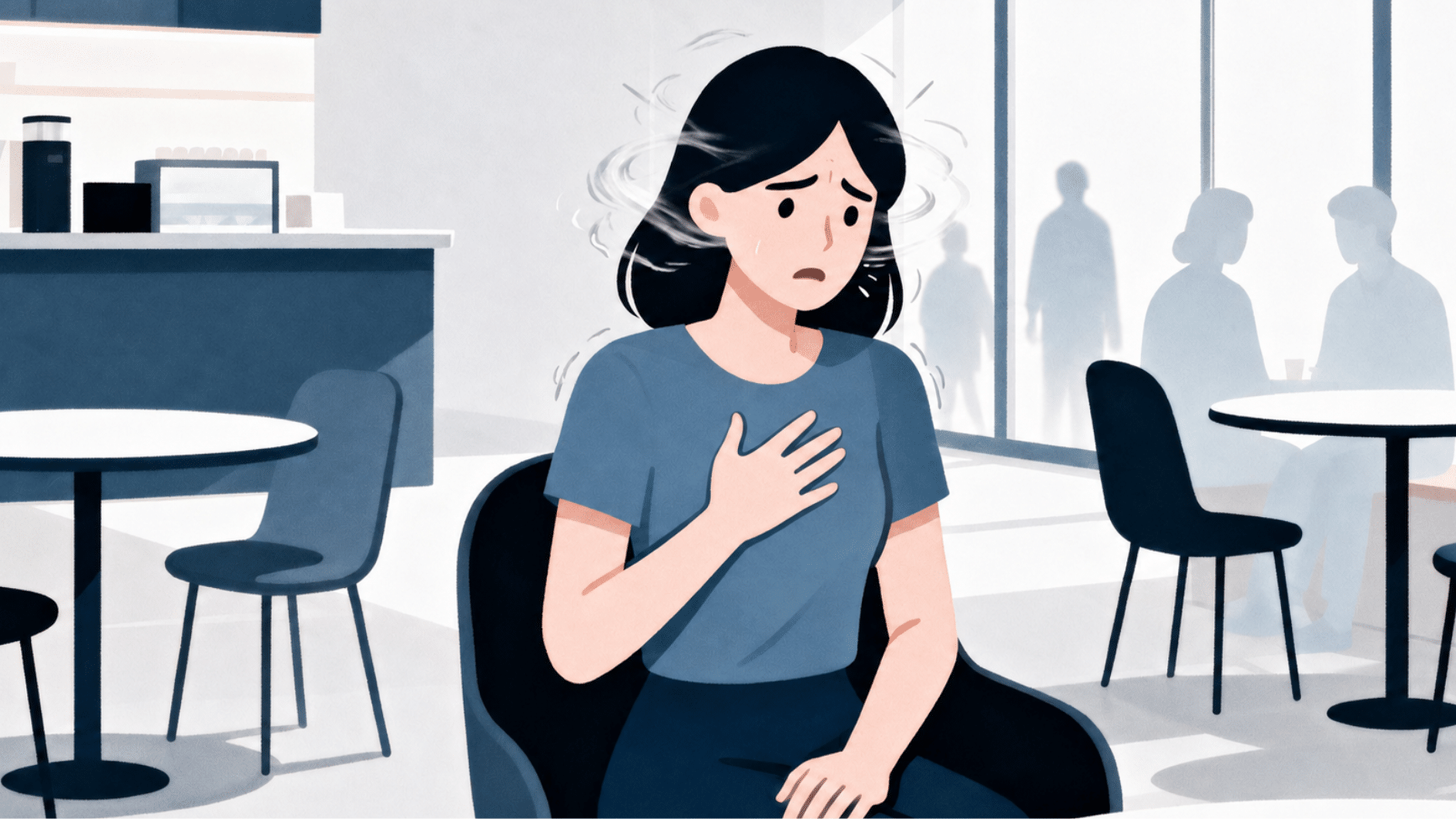
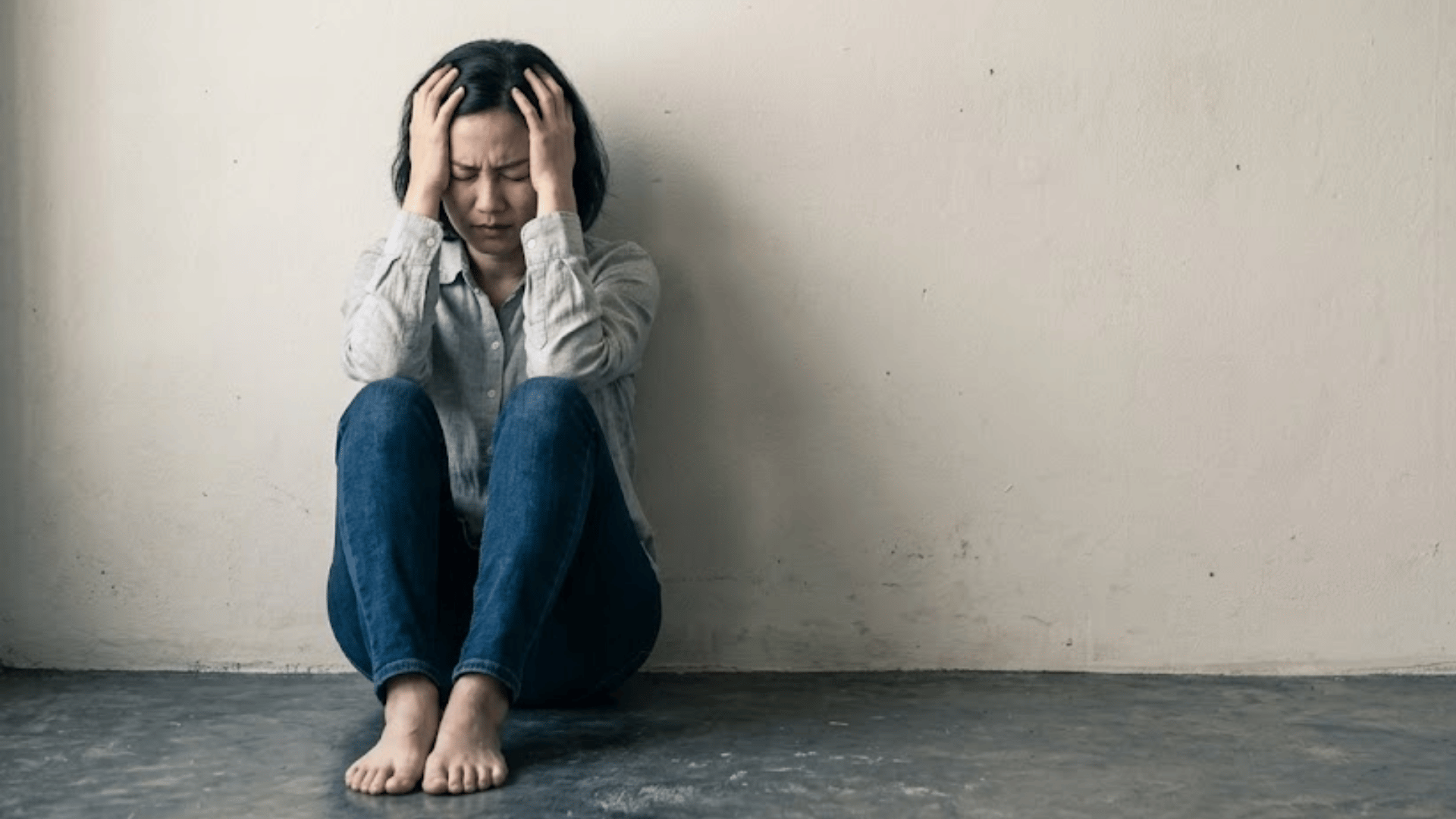
During an episode, a person may feel intense fear, worry, or physical discomfort.
While everyday anxiety usually builds around a specific stress or concern, panic attacks often appear suddenly and feel much more intense.
Many people find that First, Let’s Break Down What a Panic Attack Actually Is
Panic attacks are sudden episodes of intense fear or discomfort that can feel overwhelming and difficult to control.
They happen when the body’s alarm system reacts strongly, even when there is no real danger or immediate threat.
During an episode, a person may feel intense fear, worry, or physical discomfort.
While everyday anxiety usually builds around a specific stress or concern, panic attacks often appear suddenly and feel much more intense.
Many people find that grounding techniques for panic attacks help bring the body back to the present moment.
Research from the Anxiety and Depression Association of America (ADAA) indicates women are about twice as likely as men to develop panic disorder, with symptoms most commonly emerging between adolescence and the mid-thirties.
Woman Panic Attack Symptoms: Common Signs to Notice
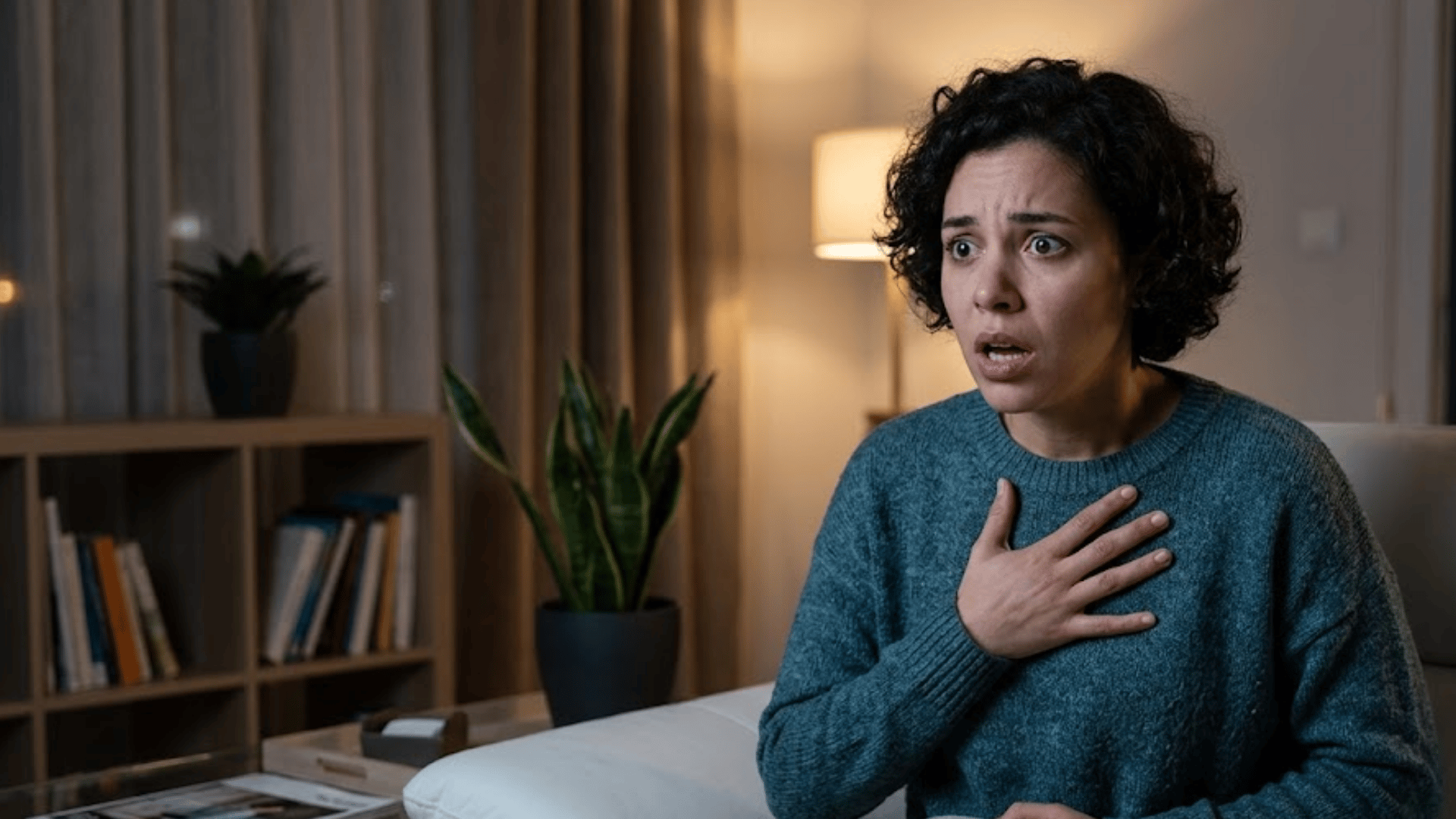
Panic attack symptoms can vary from person to person. During an episode, they may affect your body, emotions, and thoughts in different ways.
|
Physical Symptoms |
Emotional and Mental Symptoms |
|---|---|
|
Fast heartbeat or pounding heart that feels sudden or stronger than normal. |
Sudden intense fear that appears quickly without a clear reason. |
|
Shortness of breath or a feeling that breathing is difficult. |
Feeling out of control or unable to manage your reactions. |
|
Chest discomfort that may feel like tightness or pressure. |
Fear of dying or something serious happening during an episode. |
|
Sweating, chills, or sudden changes in body temperature. |
Feeling disconnected from yourself or your surroundings. |
|
Shaking or trembling in the hands, body, or muscles. |
Trouble thinking clearly or focusing during the episode. |
Do Panic Attack Symptoms Differ in Women?
Panic attacks can affect anyone, but some factors may influence how women experience symptoms, timing, and emotional responses.
Similar Symptoms
Women often experience common panic signs like a racing heart, breathing changes, the dizziness that often comes with panic, and fear, similar to symptoms seen in other people.
Hormonal Changes
Shifts during periods, pregnancy, postpartum stages, or menopause may affect stress responses and may influence how panic symptoms feel.
Stress Factors
Women may experience panic symptoms during times of high pressure, major changes, or emotional strain from personal and professional responsibilities.
Health Concerns
Some physical symptoms may overlap with other health conditions, so discuss new or severe signs with a healthcare professional.
Personal Experiences
Past trauma, anxiety patterns, and daily stress levels can affect how often panic episodes happen and how strongly symptoms are felt. Many women find that healing from childhood trauma is a meaningful part of understanding why these episodes happen in the first place.
Common Causes and Triggers of Panic Attacks
Panic attacks may develop from a combination of body-related, emotional, and environmental factors that affect stress responses.
- Chronic stress: Ongoing pressure from work, relationships, or daily responsibilities can increase stress levels and trigger panic symptoms.
- Major life changes: Events like moving, divorce, childbirth, or major transitions may create emotional strain and increase panic risk.
- Trauma or difficult experiences: Past upsetting events or painful situations may affect how the body responds to fear and stress.
- Family history: Having relatives with anxiety or panic disorder may increase the chance of experiencing similar symptoms.
- Sleep problems: Poor sleep patterns or ongoing lack of rest can affect mood and make panic symptoms more likely.
- Medications or substances: Certain medicines, caffeine, alcohol, or other substances may contribute to panic symptoms in some people.
Panic Attacks vs Panic Disorder: What is the Difference
Panic attacks and panic disorder may seem similar, but they differ in how often symptoms happen and how they affect daily life.
|
Basis |
Panic Attacks |
Panic Disorder |
|---|---|---|
|
Meaning |
A sudden episode of intense fear or discomfort that can happen with or without a clear reason. |
A condition involving repeated panic attacks along with ongoing fear of having more attacks. |
|
Frequency |
A person may experience one or occasional panic attacks without having a disorder. |
Panic attacks happen repeatedly and may create constant worry or changes in daily habits. |
|
Impact |
Symptoms can feel frightening but may not affect everyday activities after the episode ends. |
Symptoms and fear of future attacks may interfere with work, relationships, or regular activities. |
|
Cause |
Panic attacks may occur due to stress, certain situations, or no obvious trigger. |
Panic disorder develops when repeated panic episodes and related fears become difficult to manage. |
|
Diagnosis |
Having a panic attack alone does not mean someone has a mental health condition. |
A healthcare professional evaluates symptoms, history, and daily impact before diagnosing the condition. |
Signs It’s Time to Talk to a Doctor About Your Panic Attacks
Talking to a doctor can help when panic symptoms feel frequent, intense, or difficult to manage.
While occasional panic episodes can happen, ongoing symptoms may affect your daily routines, relationships, and overall well-being.
A healthcare professional can help you understand what is causing these experiences and suggest the right support, including who can prescribe anxiety medication if that becomes part of your treatment plan.
You should consider seeking medical advice if you notice:
- Panic episodes happening often or without clear reasons
- Avoiding places, activities, or situations due to fear of another attack
- Symptoms affecting work, relationships, sleep, or daily responsibilities
- New or severe physical symptoms that feel unusual
- Increased worry about when another episode may happen
Getting support early can make symptoms easier to understand and manage over time.
The Bottom Line
Panic attacks can feel overwhelming, but understanding your experiences can make it easier to respond with confidence.
Everyone may experience these moments differently, so it is important to notice changes that affect daily life.
Learning about women’s panic attack symptoms can help you recognize when something feels different and when support may be needed.
You do not have to handle ongoing fear or discomfort alone. Reaching out for guidance can provide clarity and help you find ways to move forward with greater comfort and balance.
chaelmantell.com/grounding-techniques-for-panic-attacks/”>grounding techniques for panic attacks help bring the body back to the present moment.
Research from the Anxiety and Depression Association of America (ADAA) indicates women are about twice as likely as men to develop panic disorder, with symptoms most commonly emerging between adolescence and the mid-thirties.
Woman Panic Attack Symptoms: Common Signs to Notice
Panic attack symptoms can vary from person to person. During an episode, they may affect your body, emotions, and thoughts in different ways.
|
Physical Symptoms |
Emotional and Mental Symptoms |
|---|---|
|
Fast heartbeat or pounding heart that feels sudden or stronger than normal. |
Sudden intense fear that appears quickly without a clear reason. |
|
Shortness of breath or a feeling that breathing is difficult. |
Feeling out of control or unable to manage your reactions. |
|
Chest discomfort that may feel like tightness or pressure. |
Fear of dying or something serious happening during an episode. |
|
Sweating, chills, or sudden changes in body temperature. |
Feeling disconnected from yourself or your surroundings. |
|
Shaking or trembling in the hands, body, or muscles. |
Trouble thinking clearly or focusing during the episode. |
Do Panic Attack Symptoms Differ in Women?
Panic attacks can affect anyone, but some factors may influence how women experience symptoms, timing, and emotional responses.
Similar Symptoms
Women often experience common panic signs like a racing heart, breathing changes, the dizziness that often comes with panic, and fear, similar to symptoms seen in other people.
Hormonal Changes
Shifts during periods, pregnancy, postpartum stages, or menopause may affect stress responses and may influence how panic symptoms feel.
Stress Factors
Women may experience panic symptoms during times of high pressure, major changes, or emotional strain from personal and professional responsibilities.
Health Concerns
Some physical symptoms may overlap with other health conditions, so discuss new or severe signs with a healthcare professional.
Personal Experiences
Past trauma, anxiety patterns, and daily stress levels can affect how often panic episodes happen and how strongly symptoms are felt. Many women find that healing from childhood trauma is a meaningful part of understanding why these episodes happen in the first place.
Common Causes and Triggers of Panic Attacks
Panic attacks may develop from a combination of body-related, emotional, and environmental factors that affect stress responses.
- Chronic stress: Ongoing pressure from work, relationships, or daily responsibilities can increase stress levels and trigger panic symptoms.
- Major life changes: Events like moving, divorce, childbirth, or major transitions may create emotional strain and increase panic risk.
- Trauma or difficult experiences: Past upsetting events or painful situations may affect how the body responds to fear and stress.
- Family history: Having relatives with anxiety or panic disorder may increase the chance of experiencing similar symptoms.
- Sleep problems: Poor sleep patterns or ongoing lack of rest can affect mood and make panic symptoms more likely.
- Medications or substances: Certain medicines, caffeine, alcohol, or other substances may contribute to panic symptoms in some people.
Panic Attacks vs Panic Disorder: What is the Difference
Panic attacks and panic disorder may seem similar, but they differ in how often symptoms happen and how they affect daily life.
|
Basis |
Panic Attacks |
Panic Disorder |
|---|---|---|
|
Meaning |
A sudden episode of intense fear or discomfort that can happen with or without a clear reason. |
A condition involving repeated panic attacks along with ongoing fear of having more attacks. |
|
Frequency |
A person may experience one or occasional panic attacks without having a disorder. |
Panic attacks happen repeatedly and may create constant worry or changes in daily habits. |
|
Impact |
Symptoms can feel frightening but may not affect everyday activities after the episode ends. |
Symptoms and fear of future attacks may interfere with work, relationships, or regular activities. |
|
Cause |
Panic attacks may occur due to stress, certain situations, or no obvious trigger. |
Panic disorder develops when repeated panic episodes and related fears become difficult to manage. |
|
Diagnosis |
Having a panic attack alone does not mean someone has a mental health condition. |
A healthcare professional evaluates symptoms, history, and daily impact before diagnosing the condition. |
Signs It’s Time to Talk to a Doctor About Your Panic Attacks
Talking to a doctor can help when panic symptoms feel frequent, intense, or difficult to manage.
While occasional panic episodes can happen, ongoing symptoms may affect your daily routines, relationships, and overall well-being.
A healthcare professional can help you understand what is causing these experiences and suggest the right support, including who can prescribe anxiety medication if that becomes part of your treatment plan.
You should consider seeking medical advice if you notice:
- Panic episodes happening often or without clear reasons
- Avoiding places, activities, or situations due to fear of another attack
- Symptoms affecting work, relationships, sleep, or daily responsibilities
- New or severe physical symptoms that feel unusual
- Increased worry about when another episode may happen
Getting support early can make symptoms easier to understand and manage over time.
The Bottom Line
Panic attacks can feel overwhelming, but understanding your experiences can make it easier to respond with confidence.
Everyone may experience these moments differently, so it is important to notice changes that affect daily life.
Learning about women’s panic attack symptoms can help you recognize when something feels different and when support may be needed.
You do not have to handle ongoing fear or discomfort alone. Reaching out for guidance can provide clarity and help you find ways to move forward with greater comfort and balance.