
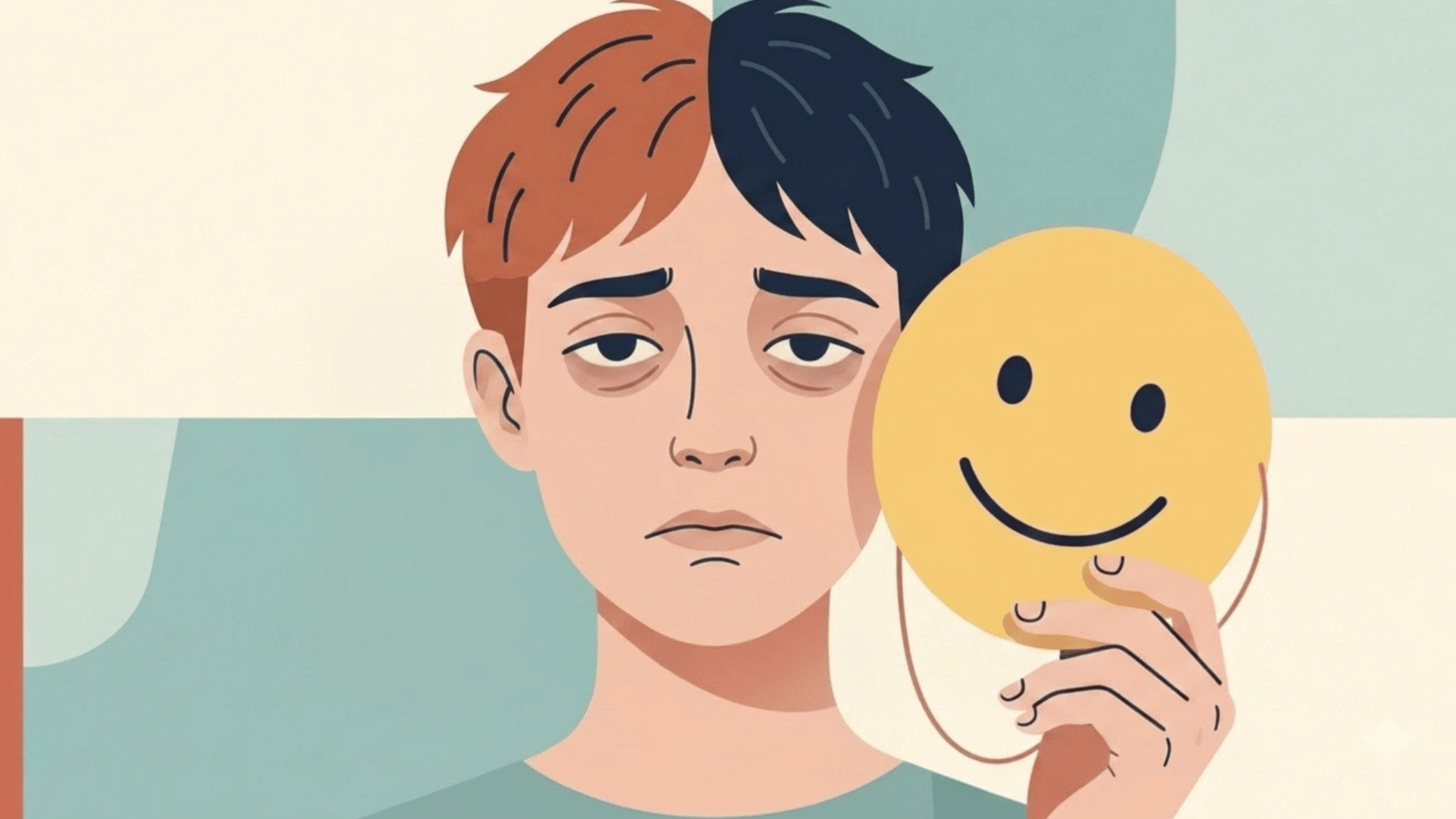
You reply to messages quickly, even when you do not feel ready. You stay silent about what bothers you because you want to avoid conflict.
Over time, this can lead to frustration and resentment.
This pattern is often called nice guy syndrome. It is very common and may go unnoticed until it begins to affect relationships and emotional well-being.
This blog explains the pattern in simple terms, helping you recognize its signs and understand how change can begin.
What is Nice Guy Syndrome?
It describes approval-seeking behavior disguised as kindness. A person may say yes while meaning no, avoid conflict, hide personal needs, and expect affection, respect, or attention in return.
Psychologist Robert Glover coined the term in No More Mr. Nice Guy, though it is not a clinical diagnosis.
The pattern rests on the belief that being good will prevent rejection.
Unlike genuine kindness, it creates an unspoken transaction, so unmet expectations often lead to resentment and frustration in relationships that feel unfair later.
Root Causes of Nice Guy Syndrome
This syndrome usually starts in childhood, when a person learns that being agreeable keeps them safe, loved, or accepted, and carries that habit into adulthood.
- Childhood Conditioning: Praise or safety came from pleasing parents, not expressing needs.
- Covert Contracts: Giving comes with an unspoken exchange of something in return.
- Low Self-Worth: Approval from others substitutes for a stable sense of value.
- Conflict Avoidance: Disagreement felt unsafe early on, so it’s still avoided now.
- Cultural Messaging: “Nice” was taught as the price of being loved or wanted.
Some Common Signs of a Nice Guy

It shows up as a repeating pattern of people-pleasing paired with quiet resentment. These signs help you recognize the behavior in yourself or someone close to you.
1. Constant People-Pleasing
Saying yes becomes automatic, even when it costs time, energy, or comfort.
The habit runs so deep that stopping to ask “what do I actually want?” rarely happens before agreeing. Requests get accepted on reflex, not choice.
Breaking the habit of always saying yes usually starts with noticing the reflex before it turns into action.
Over time, this trains people around them to expect constant availability, which makes the eventual burnout feel confusing and unfair to everyone involved.
2. Weak Boundaries
Pushing back feels risky, so it rarely happens, even when something clearly feels wrong.
Over time, this makes it easy for others to overstep without ever hearing an objection. Silence gets mistaken for agreement.
The pattern rarely gets addressed directly. Instead, frustration builds internally while the outward behavior stays cooperative, polite, and seemingly unbothered by what’s actually happening.
3. PassiveAggression
Anger shows up sideways, through silence, sulking, or subtle guilt-tripping instead of direct words.
The real issue never gets named, so it lingers and resurfaces in small, indirect ways. A short reply or a cold mood often replaces an honest conversation.
Other people are left guessing what went wrong, which creates confusion and slowly wears down trust in the relationship.
4. Hidden Expectations
Gifts, favors, and support come with unspoken strings attached, even when none are stated out loud.
When the expected return doesn’t arrive, disappointment builds quietly, without ever being voiced. The giving looks generous, but it was never actually free.
This creates a one-sided ledger only one person is keeping, and the other person has no idea it even exists.
5. Chronic Resentment
Effort feels unrewarded, and appreciation never seems to match what was given.
This resentment builds slowly, often surfacing as irritability or distance rather than a direct conversation. Small moments of being overlooked start to add up fast.
Eventually, the frustration leaks out anyway, usually at the wrong moment, aimed at something minor instead of the real, unspoken cause.
6. Conflict Avoidance
Disagreement feels unsafe, so silence becomes the default response, even during real problems.
Staying quiet feels safer short-term, but it leaves core issues unresolved for much longer. Problems don’t disappear; they just go unspoken and unresolved.
Over time, this avoidance can quietly damage relationships, since neither person gets the chance to address what’s actually bothering them.
7. Approval-Seeking
Self-worth depends heavily on being liked, needed, or praised by other people.
Without that steady approval, confidence drops fast, revealing how conditional the sense of worth really is. External validation becomes a constant requirement, not an occasional nice-to-have.
This makes rejection feel disproportionately painful, since it threatens something deeper than the moment itself: a person’s basic sense of value.
8. Quiet Entitlement
Being nice comes with an unspoken belief that it should be rewarded with love or loyalty.
When that reward doesn’t come, frustration builds, even though the expectation was never actually stated. The kindness was real, but it wasn’t unconditional.
This gap between what’s given and what’s expected in return is often where relationships quietly start to break down
How Does It Affect Relationships?
Nice guy syndrome puts pressure on the people closest to it. A partner often feels obligated rather than loved, since giving comes with unspoken strings attached.
In dating, rejection gets treated as unfair, since the effort was real. Partners often feel suffocated instead of cared for, sensing that attention comes with conditions.
At work and in friendships, extra tasks and favors pile up quietly, followed by resentment when they go unrecognized, an imbalance others sense even without naming it.
What Toll Does It Take on Mental Health?
It takes a steady toll on mental health, since needs get pushed aside to keep others comfortable.
That constant suppression builds into anxiety over time, especially around conflict or disapproval.
Self-worth stays tied to outside approval, so confidence rises and falls based on how others respond. Rejection then feels like proof of something deeper, not just a single disappointing moment.
Left unaddressed, this pattern often leads to burnout, since giving without receiving anything back drains energy that never gets replaced.
How Can You Stop Nice Guy Syndrome?
Stopping this pattern starts with noticing it, then replacing old habits with direct, honest behavior, even when that feels uncomfortable or risky at first.
- Say No Directly: Skip the excuses and give a plain, honest answer instead.
- Voice Real Needs: State wants and feelings before resentment has a chance to build.
- Sit with Discomfort: Let conflict happen instead of avoiding it to keep the peace, and start with small, low-stakes boundaries rather than a full overhaul.
- Give without Conditions: Offer help only when nothing is expected back in return.
- Build Self-Worth Internally: Base confidence on personal values, not on others’ approval.
- Get Outside Support: A therapist or coach can help unlearn deep-rooted patterns.
The Bottom Line
Nice guy syndrome isn’t a life sentence. It’s a learned pattern, which means it can be unlearned with honesty and practice.
Start small: say no once this week when you’d normally say yes. Notice the discomfort, and let it pass instead of fixing it with people-pleasing.
Real connection doesn’t need a trade attached to it. The people worth keeping in your life will respect you more for speaking honestly, not less.
Progress here isn’t about becoming less kind. It’s about making sure that kindness is finally yours to give.
Frequently Asked Questions
Is Nice Guy Syndrome the Same as Being a Pushover?
Not exactly; a pushover simply avoids conflict, while Nice Guy Syndrome adds a hidden expectation: kindness now, expecting something back later.
Can This Pattern Show Up in Women Too?
Yes, the core pattern, approval-seeking through excessive giving, isn’t limited to men. It’s just less commonly labeled or discussed in women.
How Long Does It Take to Change This Pattern?
There’s no fixed timeline. Small shifts, like setting one boundary, often show results within weeks, though bigger change usually takes consistent months of practice.