
You react to stress the same way your mother did, or your grandfather did. You never lived through what they went through, yet the same fear or anger still shows up in you.
I hear this a lot: people noticing the same patterns in themselves that they grew up watching in their parents. That pattern has a name.
Generational trauma is pain passed down, shaping how people think, feel, and cope long after the original event is over.
Healing generational trauma begins once you can see the pattern clearly and choose a different response, one generation at a time.
What is Generational Trauma?Generational trauma happens when the pain or coping habits from an event in one generation carry over into people who never lived through that event themselves. A grandparent’s experience with war or abuse can shape how their grandchildren handle stress, even though the grandchildren were never in danger. People also call this intergenerational, transgenerational, or ancestral trauma. All point to the same idea that trauma travels through a family, not just one person’s memory. (Intergenerational, transgenerational, and ancestral trauma are related terms for trauma passed through families, though their exact meanings may differ slightly) This differs from trauma you live through yourself. You inherit its effects without facing the event that caused them. |
Where Did the Concept Come From?
Researchers first noticed this pattern while studying children of Holocaust survivors.
These children showed anxiety, fear, and heightened stress responses, even though they never lived through the Holocaust themselves.
That observation opened up a bigger question. Could trauma move beyond the person who experienced it directly?
Later studies found similar patterns in descendants of enslaved people, war refugees, and communities pushed from their homes.
The pain wasn’t isolated to one person’s memory. It lived on in families and entire communities long after the original event ended.
Generational Trauma Vs PTSD: What’s the Difference
Generational trauma and PTSD may share some emotional effects, but they differ in their causes, patterns, and how they appear in daily life.
| Aspect | Generational Trauma | PTSD |
|---|---|---|
| Cause | Comes from painful family experiences passed through generations | Develops after a person experiences or witnesses a traumatic event |
| Connection | Linked to family history, beliefs, and learned behaviors | Linked to a specific personal trauma |
| Impact | Can affect family patterns, relationships, and emotional responses | Can affect thoughts, emotions, and daily functioning |
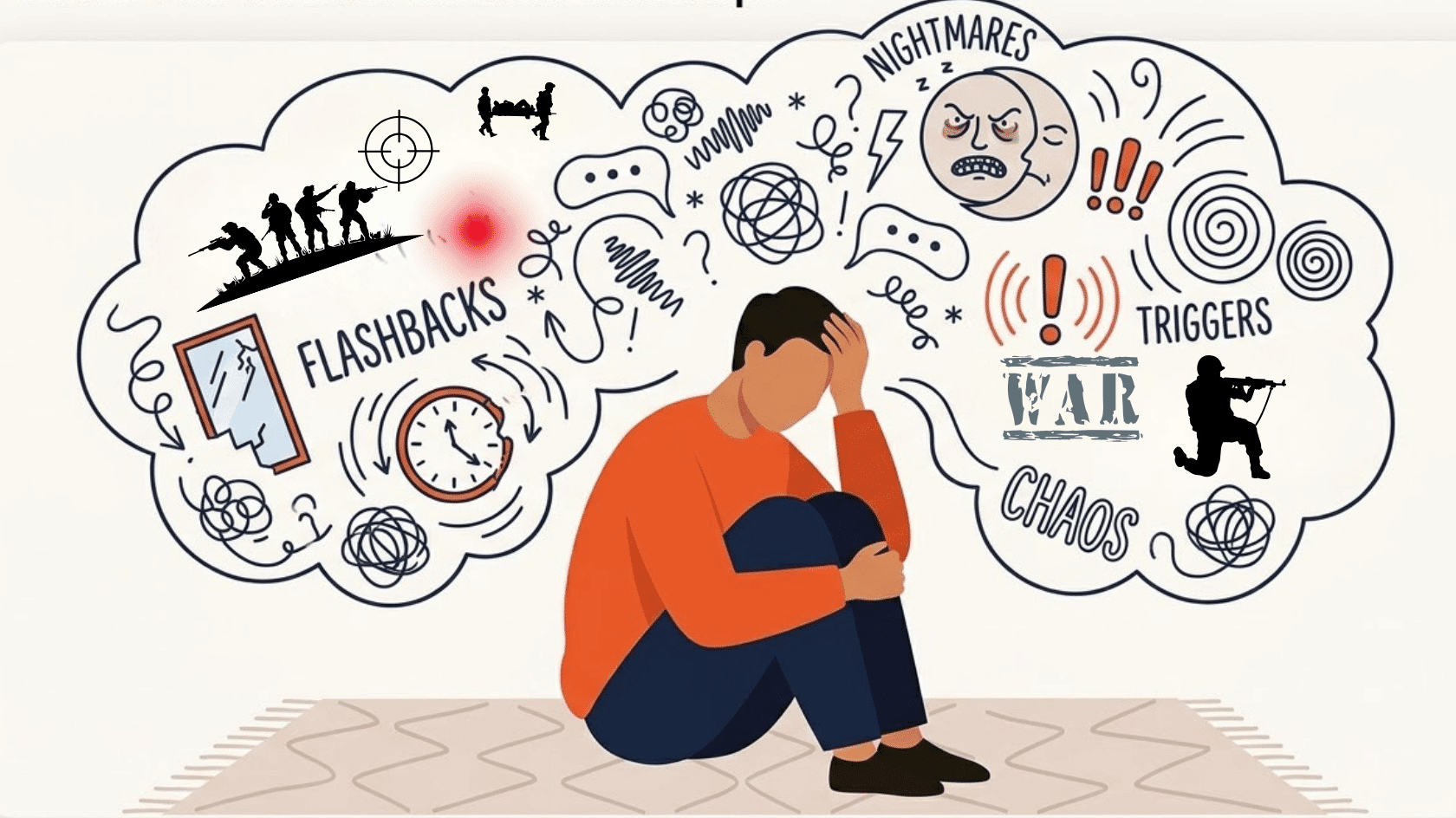
| Common Signs | Fear patterns, trust issues, emotional struggles, or repeated family behaviors | Flashbacks, nightmares, avoidance, fear, and stress reactions |
| Who It Affects | May influence multiple generations of a family | Usually affects the person who experienced the trauma |
| Healing Approach | Focuses on understanding patterns and creating healthier behaviors | Often focuses on managing trauma symptoms with professional support |
Suggested: Curious whether symptoms point to PTSD? Take our free self-assessment quiz to get clarity in minutes.
What Causes Generational Trauma and How Does It Pass Down?
Generational trauma starts with a major event like war, abuse, or displacement, then spreads through learned behavior, family communication, and possible changes in stress-response genes.
- Childhood Abuse or Neglect: Kids raised without safety often repeat those patterns as parents
- Addiction in The Home: Growing up around substance use shapes how a child handles stress
- Ongoing Discrimination: Ongoing unfair treatment builds shared stress across a whole community
- Financial Hardship: Survival-focused parenting passes down anxiety around money and safety
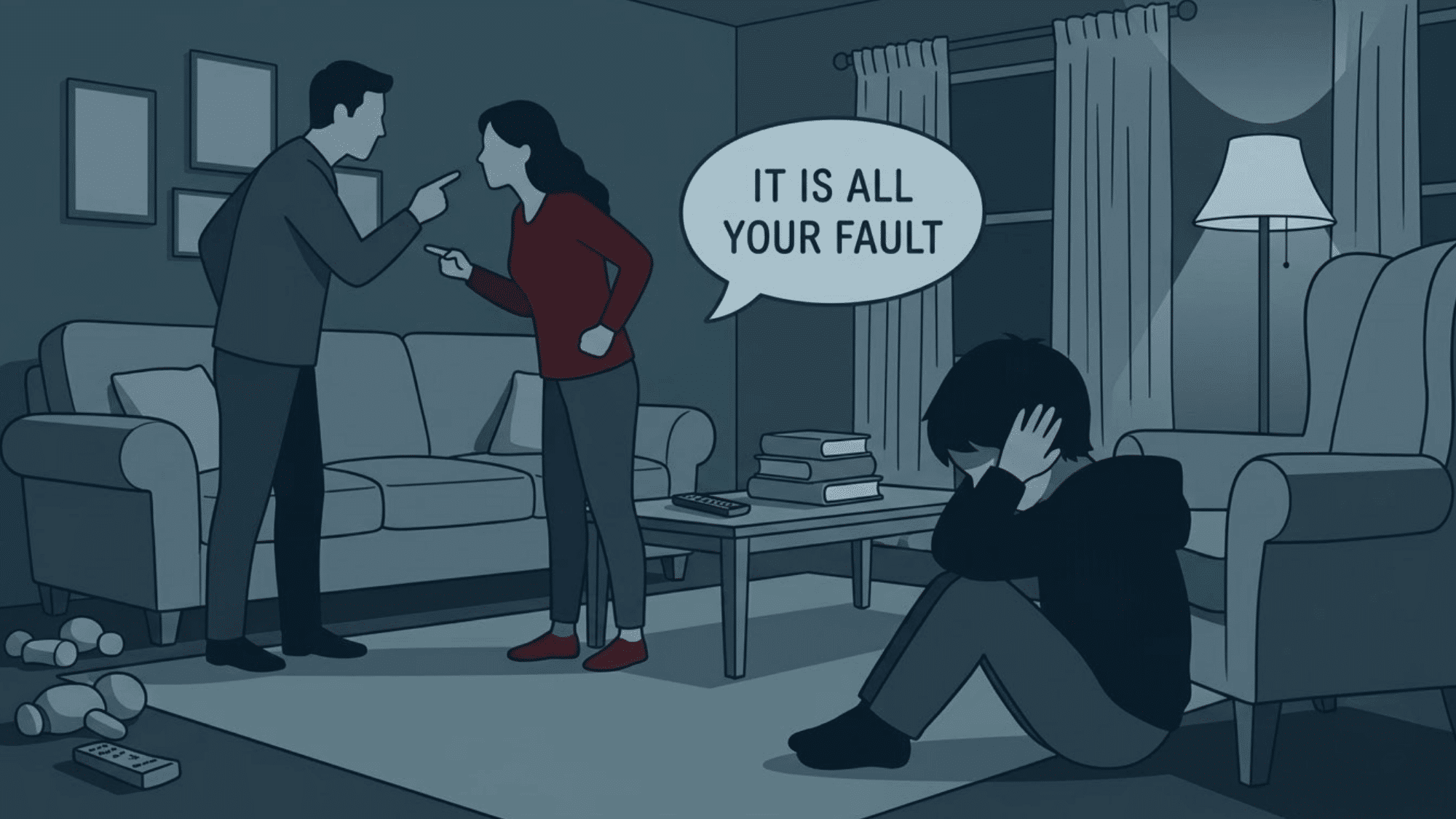
- Behavior Modeling: Children copy how caregivers handle conflict and big emotions
- Family Communication: Silence or repeated warnings carry old fears into new generations
- Biological Transmission: Early epigenetics research suggests trauma may alter stress-response genes
What are the Signs of Generational Trauma?

Generational trauma often shows up as reactions that feel disproportionate to the moment, along with patterns in relationships, parenting, and coping that repeat across a family without anyone fully noticing why.
1. Reactions That Feel Bigger Than the Moment
A small disagreement can trigger a response that feels far too intense for the situation.
This happens because the nervous system is reacting to old, inherited stress, not just what’s happening right now. It often confuses both the person reacting and the people around them.
2. Trouble Trusting or Attaching to Others
People carrying generational trauma often struggle to feel safe in close relationships, even with partners or friends who haven’t given them a reason to worry.
This shows up as pulling away, needing constant reassurance, or expecting people to let them down eventually.
These are also common markers of complex trauma responses, since attachment wounds rarely stay confined to one relationship.
3. Fear-Based or Harsh Parenting Patterns
Parents may repeat the same strict or fear-driven approach their own parents used, even when they promised themselves they wouldn’t.
Without a different model to follow, old parenting habits resurface automatically, especially during stressful moments with their own kids.
4. Unhealthy Coping Habits
Substance use, angry outbursts, or shutting down emotionally often develop as ways to manage pain that was never fully processed.
These habits tend to be passed along, too, since children learn coping styles by watching the adults around them.
5. Guilt When You Try to Change
Some people feel oddly guilty for healing or doing things differently from the way their family did.
This guilt is a real, documented response, not a sign that something is wrong with choosing a new path forward.
Ways Generational Trauma Shows Up in Daily Life?
Generational trauma reaches beyond emotions into everyday choices, showing up in money habits, friendships, work, health, and how people make decisions.
- Money habits: Hoarding, overspending, or panic around bills often trace back to a family history of financial insecurity.
- Friendships: Over-explaining simple requests or feeling guilty asking for help reflects an old belief that needing support is a burden.
- Work life: Overworking or struggling to rest can come from growing up where worth was tied to being useful.
- Physical health: Unexplained tension, poor sleep, or stomach issues sometimes carry stress the body never got to release.
- Decision-making: Freezing over small choices or over-preparing for worst-case outcomes can stem from a family that rarely felt safe.
- Holidays and traditions: Dread or tension around family gatherings often points to unspoken history nobody’s addressed directly.
How Do You Break the Cycle of Generational Trauma?
Breaking the cycle starts with naming the pattern out loud, to yourself or someone you trust, instead of treating it as just “how things are” in your family.
From there, it’s about catching yourself mid-reaction.
Pausing before you yell like your father did, asking for space instead of shutting down, or telling your kids why you’re setting a rule differently than your parents did with you.
Expect setbacks. A cycle built over decades doesn’t break in a week, and one bad day doesn’t undo the changes you’ve already made.
From Inherited Pain to Healing: Ways to Heal Generational Trauma
Healing generational trauma means working with a professional who can help you process inherited patterns, not just manage symptoms on your own.
- Cognitive Behavioral Therapy (CBT): helps you spot thought patterns passed down from earlier generations and replace them with responses that actually fit your life now
- Family therapy brings shared patterns into the open, so parents, children, or siblings can name old dynamics together instead of repeating them in silence
- EMDR works through inherited trauma responses stored in the body and memory, especially when talk therapy alone hasn’t fully resolved them
- Trauma-informed care: connects you with a provider trained specifically in generational and inherited trauma, so treatment addresses the root pattern, not just current symptoms
- Find a provider: NIMH’s Help for Mental Illnesses page walks through how to find a mental health professional, including through a primary care provider, insurance company, or local health department
The Bottom Line
Generational trauma isn’t just history; it’s a pattern. It carries forward, quietly shaping how people love, parent, and handle stress, until someone notices the pattern and chooses something different.
That noticing is the real turning point. Healing generational trauma takes time and often goes more easily with support from a trained professional. If any of this sounded familiar, reaching out is a solid next step.
You don’t have to sort through it alone, and you don’t have to get it perfect right away. Small, steady choices are what change a family’s story over time.
Frequently Asked Questions
What is Generational Trauma Called in Clinical Settings?
Clinicians typically refer to it as intergenerational or transgenerational trauma rather than “generational trauma,” though all three terms describe the same concept in practice.
Can Generational Trauma Skip a Generation?
Yes. Effects can lie dormant in one generation and resurface more strongly in the next, especially if the original event was never discussed or processed.
Does Birth Order Affect How Generational Trauma is Experienced?
Yes, somewhat. Oldest children often absorb more parental stress and responsibility, while younger siblings may inherit patterns secondhand, through family dynamics rather than direct exposure