
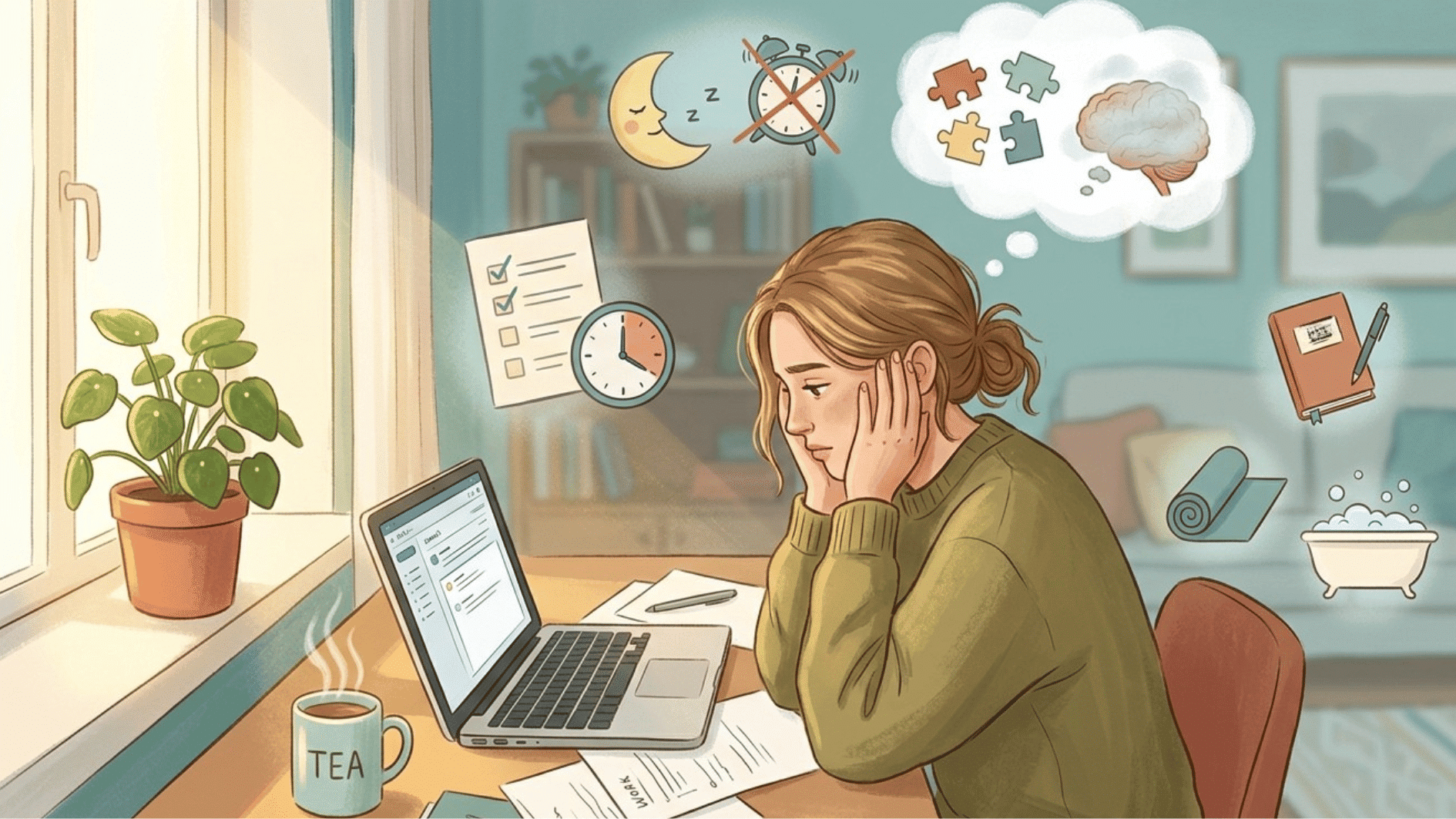
Depression is more than feeling sad. It drains your energy, clouds your thinking, pulls you away from people you care about, and makes even the smallest tasks feel overwhelming.
When the symptoms reach that level, the impact goes beyond the health. Your job, your income, and your ability to meet basic responsibilities all come under pressure.
Is depression a disability? The answer depends on several factors, and understanding them can make a big difference in your life.
In this blog, I will cover what the law actually says, what qualifies, and what you can do if depression is affecting your ability to function.
Disclaimer: This blog is for general informational purposes only. It is not medical advice, and it does not replace a consultation with a qualified mental health professional.
Is Depression a Disability?Yes, depression can be a disability under U.S. law, but not every case qualifies. According to the EEOC, mental health conditions may be protected at work when they meet disability standards. Depression may qualify when it substantially limits major life activities such as working, learning, concentrating, sleeping, communicating, or caring for yourself. The SSA also reviews depressive disorders for disability benefits, but it uses its own rules. This means a person may qualify under one program but not another. Each case depends on medical records, symptom severity, and how depression affects daily functioning. |
When Does Depression Qualify as a Disability?
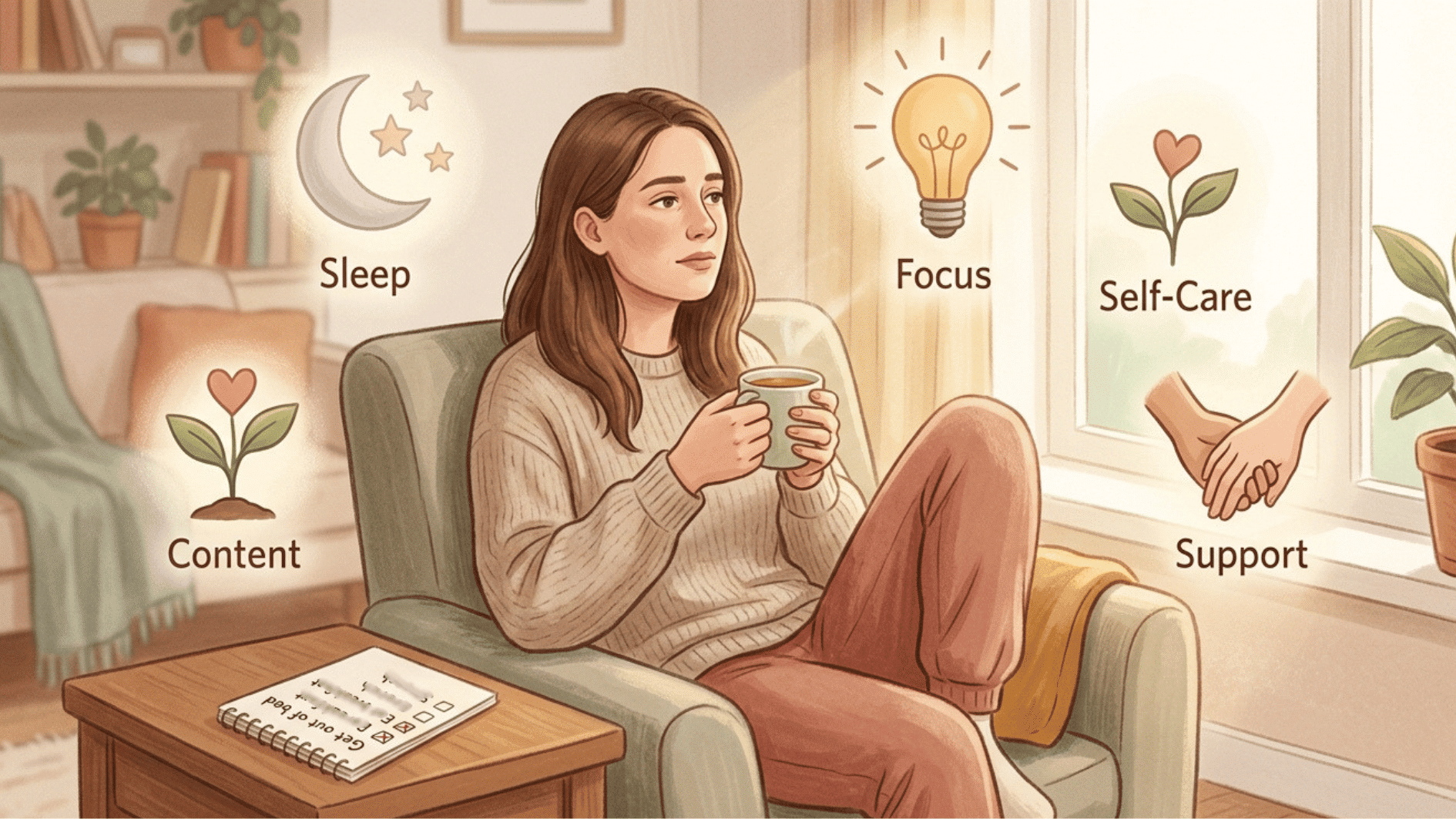
Not everyone with depression automatically qualifies for disability protections or benefits.
1. Severe Symptoms That Affect Daily Life
Depression may qualify as a disability when symptoms are severe enough to interfere with everyday activities.
For example, struggling to get out of bed, maintain personal hygiene, complete household tasks, or interact with others. It also affects concentration, memory, and decision-making.
2. Long-Term or Persistent Depression
The duration of symptoms is another important factor. Temporary feelings of sadness or stress usually do not qualify as a disability.
However, depression that lasts for months or years and continues despite treatment may meet disability criteria.
3. Difficulty Working or Maintaining Employment
Depression may qualify as a disability if it prevents someone from performing their job duties consistently.
A person might have trouble meeting deadlines, staying focused, following instructions, or maintaining regular attendance.
In severe cases, symptoms may make it impossible to work full-time. Disability programs often evaluate how depression affects a person’s ability to earn a living and perform work-related tasks.
4. Significant Limitations in Major Life Activities
Depression may qualify when it affects activities such as learning, sleeping, concentrating, communicating, or caring for oneself.
The greater the impact on these essential functions, the more likely the condition may be considered a disability under federal law.
5. Need for Workplace Accommodations
Some people with depression can continue working but require reasonable accommodations to do their jobs effectively.
These accommodations may include flexible scheduling, modified workloads, remote work options, or additional breaks during the day.
The need for workplace adjustments can indicate that depression substantially affects job performance, which may support disability protections under the ADA.
Is Anxiety a Disability? Here is the Reality
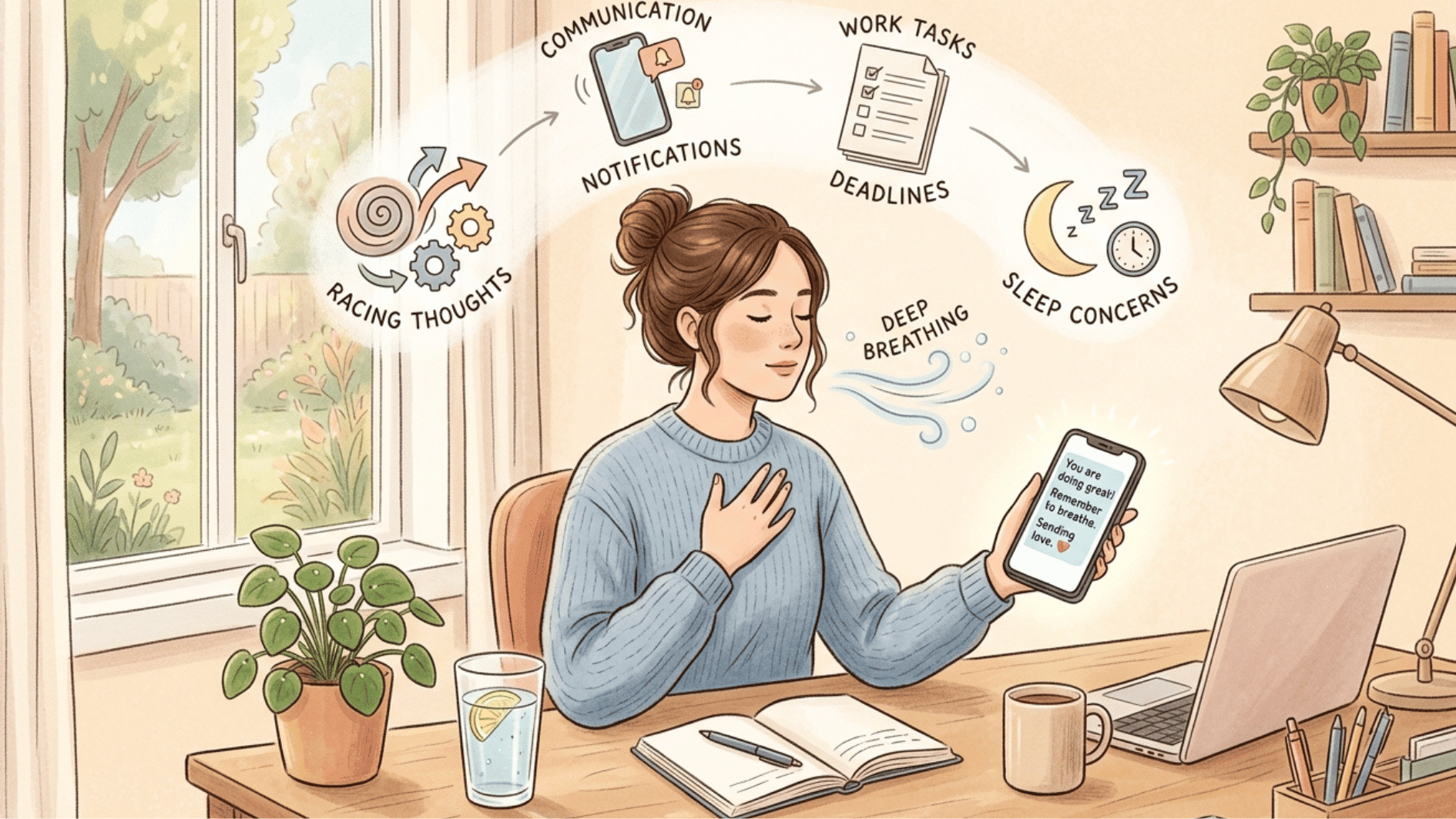
Anxiety qualifies as a disability under U.S. law when it significantly limits major life activities, not just because a diagnosis exists.
The ADA and EEOC protect mental health conditions that seriously affect working, concentrating, sleeping, communicating, or self-care.
The Social Security Administration also considers anxiety and OCD when reviewing disability benefit claims.
Anxiety Is More Likely to Qualify When:
- Symptoms are Severe: Panic attacks, intense fear, or constant worry disrupt daily tasks
- Work is Affected: Reduced focus, attendance issues, or difficulty communicating on the job
- Social functioning is Limited: Avoiding meetings, public spaces, or regular social interaction
- Sleep is consistently Disrupted: Ongoing sleep problems that carry into daily life
- Symptoms are Long-Term: Persisting for months or years, even with treatment
- Accommodations are Needed: Flexible hours, remote work, quiet spaces, or regular breaks
- Medical Documentation Exists: Diagnosis, treatment history, and proof of functional limitations
Real-Life Examples of Managing Depression and Anxiety
The examples below are based on personal stories shared in online communities and show how some people have managed their symptoms through treatment, support, and healthy coping strategies.
Using Therapy to Manage Depression
A Reddit user in the r/depression community shared that they started cognitive behavioral therapy (CBT) after struggling with depression for several years. They explained that therapy helped them identify negative thought patterns and build healthier coping skills over time. While their symptoms did not disappear overnight, they reported gradual improvements in mood and daily functioning.
Using Regular Exercise as Part of Recovery
Several users in the Reddit anxiety community report that short daily walks helped them manage symptoms of depression and anxiety. One person shared that starting with a 10-minute walk each day felt achievable when other tasks seemed overwhelming.
Small Steps for Depression
A Reddit user shared that taking “baby steps” helped them manage depression instead of trying to fix everything at once. They focused on small actions like walking for 20 minutes, finding a therapist, talking to a psychiatrist, and staying connected with trusted people. This example shows that recovery can start with simple, repeatable steps, not big life changes.
Getting Through Severe Anxiety
A Reddit user in r/Anxiety shared that their anxiety became severe after work stress and panic attacks. They described struggling with sleep, eating, and daily functioning for months. Their story shows how anxiety can become overwhelming, but also why getting support, learning coping tools, and taking symptoms seriously can matter.
Note: These examples are based on experiences shared in mental health communities and should not be viewed as guaranteed results. Recovery from depression and anxiety is different for everyone.
Mental Health Support Resources
If depression or anxiety feels hard to manage, support is available. These resources can help people find crisis care, treatment options, and mental health information.
- 988 Suicide & Crisis Lifeline: Call or text 988 for free, confidential crisis support anytime.
- Emergency Services: Call 911 for immediate danger or a life-threatening emergency.
- SAMHSA National Helpline: Call 1-800-662-HELP (4357) for treatment referrals and mental health support.
- NIMH Mental Health Information: Visit NIMH for trusted information about depression, anxiety, and treatment options.
- FindTreatment.gov: Use this government tool to search for mental health and substance use treatment services near you.
- Primary Care Doctor: A doctor can screen symptoms, suggest treatment, and refer you to a mental health professional.
- Licensed Therapist or Counselor: Therapy can help people develop coping skills and safely manage symptoms.
Disability Benefits Available for Depression and Anxiety
Eligibility depends on the severity of symptoms, medical evidence, and how the condition affects daily life and the ability to work.
1. Social Security Disability Insurance (SSDI)
SSDI provides monthly payments to people who have worked and paid Social Security taxes but can no longer work because of a qualifying disability.
Depression and anxiety disorders may qualify if symptoms are severe enough to prevent substantial employment.
2. Supplemental Security Income (SSI)
SSI offers financial assistance to people with limited income and resources who have a qualifying disability.
Unlike SSDI, work history is not required. Individuals with severe depression or anxiety may be eligible if they meet the program’s medical and financial requirements.
3. Workplace Accommodations Under the ADA
Employees with qualifying depression or anxiety may have the right to reasonable accommodations under the Americans with Disabilities Act (ADA).
These accommodations can include flexible schedules, remote work options, modified break times, or a quieter workspace.
4. Protection From Workplace Discrimination
The ADA also protects workers from discrimination based on qualifying mental health disabilities. Employers generally cannot treat employees unfairly because of depression, anxiety, or another covered mental health condition.
5. State Disability Benefits
Some states offer short-term disability programs that may provide temporary income replacement for individuals unable to work due to depression, anxiety, or other medical conditions. Availability and eligibility vary by state.
6. Access to Vocational Rehabilitation Services
People with mental health disabilities may qualify for vocational rehabilitation programs that help them prepare for, find, or maintain employment through job training, counseling, and workplace support services.
How to Manage Depression Safely?
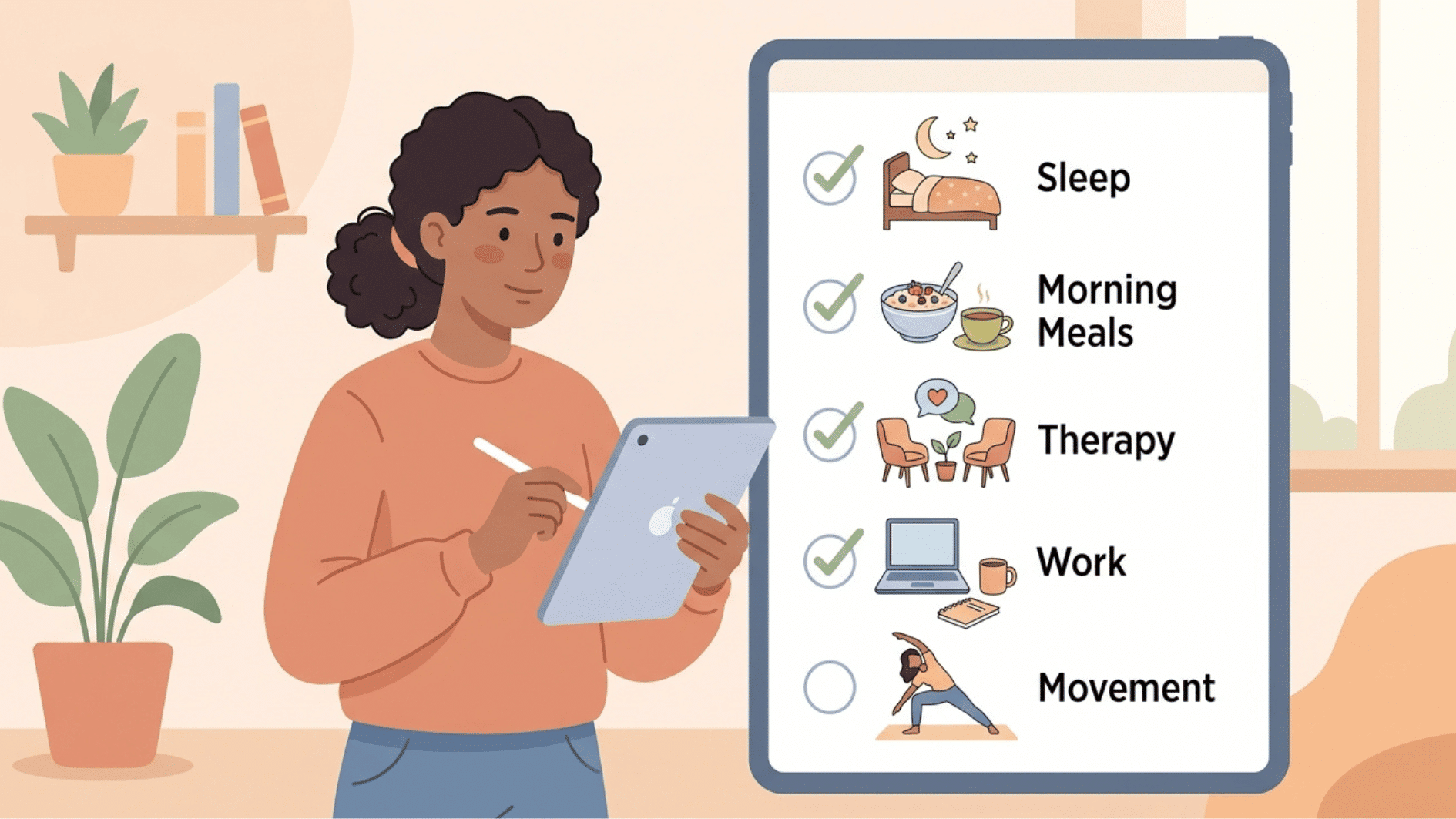
There is no quick cure for depression or anxiety, and what works for one person may not work for another.
- Talk to a Mental Health Professional: A therapist, counselor, or psychiatrist can help identify the right treatment approach.
- Stay Connected with Supportive People: Spending time with trusted friends and family can reduce feelings of isolation.
- Get Regular Physical Activity: Exercise may help improve mood, reduce stress, and support overall mental well-being.
- Maintain a Healthy Sleep Routine: Consistent sleep habits can help regulate mood and reduce anxiety symptoms.
- Practice Stress-Management Techniques: Activities such as mindfulness, meditation, deep breathing, or journaling may help manage daily stress.
- Seek Help During a Crisis: If symptoms become overwhelming or include thoughts of self-harm, contact 988, emergency services, or a healthcare professional immediately.
The Bottom Line
Depression is a real medical condition, and for many people, it is serious enough to qualify as a disability under the law.
When I look at my own experience, I realize how much it has affected my ability to function day to day.
Every case is different. What qualifies one person may not qualify another. That is why medical documentation, professional guidance, and knowing your rights all matter.
If depression is making daily life difficult, you do not have to figure it out on your own.
Speak to a healthcare provider, consult a benefits specialist, and take the process one step at a time. Support exists, and knowing your options is always the right place to start.