

Have you ever felt like your emotions have a mind of their own?
One moment, everything seems under control. The next, a conversation, a setback, or even a small misunderstanding can feel far bigger than it should.
For people living with borderline personality disorder (BPD), these experiences can affect relationships, work, and everyday life in ways that are often difficult for others to see.
One question I’ve heard time and again is: Is BPD a disability? Time to Find out!
Is BPD a Disability?Yes, borderline personality disorder (BPD) can be considered a disability in certain circumstances. However, having a diagnosis of BPD does not automatically mean a person is legally or medically recognized as disabled. In my work as a psychologist, I often find that people assume a diagnosis and a disability are the same thing. In reality, healthcare providers, employers, and disability programs may use different criteria when determining whether a condition qualifies as a disability. What eventually matters is the real-world impact of the condition. Because symptoms and their impact can vary widely, disability status is typically assessed on an individual basis. To better understand when BPD may qualify as a disability, let’s first look at what the condition is and how it can affect everyday life. |
What Does BPD Really Mean?

APA Dictionary of Psychology defines borderline personality disorder as a personality disorder characterized by a long-standing pattern of instability in mood, interpersonal relationships, and self-image that is severe enough to cause extreme distress or interfere with social and occupational functioning.
Borderline personality disorder (BPD) affects an estimated 0.7% to 2.7% of adults during their lifetime, according to a review published by the National Library of Medicine.
Common Symptoms of BPD:
Not everyone experiences BPD in the same way. Symptoms and their impact can vary significantly from person to person. Some symptoms commonly associated with BPD include:
- Emotions: Rapid mood changes that can feel intense and difficult to manage.
- Relationships: Fear of abandonment that may strain personal connections.
- Behavior: Impulsive actions that can affect decisions and daily life.
- Identity: An unstable sense of self or uncertainty about who you are.
- Thinking: Stress-related paranoia or suspicious thoughts during emotional distress.
When Does BPD Become a Disability: Diagnosis Vs Disability
Having BPD and being legally recognized as disabled are not the same.
For disability benefits, the focus is on whether BPD significantly limits daily functioning and prevents consistent work activity over time.
| Factor | Diagnosis | Disability |
|---|---|---|
| Meaning | Identifies a condition. | Measures how much the condition limits functioning. |
| Assessment | Based on symptoms and evaluation. | Based on real-world limitations. |
| Focus | What condition does a person have? | How the condition affects daily life and work. |
| Work Impact | A person may still work successfully. | Symptoms may limit the ability to maintain employment. |
| Qualification | Does not automatically qualify someone for benefits. | Requires evidence of functional limitations. |
How to Qualify for Disability Benefits With BPD?
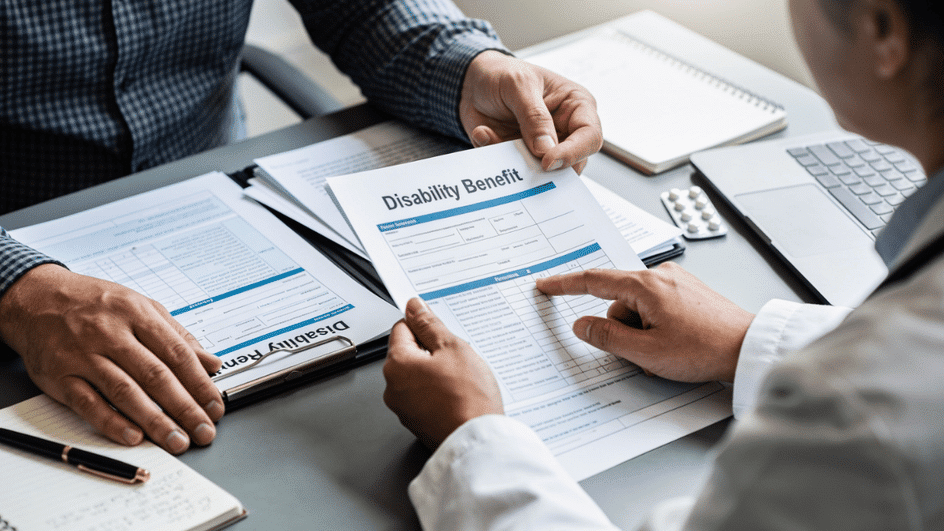
Yes, it is possible to receive disability benefits for BPD, but approval depends on more than a diagnosis.
The SSA recognizes BPD under Listing 12.08: Personality and Impulse-Control Disorders. When people ask me about eligibility, I explain that the SSA focuses on how symptoms affect daily functioning and the ability to maintain employment.
To qualify, there must be medical evidence of BPD and documented limitations in areas such as:
- Information: Learning, remembering, or applying information.
- Interaction: Communicating and maintaining relationships.
- Focus: Staying concentrated and completing tasks.
- Self-Management: Handling stress and managing daily responsibilities.
What Can Strengthen or Weaken a BPD Disability Claim?
The SSA looks for evidence showing how BPD affects your ability to function over time.
| Factor | How it May Help | How it May Affect Approval |
|---|---|---|
| Clinical Records | Consistent therapy and psychiatric records | Limited or incomplete documentation |
| Hospitalization Records | Evidence of crisis care or inpatient treatment | Lack of supporting medical records |
| RFC Assessment | Documents work-related limitations | No clear evidence of functional impairment |
| Treatment History | Ongoing treatment and symptom management | Long gaps in treatment |
| Supporting Statements | Input from family, caregivers, or employers | Missing supporting evidence |
| Work and Income | Evidence of difficulty maintaining employment | Earnings above SSA limits |
| Application Quality | Complete records and documentation | Missing forms or requested information |
One thing I often emphasize is that BPD rarely exists in isolation. Anxiety commonly occurs alongside BPD, and when both conditions are documented, their combined impact may also be considered during disability evaluations.
Can You get Disability for Anxiety?
Anxiety may qualify as a disability when symptoms significantly affect daily functioning or the ability to maintain employment. The SSA evaluates anxiety under Listing 12.06: Anxiety and Obsessive-Compulsive Disorders.
Examples that may support a claim include:
- Panic Attacks: Frequent episodes that disrupt daily activities.
- Social Anxiety: Avoiding work or everyday interactions.
- Generalized Anxiety: Persistent worry that affects focus, sleep, or decision-making.
- Work Limitations: Difficulty maintaining consistent employment.
In 2024, more than 330,079 disabled workers received SSA benefits for anxiety and related mental disorders, according to SSA data reported by Atticus. However, eligibility depends on documented functional limitations rather than a diagnosis alone.
How are Anxiety and BPD Connected?
BPD and anxiety often occur together. Anxiety is a common part of the emotional experience for many people with BPD.
A study published in the Journal of Personality Disorders found that 84.8% of people with BPD had a lifetime anxiety disorder.
In my experience, these conditions often reinforce one another, making daily life more challenging.
For disability evaluations, this overlap matters. The SSA considers the combined impact of mental health conditions, not just each diagnosis on its own.
If you have both BPD and anxiety, ensuring both are documented by your treating provider can help create a clearer picture of how they affect daily functioning.
Real-Life Experiences With BPD
The examples below are based on experiences shared in online support communities and reflect how BPD may affect daily life.
|
Managing BPD at Work A user shared that maintaining long-term employment was one of their biggest challenges. They explained that while work often started well, symptoms eventually affected their performance and relationships with coworkers, making it difficult to stay in the same role for extended periods.- Reddit |
|
Coping With Relationship Challenges Another user described wanting close relationships but constantly fearing abandonment. They shared that this fear often caused emotional strain for them and the people they cared about.- Reddit |
|
Struggling With Daily Responsibilities One member explained that even simple tasks could feel overwhelming during periods of intense emotional distress. They described having a list of responsibilities but struggling to begin because their emotions took over.- Reddit |
|
Living With Emotional Exhaustion A user compared living with BPD to “running an emotional marathon every day.” They shared that even on relatively calm days, the effort of managing their emotions often left them feeling drained.- Quora |
Support Resources for BPD
If BPD, anxiety, or other mental health challenges are affecting your daily life, support is available. These resources can help you find crisis care, treatment options, and reliable mental health information.
- 988 Suicide & Crisis Lifeline:Call or text 988 for free, confidential crisis support anytime.
- Emergency Services: Call 911 for immediate danger or a life-threatening emergency.
- SAMHSA National Helpline:Call 1-800-662-HELP (4357) for treatment referrals and mental health support.
- FindTreatment.gov: Use this government tool to search for mental health and substance use treatment services near you.
- Mental Health Professional: A psychologist, psychiatrist, therapist, or counselor can provide assessment, treatment, and ongoing support.
The Bottom Line
BPD can affect emotions, relationships, work, and daily life in ways that are often difficult to see from the outside.
As I’ve discussed throughout this blog, the impact of BPD can vary widely, which is why disability determinations are made on an individual basis.
Every person’s experience is different. What qualifies one individual may not qualify another, which is why medical documentation, professional evaluation, and individual circumstances all matter.
If BPD or anxiety is affecting your quality of life, I encourage you to speak with a qualified mental health professional. Understanding your options and seeking the right support can be an important step forward.
Frequently Asked Questions
Does BPD Get Better with Treatment?
For many people, yes. Therapies like Dialectical Behavior Therapy (DBT) have strong evidence behind them. Improvement does not disqualify you from benefits, but it should always be the goal.
Can People with BPD Work Full-Time?
Many people with BPD work full-time successfully. Others may need accommodations or additional support depending on symptom severity and individual circumstances.
Is Anxiety a Disability Under the Law?
In some situations, yes. Anxiety may qualify when symptoms substantially limit daily activities, work performance, or other important areas of functioning.
What Evidence Helps Support a Disability Claim?
Medical records, psychological evaluations, treatment history, and documentation showing how symptoms affect daily life are commonly used during reviews.