

I’ve sat with many people who give continuously to others while quietly losing themselves in the process.
So often, codependency hides in plain sight, mistaken for kindness, devotion, or simply being there for the people we love.
Breaking free isn’t about caring less; it’s about learning to care for yourself just as much. That shift can feel uncomfortable at first, yet it opens the door to healthier, more balanced relationships.
In this blog, I’ll share how to stop being codependent and reclaim your sense of self with some gentle and practical ways.
What is Codependency and Why Does it Develop?
Codependency is often mistaken for loyalty, but it goes deeper than caring. It begins when someone else’s emotions, choices, or approval shape your self-worth.
Your peace may depend on keeping others calm, happy, or protected from consequences. These patterns can come from childhood conflict, trauma, fear of abandonment, or low self-esteem.
Over time, ignoring your needs and putting yourself last can start to feel normal.
Common Signs You May Be Codependent:
- Feeling responsible for others’ emotions and blaming yourself to avoid conflict
- Fear of disappointing people, being abandoned, or making others upset
- Difficulty saying no, setting boundaries, or putting your own needs first
- Constantly rescuing others, seeking approval, or needing to feel valued
- Staying silent, overexplaining, or accepting hurtful behavior to keep the peace
How to Stop Being Codependent: Step-By-Step Methods
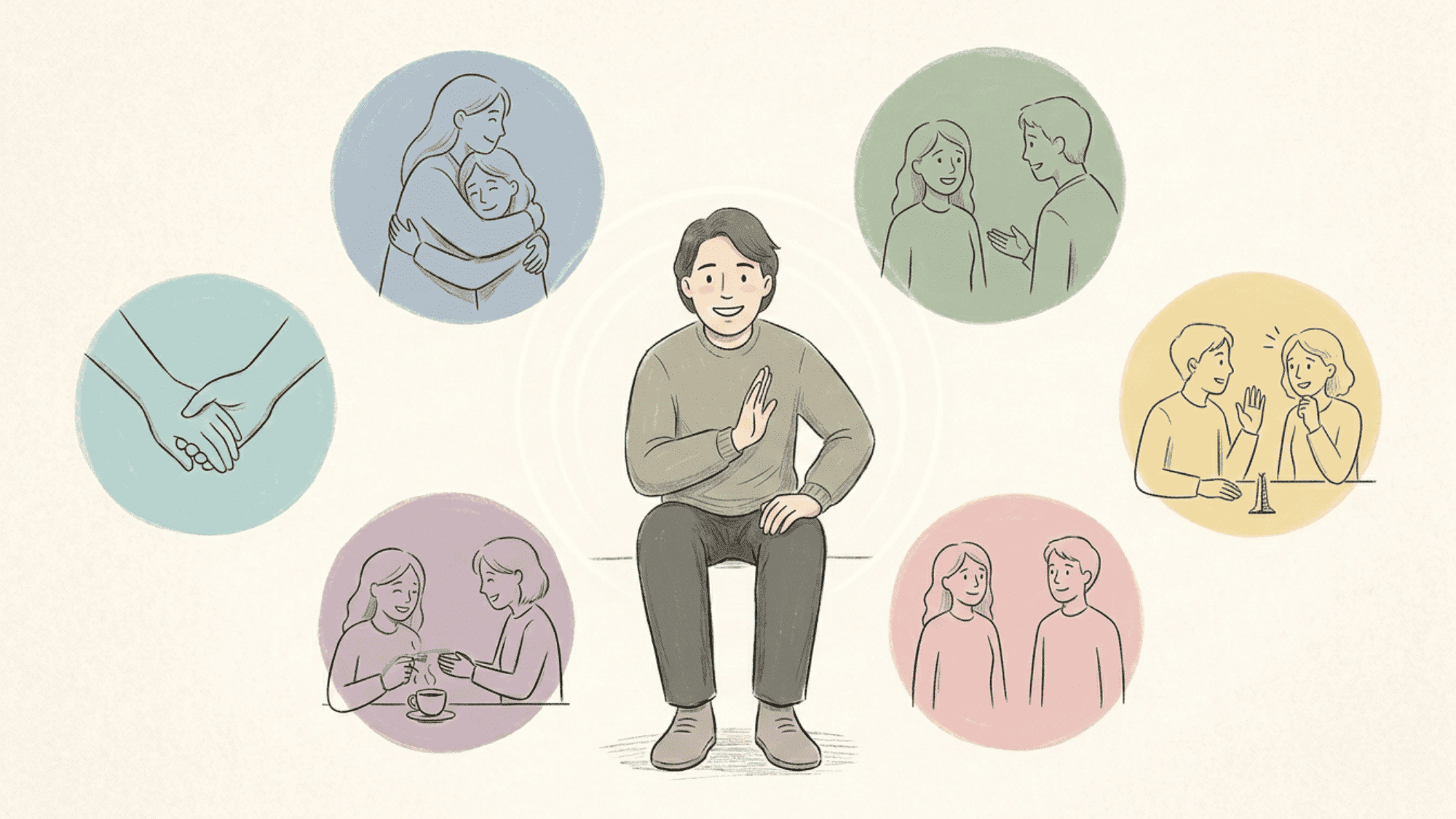
Learning how to stop being codependent does not mean becoming cold or uncaring. It means offering support without sacrificing your own emotional health.
Step 1: Recognize Your Patterns
Start by noticing the moments when you automatically jump in to fix, rescue, explain, or protect someone from the outcome of their choices.
You might notice that you feel anxious when they are upset, guilty when you say no, or responsible for keeping the relationship stable.
Step 2: Accept What You Cannot Control
You can offer support, encouragement, and honesty, but you cannot force another person to stop drinking, seek treatment, or change their behavior.
Trying to control another adult’s choices often leads to exhaustion, resentment, and repeated disappointment.
Acceptance does not mean approval. It means recognizing the limits of your responsibility so your energy can return to what you can actually influence.
Step 3: Start Setting Small Boundaries
Boundaries do not have to be harsh or dramatic. There are clear limits that protect your emotional health, time, money, and personal values.
A small boundary might sound like, “I can talk when you are calm,” or “I cannot lend money for this anymore.”
Step 4: Allow Natural Consequences
When you constantly prevent someone from facing consequences, they may have fewer reasons to take responsibility for their actions.
Allowing natural consequences can feel uncomfortable, especially if you are used to stepping in before things fall apart.
Step 5: Rebuild Your Identity
Rebuilding your identity means reconnecting with the parts of you that may have been pushed aside, such as friendships, hobbies, goals, routines, and personal preferences.
Even small choices, like making plans for yourself or returning to an old interest, can help you feel more grounded in your own life.
Step 6: Replace Self-Blame With Self-Compassion
It is common to feel frustrated with yourself when you begin recognizing codependent patterns.
But self-blame often keeps people stuck, while self-compassion makes change feel safer and more realistic.
Research published in PubMed suggests that self-compassion is linked to greater emotional resilience and psychological well-being.
What is the Connection Between Codependency and Addiction?
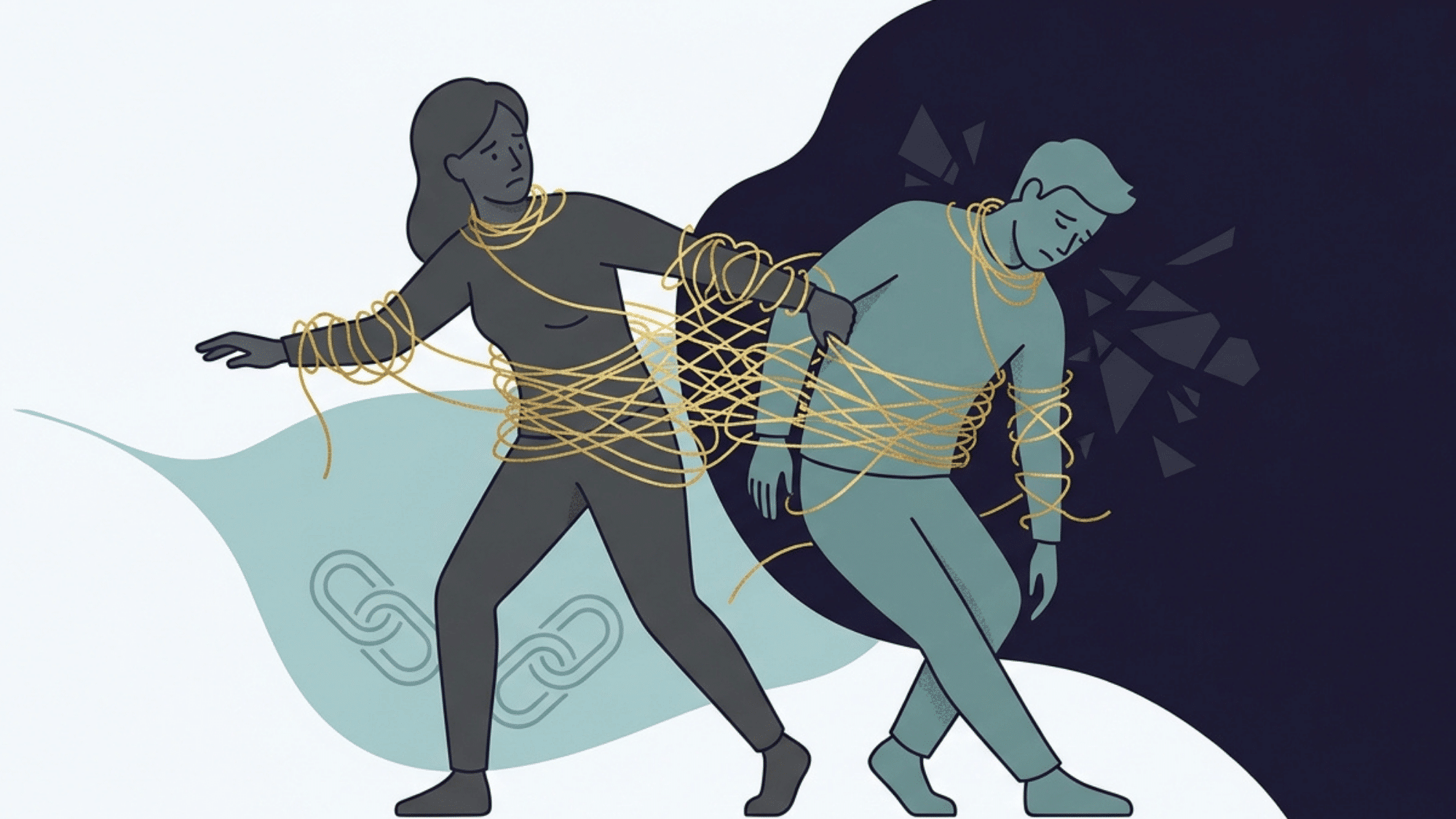
Addiction affects families as well as individuals. Addiction can change relationship dynamics in ways that are difficult to recognize.
Someone trying to help may begin covering missed responsibilities, paying bills, making excuses, or protecting their loved one from consequences. This can unintentionally reduce accountability.
Family involvement and appropriate support can play an important role in recovery, especially when paired with professional treatment.
Healthy support means encouraging treatment, setting clear boundaries, offering emotional support, and respecting another adult’s personal responsibility.
Practical Daily Habits That Help Break Codependent Behaviors
Small daily choices can gradually retrain old relationship patterns and help you respond with greater clarity rather than reacting out of guilt or fear.
- Pause Before Helping: Ask yourself whether the situation truly needs your involvement.
- Notice Emotional Triggers: Write down what makes you feel anxious, guilty, or responsible.
- Practice Respectful “no”: Start with small limits when you feel tired, busy, or uncomfortable.
- Make Time for Yourself: Schedule hobbies, rest, exercise, or quiet time that belongs to you.
- Stay Connected to Healthy People: Supportive relationships remind you that care should feel mutual.
- Build Independent Routines: Create daily habits that support your needs, goals, and well-being.
- Check Your Motive: Ask whether you are acting from fear, guilt, or genuine care.
Wrapping it Up
Learning how to stop being codependent is not about caring less. It is about creating relationships where compassion exists alongside respect, accountability, and healthy boundaries.
If you love someone struggling with substance use, remember that supporting their recovery should never come at the cost of your own well-being.
Small, consistent changes often have the greatest impact. If codependency is affecting your well-being, you must consider reaching out to a qualified mental health professional.
Frequently Asked Questions
Can Codependency Happen in Friendships?
Yes. Codependency can happen in friendships, family relationships, romantic relationships, or caregiving dynamics.
Is Codependency the Same as Being Empathetic?
No. Empathy allows you to care for others while keeping healthy limits. Codependency often involves losing yourself in another person’s needs.
Can Codependency Affect Physical Health?
Yes. Ongoing stress, poor sleep, and constant emotional strain may affect energy, focus, and overall well-being.
Can Boundaries Make Someone Angry?
Yes, especially if they benefited from your lack of boundaries before. Their reaction does not mean your boundary is wrong.
Do You Have to Leave a Relationship to Stop Being Codependent?
Not always. Some relationships can become healthier with boundaries, support, and mutual effort.