
Loss changes everything in quiet ways at first, and then in ways that are harder to ignore. Life keeps moving, but it does not always feel the same, and even simple routines can feel different.
Some days feel manageable, while others feel heavy without warning. Over time, it becomes clear that grief is not something that simply disappears or follows a fixed pattern.
I often remind people that grief can shift, linger, and appear in unexpected moments. During these times, finding the right support can make the experience feel less isolating.
This is where grief support groups and knowing experiences like compound grief often come into the picture, offering ways to slowly make sense of what feels overwhelming.
Understanding Grief Therapy in Simple Terms
It is a form of emotional support in which a trained professional helps a person cope with loss in a safe, steady way. It does not remove grief or speed it up.
Instead, it helps people understand their emotions, cope with difficult days, and gradually adjust to life after loss. The focus is on giving space to talk, feel, and process things without pressure or judgment.
It Usually Focuses On:
- Talking about the loss step by step
- Understanding emotional reactions like sadness, anger, or guilt
- Learning coping skills for daily life
- Adjusting slowly to change
- allows talking about loss at a comfortable pace
How Does Online Grief Therapy Work Today?
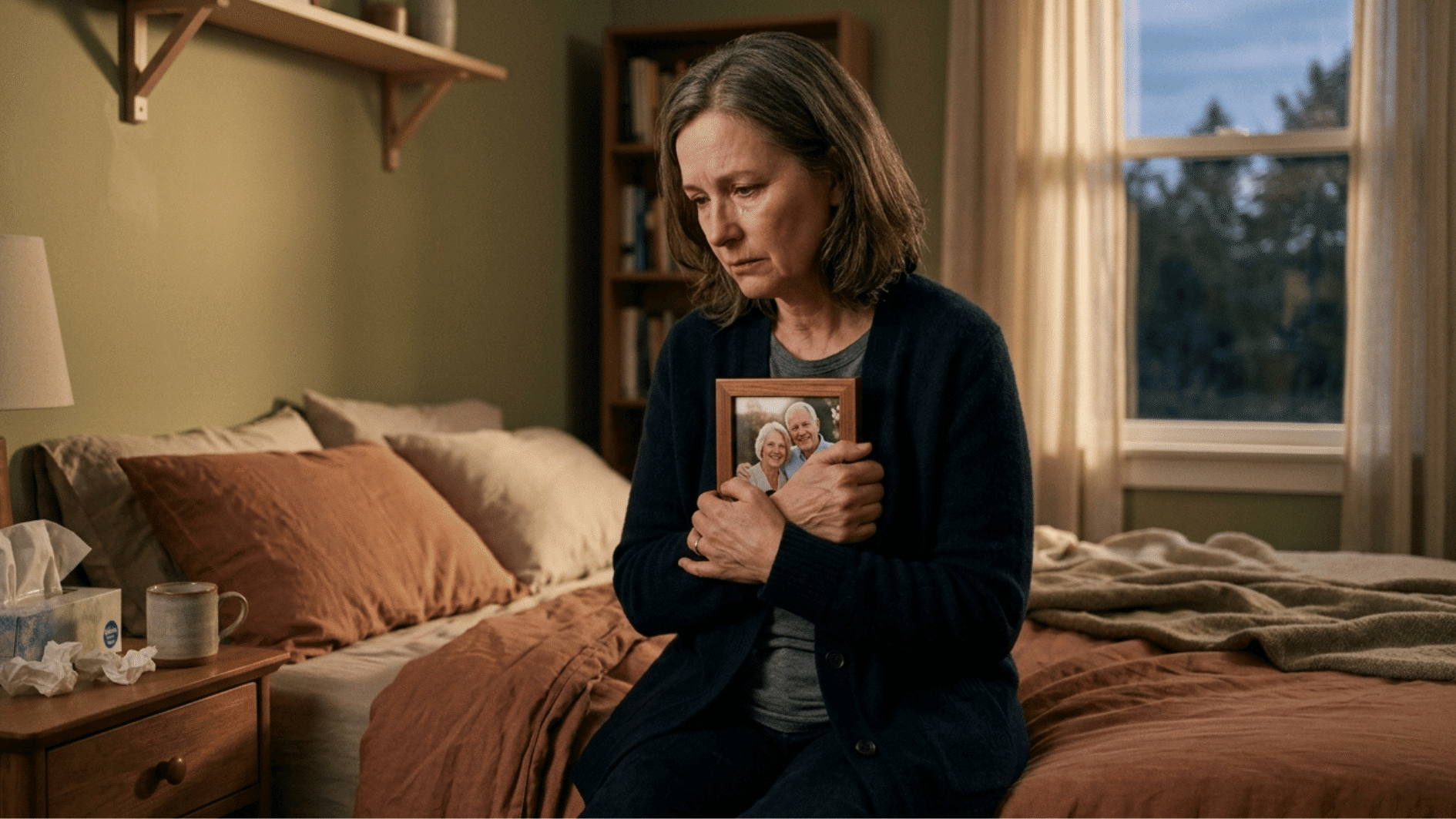
Online grief therapy has become a simple and flexible way for people to get emotional support without leaving their home.
1. Video-Based Sessions
Video sessions let a person talk to a therapist face-to-face through a screen. This format feels closer to in-person therapy and helps build trust and connection.
I find many people prefer it because they can see facial expressions and feel heard in real time. It also gives them space to observe emotional cues and respond with care.
Platforms:BetterHelp and Talkspace
2. Chat-Based Grief Support with Therapists
Chat therapy allows people to type their thoughts instead of speaking. It can feel easier for those who struggle to express emotions out loud.
Messages can be sent at any time, depending on the platform. This slower pace gives space to think before responding.
Many people find it easier to open up about grief when they are not being watched or heard by others.
Platforms: BetterHelp and 7 Cups
3. App-Based Self-Help Tools for Grief
Some apps offer guided exercises, journaling spaces, and daily check-ins for emotional support. These tools help people track feelings and reflect over time.
They are not a replacement for therapy but can support the healing process. Many users combine these tools for better structure.
This approach suits people who want to process grief at their own pace, without the pressure of live interaction.
Platforms: Talkspace, BetterHelp, and MyGrief
4. Online Grief Support Groups and Shared Healing
These groups connect people who have experienced similar losses. These groups may be moderated by professionals or run as peer communities.
Sharing experiences can reduce feelings of isolation and provide comfort. People often learn coping ideas from others in similar situations.
Many therapists recommend joining these groups, especially in cases of compound grief.
Platforms: GriefShare, 7 Cups, and private Facebook communities.
How to Compare Online Grief Therapy Platforms Safely?
Before choosing any online therapy platform, it’s important to check trust, safety, and quality of care. Here are the key points to compare:
- Licensed Therapists Only: Make sure the platform clearly shows therapist qualifications and licenses
- Transparent Pricing: Check subscription cost, session fees, and hidden charges
- Privacy Protection: Look for strong data privacy policies and secure communication
- Availability of Grief Support Groups: See if they offer group sessions along with individual therapy
- Evidence-Based Methods: Prefer platforms that use proven approaches like CBT or grief counseling techniques
- User Reviews and Ratings: Check real feedback from verified users, not just marketing claims
- Clear Scope of Help: Avoid platforms that promise instant healing or unrealistic results,
What is Compound Grief, and Why Does It Happen?
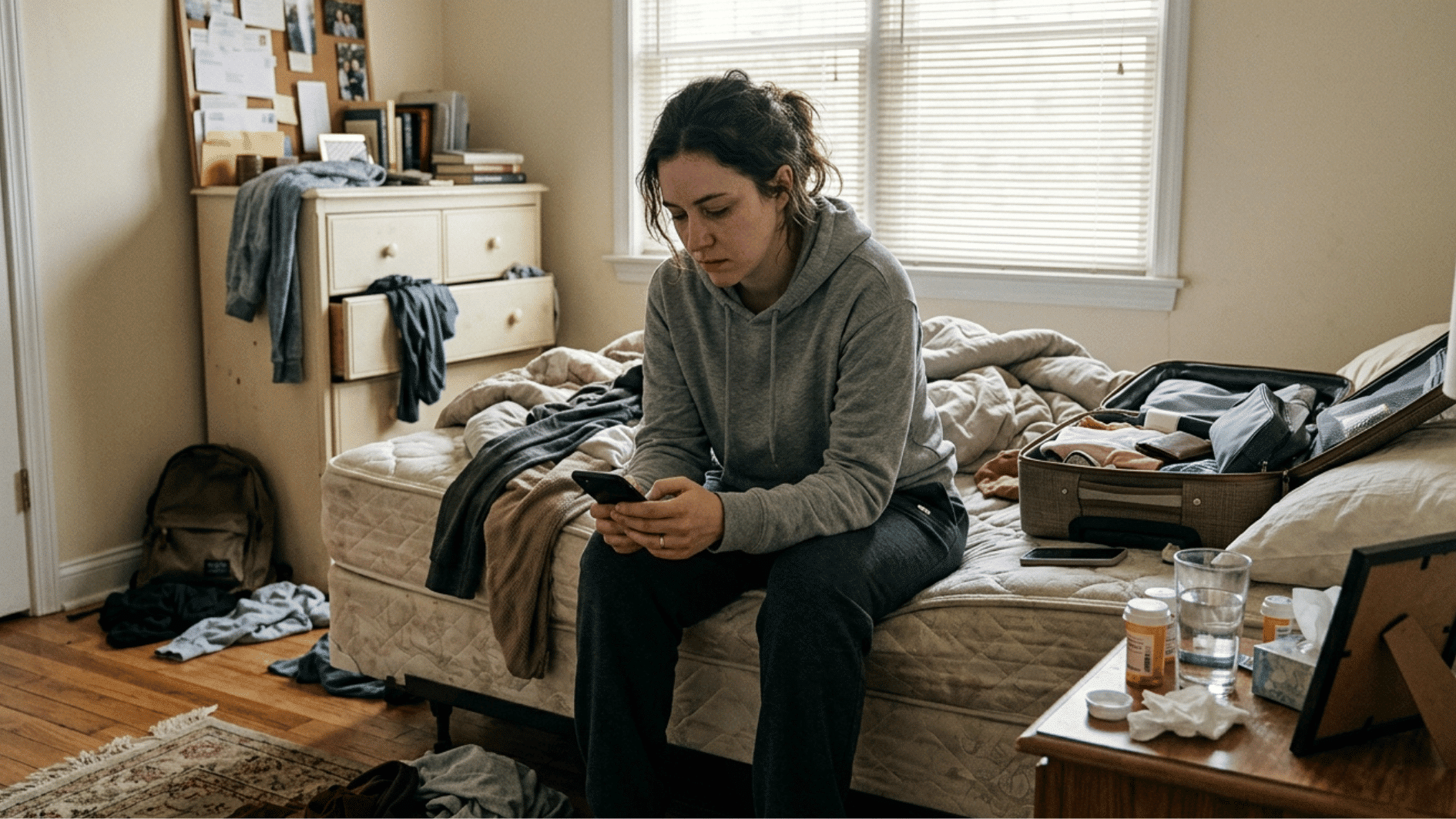
Compound grief is a situation in which a person experiences more than one significant loss or stressful life event within a short period of time.
Instead of having time to fully process one loss, emotions overlap and feel layered, which can make the experience feel heavier and more confusing.
In such cases, support like grief support groups and therapy can help people process feelings more slowly and clearly.
Why It Happens:
- Multiple losses happen close together in time
- A major loss is followed by another stressful life event
- Lack of time or space to process the first loss fully
- Ongoing life pressure (work, family, health issues) adds emotional strain
- Strong emotional attachment to more than one situation or person
- Limited support system during difficult periods
Real Experiences of Grief and Emotional Healing
People often share their most honest thoughts about grief on Reddit, where anonymous conversations reveal real emotions, struggles, and experiences of loss.
I Feel Like No One Understands My Grief AnymoreIn a r/GriefSupport thread, a user shared that after losing their mother, the hardest part wasn’t just the loss but how quickly people around them expected life to go back to normal. They wrote that conversations became awkward, and eventually they stopped talking about their grief in real life. The post received many replies from others saying they also turned to Reddit because it felt like the only place where their emotions were not rushed or judged. |
Grief Hits Me in Waves, Not StagesA widely shared idea in Reddit grief communities is that grief does not follow a straight timeline. In multiple r/GriefSupport discussions, users describe sudden emotional “waves” that come without warning, even months or years after loss. People in the thread often respond by saying this experience helped them stop feeling “broken” or abnormal, because they realized grief is unpredictable and long-term. |
I only Feel Safe Talking About My Loss on RedditIn Reddit grief forums, users frequently explain that they stopped discussing their emotions with family or friends because they felt misunderstood or pressured to move on. One common type of post describes turning to Reddit late at night just to write their feelings out anonymously. Commenters often respond with empathy and similar experiences, creating a sense of shared understanding that users say they couldn’t find offline. |
Grief Therapy and Grief Counseling: A Quick Difference
Grief therapy and grief counseling are both forms of emotional support after loss, but they differ in depth, structure, and focus.
| Aspect | Grief Therapy | Grief Counselling |
|---|---|---|
| Meaning | Long-term emotional treatment for complex or deep grief | Short-term support to help manage immediate grief |
| Focus | Healing deep emotional patterns and coping over time | Helping a person process a recent loss and adjust to daily life |
| Duration | Usually longer (weeks to months or more) | Usually shorter (a few sessions or a limited period) |
| Approach | More structured and clinical, often with techniques like CBT | More conversational and supportive |
| Best for | Complex cases like compound grief, trauma, or prolonged grief | Early stages of grief or mild-to-moderate emotional distress |
| Provider | Licensed therapists or clinical psychologists | Counselors, social workers, or trained mental health professionals |
| Goal | Deep emotional healing and long-term stability | Immediate coping and emotional support |
The Bottom Line
Grief is not something that can be measured or rushed, and every person experiences it differently. Some days may feel manageable, while others can feel unexpectedly heavy.
I’ve found that what helps most is having steady support, whether through grief therapy, grief support groups, or simply feeling understood by the people around you.
Even when emotions feel layered, like in compound grief, small steps toward support can slowly make things feel less overwhelming.
In the end, healing is not about forgetting the loss but about learning to carry it in a way that feels a little lighter over time.