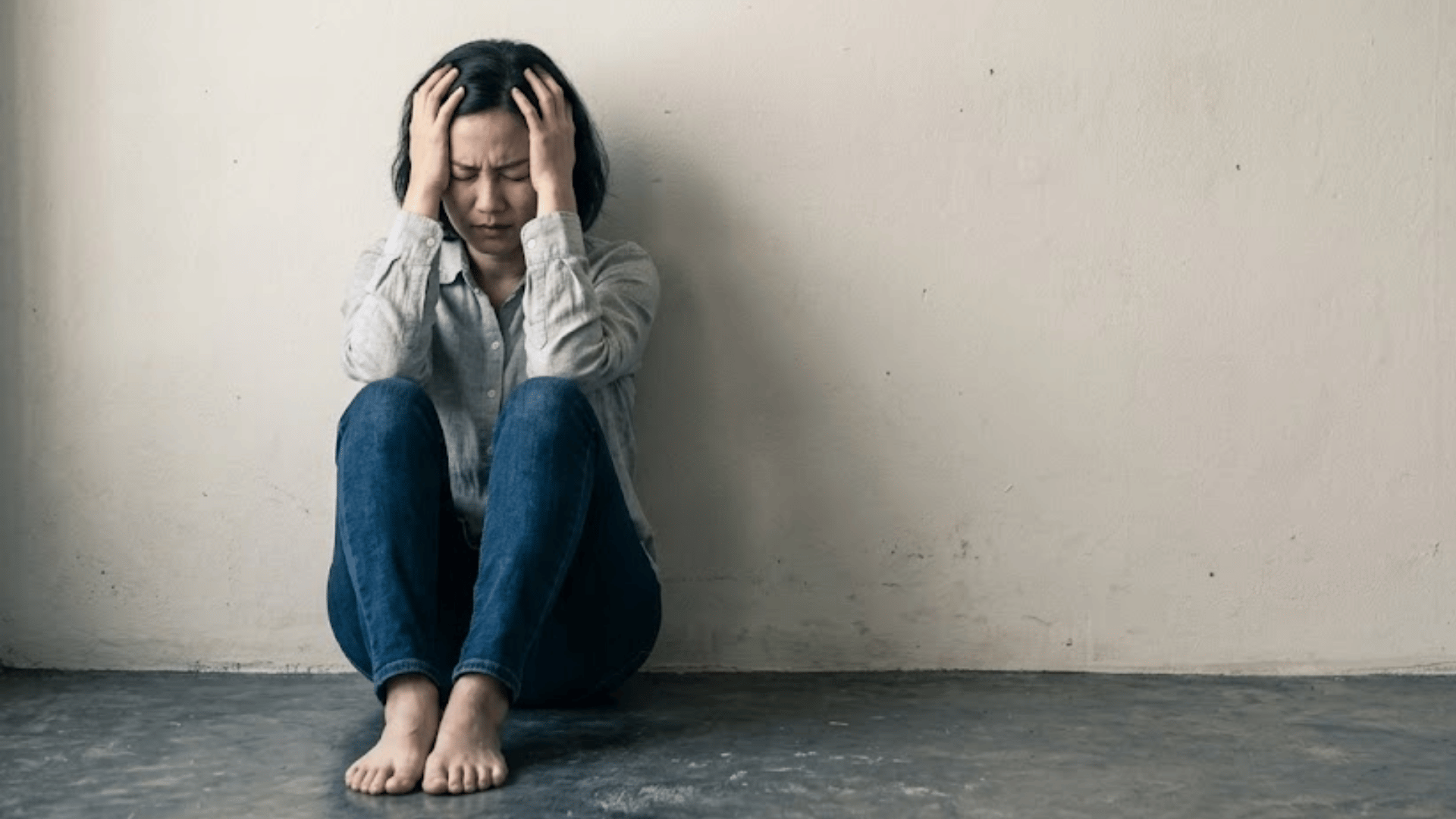

Depression does not always show up the way people expect. Sometimes it is not tears or a breakdown; it is just the flat and empty eyes.
It is one of the most visible and least talked about signs of what depression does to a person.
People close to those struggling often notice it first, and those living through it recognize it in themselves.
Whether it comes from long-term depression or situational depression after a painful life event, what shows in the eyes almost always points to something much deeper going on inside.
“The face is the mirror of the mind, and eyes without speaking confess the secrets of the heart.” — St. Jerome
Are “Depressed Eyes” a Medical Term or Just a Common Phrase?
The phrase depressed eyes is often used online to describe eyes that appear tired, sad, or emotionally distant.
It is important to understand that this is not a medical term. Instead, it is a description people use when they notice changes in someone’s appearance during emotional struggles.
Common Features of Depressed Eyes:
Not everyone with depression experiences these changes. Some people may appear cheerful on the outside while struggling internally.
- Dark circles under the eyes
- Puffy eyelids
- Less eye contact
- Reduced facial expression
- A tired appearance
- Eyes that seem less bright or engaged
Why Do People Use Terms Like “Dead Eyes” or “Empty Eyes”?
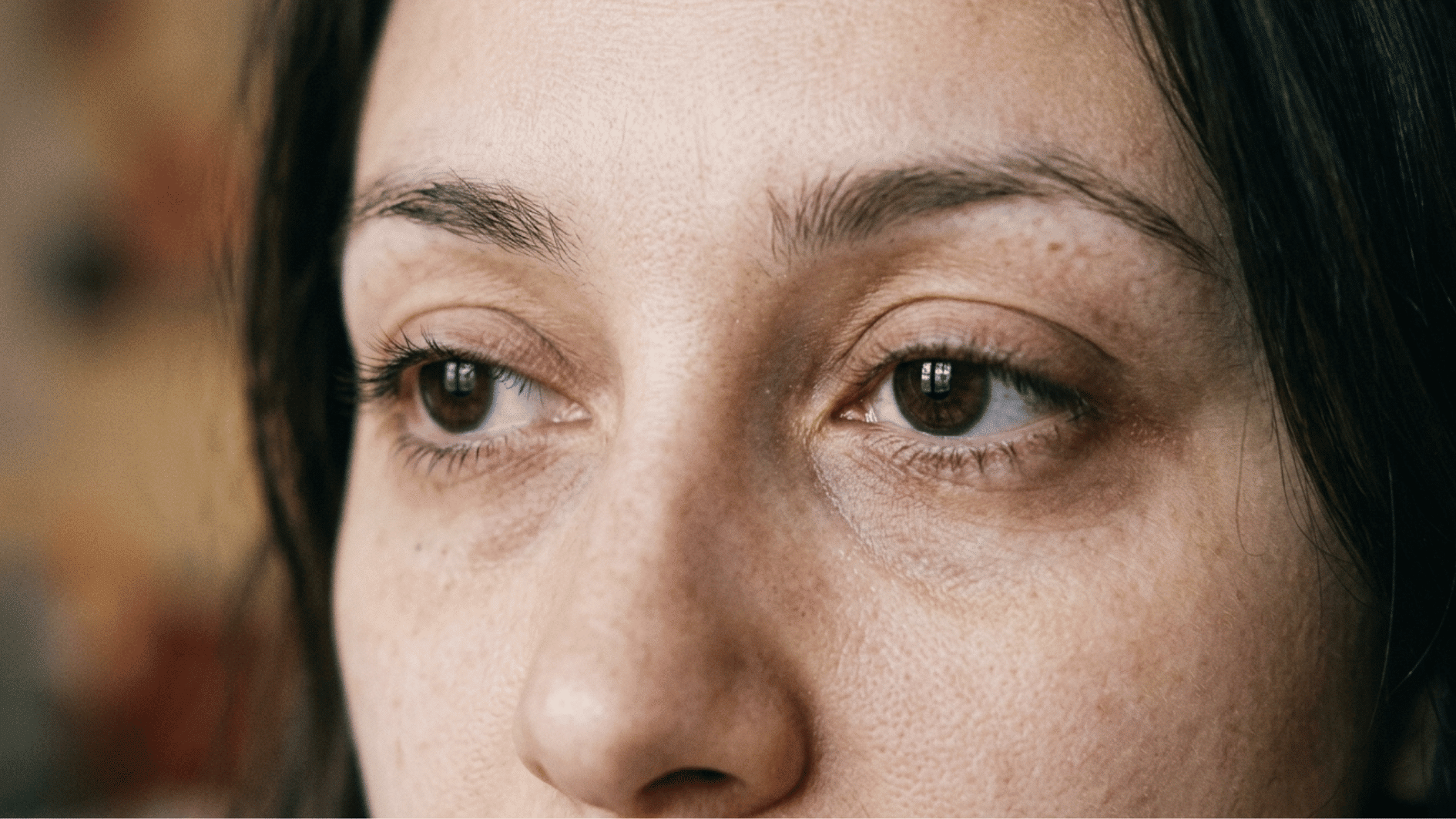
People sometimes use phrases like “dead eyes” or “empty eyes” to describe someone who appears emotionally exhausted, disconnected, or very sad.
These terms are often used on social media and in everyday conversation when someone seems to have lost energy or enthusiasm.
In many cases, people notice less eye contact, fewer facial expressions, or a distant gaze during emotional stress. However, these are subjective descriptions and not medical terms used by professionals.
Mental health conditions affect people differently, and appearance alone cannot explain what someone is going through.
It is important to focus on overall well-being rather than judging solely by appearance.
Why Can Depression Affect the Appearance of Your Eyes?
Depression affects both the mind and body. Some of the symptoms associated with depression may indirectly influence how the eyes and face appear.
1. Sleep Problems
Sleep issues are very common in depression and can affect how rested a person looks. Poor sleep often shows up around the eyes.
Common sleep-related effects include:
- Trouble falling asleep
- Waking up frequently at night
- Sleeping too much or too little
- Dark circles and puffiness
- Tired or dull appearance
2. Emotional Exhaustion
Depression can make even simple tasks feel heavy and draining. This emotional fatigue often shows in facial expressions and eye contact.
Common signs of emotional exhaustion include:
- Reduced smiling
- Less eye contact
- Fewer facial expressions
- Appearing withdrawn or distant
- Emotionally “flat” look
3. Stress and Fatigue
Long-term stress can affect both mental and physical health. It may reduce energy levels and make the face look tired.
Common effects of stress and fatigue include:
- Low energy throughout the day
- Poor concentration
- Muscle tension
- Ongoing tiredness
- Dull or fatigued facial appearance
4. Changes in Daily Habits
Depression can make it harder to maintain normal self-care routines. This may gradually affect skin health and appearance.
Common changes in daily habits include:
- Irregular eating habits
- Low water intake (dehydration)
- Reduced physical activity
- Poor sleep routine
- Lack of consistent self-care
What is Situational Depression?
It is not a formal medical diagnosis by itself, but it is commonly used to describe a mental health condition that develops after a stressful or life-changing event.
According to the National Institute of Mental Health (NIMH), it is generally classified as an adjustment disorder with depressed mood, affecting how a person feels, thinks, and functions after stress.
The World Health Organization (WHO) also recognizes stress-related mental health conditions that can occur after clear life events like loss or major change.
Similarly, the American Psychological Association (APA) explains that such conditions may include sadness, low energy, sleep problems, and difficulty coping with daily life.
How Situational Depression Can Change Your Look and Behavior?
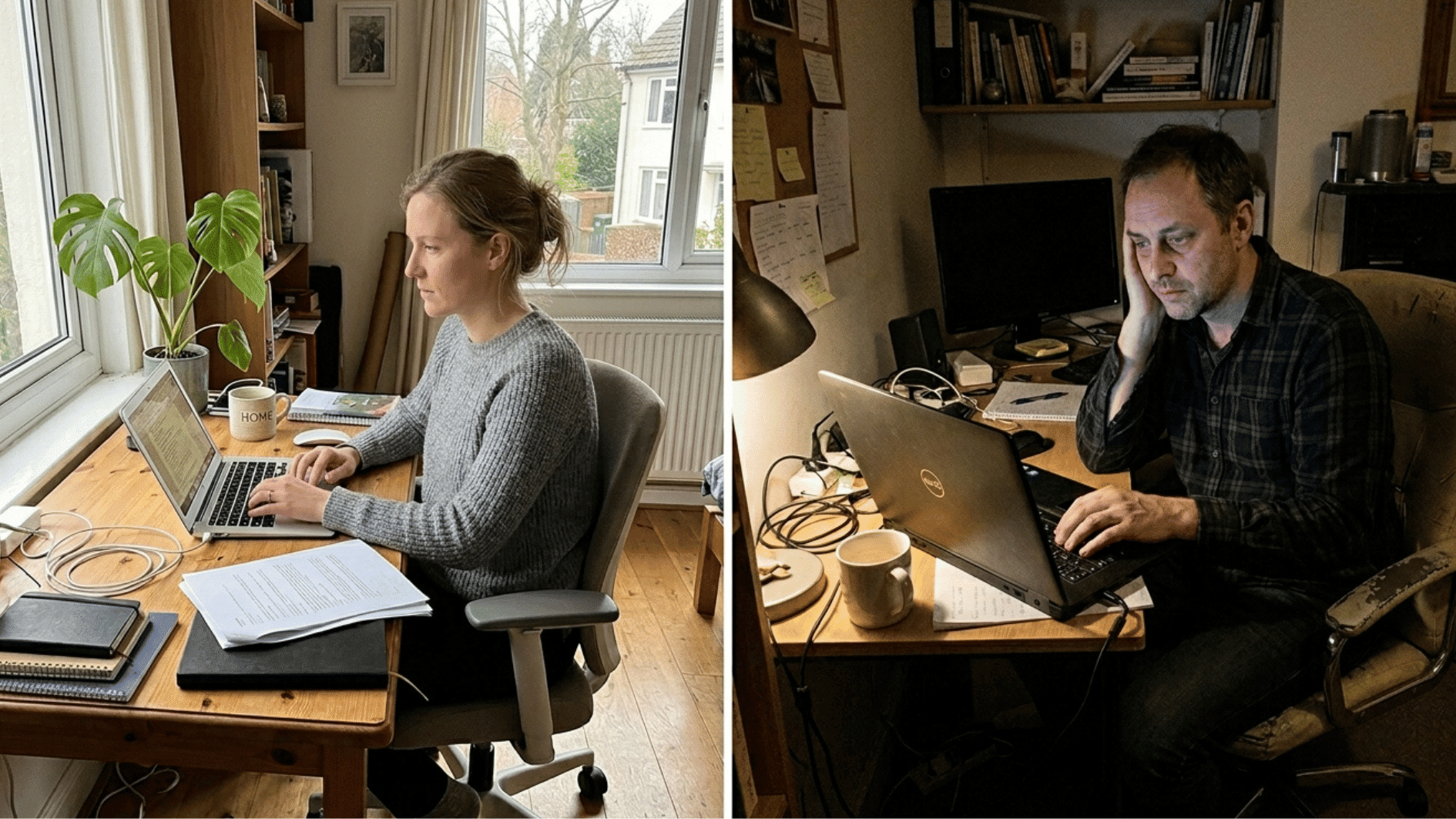
It can influence how a person looks by affecting sleep, energy, and daily self-care habits. These changes are usually indirect and vary from person to person.
- Tired-Looking Eyes: Poor sleep and emotional stress can cause dark circles and puffiness.
- Reduced Facial Expression: A person may smile less and appear emotionally withdrawn.
- Low-Energy Appearance: Fatigue can make the face look dull or less animated.
- Less Eye Contact: Emotional stress may cause avoidance of direct eye contact.
- Changes in Grooming Habits: Reduced motivation may affect personal self-care routines.
- Dull or Tired Skin Tone: Stress and poor rest may make the skin look less fresh.
- Slouched Posture: Low mood and fatigue may affect body posture and overall appearance.
Situational Depression Vs Major Depression: Key Differences
Knowing the difference between them helps recognize symptoms early and seek the right support when needed.
| Feature | Situational Depression | Major Depression |
|---|---|---|
| Cause | Triggered by a specific life event | May occur without a clear trigger |
| Medical term | Often called adjustment disorder with depressed mood | Clinically called major depressive disorder (MDD) |
| Duration | Usually short-term | Can last for weeks, months, or longer |
| Severity | Mild to moderate | Moderate to severe |
| Symptoms | Sadness and stress are linked to the event | Persistent sadness, loss of interest, hopelessness |
| Daily life impact | Temporary difficulty coping | Strong disruption in daily functioning |
| Recovery | Often improves with time and support | May need therapy or medication |
How to Manage “Depressed Eyes” During Stressful Times?
While this is not a medical condition, improving overall mental well-being can help reduce these visible signs over time.
- Getting enough sleep to reduce tired and puffy-looking eyes
- Managing stress through calm breathing or relaxation techniques
- Staying hydrated to support healthy skin and the eye area
- Taking short breaks from screens to reduce eye strain
- Eating balanced meals to support energy and mood
- Talking to supportive friends, family, or a counselor
- Maintaining a simple daily routine for stabilityand structure
Personal Experiences of People
In online mental health communities, people often share how emotional stress can change the way they feel and sometimes how their eyes appear, such as looking tired or emotionally distant.
People in r/depression describe tired or heavy-looking eyes during depression, especially during low-energy phases.
Many people in r/anxiety share that they start avoiding eye contact during emotional stress or situational depression.
Some users in r/depression say others told them they looked like they had “sad eyes” during difficult times.
Several people in r/depression say they avoided mirrors because they felt their eyes looked “different” or “lifeless”.
A common reflection is that the “change in eyes” is often linked more to emotional state than to actual physical change.- r/mental health
When Should You Seek Professional Help?
If emotional stress, sadness, or changes in mood continue for a long time, it may help to talk to a mental health professional.
Getting support early can make it easier to manage these feelings.
Some signs to look out for include feeling sad or empty for more than two weeks or feeling hopeless most of the time.
Changes in sleep, such as sleeping too much or having trouble falling asleep, can also occur.
A person may lose interest in things they once enjoyed and feel tired almost all the time. Other signs include difficulty focusing, staying away from friends or family, and withdrawing from social life.
If someone has frequent thoughts of self-harm or feels life is not worth living, it is very important to seek immediate help.
The Bottom Line
The eyes are often the first place depression becomes visible and the last thing people feel comfortable talking about.
Whether it is a subtle dullness or a complete absence of expression, what shows up in the eyes is real, and it deserves to be taken seriously.
If you recognize this look in someone you love, check in on them. If you see it in yourself, know that it is not permanent, and it is not something you have to carry alone.
Situational depression, grief, burnout, whatever the cause, the emptiness behind the eyes does not have to be the end of the story. Help exists, and things can change.
Frequently Asked Questions
Can Lack of Sleep Alone Cause “Depressed-Looking Eyes”?
Yes, poor sleep can cause dark circles, puffiness, and a tired appearance even without any mental health condition.
Should I Worry if My Eyes Look Dull for a Few Days?
Not necessarily. Temporary changes are often due to stress, fatigue, or lack of sleep, but persistent symptoms should be discussed with a professional.
Why Do People Associate Eyes with Emotions Like Sadness?
Humans naturally read emotions from facial expressions and eye contact, so the eyes are often associated with feelings like sadness or fatigue.
Is It Normal for Eyes to Look Different During Emotional Stress?
Yes, emotional stress can change facial expressions and eye contact, which may temporarily make eyes look less expressive.