Social anxiety rarely has a clear starting point. The exact day it began is often impossible to identify, and no single cause explains it.
Decoding what causes social anxiety means looking at several influences together, and each accounts for only one part, which is why the answer differs from person to person.
Before examining each cause, let’s first clarify what social anxiety is and why it goes well beyond shyness.
|
Social anxiety happens when your genes, brain, personality, and life experiences work together to make social situations feel intimidating. |
|---|
What is Social Anxiety Exactly?
Social anxiety is a strong fear of being judged, embarrassed, or rejected in social situations.
Unlike ordinary shyness, which tends to be mild and short-lived, social anxiety involves intense fear that lingers and leads to avoidance.
For example, feeling nervous before a presentation or meeting new people is normal, but when the fear lasts for months and gets in the way of work, school, or relationships, doctors call it social anxiety disorder.
A person may spend a lot of time thinking about mistakes or how others see them.
The Hidden Roots of Social Anxiety
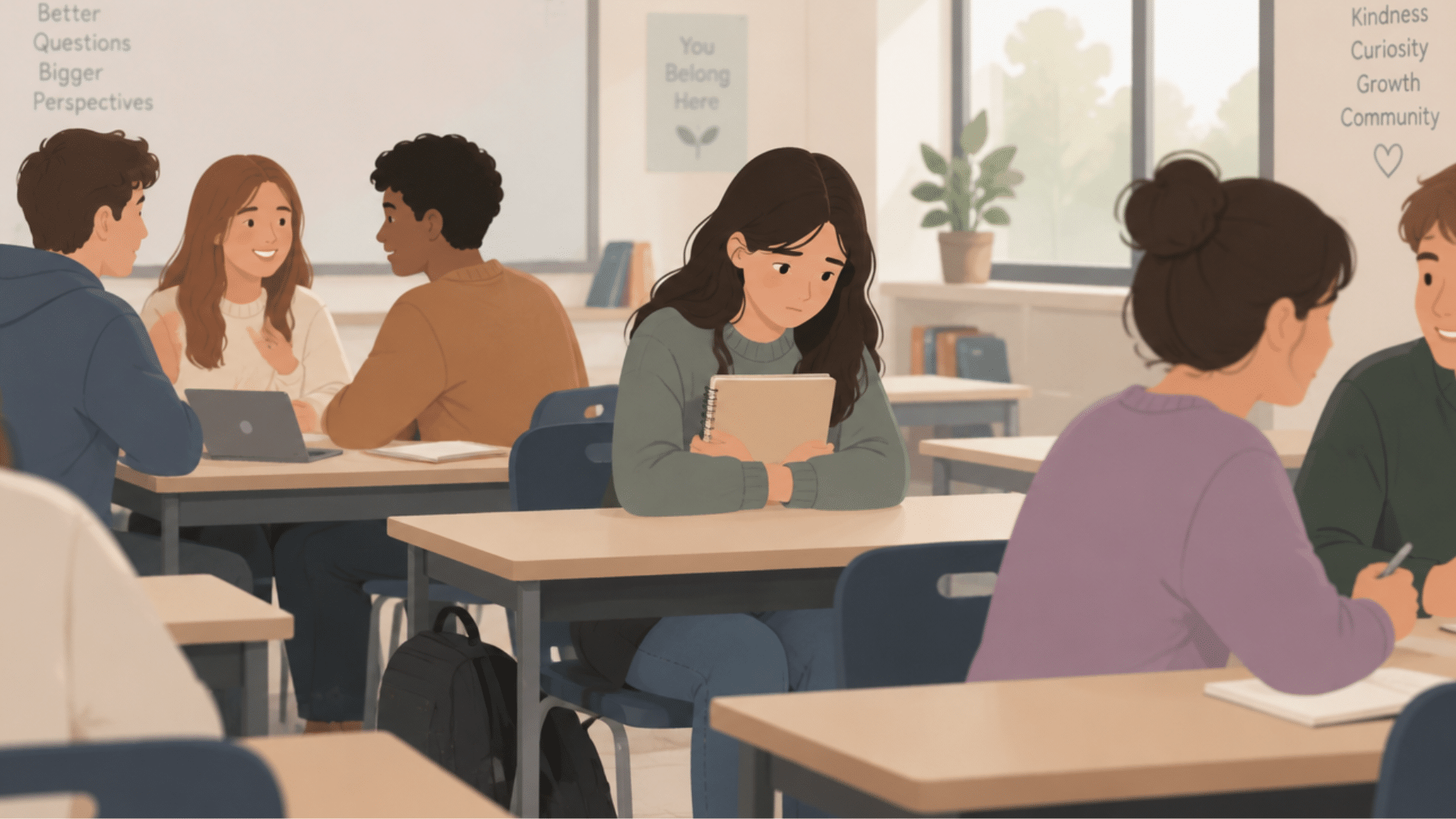
1. Genetic Factors and Family History
Anxiety can sometimes run in families. People with a close family member who experiences anxiety may have a higher chance of developing similar concerns.
Inherited traits may affect how strongly someone responds to stress or fear. Genetics doesn’t decide everything, but it can make some people more sensitive to stressful situations.
2. Brain Chemistry and How the Brain Responds to Stress
A 2009 Emory University review found that several brain areas work together to handle fear and anxiety, and genes influence how those areas function
The amygdala, a small brain structure that helps control the fear response, may be overactive in some people, which can make social moments feel more threatening than they are.
This can create stronger reactions, such as racing thoughts, nervousness, or physical tension.
Brain chemicals such as serotonin, which help regulate mood and fear, may also work differently in people with social anxiety.6
3. Temperament and Personality Traits
Some children are cautious from the start. They go quiet, cling to a parent, or pull back around new people and places.
Children who are shy, timid, or withdrawn in new situations are at greater risk of social anxiety disorder later.
Being introverted does not mean someone has social anxiety; they usually prefer quieter settings by choice, while social anxiety brings fear and avoidance of situations a person would otherwise want to take part in.
4. Childhood Experiences and Early Life Factors
Early experiences can shape how a person views social situations.
Children who are teased, bullied, rejected, or humiliated are more prone to social anxiety disorder, and family conflict, trauma, or abuse may also play a part, since childhood trauma shows up later in many ways.
A lack of emotional support during childhood can also affect confidence.
Social anxiety can also be learned. Children may pick it up from parents who are anxious around other people, or from parents who are very controlling or overprotective.
5. Environmental Factors that May Trigger Social Anxiety
A person’s surroundings can affect their comfort in social situations. Pressure from family, school, or work may increase stress and self-doubt.
Comparing yourself with others or going through major life changes can also intensify social fears. Ongoing stress may also make it harder to feel relaxed around people.
Why Do Some People Develop Social Anxiety While Others Do Not?
Social anxiety develops differently from person to person.
Confidence Levels
A person’s sense of self-confidence can affect social comfort. Low confidence can make social situations feel riskier, while stronger confidence can make them feel easier to handle.
Coping Habits
Avoiding social situations brings quick relief but keeps the fear alive, while facing them gradually builds comfort.
Available Opportunities
Regular chances to interact with others can help people become more comfortable socially. Fewer positive social experiences may leave someone feeling less prepared in group settings.
The Social Media Link to Social Anxiety
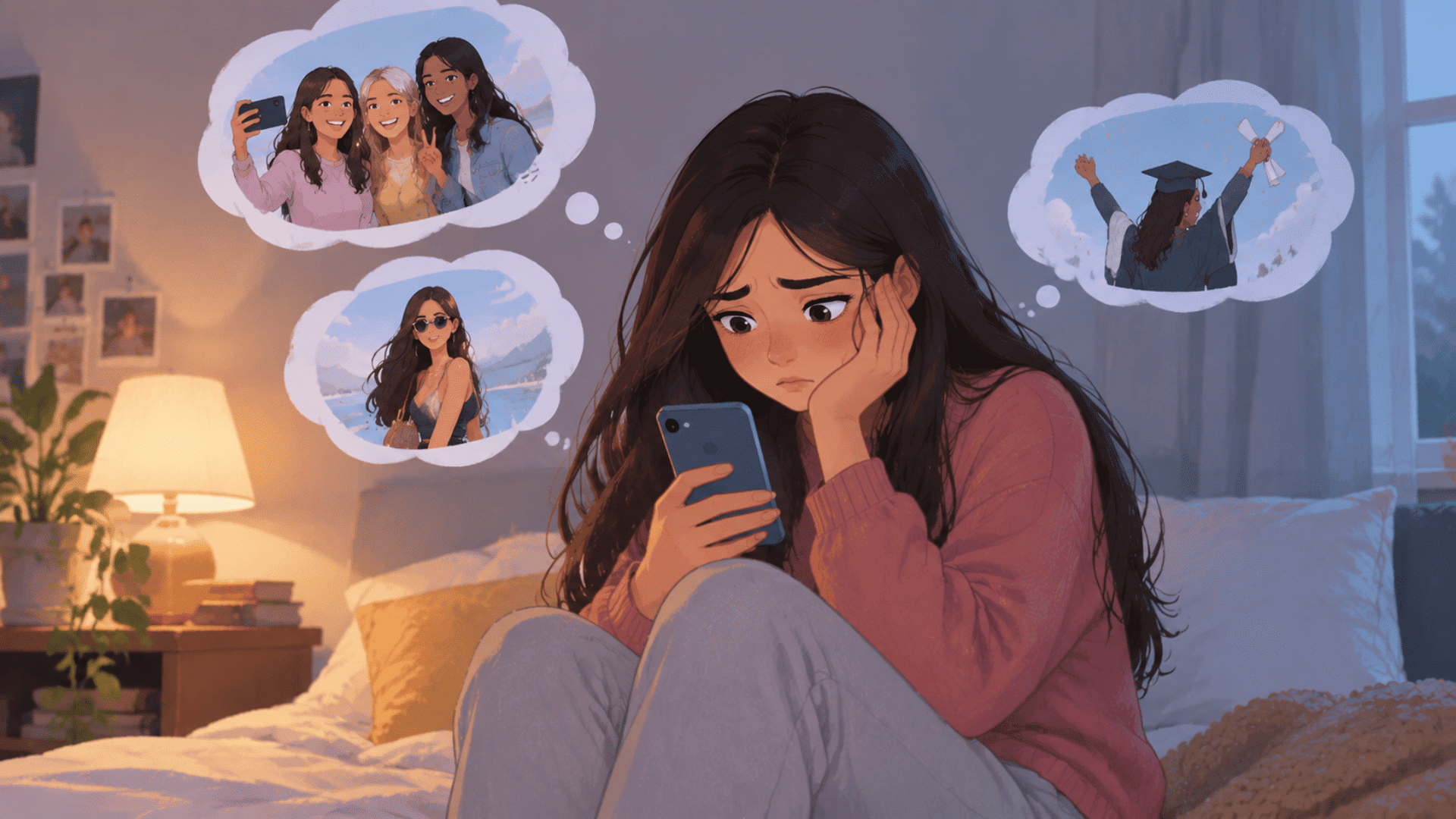
Social media can sometimes increase worry, comparison, and self-doubt. Seeing carefully selected posts, achievements, or edited images may make some people feel that others are more confident or successful.
This can create pressure to appear perfect or seek approval through likes and comments. For some individuals, fear of criticism, negative reactions, or online judgment may increase stress.
Spending more time communicating online may also reduce opportunities for face-to-face interactions.
Online communities can also offer connection and support.
When Should You Get Help for Social Anxiety?
It is time to see a doctor or therapist when social fear starts to get in the way of school, work, or time with friends and family.
To diagnose social anxiety disorder, a provider looks for a strong fear of social situations that has lasted at least six months and interferes with daily life.
Cognitive behavioral therapy is the best-studied talk therapy for social anxiety.
A form of Cognitive behavioral therapy called exposure therapy helps a person face feared situations step by step. Some people are also offered medication, and many find a support group helpful.
Frequently Asked Questions
Can Social Anxiety Affect Physical Health?
Yes. Ongoing anxiety can affect the body by causing symptoms such as muscle tension, tiredness, sleep difficulties, or frequent stress responses. Managing anxiety can help reduce these effects.
Can Social Anxiety Happen with Other Mental Health Conditions?
Yes. Some people experience social anxiety along with conditions such as depression or other anxiety disorders. A mental health professional can help identify overlapping concerns.
Does Social Anxiety Affect Children and Teenagers?
Yes. Social anxiety can begin during childhood or adolescence. It may show up as avoiding classroom participation, difficulty making friends, or a strong fear of being judged by others.
Can Social Anxiety Start in Adulthood?
Yes. It usually begins in childhood or the teenage years, but it can start later. New pressures, such as meeting many new people, giving a speech, or making an important work presentation, can trigger symptoms for the first time.