
Many people live with intense emotional pain that is directed inward instead of expressed openly, leaving them misunderstood by others and sometimes even by themselves.
I have noticed that BPD is often associated only with visible conflict or emotional outbursts. The research paints a more nuanced picture, showing that emotional distress can also become deeply internalized.
In this blog, I’ll explain quiet BPD, discuss its characteristics, signs, symptoms, possible causes, treatment options, and when professional support may be helpful.
Disclaimer: This blog is for educational purposes only and is not a substitute for professional mental health care, diagnosis, or treatment.
What is Quiet BPD?Quiet BPD is a hidden form of Borderline Personality Disorder. The pain turns inward rather than erupting into conflict. A person may look calm on the outside while feeling shame, self-blame, or fear of rejection inside. The term is not an official diagnosis in the DSM-5. The American Psychiatric Association defines BPD as a condition marked by unstable emotions, relationships, and self-image. With quiet BPD, these struggles hide behind withdrawal, not outbursts. This is why the condition is often mistaken for anxiety, depression, or shyness, and it can delay proper diagnosis. |
Characteristics of Quiet BPD
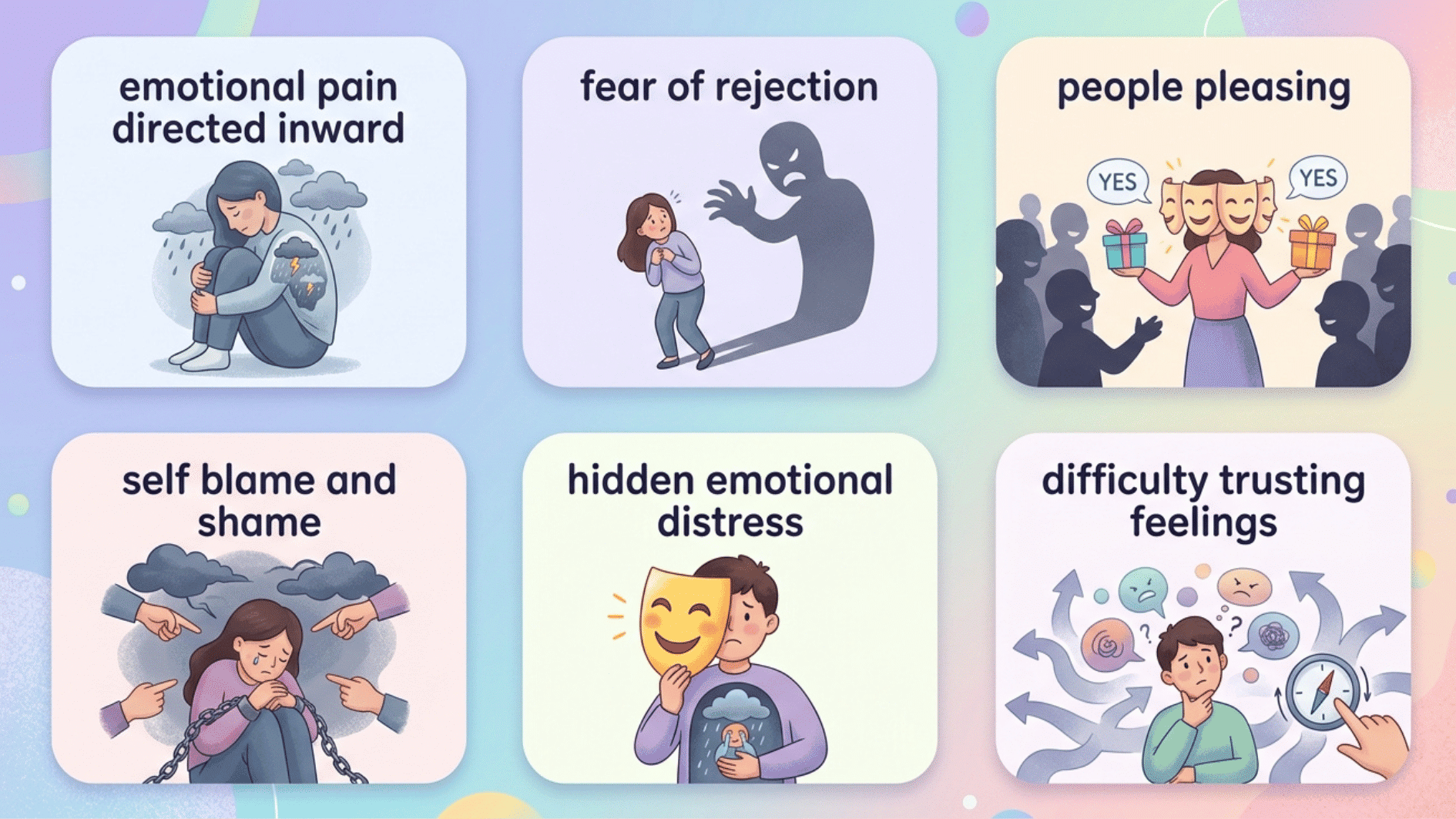
These characteristics are not separate diagnostic criteria. Instead, they describe emotional and behavioral patterns that researchers and clinicians commonly observe in people with this presentation.
- Emotional Pain Is Directed Inward: Instead of expressing anger toward others, many people criticize themselves, suppress difficult emotions, or carry overwhelming guilt after conflicts.
- Strong Fear of Rejection without Outward Confrontation: The possibility of losing a relationship may create intense anxiety. Rather than arguing, a person may quietly distance themselves, a pattern closely related to healing anxious attachment.
- People-Pleasing to Avoid Conflict: Trying to keep everyone happy can become a way to reduce the fear of rejection or abandonment. Personal needs are often pushed aside.
- Persistent Self-Blame and Shame: Even when situations are outside their control, many people assume they are responsible for problems in relationships or everyday life.
- Hiding Emotional Distress: Someone may appear calm at work, school, or social events while privately experiencing overwhelming emotional pain.
- Difficulty Trusting Personal Feelings: Many people question whether their emotions are valid, making it harder to ask for support or set healthy boundaries.
Know About Symptoms of Quiet BPD
Symptoms can affect emotions, relationships, self-image, and everyday functioning. Some also overlap with depression, anxiety, or trauma-related conditions, which may delay an accurate diagnosis.
1. Rapid Emotional Shifts
Emotions can change quickly after criticism, distance, conflict, or a small sign of rejection. The reaction may feel intense inside, even if very little is shown outwardly.
A person may move from calm to ashamed, anxious, or deeply hurt within minutes.
2. Chronic Feelings of Emptiness
Emptiness can feel like an ongoing sense of disconnection, numbness, or a lack of clarity about what feels meaningful, the same territory covered in why do I feel empty. It may appear even when life looks stable from the outside.
Some people try to fill this feeling through approval, overworking, relationships, or constant distraction. The relief often fades quickly, which can make the emptiness return.
3. Intense Self-Criticism
Self-criticism often becomes stronger after mistakes, disagreements, or moments of perceived rejection. Instead of seeing a situation as difficult, the person may see themselves as the problem.
This can lead to harsh inner thoughts, guilt, or shame that lasts longer than the event itself. Over time, it may make asking for help or accepting reassurance much harder.
4. Unstable Self-Image
A person’s sense of identity, values, goals, or self-worth may shift depending on mood, relationships, or recent experiences. They may feel confident one day and deeply unsure the next.
This does not mean they are being false or dramatic.
5. Fear of Abandonment
Even small changes in tone, delayed replies, or canceled plans may trigger intense worry about being rejected or left. The fear can feel urgent, even without clear evidence.
Instead of asking directly for reassurance, some people withdraw, over-apologize, or become overly agreeable. This can make relationships feel emotionally exhausting.
6. Dissociation During Stress
During overwhelming stress, a person may feel detached from their body, emotions, surroundings, or thoughts.
It can feel like going numb, zoning out, or watching things happen from a distance, a experience that also shows up among the symptoms of complex PTSD.
Dissociation is often the mind’s way of reducing emotional overload. If it happens often, it is worth discussing with a mental health professional.
7. Self-Harm or Self-Punishing Behaviors
Some people cope with intense emotional pain through self-harm, self-sabotage, or other self-punishing behaviors. These actions usually signal distress rather than attention-seeking.
Support should be compassionate and immediate, especially if safety is at risk. A licensed mental health professional can help build safer ways to manage emotional pain.
What Causes Quiet BPD?
Borderline Personality Disorder develops through the interaction of several biological, psychological, and environmental influences rather than one single cause.
- Genetics: Inherited traits may influence emotional sensitivity and increase vulnerability, although genetics alone does not determine whether someone develops the disorder.
- Childhood Adversity: Early abuse, neglect, instability, or chronic stress may increase risk. The CD’s ACEs research shows that early adversity can affect lifelong mental health.
- Emotional Invalidation: Growing up where emotions were dismissed, criticized, or ignored may make it harder to recognize and regulate feelings later in life.
- Temperament: Some people naturally experience emotions more intensely, which can make emotional regulation harder under stress or during conflict.
Signs of Quiet BPD

Because emotional struggles remain largely hidden, the people closest to someone may only notice subtle changes in behavior rather than obvious emotional outbursts.
| Sign | What It May Look Like |
|---|---|
| Social withdrawal | Pulls away from others instead of arguing |
| Fear of abandonment | Frequently worries that relationships will suddenly end |
| Emotional masking | Appears calm despite feeling emotionally overwhelmed |
| Excessive apologizing | Accepts blame for situations beyond personal control |
| Perfectionism | Avoid mistakes to reduce the chance of criticism |
| Difficulty expressing anger | Turns frustration inward rather than communicating it |
Everyday Strategies That May Help
Self-care does not replace professional treatment, but daily habits can strengthen emotional resilience and reinforce the progress made during therapy.
- Track Emotional Triggers: Writing down emotions and situations can reveal recurring patterns over time.
- Practice Self-Validation: Acknowledge your emotions without immediately judging or dismissing them.
- Use Grounding Techniques: Slow breathing, mindfulness, or sensory exercises may help during overwhelming moments.
- Create Predictable Routines: Regular sleep, meals, and movement support emotional stability.
- Strengthen Healthy Relationships: Spend more time with people who respect your boundaries and communicate consistently.
- Develop Distress Tolerance Skills: Learn coping strategies before emotional situations become overwhelming.
- Celebrate Gradual Progress: Small improvements deserve recognition because lasting change often unfolds over time.
- Practice Self-Compassion: Treat yourself with the same patience and understanding you would offer someone you care about.
When to Seek Professional Support?
Professional support can help when emotional pain begins to affect relationships, work, school, or daily responsibilities.
Reaching out is especially important if intense anxiety or depression keeps returning.
It is important to get help if conflict feels overwhelming or fear of rejection leads to withdrawal or emotional shutdown. These patterns can become easier to understand with the right guidance.
If self-harm thoughts, self-punishing behaviors, hopelessness, or suicidal thoughts appear, support should be immediate.
Note: Start by speaking with your primary care doctor or a licensed mental health professional. If you are in immediate crisis, contact emergency services or or use FindTreatment.gov to locate mental health services.
Wrapping it Up
Living with quiet BPD can feel isolating, particularly when emotional pain remains hidden beneath a calm outward appearance.
With greater awareness, supportive relationships, and evidence-based treatment, many people learn healthier ways to understand and regulate their emotions over time.
Although recovery looks different for everyone, recognizing hidden emotional struggles is often the first step toward receiving compassionate, effective support.
Frequently Asked Questions
Is Quiet BPD More Common in Women?
BPD is diagnosed more often in women, but men can experience it too. Hidden symptoms may be overlooked in any gender.
Can Quiet BPD Affect Friendships?
Yes. A person may fear rejection, overthink small changes, withdraw suddenly, or avoid honest conversations to prevent conflict.
What Should You Not Say to Someone with Quiet BPD?
Avoid saying they are “too sensitive” or “overreacting.” Calm validation and respectful boundaries are usually more helpful.
Can Quiet BPD Improve with Age?
For many people, symptoms become more manageable over time, especially with therapy, emotional regulation skills, and steady support.