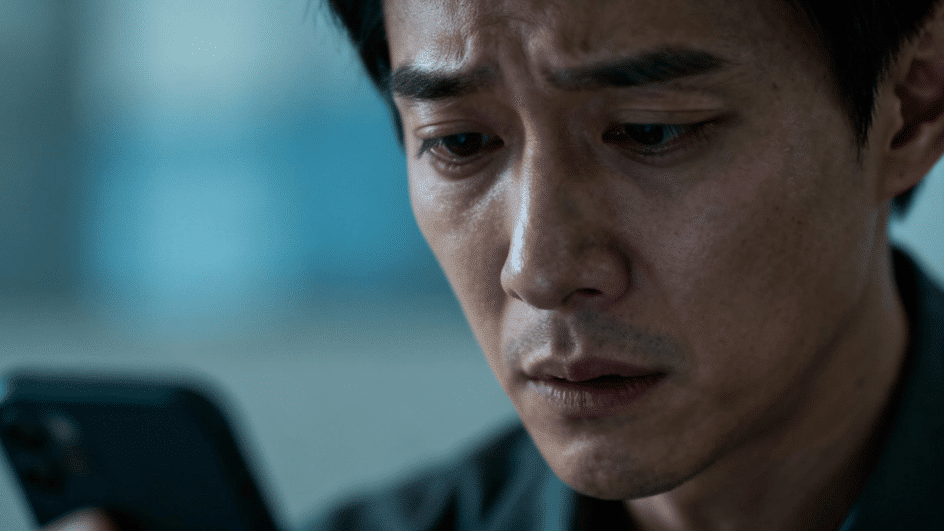
A harsh word from a colleague or a text left unread. For most people, feedback meant to be constructive hurts briefly and then passes.
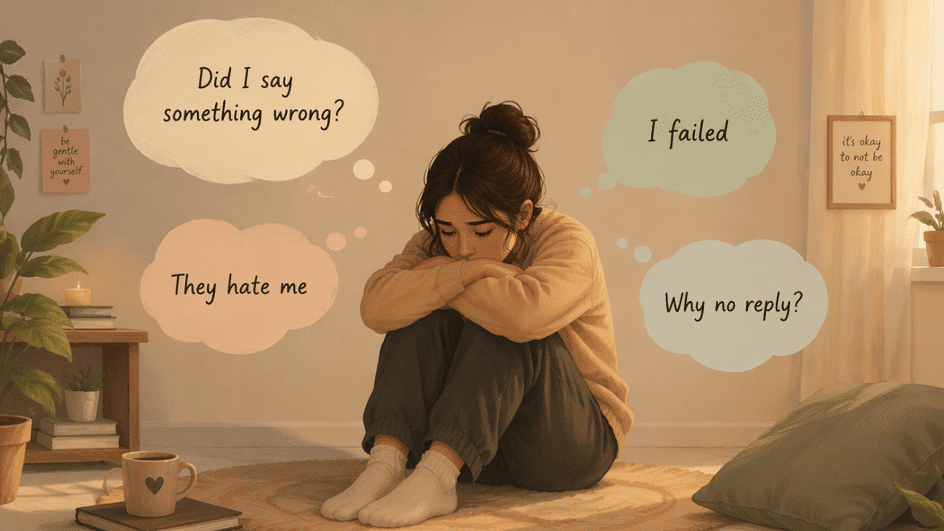
For someone with rejection-sensitive dysphoria, rejection can trigger an emotional response so intense it feels physically overwhelming, with feelings of shame, anger, or despair arising within moments.
RSD is one of the least talked-about aspects of ADHD, yet for many, it shapes how they work, how they love, and how they see themselves.
In this blog, I’ll cover what is rsd adhd, what causes it, and whether it can actually be managed.
What is RSD ADHD?RSD (Rejection Sensitive Dysphoria) is intense, disproportionate emotional pain triggered by perceived rejection or criticism, commonly experienced by people with ADHD. ADHD is commonly linked to inattention and impulsivity, but it also affects emotional regulation. A review in PubMed Central (PMC) found this affects up to 70% of adults with ADHD. The word perceived is what sets RSD apart. Rejection does not need to be real or intentional. A delayed reply or neutral feedback is enough to trigger a reaction that feels immediate, deeply personal, and hard to control. |
Is RSD an Official Diagnosis?
No, RSD is not an official diagnosis in the Diagnostic and Statistical Manual of Mental Disorders (DSM-5).
However, many clinicians recognize it as a meaningful way to describe the intense emotional experiences reported by some people with ADHD.
While research continues to explore RSD, recognizing these emotional experiences can help people better understand their challenges and seek appropriate support when they begin to interfere with daily life.
What Causes Rejection Sensitive Dysphoria?
RSD does not have a single known cause, but research points to a few contributing factors.
The Brain Mechanism Behind RSD
The amygdala acts as the brain’s alarm system, quickly detecting emotional threats such as rejection or criticism. The prefrontal cortex normally steps in to add context and slow that response down.
Dopamine signaling differences, common in ADHD, can make it harder for the prefrontal cortex to do its job effectively.
As a result, feelings of rejection or criticism can intensify quickly, often before there is time to pause, reflect, or reframe the situation.
Other Contributing Factors
ADHD is not a single, uniform condition.
Different types of ADHD exist, each with its own symptom pattern, which is partly why RSD intensity varies so much from person to person.
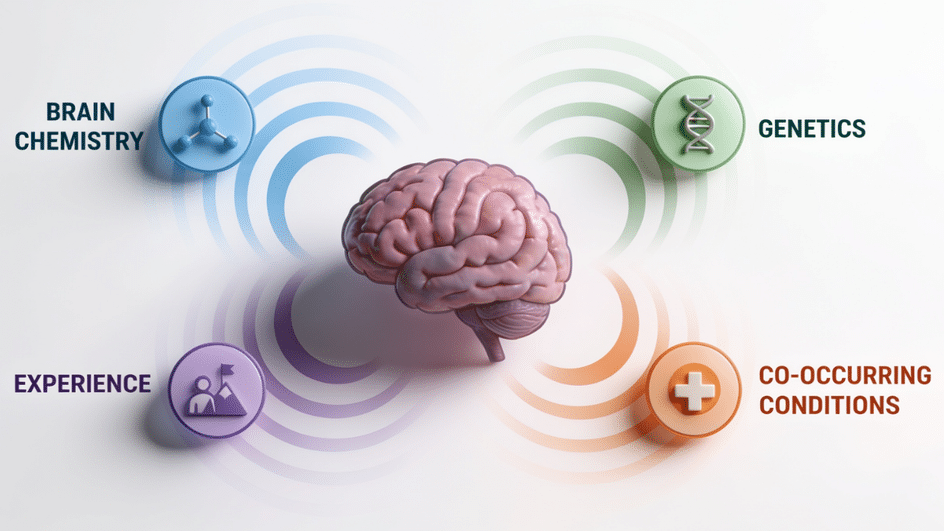
A few other factors build on this neurological foundation:
- Brain chemistry: Differences in dopamine and norepinephrine affect how intensely emotional pain is processed
- Genetics: ADHD and emotional dysregulation tend to run in families together
- Accumulated experience: Repeated criticism or social difficulty over time can deepen sensitivity to rejection
- Co-occurring conditions: Anxiety, depression, and mood disorders can amplify emotional responses even further
Rejection Sensitive Dysphoria Symptoms: Emotional and Behavioral Signs
RSD symptoms do not always look dramatic from the outside, but on the inside, they can be consuming.
What I find clinically significant is how disproportionate the reaction often is to what actually triggered it, and how quickly it takes hold once it starts.
| Emotional Symptoms | Behavioral Signs |
|---|---|
| Intense emotional pain in response to perceived criticism or rejection | People-pleasing driven by fear of disapproval, not a genuine desire to help |
| Sudden, overwhelming mood shifts that feel impossible to control | Avoidance of situations where rejection feels possible |
| Shame spirals that turn one small moment into a broader belief of being fundamentally flawed | Outward anger or irritability when the emotional pain is not processed inward |
How RSD May Affect Work, Relationships, and Daily Life
Over time, these emotional patterns begin shaping decisions and behavior in ways that are easy to overlook.
- At work: Fear of criticism can lead to avoiding sharing ideas, over-preparing to an exhausting degree, or shutting down after feedback that was never intended to harm.
- In relationships: A partner needing space or a friend canceling plans can feel like rejection. This often leads to withdrawal or a need for reassurance that strains even strong relationships over time.
- In daily life: The toll is quieter but constant. Replaying conversations, avoiding social situations, second-guessing every interaction. It is a kind of exhaustion that is difficult to explain to someone who has not lived it.
Rejection Sensitive Dysphoria Vs Normal Sensitivity to Rejection
Everyone feels hurt by rejection at some point. With RSD, the differences often lie in how quickly the reaction appears, how intense it feels, and how long it continues to affect the person afterward.
| Parameters | Normal Sensitivity | Rejection Sensitive Dysphoria |
|---|---|---|
| Onset | Gradual, builds after the event | Immediate, arrives within seconds |
| Intensity | Proportionate to the situation | Overwhelming, often feels unbearable |
| Duration | Fades with time and context | Can linger or resurface repeatedly |
| Trigger | Usually clear and significant | Can be minor, vague, or perceived |
| Physical response | Mild discomfort | Can feel physically painful |
| Ability to self-regulate | Generally manageable with time | Difficult to control once triggered |
| Impact on behavior | Temporary change in mood | Can alter decisions, relationships, and daily patterns |
| Response to reassurance | Usually helps | May provide only brief or partial relief |
Can Rejection Sensitive Dysphoria Be Managed?
Yes. While rejection-sensitive dysphoria (RSD) does not have a specific treatment, its symptoms can often improve by addressing ADHD and strengthening emotional regulation skills.
I encourage people to focus on steady progress rather than immediate change. A mental health professional may recommend:
- Cognitive Behavioral Therapy (CBT): Helps identify thought patterns that fuel intense reactions to rejection
- Other evidence-based therapies: Can support healthier coping strategies tailored to the individual
- ADHD Treatment, Including Medication when Appropriate: May improve focus and impulse control, which often supports better emotional regulation
- Mindfulness Practices: Create a small but valuable pause between a trigger and the emotional reaction
- Grounding Techniques: Help bring attention back to the present moment when emotions start to escalate
- Healthy Routines: Consistent sleep, exercise, and structure can make the nervous system less reactive over time
The Bottom Line
Knowing what you are experiencing while understanding what is rsd adhd is not a small thing.
For many people, putting a name to these emotional responses and understanding why they happen brings real relief on its own.
RSD is manageable. Progress may be gradual, but with the right support, it is possible to build a life where intense emotional reactions no longer make the decisions for you.
If any part of this resonated, that is a sign worth paying attention to. Speaking with a licensed mental health professional who understands ADHD is where that conversation can begin.
Frequently Asked Questions
Can Children Have Rsd?
Yes. Children with ADHD can experience RSD, often showing up as meltdowns, school refusal, or difficulty maintaining friendships. It is frequently mistaken for behavioral problems.
How Do I Know if I Have Rsd or Anxiety?
Anxiety involves broader, ongoing worry across multiple areas of life. RSD is more specific, triggered primarily by rejection, criticism, or perceived failure. Both can coexist, which is why a professional evaluation is the most reliable way to understand what drives the emotional experience.
Can Rsd Affect Romantic Relationships Specifically?
Yes. A partner’s silence or a shift in tone can feel like rejection even when none was intended. This can create cycles of reassurance-seeking or withdrawal that strain the relationship over time. A partner who understands RSD is far better equipped to navigate these moments.