Have you ever felt capable of more but weren’t sure how to move forward? In my work in behavioral science, I’ve seen a consistent pattern: people rarely struggle from a lack of desire to improve.
The harder problem is direction, knowing which changes actually make a difference and which only feel productive.
What I’ve learned is that meaningful change rarely comes from changing everything at once. It comes from honest self-assessment, a few well-chosen adjustments, and the patience to let them add up over time.
“Every action you take is a vote for the type of person you wish to become.”- James Clear, Atomic Habits
What Does it Mean to Be the Best Version of Yourself?
Becoming the best version of yourself is not about chasing perfection or measuring up to someone else’s life. It is about growing into who you actually want to be, on your own terms.
You do not need to change your entire life overnight. Small, honest changes compound into something real over time.
It is also worth knowing that self-improvement and self-acceptance are not opposites. You can want more for yourself while still being gentle with who you are right now.
As Harvard Health notes, forgiving and nurturing yourself can set the stage for better health, relationships, and general well-being
Practical Ways to Become the Best Version of Yourself
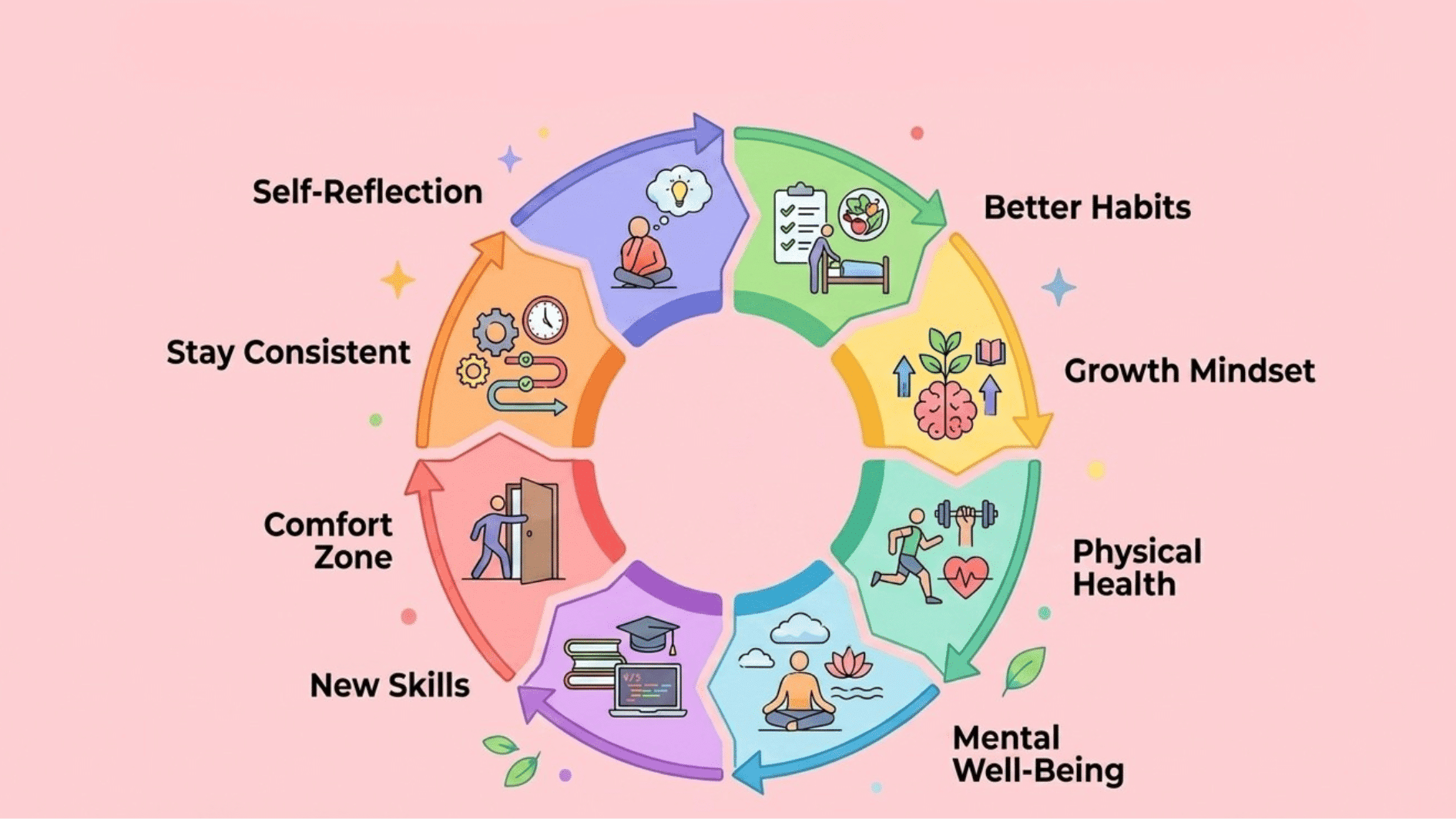
If you’re looking for how to become the best version of yourself, these methods can help you improve different areas of your life and make meaningful progress over time.
1. Start With Honest Self-Reflection
Most people skip this part. They jump straight into new habits or goals without ever stopping to ask where they actually stand right now.
Self-reflection is not about tearing yourself apart.
It is about getting clear. When you understand your values, your patterns, and what genuinely matters to you, the path forward becomes far less overwhelming.
2. Build Better Habits
One of the most effective ways I’ve found to become the best version of myself is to improve my daily habits. Small actions, repeated often, can lead to lasting changes in your health, productivity, and overall well-being.
You do not need to stack everything at once. Start with one habit, keep it simple, and let consistency do the work over time.
3. Develop a Growth Mindset
Becoming the best version of yourself starts with being willing to learn, adapt, and improve. I believe challenges are easier to handle when you treat them as opportunities to grow rather than reasons to stop.
A growth mindset is not about pretending everything is fine. It is about choosing to stay in the process even when it gets uncomfortable
4. Improve Your Physical Health
Physical well-being plays an important role in becoming the best version of yourself.
Focus on regular movement, quality sleep, proper nutrition, and healthy routines to support better energy and focus.
Even small physical changes make a real difference. A 20-minute walk or an earlier bedtime can shift how you think and feel more than most people expect.
5. Strengthen Your Mental Well-Being
Mental well-being affects how you handle challenges, relationships, and daily responsibilities. Protecting your emotional health through rest, self-care, and stress management is not a luxury.
It is a foundation. When your mind is supported, every other area of self-improvement becomes significantly easier to sustain.
6. Learn New Skills
Learning new skills can increase confidence and open doors to new opportunities.
Continuous learning is an important part of becoming the best version of yourself in both personal and professional life.
It also keeps your mind engaged and adaptable, which matters far more in the long run than any single qualification or achievement.
7. Step Outside Your Comfort Zone
Growth often happens when you challenge yourself to try new experiences. Stepping outside your comfort zone helps you recognize strengths and abilities you may not have noticed before.
Saying yes to one unfamiliar thing each week is enough to gradually expand what feels possible for you.
8. Stay Consistent
Consistency beats intensity. Showing up imperfectly on a hard day matters more than a perfect week followed by two weeks of nothing.
Motivation will come and go, but a reliable routine keeps you moving forward regardless of how you feel on any given day.
The Realistic Way to Measure Personal Growth
Most people only count growth when something big changes, but real progress shows up long before that.
- Track Your Habits, Not Just Your Results: Consistent behavior over time is a stronger sign of growth than one big outcome.
- Compare Yourself to Who You Were Last Month: Your past self is the only fair benchmark, not someone else’s progress.
- Write Things Down Regularly: Journaling small wins and shifts helps you see progress that would otherwise go unnoticed.
- Notice How You Handle Difficult Situations: If you react more calmly, recover faster, or think more clearly than before, that is measurable growth.
- Review Your Goals Every Few Months: Growth changes what you need; revisiting your goals keeps your effort pointed in the right direction.
- Look at What No Longer Triggers You: Outgrowing old reactions, fears, or habits is one of the clearest signs you have genuinely changed.
- Measure the Quality of Your Decisions: Better choices in small daily moments reflect a real shift in mindset and self-awareness.
Real-Life Experiences and Advice: Becoming the Best Version of Yourself
People often describe self-improvement as a series of small, repeatable choices rather than one big life change.
|
Focus on Discipline when Motivation Disappears Several r/getdisciplined posts center on building discipline through routines, confidence, and repeated action rather than waiting to feel ready. |
|
I’ve Been Thinking About Self-Improvement Lately One discussion on r/DecidingToBeBetter explored this exact question. Many users shared that becoming a better version of yourself is less about finding the perfect strategy and more about consistently doing small things that align with the person you want to become. |
|
It’s a Tricky Balance Between Evolving Into a Better Version of Yourself and Staying Authentic to Your Core Values and Identity Many people worry that personal growth means changing who they are, but discussions in r/SeriousConversation suggest a different perspective. |
Why you Need an Appropriate Environment for Self-Improvement
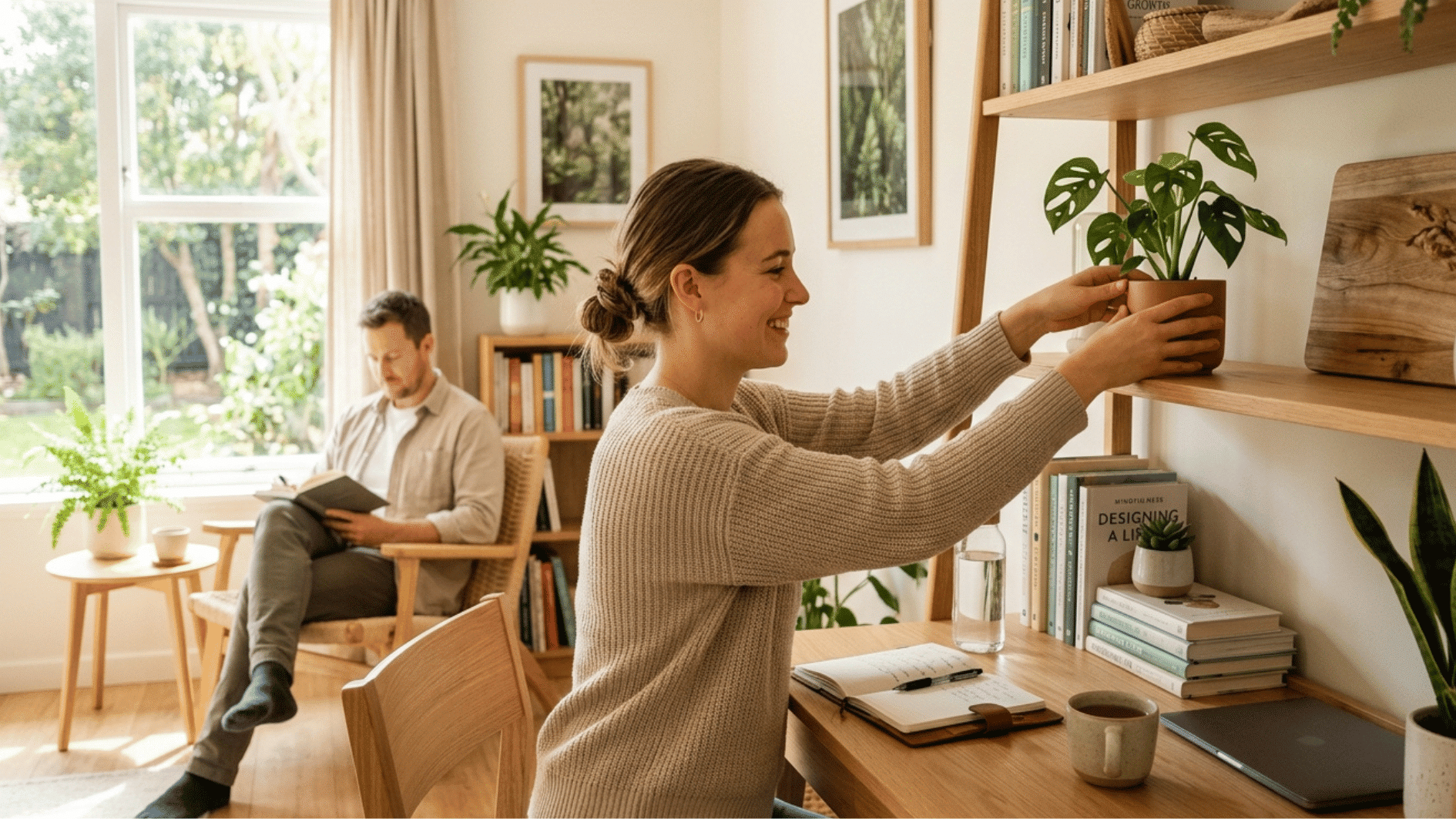
Your surroundings shape your habits more than willpower does, and this looks at how to build an environment that makes growth feel natural.
- Your Physical Space Sends Daily Signals: The objects, layout, and cleanliness of your space quietly push you toward certain behaviors without you even realizing it.
- Small Physical Changes Create Big Habit Shifts: Placing healthy food on the counter, keeping your phone out of reach, or setting out workout gear the night before removes friction from good habits.
- Your Social Circle Sets Your Standard: The people you spend the most time with define what feels normal. Their habits, mindset, and energy rub off on you over time.
- Growth is Affected by Emotional Surroundings Too: Your mindset is influenced not only by physical spaces but also by the emotional environment you experience daily.
- Supportive Environments Make Consistency Easier: When your surroundings align with your goals, positive actions require less effort.
- Unsupportive Environments Drain Motivation: Even strong determination can fade when your surroundings consistently work against your progress.
- Your Digital Feed is Part of Your Environment: What you consume online shapes how you think, feel, and measure yourself; curating it intentionally is a form of self-improvement.
- Be Intentional With Relationships: Spend more time with people who encourage growth and less with those who keep you feeling stuck.
Key Takeaways
Improving yourself is an ongoing process built on self-awareness, meaningful goals, and consistent action.
By focusing on positive habits, strengthening your mindset, and learning from real examples, you can make steady progress in the areas that matter most to you.
If you’ve been looking for how to become the best version of yourself, the key is to focus on gradual improvement rather than immediate results. In my experience, this is where most lasting change actually comes from.
So my advice is simple: choose one area of your life you’d like to improve and take a small, practical step today.
Frequently Asked Questions
What Should I Do If I Stop Making Progress?
Review your goals, identify potential obstacles, and adjust your approach if needed. Temporary plateaus are normal and can often be overcome with small changes to your routine.
Is Self-Improvement the Same as Personal Development?
Self-improvement focuses on making positive changes in specific areas of life, while personal development covers broader growth in skills, knowledge, mindset, and overall well-being.
How Can I Improve My Self-Confidence?
Building self-confidence starts with keeping promises to yourself, developing new skills, and taking action despite uncertainty. Confidence tends to grow through experience and repeated effort.