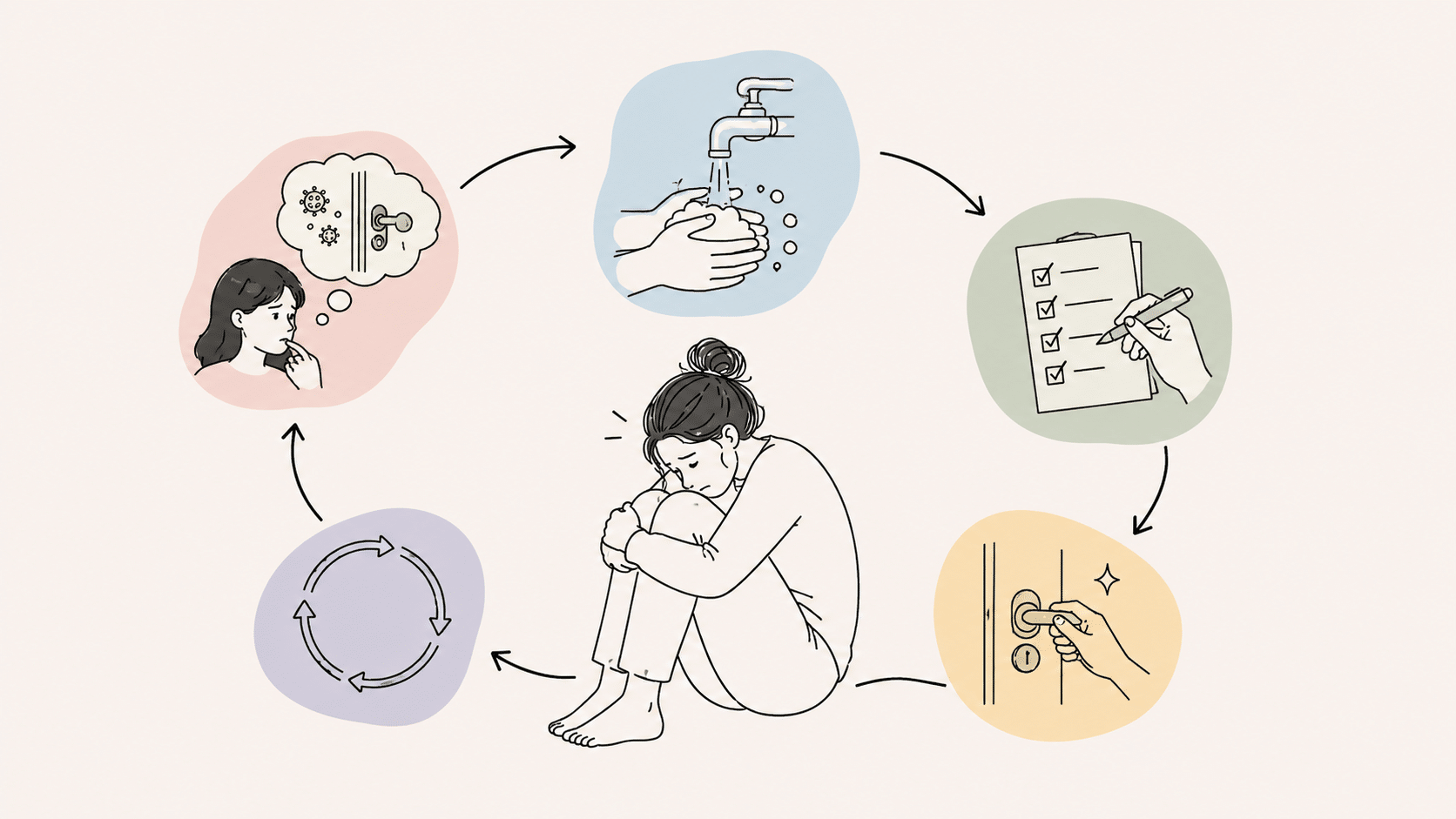

In my years studying emotional regulation, I’ve noticed that few experiences unsettle people more than wanting to cry and finding they simply can’t.
They come to me convinced that something inside them has broken. I understand why it feels that way.
When grief or exhaustion sits heavily in your chest but never reaches your eyes, the silence can feel like proof that you’ve stopped feeling altogether.
In this piece, I’ll walk you through why that bridge collapses and how you can begin, gently, to rebuild it.
“The sorrow which has no vent in tears may make other organs weep.”- Henry Maudsley
I Want to Cry but I Can’t’: The Science Behind Emotional BluntingYou feel it: the grief, the exhaustion, the frustration, but the tears simply won’t come. That gap between emotion and expression has a name, and it’s more common than most people realize. This state is called emotional blunting or emotional numbness. It is not the absence of feeling. It is a disconnection between the emotion you’re experiencing internally and your body’s ability to express it outwardly. According to the APA, chronic exposure to stress can suppress the immune system and blunt emotional reactions, meaning the very thing that drives you to want to cry can also be what prevents it. |
Psychological and Physical Barriers to Crying

Emotional numbness rarely has a single cause. It usually sits at the intersection of mental state, brain chemistry, and lived experience.
| Reason | How It Can Affect Crying |
|---|---|
| Emotional Suppression | Pushing feelings aside can make emotions harder to express. |
| Chronic Stress | Long-term stress can leave you too drained to release emotions. |
| Depression | Emotional numbness may reduce the ability to cry. |
| Anxiety | Constant worry can create tension that blocks emotional release. |
| Trauma | Past pain may cause the mind to shut down emotions for protection. |
| Medication Side Effects | Some medications may reduce emotional intensity or tearfulness. |
A separate NIH-indexed review found 40–60% of MDD patients on SSRIs or SNRIs experienced emotional blunting.
What Crying Does for Your Body and Mind?
Most people underestimate what crying actually does for the body. It is not a performance of sadness. It is a physiological reset.
Suppressing emotions has been linked to a less resilient immune system, cardiovascular disease, hypertension, and heightened risk of anxiety and depression.
Emotional tears (as distinct from reflex or basal tears) contain elevated levels of cortisol, oxytocin, and endorphins.
Michigan State University Extension also notes that crying triggers empathy in others and helps soften anger, making it a social regulator as much as a personal one.
Ways to Properly Let out Your Emotions

If you can’t cry, forcing it rarely works. What does work is creating the right internal and external conditions for emotional release on your body’s terms.
1. Create a Safe, Low-Stimulation Environment
Find a private space where you don’t need to manage how you appear to others.
Emotional release requires a sense of safety; your nervous system will not let its guard down in an environment where it feels observed or evaluated.
2. Engage Emotionally Activating Content
Sometimes the brain needs a side door. Directly confronting a painful emotion can trigger the same defenses that blocked it in the first place. Films, music, or books that carry emotional weight can act as aproxy.
3. Try Somatic (Body-Based) Techniques
The body stores emotion. Techniques like deep diaphragmatic breathing, progressive muscle relaxation, or gentle movement (yoga, walking) can activate the parasympathetic nervous system, the biological state your body needs to be in to release.
Personally, I’ve found that slow diaphragmatic breathing paired with focusing on a rhythmic sound, a heartbeat, or a clock can quiet the mental noise enough to let something through.
4. Journal without Editing Yourself
Write the emotion out, unfiltered. Not for an audience, not for clarity, just for discharge.
Putting unexpressed feelings into words activates the brain’s prefrontal cortex in ways that support emotional processing.
5. Speak to a Mental Health Professional
If emotional numbness has persisted for weeks or is interfering with your relationships and daily function, this warrants professional attention.
You can find licensed professionals through Psychology Today’s therapist finder or SAMHSA’s National Helpline (1-800-662-4357, free, confidential).
A meta-analysis of 146 studies found expressive writing yields measurable psychological benefits, particularly for people under high stress.
How Others Describe Not Being Able to Cry
The examples here are based on personal stories shared in online communities and show how some people have described and dealt with the experience of wanting to cry but being unable to.
|
Feeling Emotionally Stuck A user in the r/Healthygamergg community asked what it means to desperately want to cry but feel completely blocked. Several responses pointed to emotional suppression built up over time, with others noting that the feeling itself of wanting to cry was a sign the emotion was there, just inaccessible. |
|
Depression and the Absence of Tears In the r/depression community, multiple users shared that they hadn’t been able to cry in months or years despite feeling deeply low. A recurring theme was the frustration of emotional flatness, feeling like something is wrong precisely because the tears won’t come. |
|
Autism and Emotional Expression A thread in r/autism explored how difficulty accessing or expressing tears can be tied to differences in emotional processing. Several users described knowing they were upset intellectually, but their bodies were not responding in the expected way. |
|
What Men Do When They Can’t Cry In r/AskMen, responses ranged from physical outlets like exercise to sitting alone in silence. A number of users noted that societal conditioning around men and crying made the inability to cry feel normalized even when it wasn’t healthy. |
The Bottom Line
If you take one thing from what I’ve shared, let it be this: the inability to cry is not a verdict on your capacity to feel.
People mistake their numbness for emptiness, when in truth it was protection, exhaustion, or simply a nervous system that hadn’t yet felt safe enough to let go.
Healing here is rarely forced; it’s permitted. Give yourself the conditions, the patience, and the support that emotional release requires, and the tears will often find their own way back.
And if they don’t, please reach out to someone trained to help. Asking for guidance is not a weakness. In my experience, it is where recovery quietly begins.
Frequently Asked Questions
Why Can’t I Cry Even When I’m Sad?
Emotional numbness, chronic stress, or medications like ssr is can disconnect the feeling from the physical response of crying.
Can Depression Make You Unable to Cry?
Yes. depression often causes emotional flatness, a state where sadness registers at a muted frequency, making tears difficult or impossible.
Is Emotional Numbness a Mental Illness?
Not on its own, but it is a recognized symptom of several conditions, including depression, ptsd, and anxiety disorders.