
Dating someone with depression looks like a mountain to climb, but as they say, love can stop wars, so why not depression?
Depression itself is something that is not easy to handle for both partners, but depression is curable, as I myself have helped many cure it in their lives.
It is nothing to be embarrassed about, but it should never be ignored either.
This blog will help you understand depression and tell you how to help a depressed spouse or loved ones.
you may also find it useful to read about dating someone with ADHD, since many of the same support principles apply.
What Depression Looks Like in a Relationship?
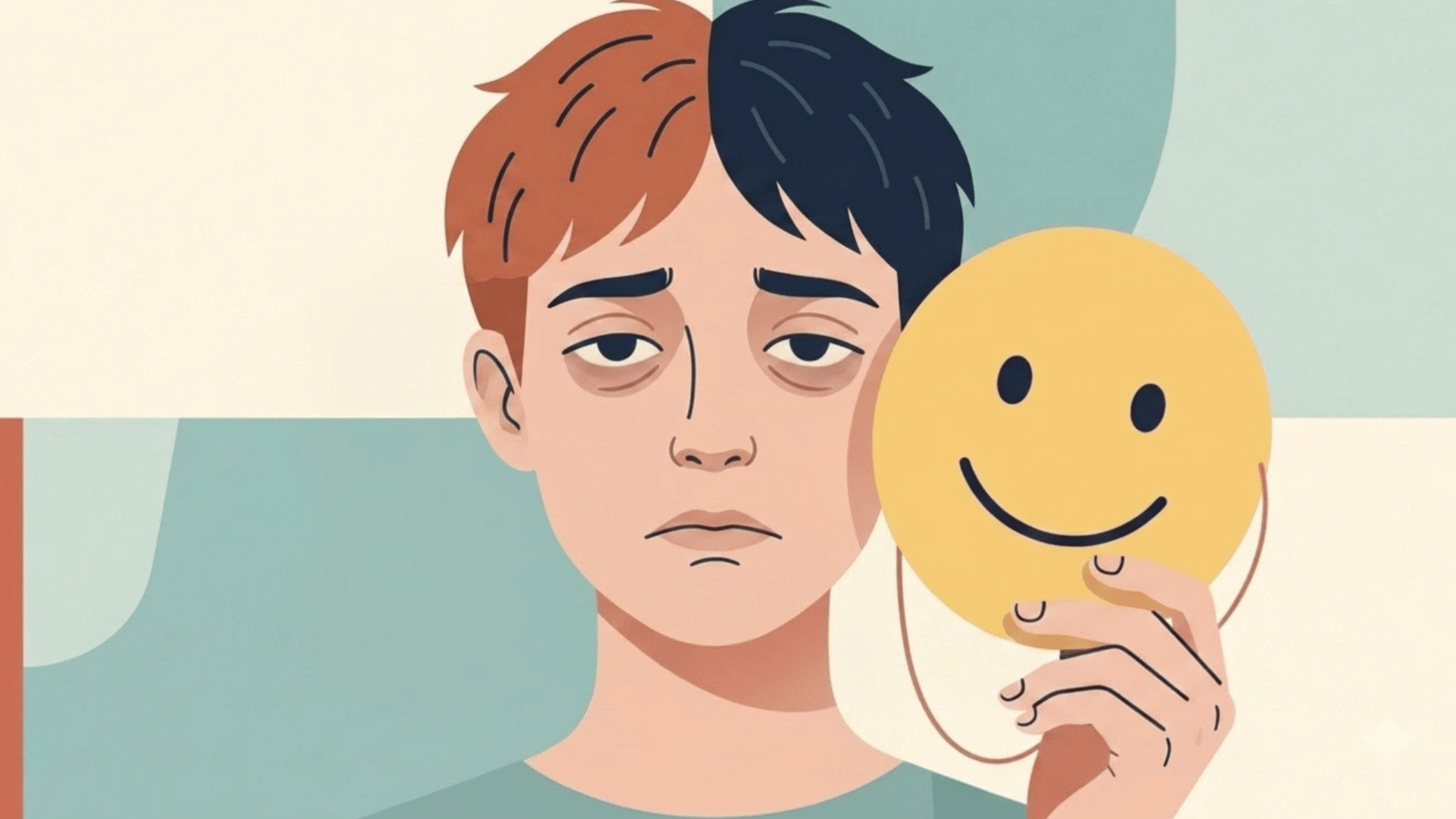
Depression is usually not noticeable quickly. It shows up when your partner starts smiling a bit less, or when they stop eating what they loved to fill themselves up.
NIMH.gov talks about how the depression is a mood disorder, not just a mood swing. it is important to see depression as a genuine concern instead of seeing it as your partner just being sad.
It manifests in many ways, as I said before. Your partner may feel very closed off and less energetic.
Yes, these can be just the symptoms of tiredness, but if it goes on even after a good rest, then it is more than just lack of sleep.
Basic Facts You Should Know About Depression
It can be hard to spot depression in someone you love.
Signs can even show up in small ways, like a change in their living space, not just their mood or words. These basic facts can help you see what’s really happening:
- Symptoms must last two weeks or more to count as an episode
- It is no longer just sadness but has turned into numbness or sudden anger.
- Most people feel better with treatment, such as therapy, medicine, or both
- Depression can be genetic, but it’s not the only reason, as depression can be found in people with no family history of it. Not every low period fits the standard picture either, some partners go through reactive depression, which is tied to a specific event rather than showing up out of nowhere.
NIMH data shows that about 8.3% of U.S. adults had a major depressive episode in the past year
How Depression Can Affect Relationships and Dating?
Depression makes it hard for the person to show love or to love at all. Depression makes them closed off, tired, and many times, done with it all.
These things often make the other partner think the relationship is not working out or feel unloved.
The gap in the regular conversation and moods can cause a drift in the relationship as both sides start feeling misunderstood.
If left unaddressed, this quiet distance can wear down intimacy long before either partner names what’s actually going on.
How to Support a Partner With Depression
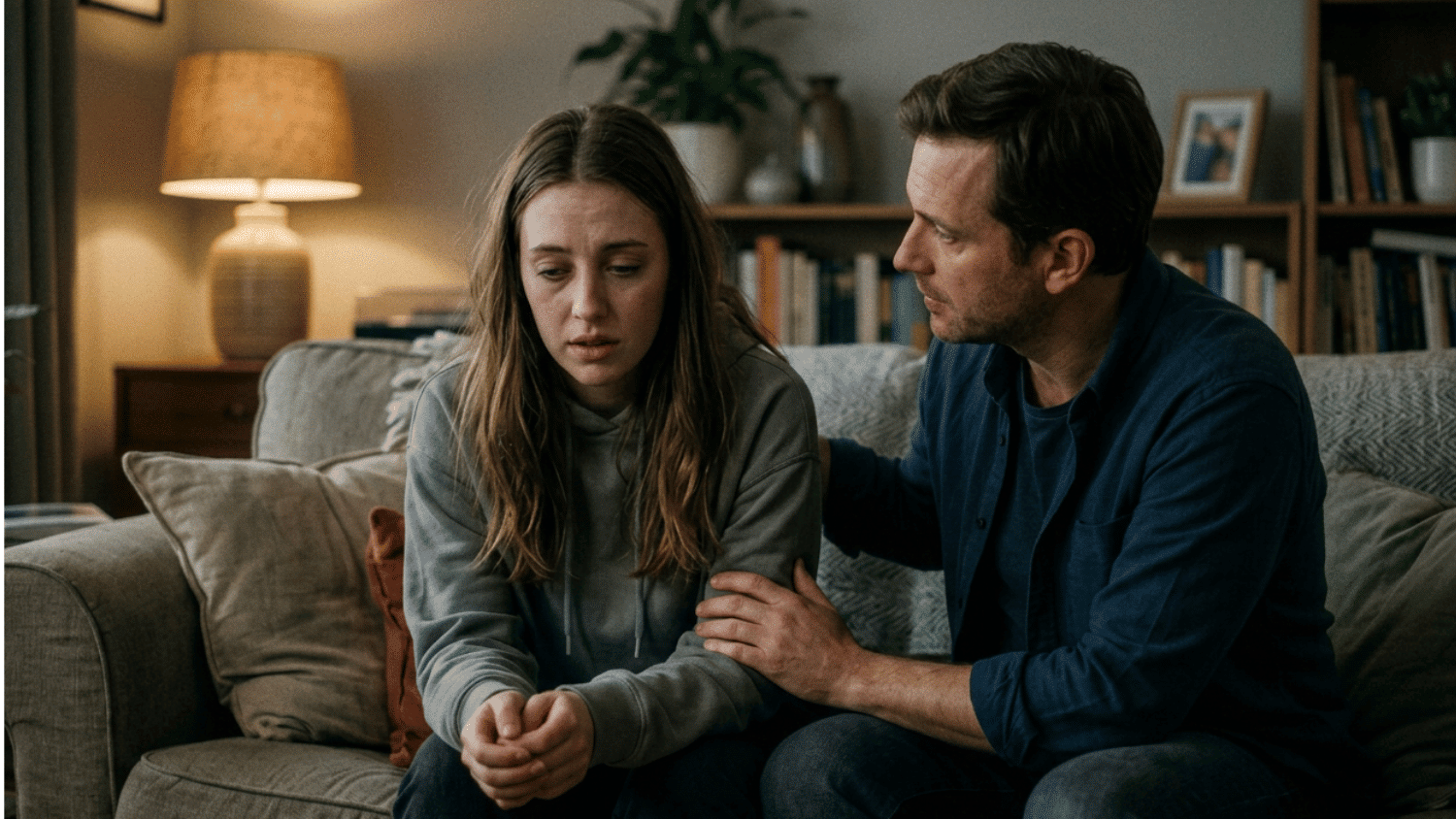
In my professional career, I often see that people who succeed with this usually start it slowly and with a willingness and hope to help and save their partner.
The practices below give you a place to start without having to guess.
Listen with an Open Mind without Trying to Fix It
Most people with depression have a lot of things buried inside, and they just want to let it out. Sitting with them and letting them talk is the first step.
They don’t want to be educated at that point or want a therapist; they just need someone to hold their hand while they let out all the pain in their hearts.
Encourage Treatment Without Demanding It
Don’t force them to get help.
Deadlines and anger can make them feel even more hopeless and sad, as they might feel alone or like they are hurting you too, making them feel guilty.
Instead, encourage them slowly and steadily with soft words and actions. Make sure they know that you are and will stay by them throughout this process.
Keep Small Shared Routines
depression is good at taking away the small structures that define someone’s life.
Taking them on walks, helping them cook, or even just doing their hair can help them feel a sense of normality.
Notice the Good Days Too
Depression is not always a regular feeling for many. Some days, they might be more active and ready to take on the world.
Acknowledge that their smiles, their cooking, and their taking a swim are seen and appreciated by you.
Learn Their Personal Warning Signs
Depression and its behaviors do not have a hard, set-in-stone pattern. Learn your partner’s cues. Eating less, or maybe talking less, might be the sign that they are not feeling a certain way.
Make Space for Bad Days
Some days, your partner might cancel the date plans, or they might not want to listen to your office gossip. On those days, give them the room to be sad.
Instead of getting mad or taking it hard, understand what they might be feeling: for them to not go out with the person they love, or for them to not listen to something that might make them laugh
Show Affection in Small, Steady Ways
Big gestures can feel like pressure to someone with depression. A short text, a hand on the shoulder, or making their coffee says just as much.
Small, repeated signs of care tend to land better than a single great romantic gesture during a low period.
Stay Patient Through Setbacks
Depression rarely gets better in a straight line. A good week can be followed by a hard one, even with treatment.
Treat a setback as part of the process, not a failure. Relapse is common and does not mean treatment has stopped working.
|
What Not to Say: Some lines feel harsh, even when said with care, like “Just snap out of it,” “Everyone gets sad sometimes”, or “You have so much to be happy about“ Say this instead: “I’m here, and I’m not going anywhere.” A small change in words can decide if a partner feels judged or truly heard. |
How to Avoid Overstepping?
Support can turn into control without you meaning it to. A few limits help keep pressure from turning into pressure.
This matters most for a partner who already feels blamed too easily, and it’s worth setting boundaries that protect both people rather than just one:
- Don’t schedule their therapy without asking first
- Don’t read their messages or track their mood like a chore list
- Don’t speak for them in front of friends or family
- Don’t treat every low mood as a crisis to fix
- Don’t make their treatment your daily project
Ways to Protect Your Own Mental Health During this Process
Helping a partner with depression can wear you down if you skip your own care. These steps, based on Johns Hopkins guidance for caregivers, can help you stay steady:
| Self-Care Step | Why it Helps |
|---|---|
| Stay connected with trusted people | Keeping a friend or family member informed can reduce isolation and give you emotional support outside the relationship. |
| Consider your own therapy or counseling | Speaking with a mental health professional can help you process emotions and learn healthy coping strategies. |
| Maintain basic routines | Protecting sleep, meals, and exercise can help you manage stress, especially during difficult periods. |
| Join a support group | Groups like NAMI’s Family Support Group can help you connect with others who understand similar experiences. |
| Set boundaries around caregiving | Creating limits on caretaking time helps prevent burnout and leaves space for your own needs and well-being. |
When Professional Support Can Help?
Self-help strategies can make a meaningful difference, but some situations benefit from additional support. Asking for help is not a sign that you’ve failed. Consider reaching out if you:
- Experience severe anxiety or panic attacks.
- Have a history of trauma affecting relationships.
- Notice symptoms of depression alongside attachment concerns.
- Have thoughts of self-harm or hopelessness.
- Continue repeating painful relationship patterns despite your efforts.
- Giving away belongings, or sudden calm after a long low stretch
- Note: Start by speaking with a licensed mental health professional. If you’re in crisis or need immediate emotional support, you can find your local crisis service through Find A Helpline.
The Bottom Line
None of the things we talked about here can be done in a day, but they are a starting line. Depression is not a game that could be played overnight and then won by the morning, so you need to be patient.
The fact that you are even reading this means you are already ready to help your partner smile and laugh again, and to take your dog out for a walk.
Stay consistent, and watch as your loved ones slowly heal and learn to be themselves again while you take care of yourself.
Frequently Asked Questions
Can I Give My Partner Any Medication for Depression?
No. antidepressants need a prescription and medical supervision, since dosage, drug interactions, and side effects vary by person. Only a doctor or psychiatrist should start, adjust, or stop these medications.
Is Depression Linked to Other Mental Health Issues?
Yes. it commonly overlaps with anxiety disorders, substance use disorders, and sometimes eating disorders. These conditions often need to be treated together, not separately.
Is Seasonal Depression Different from Regular Depression?
Not really; seasonal affective disorder is a subtype of depression tied to the change in seasons, usually starting in fall or winter. Symptoms match standard depression, but they follow a seasonal pattern and often ease in spring.