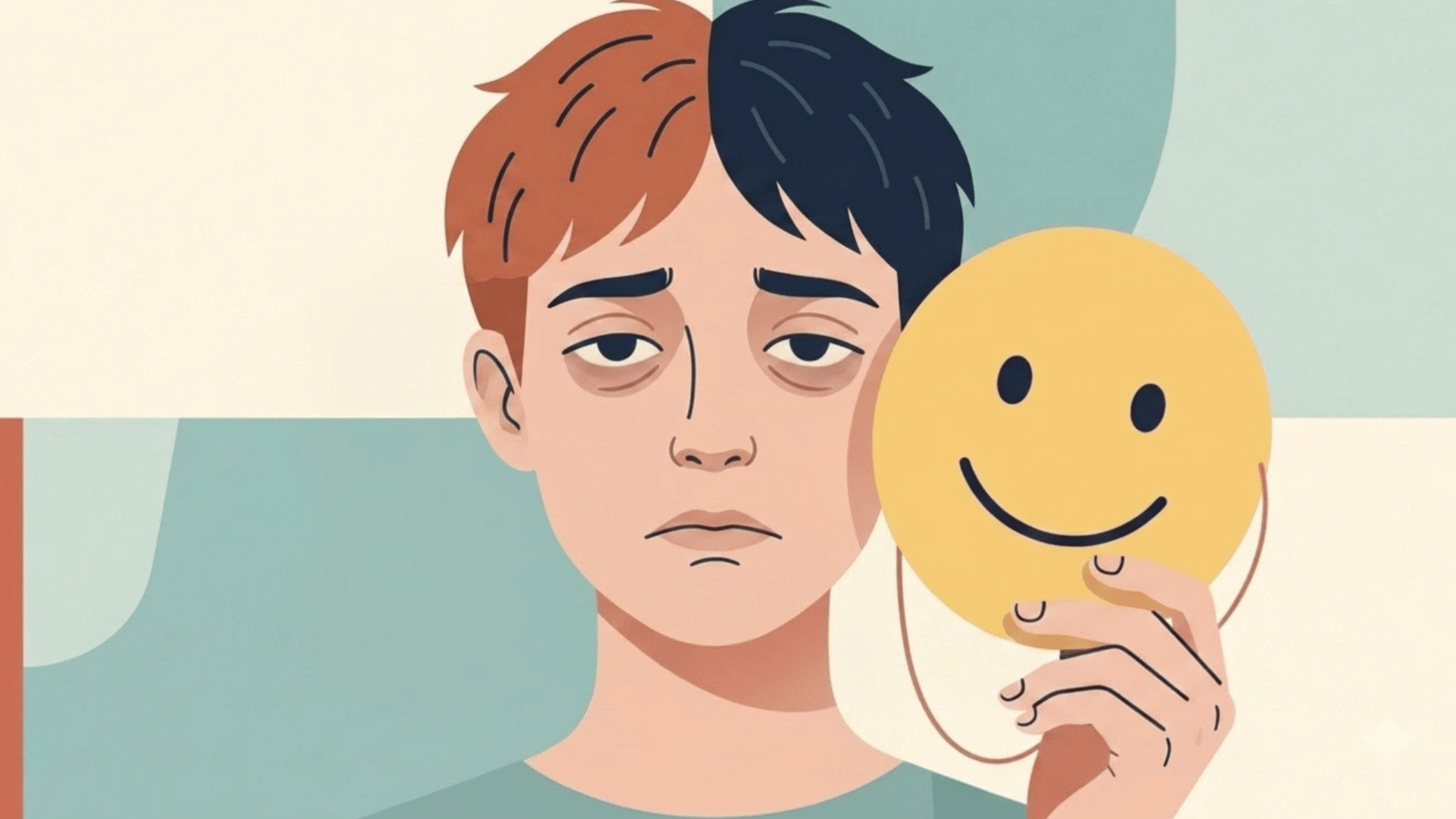

Relationship doubts can feel scary. You may care deeply about your partner but still ask yourself, “Is this relationship right for me?” These thoughts do not always mean the relationship is failing.
Learning how to deal with relationship doubts starts with understanding where these feelings come from.
They may simply signal that certain emotions, needs, or concerns need attention.
Here’s how to tell the difference and what to actually do about it, whether that’s a conversation tonight or an appointment with a therapist next week.
Is it Normal to Have Doubts in a Relationship?
Yes, it is normal to have doubts in a relationship from time to time. No partner or relationship feels perfect every day.
Feelings may change due to work stress, family pressure, financial problems, health concerns, or a recent argument.
These feelings may encourage someone to think about improving the relationship, but they can also spiral into criticism and avoidance if you don’t name what’s actually bothering you.
Doubts become more important when they are constant, intense, or connected to the same unresolved problem.
Where Relationship Doubts Actually Come From?

Relationship doubts can develop for many reasons, from temporary stress and a recent conflict to deeper concerns about trust, emotional needs, or the future.
1. Stress or Recent Conflict
After an argument, strong emotions can make one difficult night feel like proof that the whole relationship is wrong. Work pressure, family problems, poor sleep, and money worries can also affect how you see your partner.
Try not to make a major relationship decision while you are angry, exhausted, or emotionally overwhelmed.
2. Lack of Emotional Connection
You may feel uncertain when you do not feel heard, valued, supported, or emotionally close to your partner.
The doubt may not mean that you have stopped loving them. It may mean that an important need has not been discussed or met.
3. Fear of Commitment or Loss
Commitment can bring fears about making the wrong choice, losing freedom, being hurt, or repeating an unhealthy past relationship.
Research on attachment styles, including a study published in the Journal of Personality and Social Psychology, links anxious and avoidant attachment patterns to lower trust and lower relationship satisfaction.
Past experiences may shape how safe or certain you feel in your current relationship.
Past experiences may shape how safe or certain you feel in your current relationship.
4. Different Values or Future Plans
Some doubts point to real differences about marriage, children, money, religion, sex, family roles, location, or lifestyle.
Love is important, but shared values and respect for each other’s goals also matter. Ignoring a major difference may cause the doubt to return later.
5. Comparing Your Relationship to Everyone Else’s
Social media, movies, friends, and family can create false ideas about how love should feel.
A calm and steady relationship may seem boring when compared with dramatic stories or carefully edited social media posts. Focus on how the relationship works in real life rather than how it looks alongside someone else’s.
6. When Doubt Becomes Repetitive: Relationship Anxiety and Relationship OCD
For some people, doubts become repetitive, unwanted, and hard to control. They may constantly check their feelings, compare their partner with others, or ask for reassurance again and again.
The International OCD Foundation explains that these patterns can appear in relationship OCD.
However, ordinary relationship doubt does not automatically mean someone has OCD. Only a qualified mental health professional can diagnose it.
Normal Doubts vs. Signs of a Deeper Problem
Doubt is a normal part of relationships. A passing worry after a rough day doesn’t mean something’s broken; knowing the difference helps couples respond with clarity instead of panic.
| Normal or temporary doubts | Doubts needing closer attention |
|---|---|
| Begin after stress or one argument | Continue for weeks or months |
| Improve after rest and discussion | Return after repeated talks |
| Focus on one clear concern | Cause constant fear or confusion |
| Both partners listen and try | One partner dismisses concerns |
| You feel safe and respected | You feel controlled or unsafe |
| Your main values still match | Your future goals strongly conflict |
How to Deal With Relationship Doubts?
None of these steps is complicated. What’s hard is actually doing them instead of just turning the same worry over in your head.
Step 1: Pause and Understand Where the Doubts Come From
Before reacting to doubts, take time to understand their source. Ask yourself whether the concern comes from a real issue or a temporary emotion.
Notice when these thoughts appear, how often they happen, and what situations trigger them. This can help separate genuine concerns from passing worries.
Step 2: Separate Normal Worries From Relationship Problems
Not every doubt means the relationship has a serious problem. Temporary insecurity, stress, or fear can create uncertainty.
However, recurring issues such as broken trust, disrespect, or unmet needs may require attention. Look at patterns over time rather than judging the relationship based on a single difficult moment.
Step 3: Communicate Honestly With Your Partner
Keeping doubts hidden can create distance between partners. Choose a calm time to share your feelings without blaming the other person, and practice setting boundaries around what you need.
Use statements like “I feel” instead of “You always.” Honest conversations allow both partners to understand each other’s needs and work toward solutions together.
Step 4: Focus on the Present Relationship
Relationship doubts often grow when you spend too much time worrying about the future. Pay attention to how your partner treats you today.
Notice small acts of care, support, kindness, and effort. A relationship is built through everyday experiences, not only future plans or fears.
Step 5: Spend Quality Time Together
Shared experiences can help rebuild emotional closeness when doubts create distance. Spend intentional time together through simple activities like cooking, walking, talking, or trying something new.
These moments can remind both partners of the connection they share beyond the problems that cause uncertainty.
Step 6: Work on Personal Insecurities
Sometimes relationship doubts are connected to personal fears, past experiences, or low confidence. Reflect on your own emotions and beliefs about love, trust, and commitment.
Building self-awareness and confidence can help you respond to doubts more calmly, rather than letting fear control your view of the relationship.
How to Strengthen Your Relationship?
You can work on the relationship without pretending that your doubts do not exist. Spend regular time together without phones.
Ask about your partner’s day and thank them for small acts. Take responsibility when you cause hurt.
Apologize clearly instead of making excuses. It is also healthy to spend some time apart with friends, hobbies, exercise, or personal interests.
A healthy relationship allows both closeness and independence.
When Should You Seek Professional Help?
Couples therapy can help partners understand unhealthy patterns, improve communication, and discuss difficult concerns in a safer setting. Consider speaking with a licensed therapist when:
- The same doubts return despite honest efforts.
- Talks turn into blame, silence, or harsh conflict.
- A betrayal or trust problem has not healed.
- Anxiety affects your sleep, work, or daily life.
- You repeatedly check your feelings or seek reassurance.
- You need help deciding what changes are possible.
If you’re in distress right now, if fear, anxiety, or your relationship situation is affecting your safety, or you feel unable to cope, contact a mental health professional or a crisis line right away. In the US, you can call or text 988 (Suicide & Crisis Lifeline). Outside the US, you can find a local crisis line at findahelpline.com.
Final Thoughts
Learning how to deal with relationship doubts starts with slowing down and understanding what your feelings are trying to tell you.
Some doubts are normal responses to stress, change, or conflict, while others may indicate unmet needs, broken trust, differing goals, or unsafe behavior.
Talk honestly, try practical changes, and seek professional support when doubts feel constant or overwhelming.
A healthy relationship does not remove every question. It gives both partners enough trust, safety, and openness to face those questions together.
Frequently Asked Questions
Can Relationship Doubts Come and Go over Time?
Yes, relationship doubts can arise at different stages of life. They may increase during major changes such as moving in together, getting married, becoming parents, or taking on new responsibilities.
Should I Tell My Partner Every Doubt I Have About the Relationship?
Not every passing thought needs immediate discussion. Consider sharing doubts that feel repeated, meaningful, or connected to a specific need rather than temporary worries.
Can a Strong Relationship Still Have Periods of Uncertainty?
Yes, even healthy relationships can go through uncertain periods. A strong bond is not based on never having doubts, but on how both partners handle challenges and reconnect.