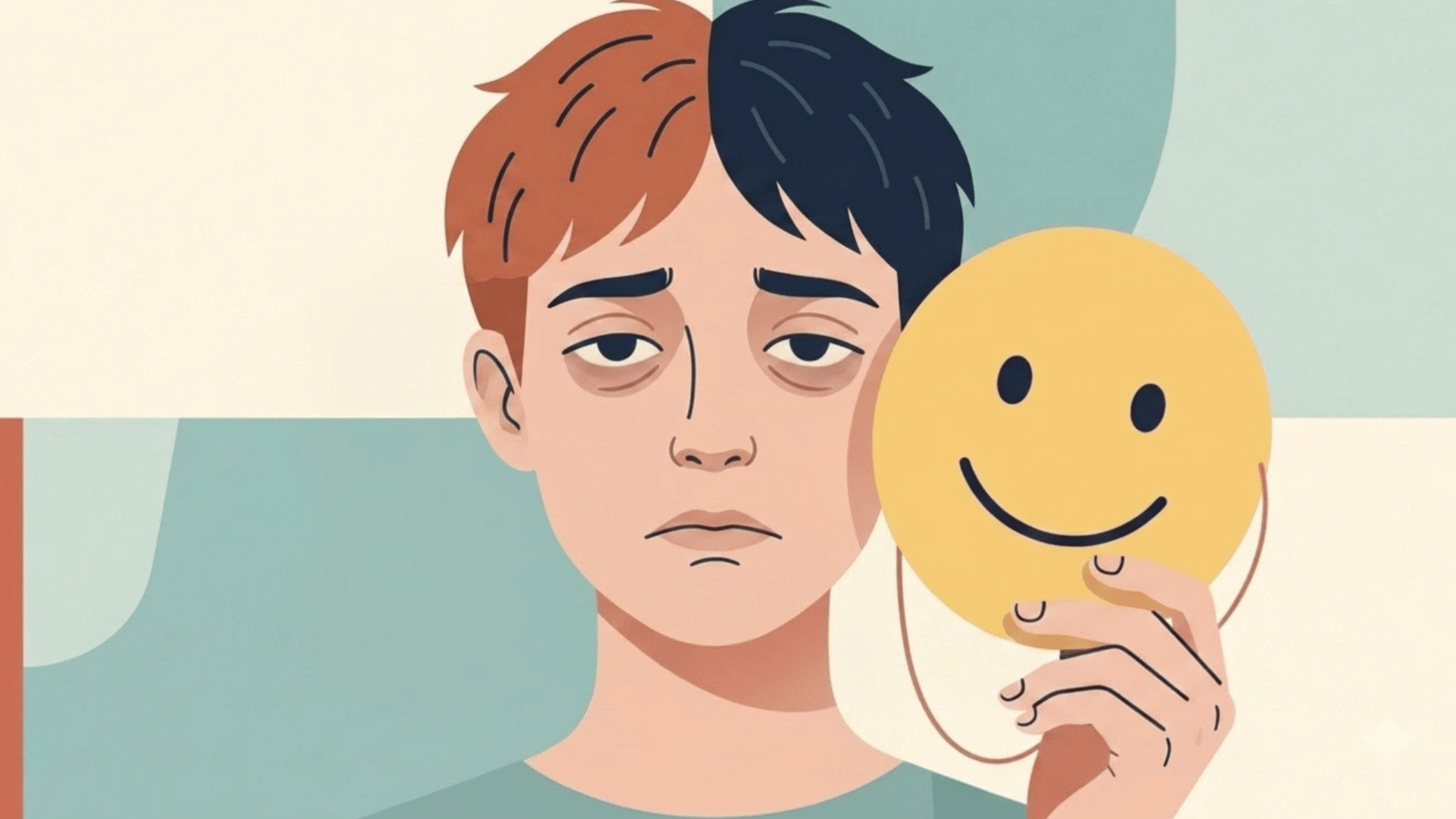

How long does it take to get over a breakup is one of the most common questions people ask when a relationship ends, and it deserves an honest answer.
What I’ve seen in practice is that healing rarely follows a fixed schedule, and the search for one often causes more suffering than the breakup itself.
The emotional weight of a breakup is real, and it deserves to be treated with the same seriousness as any other form of grief, not dismissed as something to simply “get over.”
There is no single answer that fits everyone, but knowing the general timelines and the factors that shape them can offer some comfort and a clearer path forward.
How Long Does it Take to Get Over a Breakup?There is no universal answer to how long it takes to get over a breakup, but common patterns do exist. The sharpest pain often begins to ease within the first few weeks, even when it still feels overwhelming. For shorter or more casual relationships, people often feel largely like themselves again within a few weeks to a couple of months, since there is less to untangle. For longer or more serious relationships, the process tends to take several months to a year or more, as deeper attachment and shared routines develop over time. Some of that time is spent breaking a trauma bond that formed during the relationship, which can add its own layer to the timeline. A popular idea is that healing takes about half the length of the relationship, and while there is some truth to it, your pace depends far more on the depth of the bond than on any formula. |
Why There’s No Fixed Timeline?
Healing after a breakup rarely follows a neat schedule, because the nervous system’s recovery is shaped by deeply personal factors that differ from one person to the next.
Healing after a breakup rarely follows a neat schedule, because recovery is shaped by deeply personal factors that differ from one person to the next.
- Healing Is Non-Linear: Good days and hard days arrive without warning, so progress often feels uneven.
- Everyone Copes Differently: Personality and past experiences shape how quickly you feel steady again.
- The Relationship’s Depth Matters: a deeper or longer bond usually means more to untangle gently.
- Circumstances Play a Role: Shared homes, finances, or children keep reminders close, slowing recovery.
- Comparison Rarely Helps: Measuring against others makes you feel behind when your timeline is your own.
Let’s Look at the Factors that Affect This Timeline

While there is no fixed timeline, certain factors tend to shape how quickly you heal. Learning them can help you make sense of your own pace without judgment.
1. Length and Seriousness of the Relationship
Longer, more committed relationships usually involve deeper attachment and a more shared life, which often means more memories and routines to work through over time.
The more intertwined your life was with another person, the more there is to rebuild on your own, gently — which is often why leaving a toxic relationship can take longer to fully process than the breakup itself.
2. Who Ended the Relationship
The person who initiated the breakup has often grieved in advance, while the one left behind may need more time to catch up emotionally.
Being blindsided can add a layer of shock that naturally extends the healing process.
3. If it Was Sudden or Expected
A breakup you saw coming can feel easier to absorb, whereas a sudden or unexpected ending often brings added shock and confusion to process.
When you have had no time to prepare, your mind needs longer to accept that the relationship is truly over.
4. Betrayal or Unresolved Feelings
Breakups involving cheating, broken trust, or lingering questions tend to take longer, as you work through hurt alongside the loss itself.
Unanswered “what ifs” and a sense of betrayal can keep the wound open until you slowly find your own closure.
5. Your Support System
Friends, family, and community provide comfort and perspective, and people with strong support around them often find their footing sooner.
Leaning on people who care about you reminds you that you are not alone, which can ease the weight of the loss.
This is especially true for anyone working through anxious attachment patterns, since a steady support system can offset the urge to seek constant reassurance.
How to Get Over a Breakup?
There is no single formula for how to get over a break up, but permitting yourself to grieve is the first and most important step.
Allow the difficult emotions to surface without judgment, because suppressing them tends to prolong the pain rather than ease it, according to the American Psychological Association.
From there, creating space from your ex can make a real difference.
Limiting contact and muting or unfollowing them on social media helps you stop reopening the wound, setting clear boundaries with yourself and others makes this much easier to sustain.
Finally, gently rebuild your sense of self by returning to steady routines, caring for your sleep and health, and reconnecting with hobbies you enjoy.
For some, that rebuilding also means breaking codependent habits that made the relationship feel harder to leave in the first place.
Isolation tends to intensify emotional distress after any major loss, which is why connection matters as much here as it does in recovery from grief or trauma more broadly.
How Long it Took for Others: The Firsthand Experiences
Hearing how others moved through heartbreak can be reassuring, reminding you that timelines vary widely and that your own pace, however fast or slow, is completely valid.
| Long story short, it’s been almost 8 months, and I’m still not over him, and I probably won’t be for a while, but I’m definitely a lot further along and in a better place than I thought I’d be. Upstairs-Squash-9808 |
| But recently, the more time passes without her in my day-to-day, the more I adjust to and become comfortable with the idea that it won’t happen, and I won’t focus on it. Because realistically, it’s not something I need to deal with now or soon. TheFlyingBogey |
| My girlfriend and I dated for 5 1/2 years and broke up about nine months ago. I’m still not over it. I’m doing my best to move on, but I still think about her every day. Interesting-Pilot-15 |
|
Fortunately, all broken hearts heal eventually, and there are things you can do to, if not get over it faster, at least get your mind off of it. Apysa deo |
Signs that Show You’re Healing

Recovery often moves through phases, from initial shock and grief toward gradual acceptance. You may not notice the shift day to day, but these signs show real progress:
- You Think About Your Ex Less: Reminders sting less as the early grief begins to fade.
- Your Routines Feel Steady Again: Sleep, appetite, and daily energy slowly return to normal.
- You Reconnect with Yourself: Hobbies and people you enjoy start to feel meaningful again.
- Your Emotional Levels Level Out: Waves of anger or sadness become less frequent over time.
- You Can Imagine the Future: You look ahead with openness rather than dwelling on the past.
The Bottom Line
If you have been questioning how long it takes to get over a breakup, the realistic answer is that it looks different for everyone, and there is no deadline you are failing to meet.
As a psychologist who studies how people process loss, I want to remind you that healing is rarely linear, and small steps forward still count.
Learning how to get over a breakup is less about following a fixed schedule and more about being patient and kind with yourself.
If the grief feels stuck rather than gradually easing, that’s worth naming to a mental health professional rather than waiting it out.
Frequently Asked Questions
Is It Normal to Miss My Ex Even After I’ve Moved On?
Yes, occasional pangs of nostalgia are completely normal and do not mean you are back at square one. Missing a shared memory is different from wanting the relationship back.
Should I Stay Friends With My Ex Right After a Breakup?
It is usually best to wait until you have fully healed before attempting to form a friendship. Jumping into it too soon can blur boundaries and reopen old wounds.
Can a Rebound Relationship Help Me Heal Faster?
A rebound may offer a temporary distraction, but it rarely speeds up genuine healing. Processing your emotions first leads to healthier future relationships.