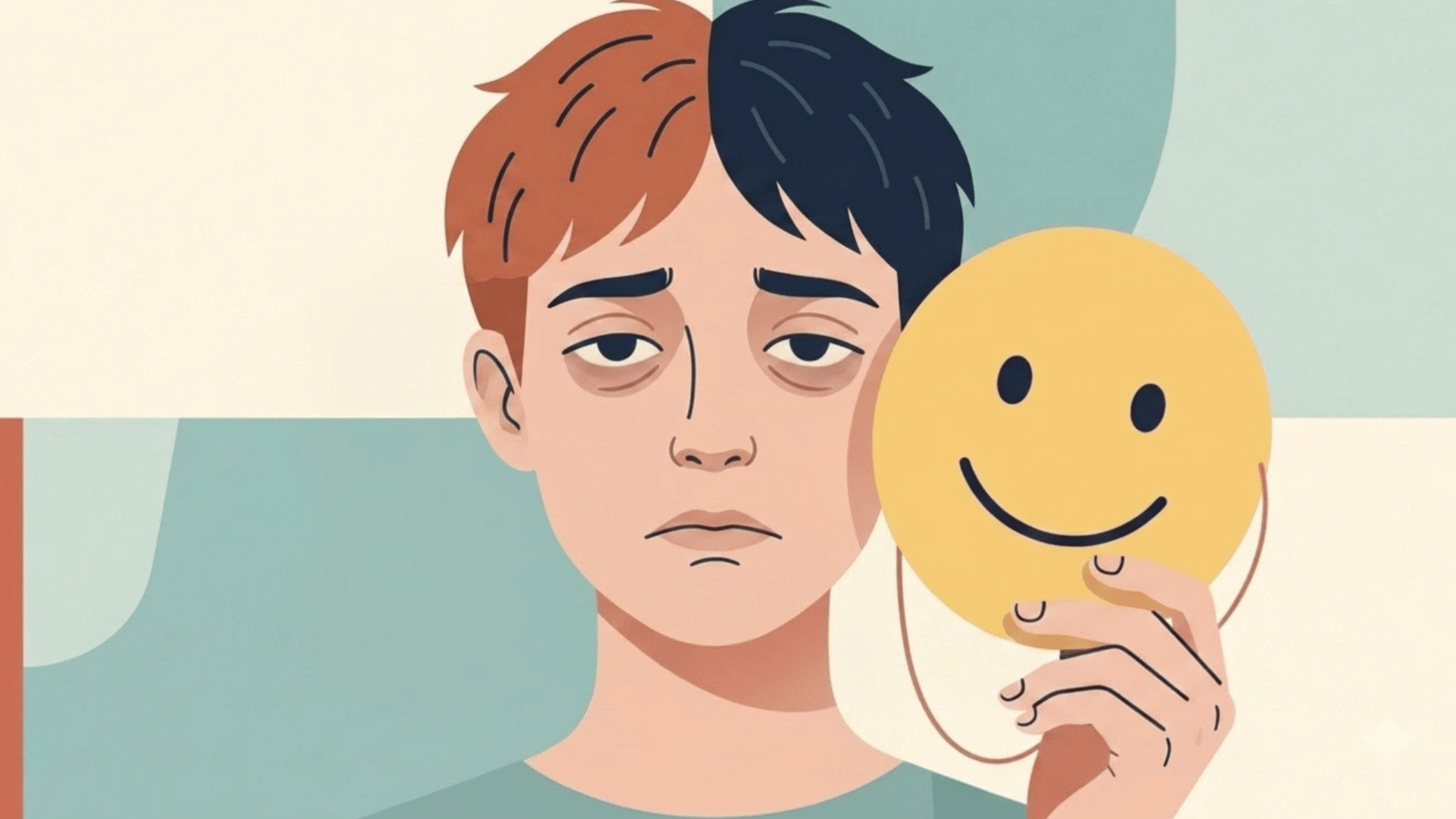

When relationships feel uncertain, the mind can quickly start filling in the blanks. A delayed reply, a quiet tone, or a small change in attention may feel bigger than it looks from the outside.
I often find that anxious attachment is not about being “needy.” It is more often about wanting safety, clarity, and emotional steadiness in places that feel unpredictable.
This blog looks at healing in a practical way, with small steps that can help you respond with more calm, build self-trust, and create healthier patterns over time.
All of us, from the cradle to the grave, are happiest when life is organized as a series of excursions, long or short, from the secure base provided by our attachment figures- John Bowlby
What is Anxious Attachment?
Many adults spend years believing they are simply “too emotional” before learning that their relationship patterns have a name.
Understanding those patterns is often the first step toward meaningful change.
Attachment theory, first developed by John Bowlby and later expanded through decades of research, explains how early relationships can influence expectations in adult relationships.
Relationships often feel emotionally intense because uncertainty can trigger anxiety. People with this attachment pattern commonly believe they must work hard to keep relationships secure.
The Centers for Disease Control and Prevention notes that early stressful experiences can influence emotional development, although they do not determine a person’s future.
How to Heal Anxious Attachment?
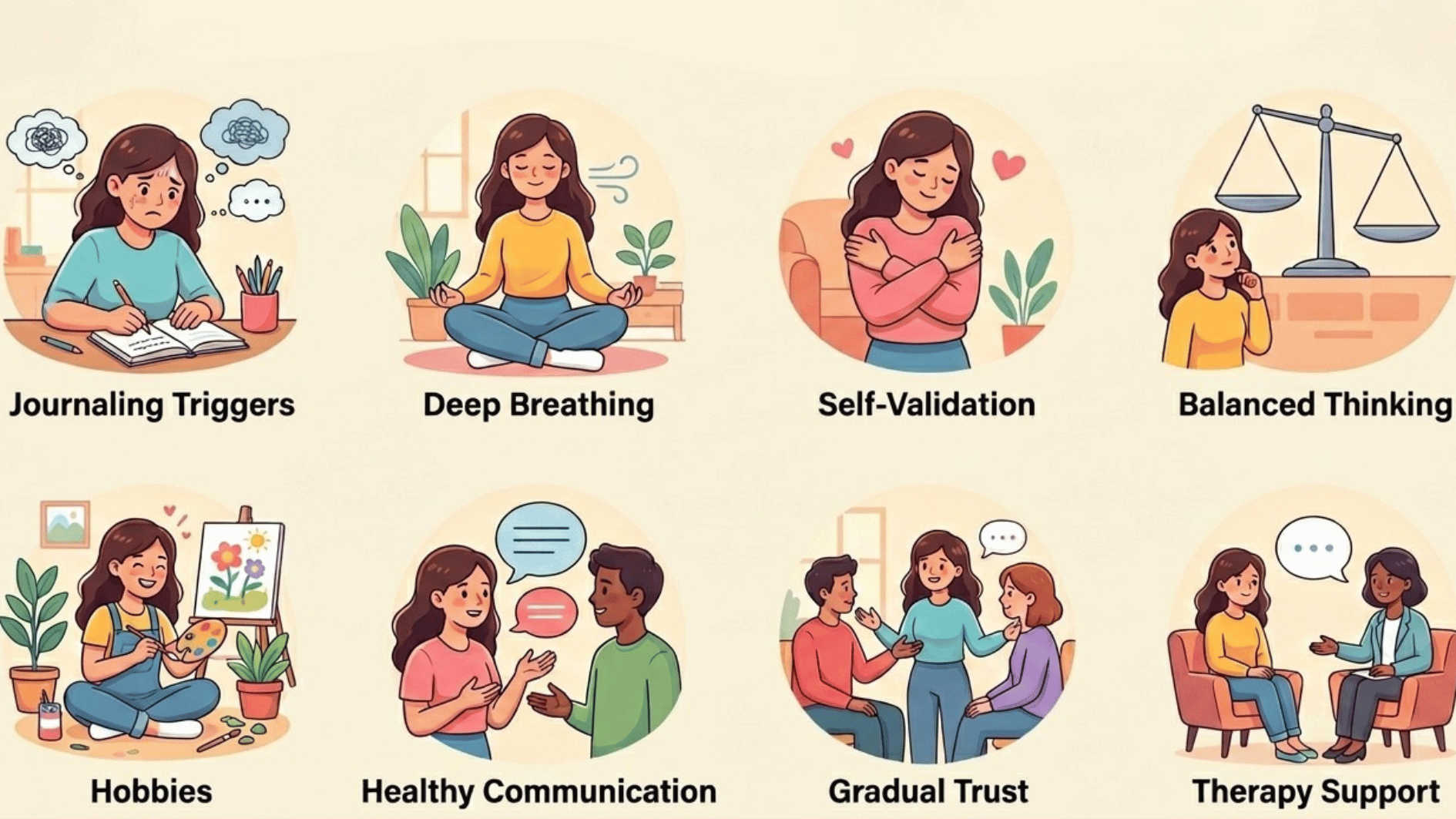
Learning how to heal anxious attachment is rarely about becoming emotionally distant. Instead, it means building enough inner security that relationships no longer feel like emergencies.
1. Learn to Notice Your Attachment Triggers
Start paying attention to situations that make your anxiety spike. Delayed replies, canceled plans, or changes in tone are common examples.
Keeping a simple journal can help you identify the emotions, thoughts, and bodily sensations that arise before you react.
2. Calm Your Nervous System Before Responding
When anxiety rises, your body often reacts before your mind has time to evaluate the situation.
Try taking a short walk, practicing slow breathing, grounding yourself with your senses, or waiting twenty minutes before sending another message.
3. Build Self-Validation
Reassurance from loved ones feels comforting, but relying on it every time can unintentionally strengthen anxiety.
Instead, practice reminding yourself that your feelings are real without assuming they always reflect reality. Self-compassion often becomes more powerful with repetition.
4. Challenge Catastrophic Thinking
Ask yourself what evidence supports your fear and what evidence points in another direction.
Replacing “They haven’t replied because they’re leaving me” with “There are several possible explanations” helps reduce all-or-nothing thinking over time.
5. Strengthen Your Identity Outside Relationships
Healthy relationships become easier when they are one meaningful part of your life instead of your entire emotional foundation.
Invest in hobbies, friendships, personal goals, learning opportunities, and routines that help you feel confident independently.
6. Practice Healthier Communication
Express your needs directly instead of hoping someone will guess them.
Using “I feel anxious when communication suddenly changes” usually leads to more productive conversations than accusations or assumptions.
7. Let Trust Grow Gradually
Many people with attachment anxiety become deeply invested very quickly because closeness feels reassuring.
Allowing relationships to develop at a steady pace makes it easier to evaluate compatibility rather than relying solely on emotional intensity.
8. Consider Therapy if These Patterns Feel Overwhelming
Professional support can provide structured tools when these patterns continue affecting your relationships or daily life.
The American Psychological Association explains several evidence-based therapies for anxiety and relationships.
What is the Anxious Preoccupied Attachment Style?
The anxious-preoccupied attachment style is marked by a strong desire for closeness combined with a persistent fear of rejection or abandonment.
People with this attachment pattern commonly believe they must work hard to keep relationships secure. They may seek reassurance, worry about being “too much.”
Common signs include fear of abandonment, emotional highs and lows, difficulty calming yourself, and doubting whether a relationship is truly secure.
You may also notice overthinking, people-pleasing, checking your phone often, seeking reassurance, fearing conflict, or feeling like you are “too much.”
Daily Habits That Support Long-Term Healing

Healing is often shaped more by consistent routines than occasional moments of insight. Small habits practiced regularly help create a greater sense of stability.
- Journal Emotional Triggers: Write down what you feel before reacting.
- Prioritize Sleep: Better rest can make emotions easier to manage.
- Stay Physically Active: A daily walk can help reduce stress and tension.
- Practice Mindfulness: A few quiet minutes can calm racing thoughts.
- Lean on Supportive Friends: Safe people can help you feel grounded.
- Reduce Reassurance Seeking: Practice sitting with uncertainty for a little longer.
- Set Digital Boundaries: Avoid repeatedly checking messages or social media.
- Celebrate Little Progress: Notice small wins, even when healing feels slow.
What People Say Helped Them Heal
People in online communities often describe healing as a slow process of learning to regulate emotions, building self-worth, and choosing steadier relationship patterns.
“I always give myself some time to think.”
Another user said waiting before acting helped emotions settle, especially when they reminded themselves that both partners have separate lives.
“Developing healthy coping mechanisms.”
In a PTSD forum, users discussed self-soothing, self-care, and honest communication as helpful ways to manage anxious attachment patterns.
“Working on learning to self-soothe.”
In a Reddit discussion about reassurance, one member explained that healing became easier after learning to calm themselves instead of depending entirely on a partner. They added that securely attached people can both self-soothe and accept support from others when needed.
When Can Professional Support Help?
Self-help strategies can make a meaningful difference, but some situations benefit from additional support. Asking for help is not a sign that you’ve failed. Consider reaching out if you:
- Experience severe anxiety or panic attacks.
- Have a history of trauma affecting relationships.
- Notice symptoms of depression alongside attachment concerns.
- Have thoughts of self-harm or hopelessness.
- Continue repeating painful relationship patterns despite your efforts.
Note: Start by speaking with a licensed mental health professional. If you’re in crisis or need immediate emotional support, you can find your local crisis service through Find A Helpline.
Wrapping it Up
Healing doesn’t usually arrive through one conversation, one book, or one perfect relationship. More often, it grows quietly through repeated moments of choosing a different response.
As I continue reading attachment research, one idea consistently stands out, i.e., emotional patterns are adaptable.
Progress may be gradual, but every time you pause, communicate honestly, or offer yourself compassion, you’re helping build greater emotional security.
Frequently Asked Questions
Can Someone Completely Heal Anxious Attachment?
Many people develop much more secure relationship patterns over time. The goal is progress, not perfection.
Is Anxious Attachment Caused by Childhood Experiences?
Early relationships can influence attachment, but life experiences, later relationships, and personal growth also shape it.
Can Secure Relationships Support Healing?
Yes. Healthy, consistent relationships often reinforce emotional safety alongside personal work.
How Long Does Healing Usually Take?
There is no fixed timeline. Improvement often happens gradually through consistent practice rather than sudden change.
Can Someone Have Both Anxious and Avoidant Traits?
Yes. Some people experience a combination of both, depending on the relationship or situation.