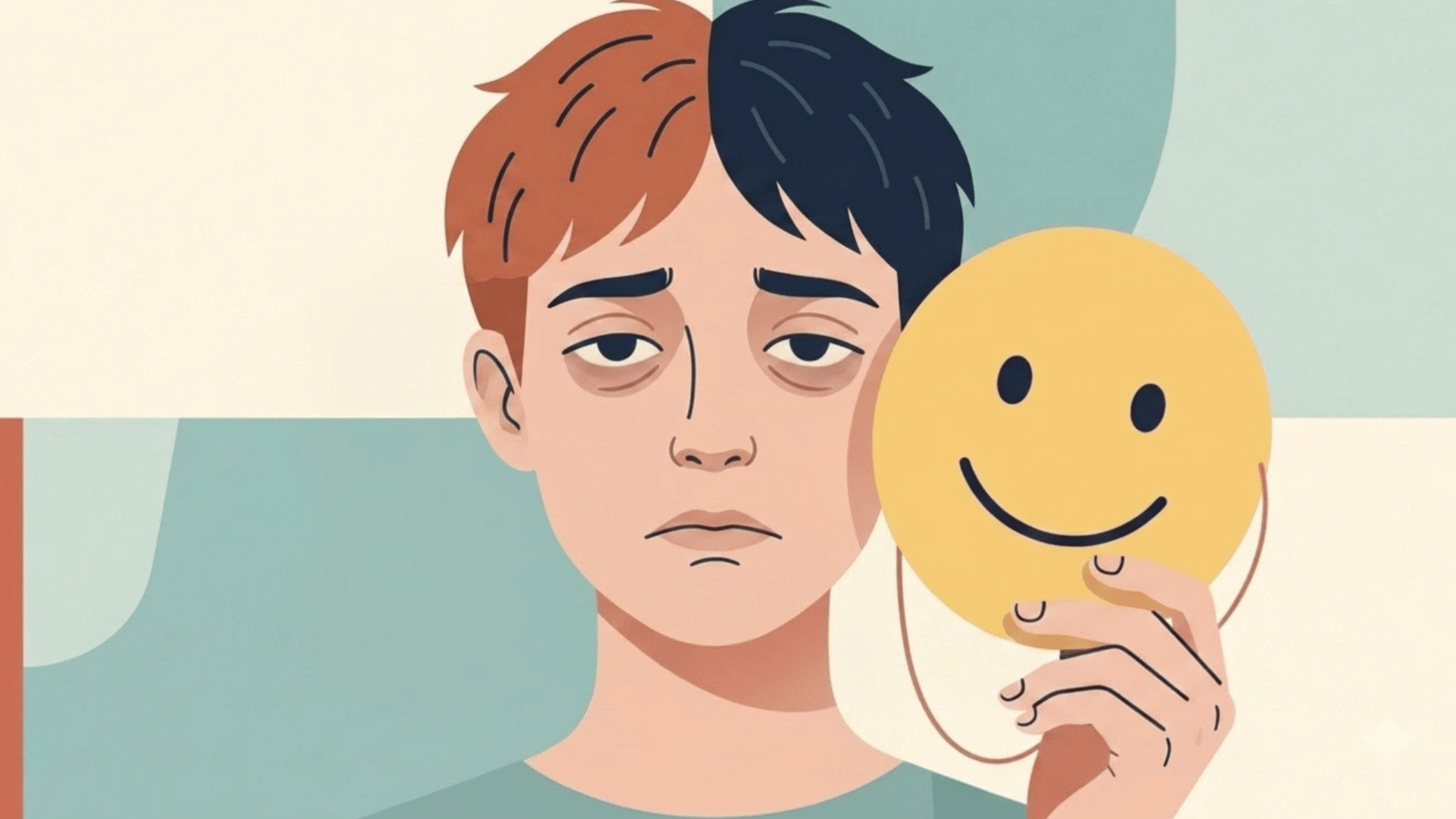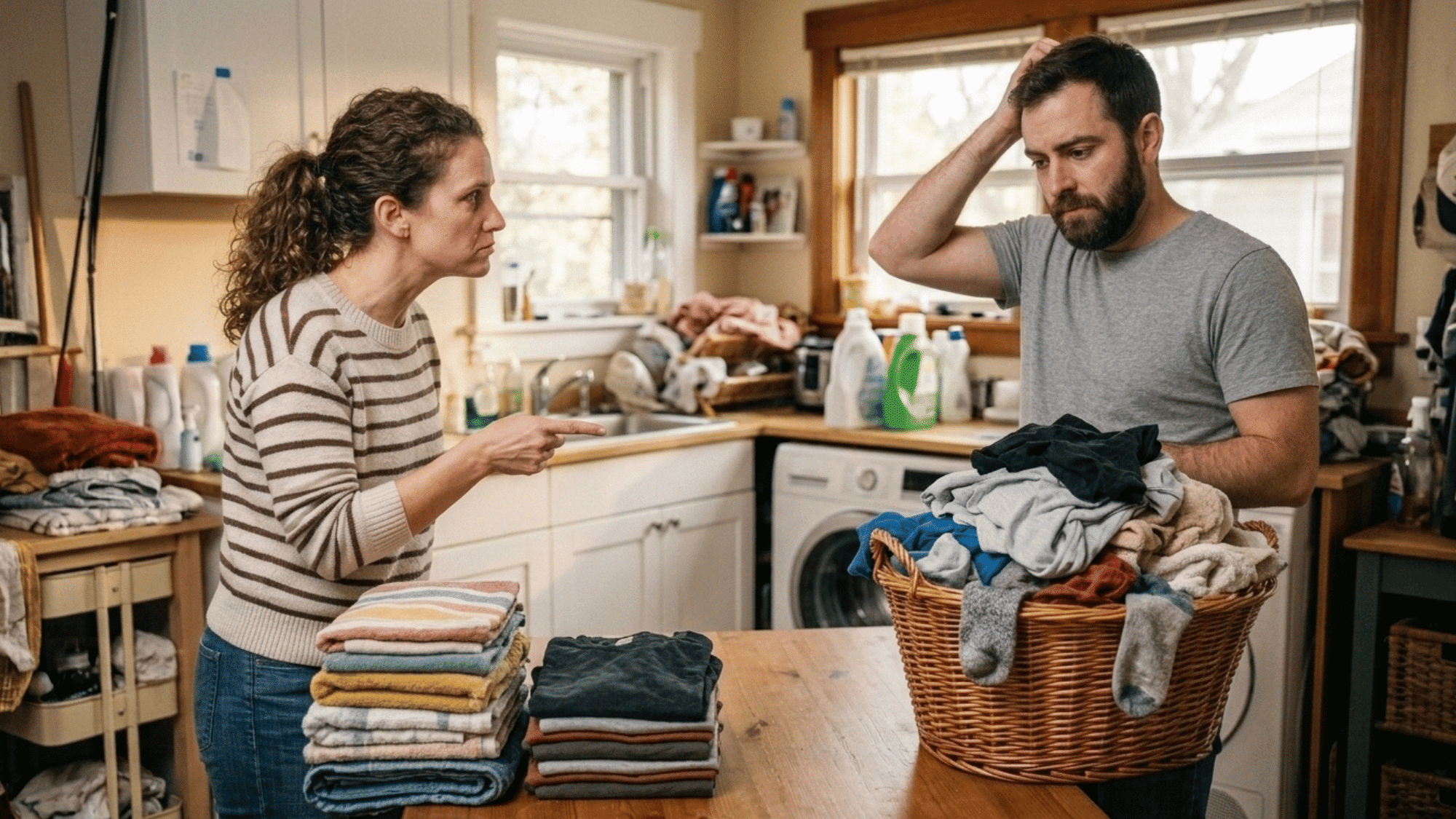

Leaving a toxic relationship is rarely simple. You may feel love and pain at the same time, doubt your decision, or return again and again despite knowing something is wrong.
In my study, I have seen how deeply attachment can bind us, even to people who hurt us. This kind of bonding shares real overlap with how the mind processes other forms of chronic stress and trauma.
Knowing how to leave a toxic relationship for good begins with self-compassion. This blog will help you recognize what you deserve and begin healing.
Disclaimer: This blog is for informational purposes only and is not a substitute for professional advice. If you feel unsafe or are experiencing abuse, please reach out to local emergency services right away
Why Does Leaving a Toxic Relationship Feel So Difficult?
Letting go of someone who hurts you sounds simple from the outside, yet it rarely feels that way.
Your brain forms strong bonds with the people you love, and those bonds do not disappear just because the relationship turns painful.
Neurologically, attachment doesn’t distinguish cleanly between a bond that’s healthy and one that’s harmful, which is part of why willpower alone rarely resolves it.
This is often called trauma bonding. The mix of good moments and bad ones creates a powerful emotional pull, which is why you may keep hoping things will change.
Finding the courage to walk away takes time, and that is completely okay, as each small step you take toward valuing your own safety and peace is a sign of real strength, and it slowly builds the resolve you need to finally let go.
Signs the Relationship is Harming Your Emotional Well-Being

Sometimes the damage builds so slowly that you stop noticing it. If several of these feel familiar, your emotional health may be paying the price.
- You Feel Anxious Around Them: You walk on eggshells, unsure what might trigger anger or criticism, and grounding techniques for panic can help in the moments this tension spikes.
- Your Confidence Has Faded: Constant blame or put-downs have left you doubting your own worth.
- You Feel Drained and Unsupported: Time together leaves you exhausted rather than comforted or safe, a pattern that closely resembles recovering from burnout.
- You Make Excuses for Their Behavior: You often justify hurtful actions to yourself and to others.
- You Have Lost Yourself: Your hobbies, friendships, and goals have quietly slipped away.
- You Feel Isolated: They control or limit your contact with family and friends.
- Apologies Never Bring Change: The same painful patterns repeat, no matter how many promises are made.
How to Get Out of a Toxic Relationship Safely and Respectfully
Leaving safely matters just as much as deciding to leave. A clear plan can protect both your emotional and physical well-being as you take this step.
1. Create a Safety Plan First
Think through where you will go, what you will need, and who can help. Knowing your next move in advance gives you a sense of control during an uncertain time.
If you feel you may be in danger, contact a local domestic violence helpline for guidance before you act. They can help you prepare quietly and safely.
2. Reach Out to People You Trust
Tell a trusted friend, family member, or counselor what you are planning. Sharing your situation lifts some of the weight you have been carrying alone.
Support makes the process feel less frightening and gives you a place to turn when doubt returns. The right people will remind you why this choice matters.
3. Set Clear Boundaries
Decide in advance what you will and will not accept once you begin stepping away. Clear limits protect your emotional space during a fragile time.
Communicate only what feels safe to share, and avoid lengthy debates. Boundaries are not cruel; they are an act of self-respect.
4. Limit or Cut Off Contact
Ongoing contact often reopens old wounds and weakens your decision. Where possible, reduce conversations to only what is truly necessary.
Blocking calls and messages can give you the quiet you need to think clearly. Distance creates room for your mind and heart to settle.
This distance also gives the nervous system a chance to come down from a prolonged stress response.
5. Seek Professional Guidance
A licensed therapist or counselor can help you process what you have been through.
Professional support offers tools that friends alone may not provide, and knowing the cost of therapy sessions upfront can make that step feel less daunting.
If you feel unsafe at any point, contact local authorities or a helpline right away. Reaching out for help is a sign of strength, not weakness.
Coping With the Emotions Afterward
Healing after leaving is rarely smooth, and that is normal. These steps can help you steady yourself as the difficult feelings rise and fall.
- Allow Yourself to Grieve: Missing them does not mean you made the wrong choice; loss deserves to be felt.
- Expect Emotional Waves: Some days will feel lighter, others heavier, and both are a natural part of healing.
- Resist the Urge to Reach Back: Loneliness can tempt you to return to old patterns, so lean on support instead.
- Be Gentle with Your Self-Talk: Replace blame with kindness, treating yourself as you would a friend in pain, something practicing self-compassion can help build as a daily habit.
- Create New Daily Routines: Small, steady habits bring a sense of structure and calm when everything feels uncertain.
Real-Life Stories: How Others Found the Strength to Leave
Reading about how others walked away from situations like yours on Quora and Reddit can remind you that leaving is possible and that you are not alone in finding the courage to do so.
|
One, focus on the relief you felt when you finally made the break. Making that decision and breaking up is hard, and there must have been a moment of sheer peace and calm that accompanied the knowledge that it was over. Rebekah Elder |
|
If you have trouble getting out and away, make plans for you or them to be out of the house. Ask a friend or relative you can trust to let you stay with them. Leave when they are sleeping if you have to. Many larger cities have shelters for spousal abuse if you don’t have support. |
| It was surprising to me that I wasn’t in a constant state of crisis. I look back and realize we could never work on underlying issues because it was just crisis, crisis, crisis all the time. No wonder I felt crazy and exhausted all the time. Seared Scallops |
| It was liberating. I felt like I no longer needed a drug to get me high. Rose Mary |
Rebuilding Yourself After a Breakup

Once the relationship ends, you finally have space to return to yourself. These small steps can help you recapture who you are and grow stronger each day.
Rebuilding a sense of identity is often described in psychology as a core task of recovery after any relationship marked by control or diminishment.
- Reconnect with Your Identity: Revisit the hobbies, goals, and friendships that slipped away during the relationship.
- Practice Daily Self-Care: Simple routines like rest, movement, and good meals help restore your emotional balance.
- Set Healthy Boundaries: Learn to protect your time and energy as you build new connections.
- Challenge Negative Self-Talk: Replace old criticism with patience, reminding yourself that healing takes time, especially if you tend toward being hard on yourself long after the relationship has ended.
- Lean on Your Support System: Trusted friends, family, or a counselor can steady you through the harder days.
And Yes, Moving Forward and Trusting Again
Opening your heart after pain takes courage, and there is no need to rush. Trust returns slowly as you heal, and learning from your past helps you recognize what healthy love truly feels like.
Some of the anxiety in new relationships that follows is a normal part of trusting again, not a sign that something is wrong.
Pay attention to how new people make you feel, and honor the boundaries you have worked hard to build.
With time and patience, you will find that trusting again, both yourself and others, becomes a natural part of your fresh start.
The Bottom Line
Knowing how to leave a toxic relationship is only the beginning; what follows is the quiet, brave work of healing.
In my experience as a psychologist, recovery rarely moves in a straight line, yet every small step carries you closer to feeling whole again.
Give your heart the time it needs, and lean on support when the days feel heavy.
Brighter, calmer chapters lie ahead, and you are far stronger and more deserving of peace than you may realize today.
Frequently Asked Questions
How Long Does It Take to Heal After Leaving a Toxic Relationship?
There is no fixed timeline; healing depends on your situation and the support you have. Be patient, as recovery often unfolds gradually over months.
Is it Normal to Still Miss My Ex After Everything?
Yes, missing someone does not erase the harm they caused. These feelings are natural and tend to fade as you heal.
Should I Stay Friends With My Toxic Ex After the Breakup?
In most cases, distance protects your healing. Staying in contact can reopen old wounds and weaken your progress.