Over the years, I have spoken with many individuals and families who think that certain lifelong traits, behaviors, or challenges could be related to autism.
Autism exists on a spectrum, which means there is no single way it looks or feels. Some people require significant support in daily life, while others have characteristics that may appear subtle.
In this blog, I’ll take you through what autism can look like across different stages, common symptoms to watch for, and when seeking a professional evaluation may be helpful.
Disclaimer: This blog is for educational purposes only and should not replace professional medical advice, diagnosis, or treatment. Consult a qualified healthcare professional for personalized guidance.
What Does the Term “Mild Autism” Actually Mean?When people use the term “mild autism,” they are usually referring to individuals whose autistic traits may be less obvious to others or who require fewer day-to-day supports. However, the term does not accurately reflect the full impact autism can have on a person’s life. What appears “mild” externally may still involve significant effort, stress, or exhaustion behind the scenes. For this reason, many professionals focus on an individual’s strengths, challenges, and support needs rather than relying solely on labels. |
What are the Common Symptoms of Mild Autism?
One of the most common questions is whether autism can be present without being immediately obvious, and what mild autism looks like.
Many individuals develop ways of adapting to challenges that can make these traits less noticeable while still affecting daily life. Some of these signs are:
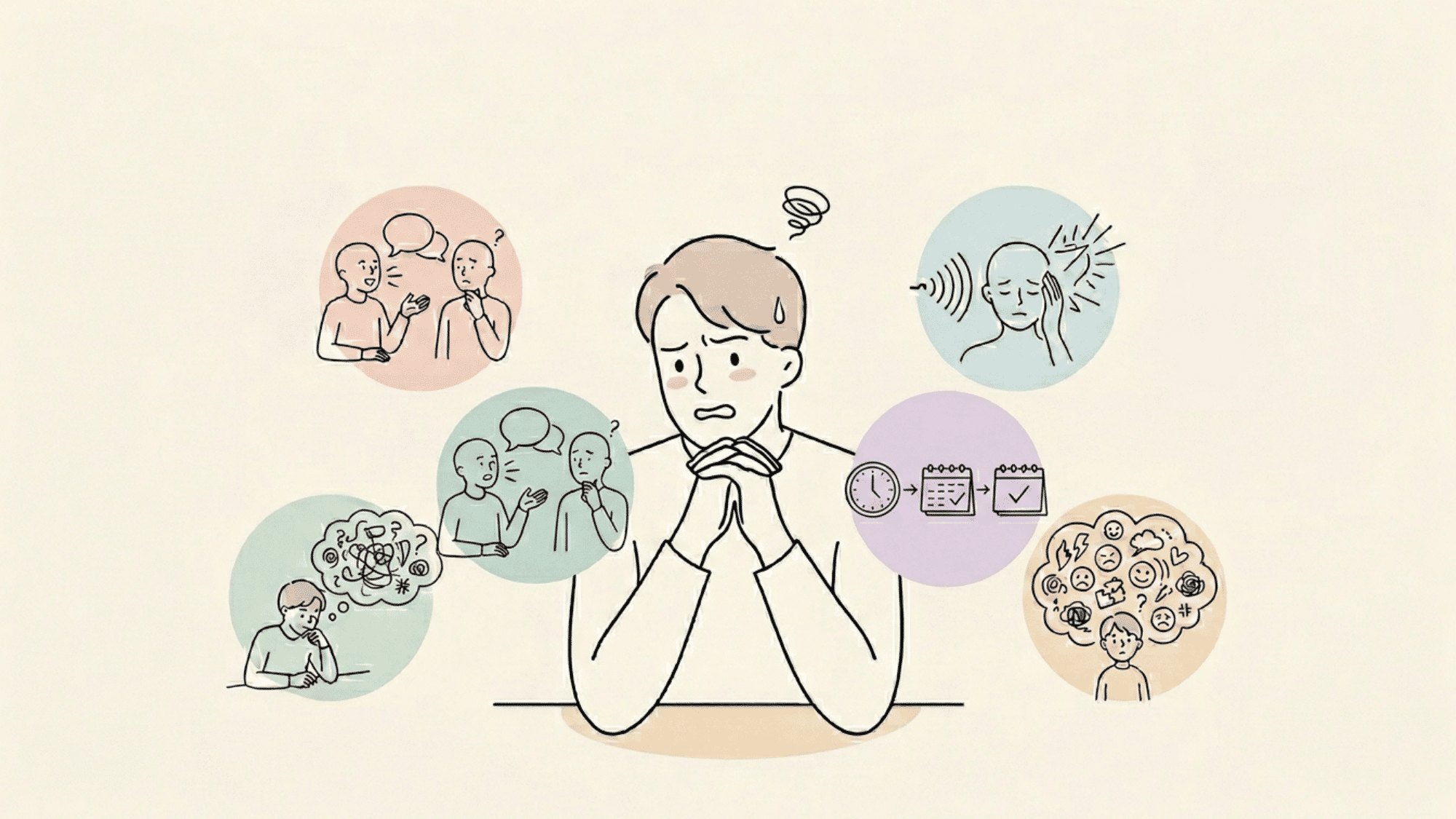
1. Social Communication Differences
Social interactions may require more conscious effort than they appear to require for others.
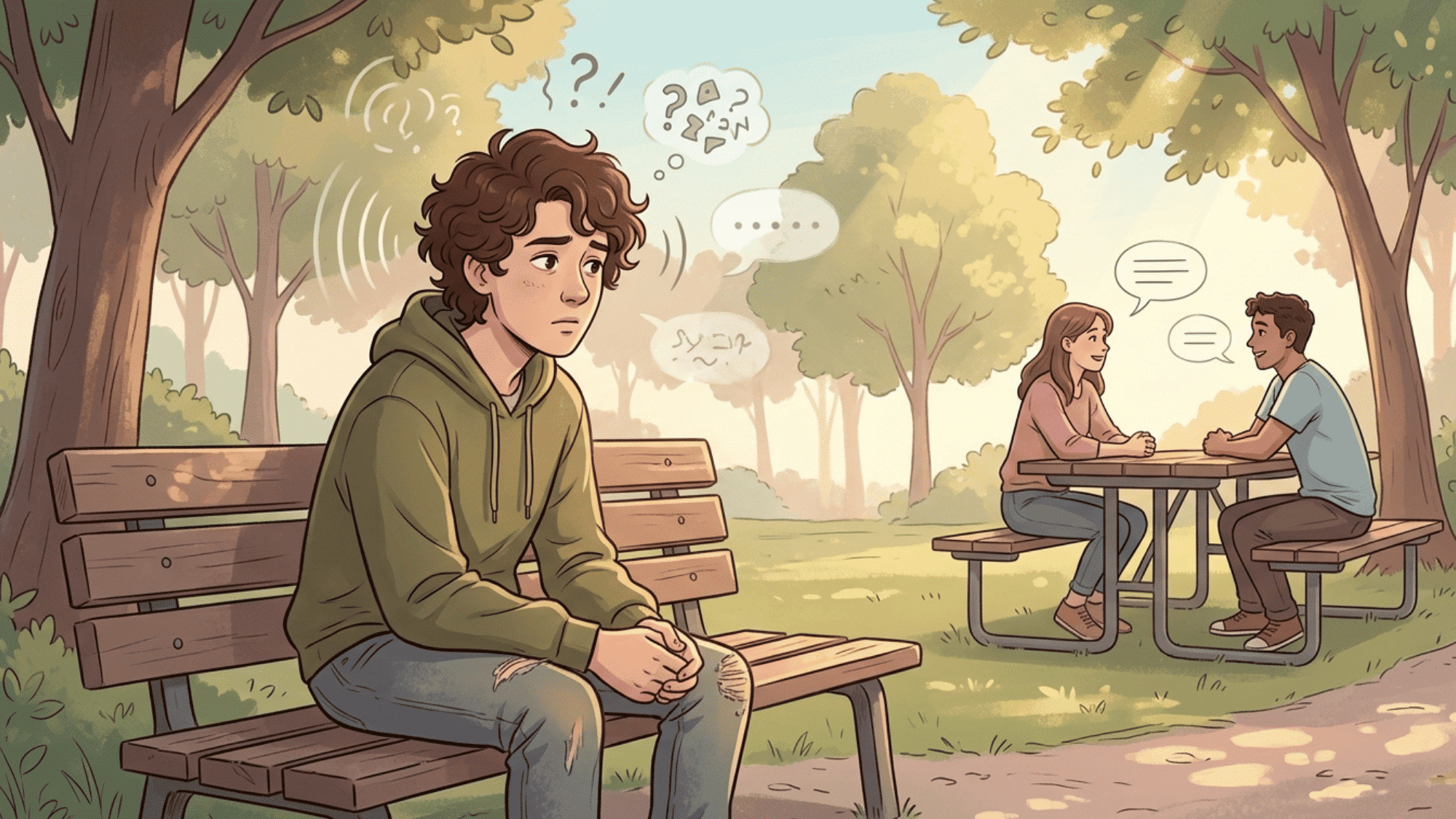
A person may find it difficult to read facial expressions, body language, tone, or implied meanings during conversation.
These differences do not mean a person lacks interest in relationships. Often, the desire for connection is present, but navigating social situations feels more complex and mentally demanding.
Maintaining back-and-forth conversations may also feel challenging, especially when social expectations are unclear.
2. Repetitive Behaviors and Routines
Predictability often creates a sense of comfort and stability.
A person may prefer structured routines, familiar activities, or specific ways of doing daily tasks because they help reduce uncertainty.
Unexpected changes in plans may feel stressful or overwhelming, even when the change seems small to others.
3. Sensory Sensitivities
Sensory differences are among the most commonly reported autistic traits, yet they are often misunderstood.
Research supported by the National Institute of Mental Health (NIMH) has highlighted how sensory processing differences can significantly affect daily functioning for many autistic individuals.
A person may be especially sensitive to loud sounds, bright lights, certain fabrics, strong smells, or crowded environments.
4. Focused Interests and Deep Engagement
Many autistic individuals develop strong interests in specific topics. These interests can become sources of enjoyment, expertise, creativity, and even career success.
At the same time, shifting attention away from a preferred topic can be difficult, especially during transitions or unexpected interruptions.
5. Executive Function Challenges
Some individuals may struggle with planning, organizing, starting tasks, shifting attention, or managing time. A person may know what needs to be done but feel stuck when trying to start or sequence the steps.
This can show up as difficulty beginning a task, completing multi-step responsibilities, or adjusting when plans change.
6. Emotional Regulation Difficulties
Some people may feel emotions very intensely and need more time to calm after stress, frustration, or sensory overload.
This may look like shutdowns, irritability, tearfulness, or needing to withdraw from the situation. Emotional reactions may seem sudden from the outside, but they often build after prolonged effort, confusion, or overstimulation.
7. Differences in Eye Contact and Facial Expression
Some individuals may avoid eye contact, use it inconsistently, or find it uncomfortable during conversation. Others may have facial expressions that do not always match what they are feeling internally.
For example, a person may look neutral while feeling anxious, interested, or emotionally engaged. These differences can sometimes lead others to misread their intentions or level of attention.
How Does Mild Autism Differ From Higher Support Needs Autism?
One of the most common misconceptions about autism is that it can be neatly divided into “mild” and “severe” categories. The key difference is in the level of support they need to navigate everyday life.
| Area | Lower Support Needs | Higher Support Needs |
|---|---|---|
| Communication | Often communicates independently but may struggle with social nuances | May require significant support to express needs or engage in conversations |
| Daily Living | Generally manages daily responsibilities with minimal assistance | May need ongoing support with personal care or daily routines |
| Education & Work | May benefit from accommodations while functioning independently | Often requires structured support and individualized assistance |
| Social Interaction | Challenges may be less visible to others | Social and communication differences may be more pronounced |
| Change & Flexibility | May find change stressful but can often adapt with support | Unexpected changes may create significant distress and require additional support |
Autism Symptoms Adults May Notice in Themselves
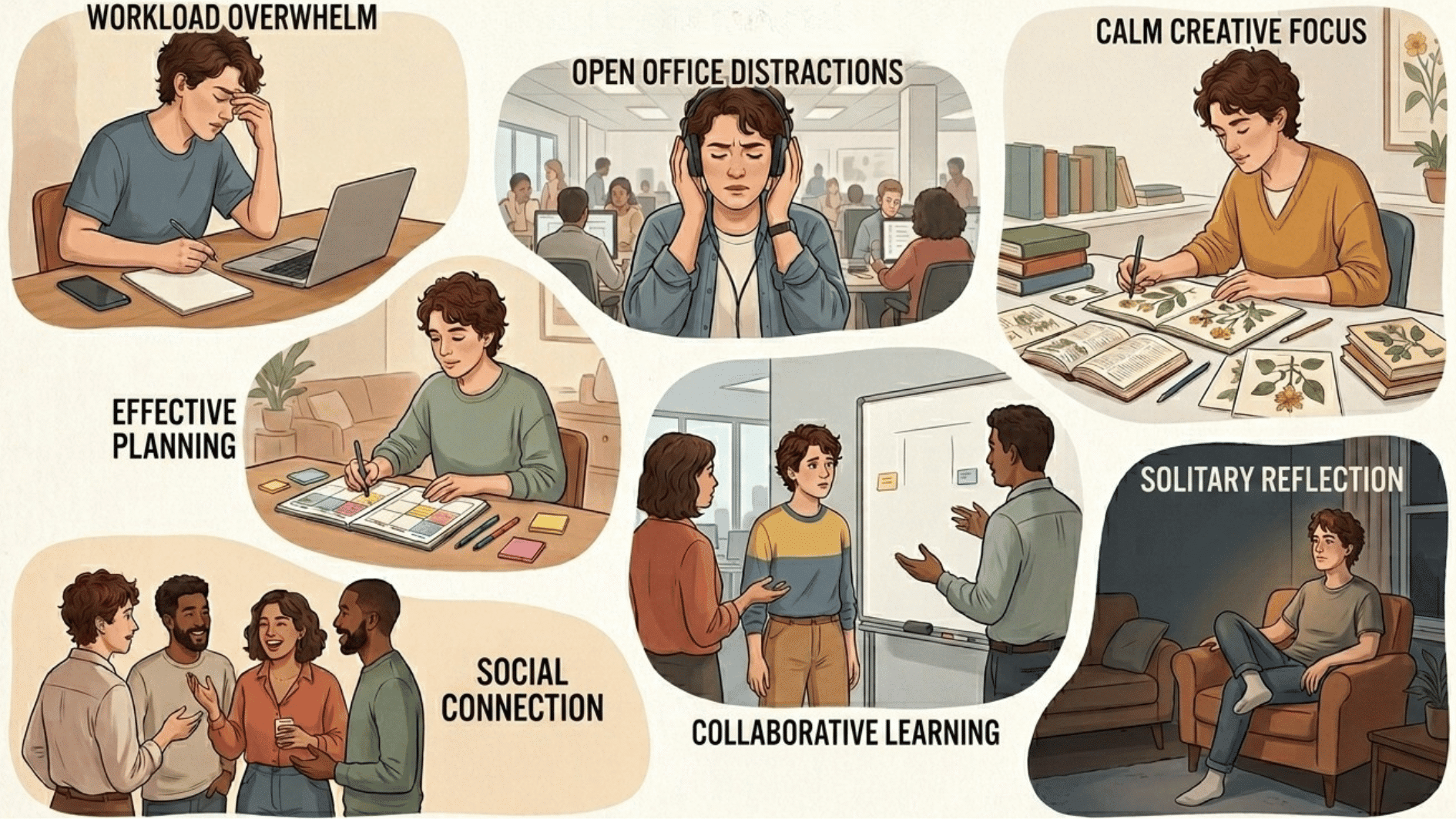
Many adults recognize autistic traits after years of feeling different without fully understanding why. The signs are not always obvious and may appear as patterns.
- Rehearsing Conversations in Advance: Preparing interactions because spontaneous communication feels stressful.
- Feeling Drained After Social Events: Needing quiet time after even enjoyable interactions.
- Struggling With Unwritten Rules: Finding unclear expectations or social norms confusing.
- Taking Language Very Literally: Misunderstanding sarcasm, vague instructions, or indirect comments.
- Becoming Overwhelmed by Sensory Input: Feeling drained by lights, noise, crowds, or textures.
- Needing Predictability: Feeling stressed by sudden changes or uncertain plans.
- Developing Deep Expertise: Spending focused time learning about specific interests.
- Feeling Like You’re “Performing” Socially: Copying social behaviors to fit in.
- Missing Subtle Social Signals: Finding tone, expressions, or hints hard to read.
- Feeling Different Without Knowing Why: Feeling out of step despite wanting connection.
Real-Life Experiences of People with Autism
Online communities can help readers understand what mild autism looks like and what it feels like to live with autism. These experiences, however, are not medical advice.
|
“It only seems mild because we make it so, at a great personal cost.” One adult in the National Autistic Society Community shared that they were described as having “mild” autism because they communicated well during assessment, but they were masking heavily and felt exhausted afterward. |
|
“High-functioning / ‘mild’ autism – can we have another term?” In another National Autistic Society discussion, autistic adults questioned whether terms like “mild” or “high-functioning” truly capture their experiences, especially when challenges are not visible to others. |
|
“The reason mild autism isn’t used is because it isn’t helpful.” A Mumsnet user explained that even people who live independently or work full-time may still experience lifelong social difficulties and autism-related challenges. |
|
“My social anxiety/awkwardness in tandem with my mild Asperger’s is a very real problem.” In a Wrong Planet forum discussion, one user described how social demands at work could feel overwhelming, even when they were capable and motivated. |
|
“I have mild autism; it can get me down at times.” A National Autistic Society community member shared how online interactions and rude responses could become emotionally overwhelming and lead to a meltdown. |
Autism Support Resources
If you or someone you care about needs guidance, these trusted US organizations are here to help.
- Autism Society of America – National Helpline: Call 800-3-AUTISM (800-328-8476) to speak with a trained Information & Referral Specialist — available 24/7 in English and Spanish
- Autism Speaks: Find autism specialists, resources after a new diagnosis, and autism-friendly activities in your community
- Asperger/Autism Network (AANE): Schedule a free 30-minute call to get support for autistic individuals, families, and professionals
- National Autism Association (NAA): Access free safety resources, communication tools, and educational materials for families and caregivers
- Autistic Self Advocacy Network (ASAN): A network run by and for autistic people, focused on advancing rights and self-determination
- 988 Suicide & Crisis Lifeline: Call or text 988 for mental health crisis support, or dial 211 to connect to emergency community services near you
The Bottom Line
Autism is far more nuanced than many people realize. What appears subtle on the surface may represent years of effort, adaptation, and resilience behind the scenes.
No matter if you are exploring these traits in yourself, your child, or someone you care about, approaching the topic with curiosity and compassion can be incredibly valuable.
A professional evaluation cannot answer every question, but it can often provide clarity, direction, and a deeper understanding of experiences that may have felt difficult to explain.
Frequently Asked Questions
Can Mild Autism Go Unnoticed Until Adulthood?
Yes. Many individuals develop coping strategies to navigate social situations, which can delay recognition until later in life.
Can Someone Have Autism and Still Be Highly Successful Socially or Professionally?
Absolutely. Many autistic individuals build successful careers, meaningful relationships, and fulfilling lives while continuing to experience certain challenges.
Does Mild Autism Always Require Treatment?
Not necessarily. Support should be individualized to a person’s goals, challenges, and preferences.
Can Autism Symptoms Change Over Time?
People often develop new coping skills and strategies throughout life. While autism itself is lifelong, the way traits are experienced may evolve as circumstances and environments change.